The Meeting You Canceled Did More Work Than the One You Attended
Canceling a meeting isn't procrastination. It's often the most productive decision you'll make all day, and here's the mechanism that explains why.
Every time you switch tasks, a fragment of your attention stays stuck on what you just left. Tech companies have started designing work systems around this, and the results are uncomfortable to look at.
The sequence in which major platforms enter new geographies is a calculated playbook, not opportunism. Here's how it actually works.
Founders don't over-raise because they're bad at math. They over-raise because the funding round is doing a job that has nothing to do with building software.
Apple, Google, and Meta sit at the top of global market caps while owning a fraction of the physical assets of older industrial giants. The accounting explains why.
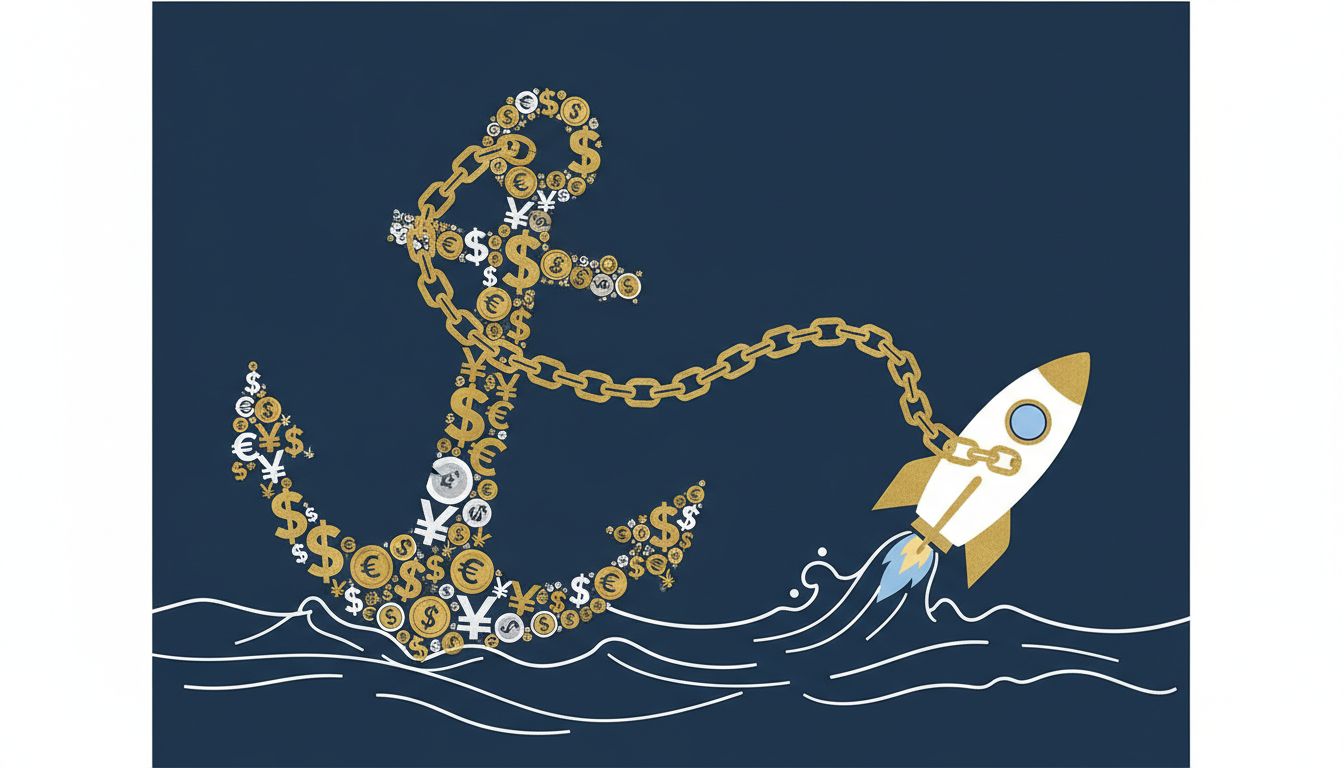
The losses aren't accidents or inefficiency. They're a deliberate land-grab financed by investors who understand exactly what they're buying.
The shower, the walk, the drive — these aren't interruptions to your thinking. They're where the actual thinking happens.
Protecting focused work time is not about work-life balance. It is a structural advantage that compounds over time and most companies are too afraid to claim it.
The 40% productivity penalty from multitasking is real, and the mechanism behind it explains why the fix is counterintuitive.
Synchronous communication feels productive but destroys the deep work that actually moves things forward. Here's the mechanics of why async wins.
Chronic multitasking doesn't just split your attention. It rewires how your brain handles focus, and the damage compounds over time.
Your calendar isn't a record of commitments. It's a program that runs your life. Here's what happens when you start treating it like one.
Taking VC money in year one feels like winning. For many of the most profitable companies, it would have been the first serious mistake.
The biggest companies weren't built by following market research. They were built by founders who spotted friction before anyone had named it.
The pattern isn't accidental. Companies that don't know the rules can't follow them, and that turns out to be a structural advantage.
The story of how Basecamp turned financial constraint into strategic advantage, and what it reveals about why capital can quietly kill a startup.
The forgettable app isn't a failure of design. It's the goal. Here's why software companies actively engineer shallow engagement over deep competence.
Startup accelerators have built sophisticated frameworks for spotting the next public company. The problem is those frameworks are mostly mirrors.
It's not greed or ego. The founders who walk away from life-changing offers early have usually figured out something about market timing that the acquirer hasn't.
Join thousands of readers who get our weekly breakdown of the most important stories in technology.
Free forever. Unsubscribe anytime.