The Meeting You Canceled Did More Work Than the One You Attended
Canceling a meeting isn't procrastination. It's often the most productive decision you'll make all day, and here's the mechanism that explains why.
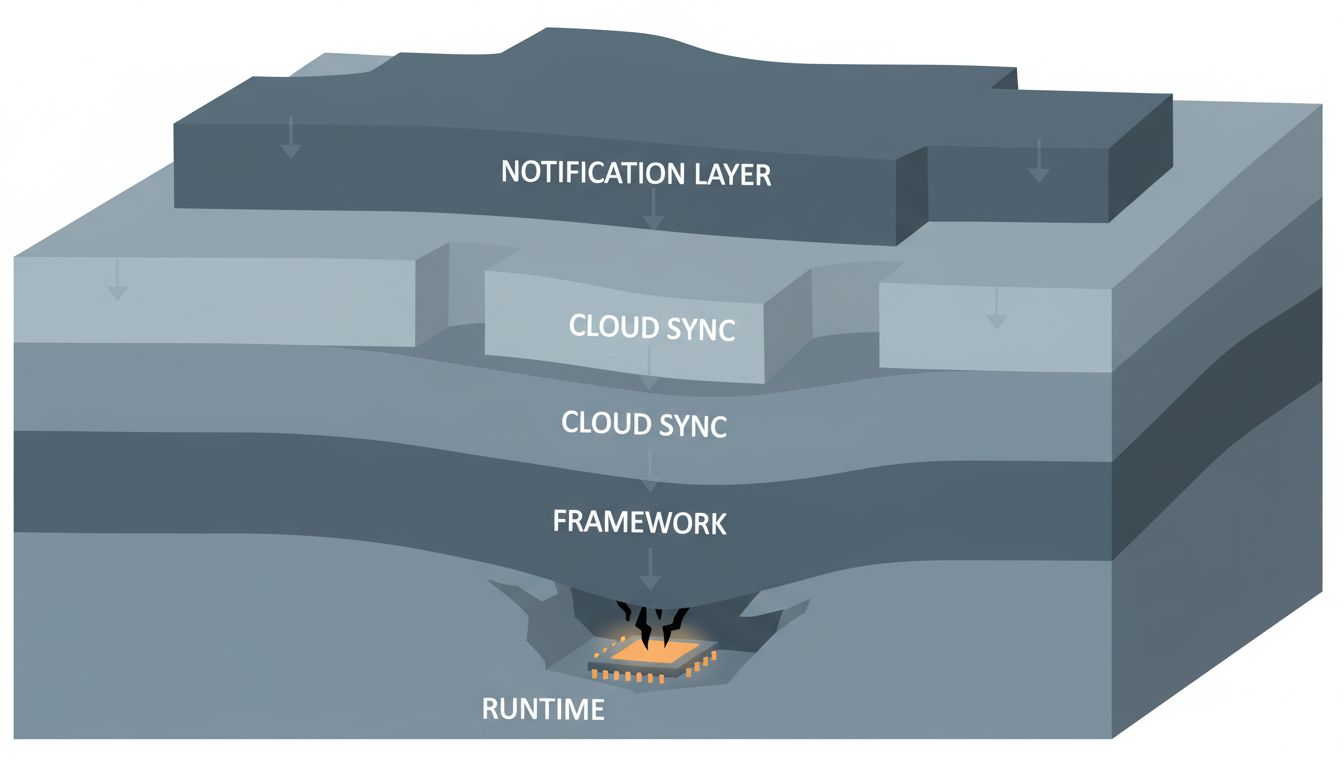
Your software isn't aging poorly by accident. The slowdown is engineered, the economics are ruthless, and the playbook is older than the iPhone.
VCs aren't guessing. They're running mental checklists built from thousands of pitches. Here's what's actually on those checklists.
The price of software has almost nothing to do with what it costs to build. Here's the economic logic companies never explain out loud.
The features you can't find aren't accidents. They're strategy. Here's the cold economics behind buried settings, hidden tools, and invisible upgrades.
The best digital performers don't just block distracting apps. They make them invisible by design, and the difference is profound.
Your Google Calendar isn't broken. It's working exactly as designed, and that design is subtly training you to be less punctual.
The best engineers don't just optimize their workflows. They periodically destroy them on purpose, and the productivity gains are real.
Most founders treat rejection as a setback. The ones who win treat it as the most honest market research money can't buy.
Failing products aren't accidents. They're calculated moves that protect markets, drain competitors, and buy time. Here's the real playbook.
The 'scratch your own itch' startup advice is repeated constantly. The data tells a different story.
Senior engineers swear by talking to inanimate objects to fix bugs. The neuroscience behind why it works is stranger than the practice itself.
There's a single parameter called 'temperature' that determines how random your AI chatbot is. Here's what it actually does to the math.
That software 'sunset' wasn't an accident. Here's the deliberate engineering logic behind why your tools keep expiring on schedule.
Fixing every bug costs more than leaving some alone. The companies that understand this math win. The ones that don't, spiral.
Millions of dollars in engineering time goes into software features users will never see. The reasons are more strategic than you'd think.
Amazon, Google, and Microsoft sell core products below cost. It's not charity — it's a calculated takeover strategy hiding in plain sight.
The real reason enterprise software costs a fortune has nothing to do with development costs. It's about leverage, and once you see it, you can't unsee it.
It's not paranoia. Device slowdown is a calculated business strategy hiding inside software update notes. Here's how it actually works.
Join thousands of readers who get our weekly breakdown of the most important stories in technology.
Free forever. Unsubscribe anytime.