AI Summarizers Miss the Parts That Actually Matter
AI summarizers are fluent and fast, but they optimize for what's statistically central, not what's actually important. Here's what that costs you.
The real reason engineers prefer dark mode goes deeper than eye strain. It's about cognition, contrast, and how the brain processes code.
It's not a bug. The randomness baked into AI language models is a deliberate design choice, and understanding it changes how you use these tools.
The apps that changed industries didn't start with everything. They started with almost nothing, on purpose.
Unreleased features aren't wasted effort. They're deliberate moves in a competitive game most users never see.
Platform subsidies let Amazon, Google, and Apple sell products below cost. The losses are intentional. The payoff is enormous.
The real reason most digital transformations collapse has nothing to do with technology. It never did.
Planned obsolescence in software isn't a flaw or oversight. It's a carefully engineered revenue strategy hiding in plain sight.
Cognitive Load Theory isn't just classroom psychology. The best engineering teams in the world are using it to ship faster, debug less, and think clearer.
Your brain encodes handwritten notes differently than typed ones. The reason is buried in neuroscience, and no app has figured out how to replicate it.
Top performers don't just optimize their routines — they deliberately blow them up every quarter. Here's the framework behind why it works.
The best startup founders aren't better at analyzing data. They're better at knowing which data to throw in the trash.
The buggy beta isn't a mistake. It's a carefully engineered data extraction tool disguised as an apology.
The best founders don't pitch big markets. They hide in small ones until it's too late for competitors to catch up.
The same manipulative design tricks used on consumers are quietly running inside corporate software. Your employer probably already deployed them on you.
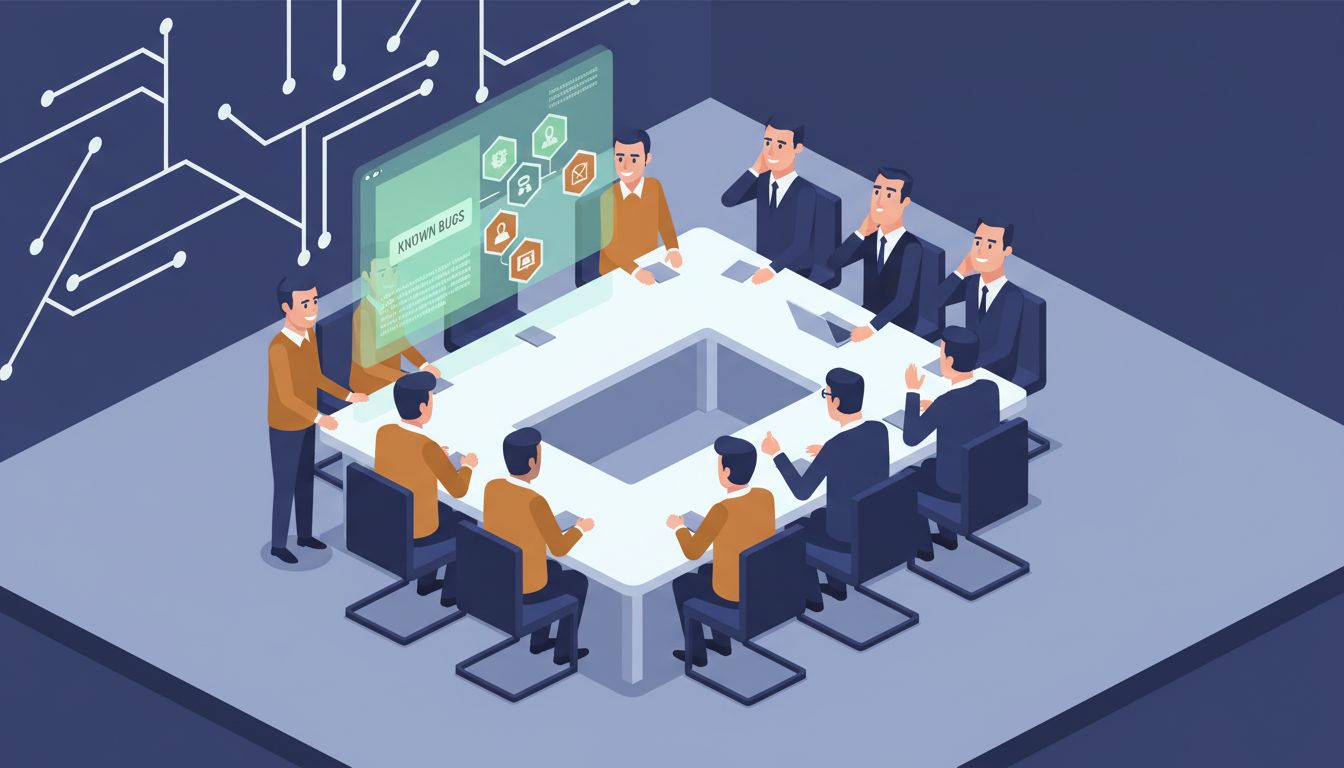
That crash you just experienced wasn't an accident. Here's the deliberate strategy behind why software ships broken — and what it means for you.
Adding more data to an AI model should make it smarter. Sometimes it makes it dumber. Here's the unintuitive math behind why.
The best version of software you'll ever use is often the one labeled 'not ready yet.' That's not an accident.
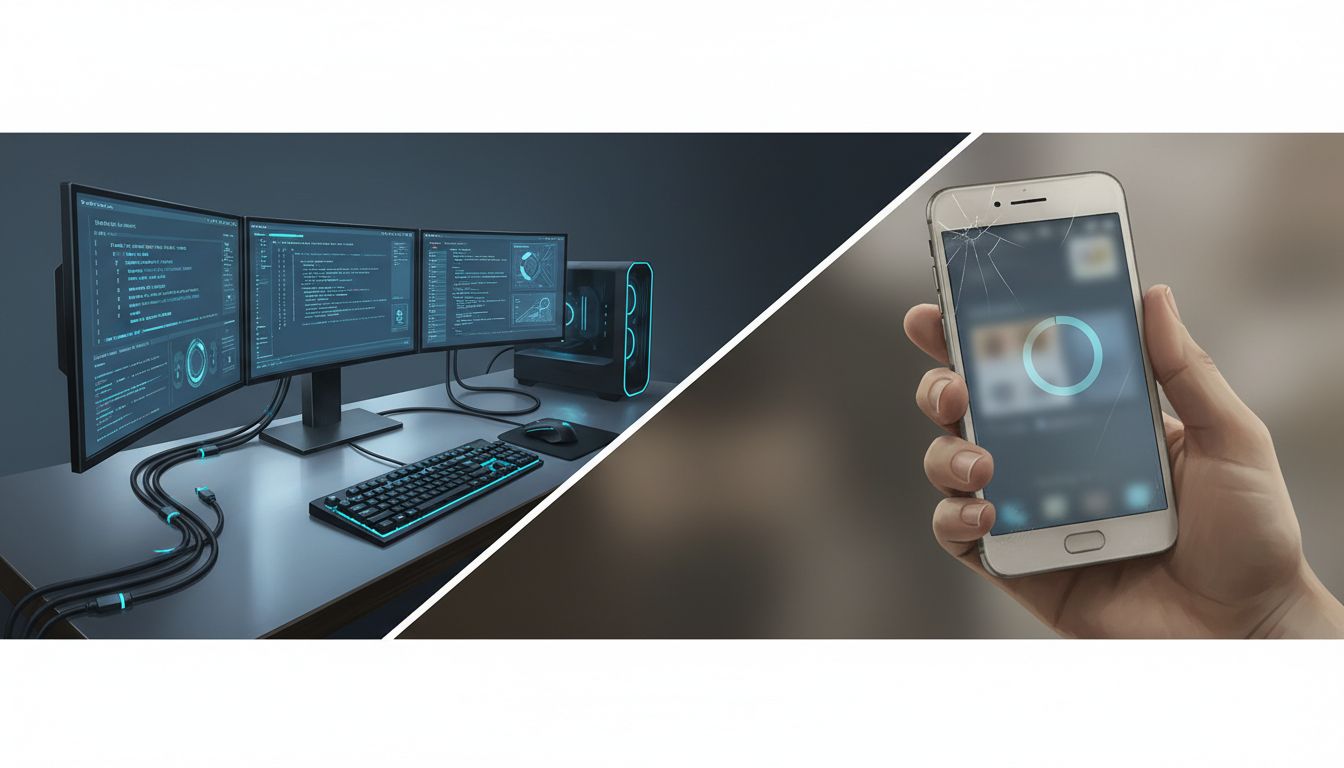
Deliberate obsolescence isn't a side effect of tech progress. It's a core business strategy, and the biggest companies have perfected it.
Join thousands of readers who get our weekly breakdown of the most important stories in technology.
Free forever. Unsubscribe anytime.