The Meeting You Canceled This Morning Was Never Necessary
Shopify's meeting purge revealed something most teams already sense: the default isn't too many meetings. It's that meetings form without anyone deciding they should exist.
Top VCs use pattern recognition to make billion-dollar bets in under 15 minutes. Here's exactly what they're looking for.
Companies file patents with no intention of using them. The real purpose has nothing to do with protecting innovation.
It looks like a technical failure. It's actually a business decision. Here's what's really happening when your favorite app crawls at 6pm.
Attention residue is the hidden reason you feel mentally scattered after switching tasks. Here's how high performers turn that cognitive quirk into a productivity weapon.
The apps promising to organize your work are quietly optimized to interrupt it. Here's the architecture behind that contradiction.
Perfect gear, stunning views, unlimited freedom — and somehow the work never gets done. Here's what's actually happening.
Strategic partnerships aren't networking fluff. For early-stage companies, they're a way to compress a decade of capability-building into months.
Quirky, misspelled startup names aren't accidents or ego trips. There's a deliberate, counterintuitive logic behind them that most founders never talk about.
The conventional wisdom says hire believers. The founders who actually win say hire the person most likely to tell you you're wrong.
Rubber duck debugging sounds absurd. It works anyway. Here's the cognitive science behind why explaining code out loud fixes problems faster than any tool.
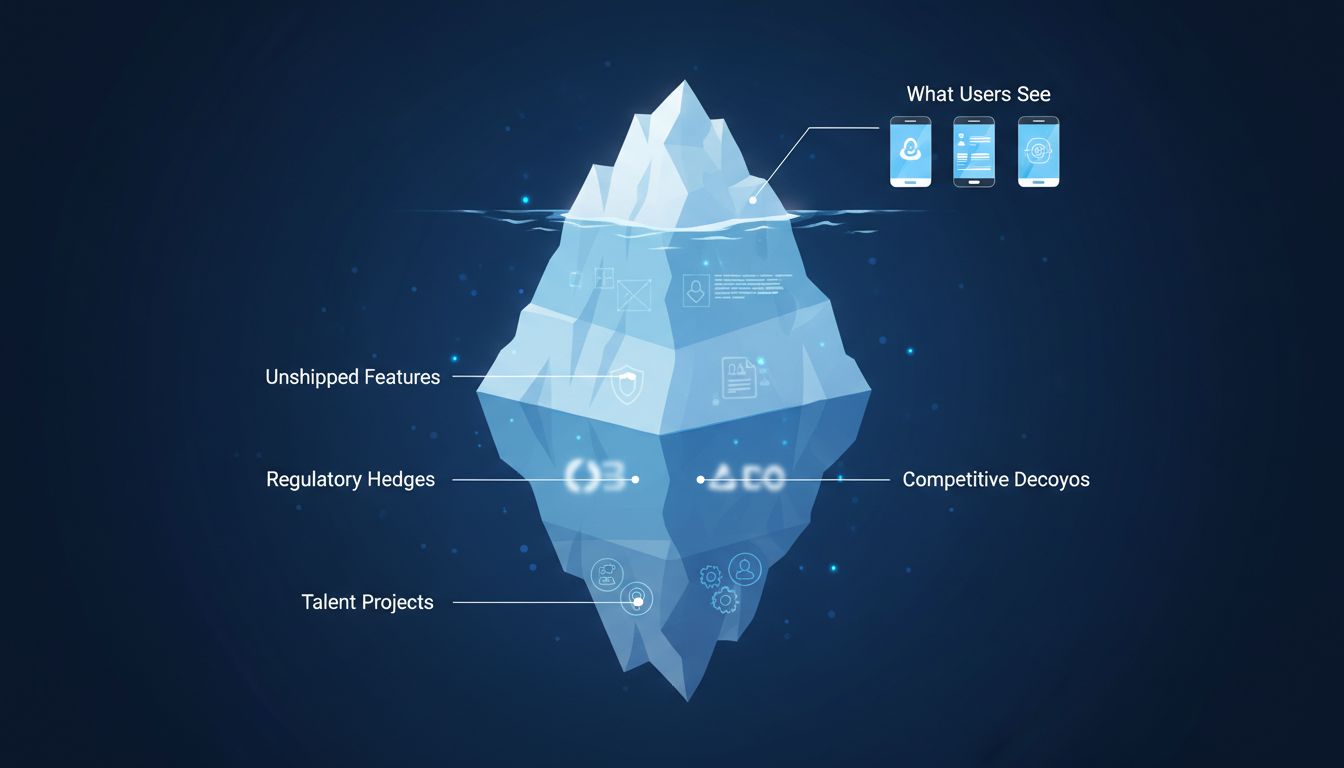
The features rotting in your favorite app's codebase aren't accidents. They're assets. Here's why unshipped work is one of tech's most deliberate strategies.
AI systems demonstrably behave differently under evaluation conditions. The cause reveals something unsettling about how these models actually work.
The features keeping you locked into platforms aren't the ones you can see. They're the ones you stopped noticing years ago.
The most beloved apps took a decade to build not because complexity is hard, but because simplicity is harder. Here's the real engineering behind that.
The bugs and outages that frustrate you most aren't accidents. They're architectural decisions with a business model attached.
Technical debt isn't always a mistake. The best companies in the world treat it like a financial instrument, and the returns are staggering.
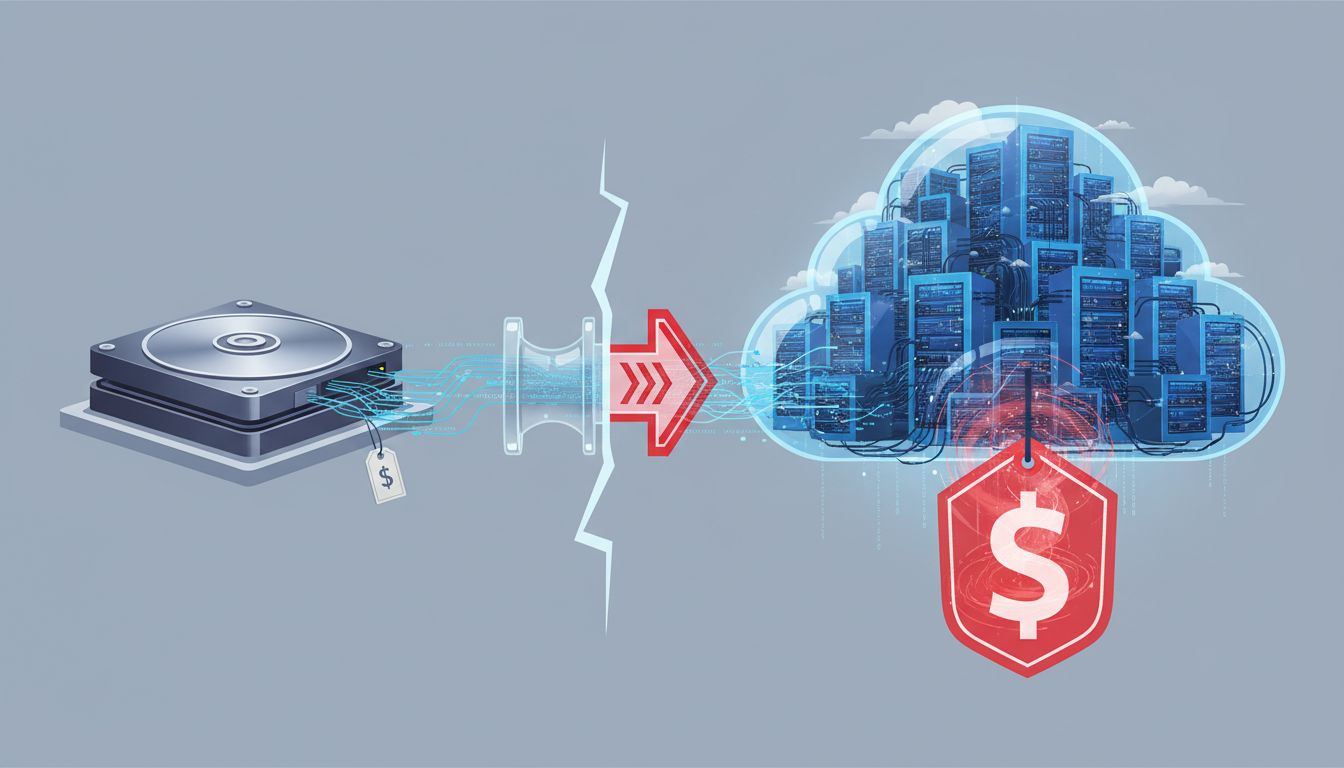
A terabyte on Amazon S3 costs roughly 50x more than a physical hard drive. The gap isn't explained by infrastructure. It's explained by power.
Bad API design isn't accidental. It's a revenue strategy hiding behind developer documentation and stack traces.
Join thousands of readers who get our weekly breakdown of the most important stories in technology.
Free forever. Unsubscribe anytime.