
Digital Productivity
The Best Notification Strategy Is Mostly Subtraction
Every notification you receive has already cost you something, whether you act on it or not. Here's how to think about that cost systematically.
Tools, workflows, and strategies for getting more done with technology.
Every notification you receive has already cost you something, whether you act on it or not. Here's how to think about that cost systematically.
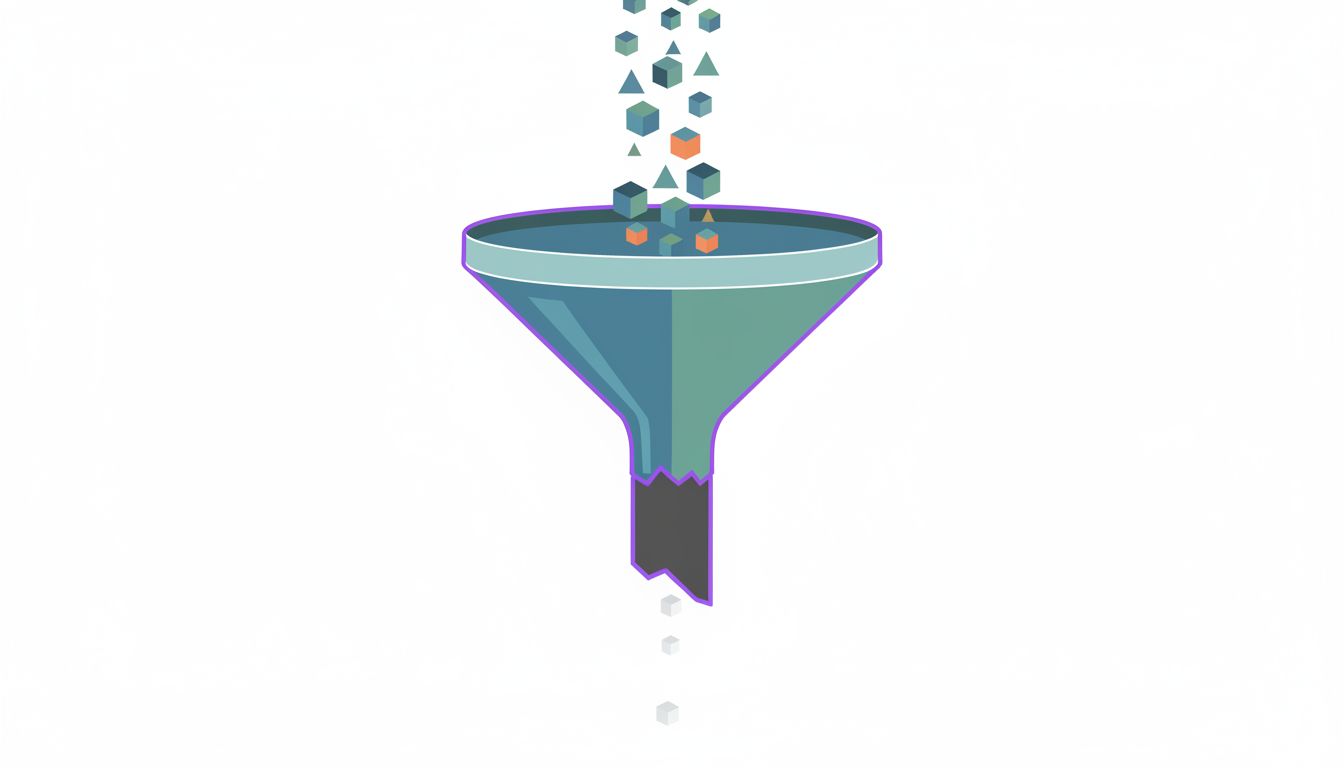
The friction in your productivity system is asymmetric. Adding takes one second. Finishing takes everything else.
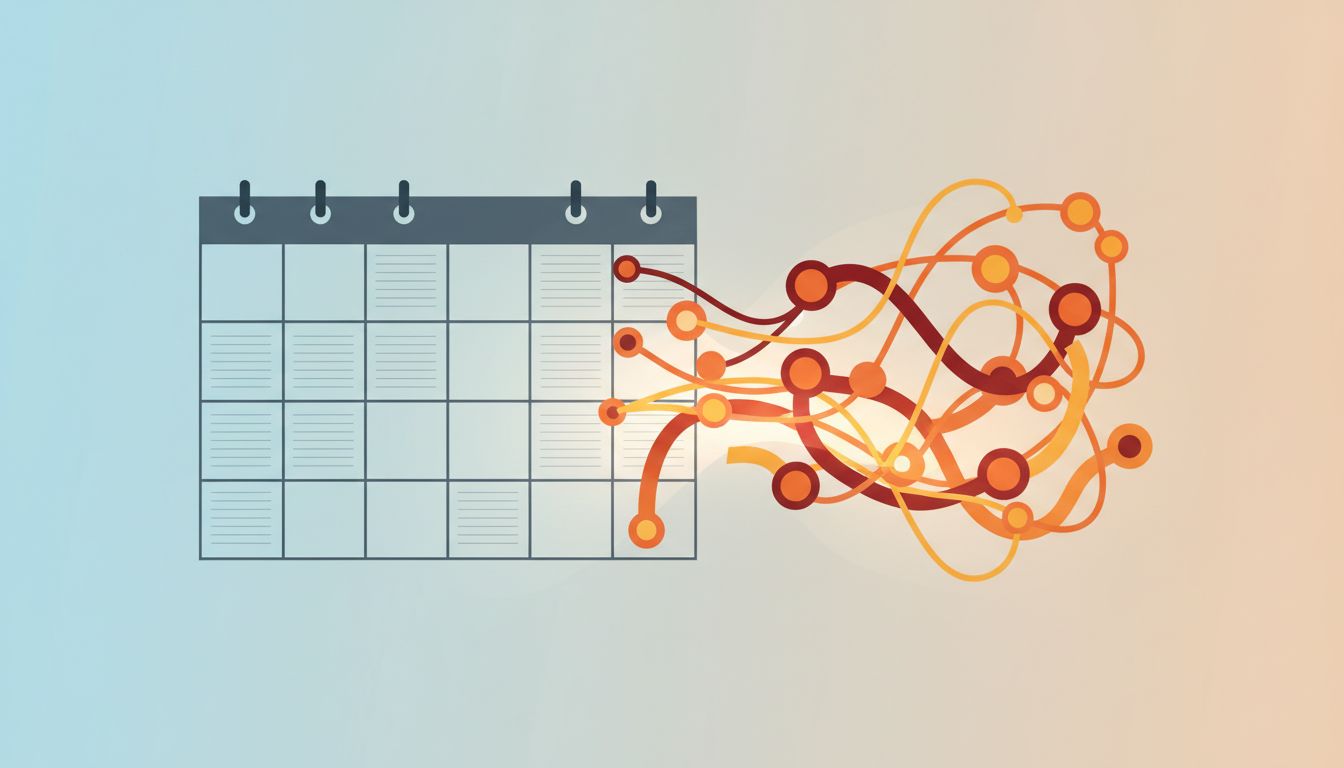
The most productive conversations at work don't appear on any calendar. Here's what that means for how you structure your day.

The productivity cost of context switching isn't measured in minutes. It's measured in the quality of thought you never get to finish.
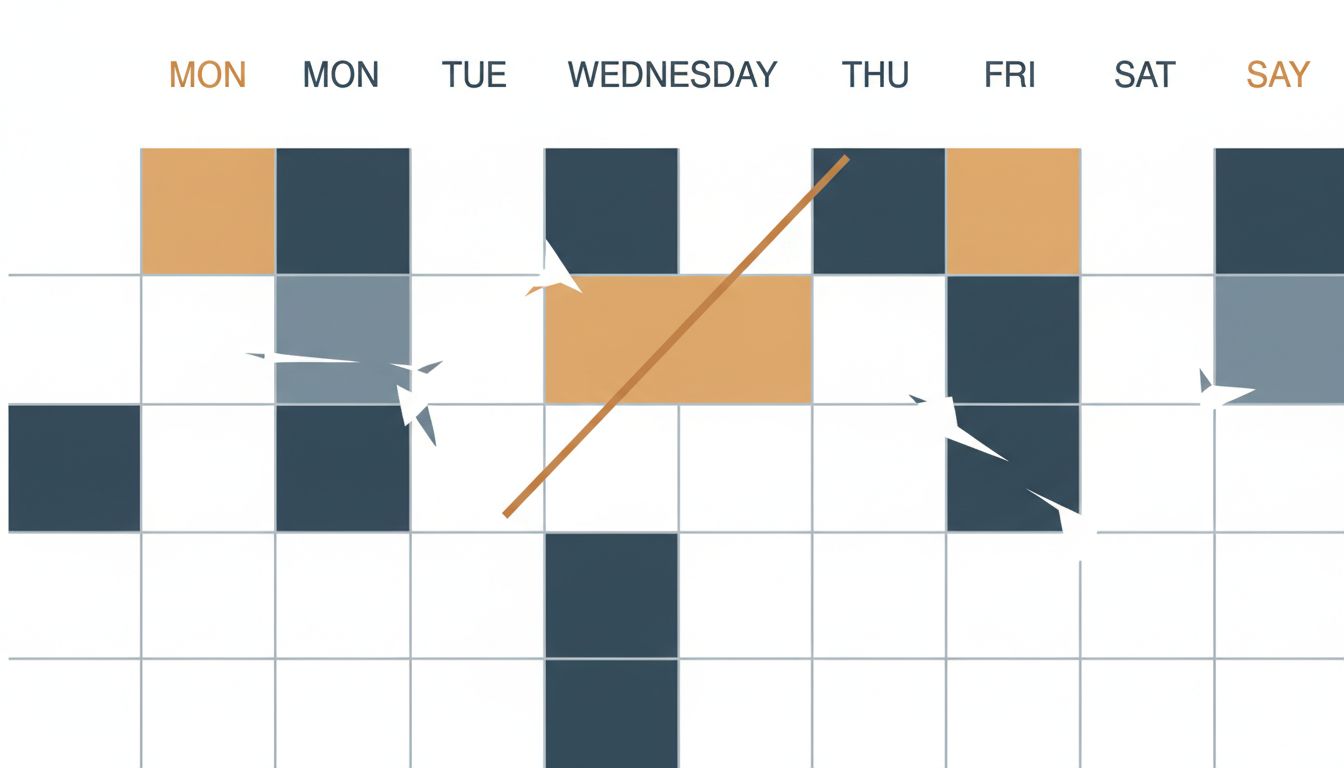
Canceling a meeting isn't avoidance. Sometimes it's the most productive decision in your calendar. Here's why, item by item.
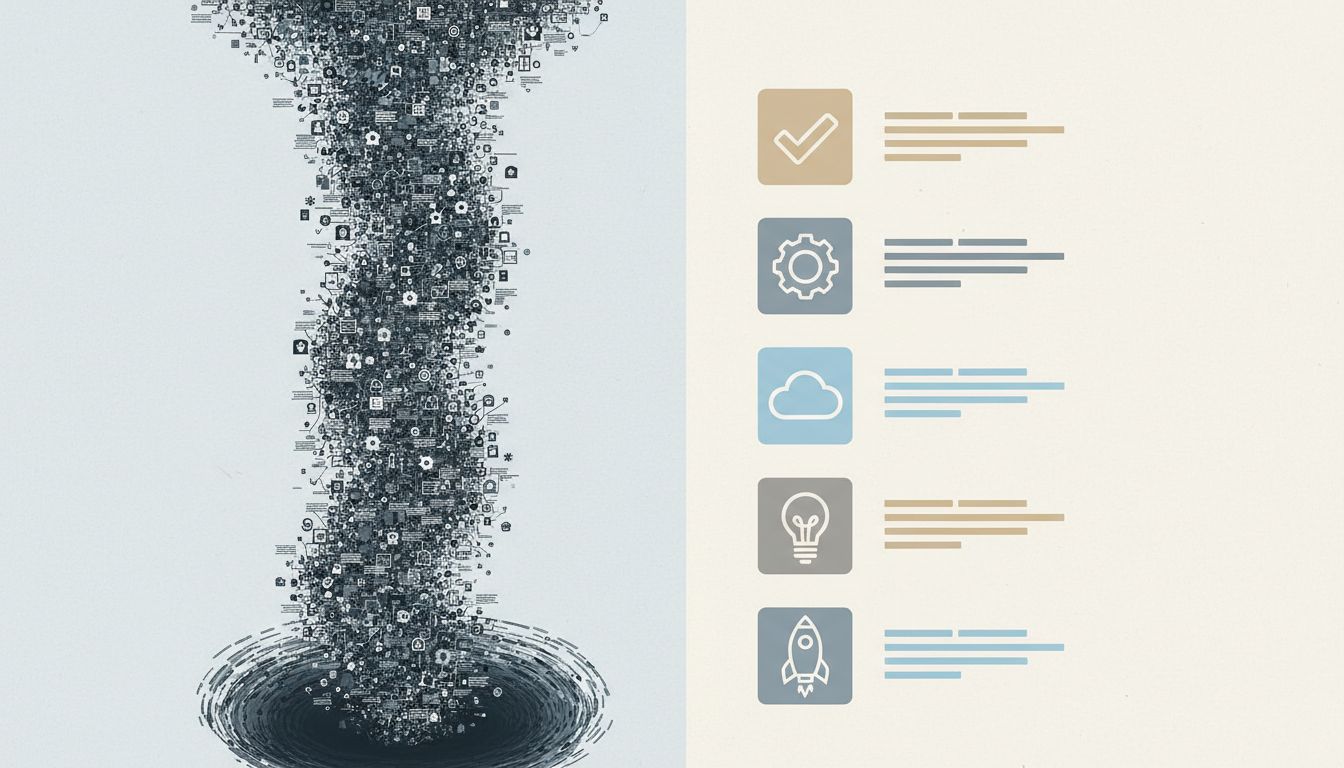
Every popular to-do system is optimized for capture. Almost none are optimized for completion. Here's what that costs you.

A stubborn architectural problem at a software consultancy got solved not in a sprint, but in the shower. Here's why that keeps happening and what to do about it.
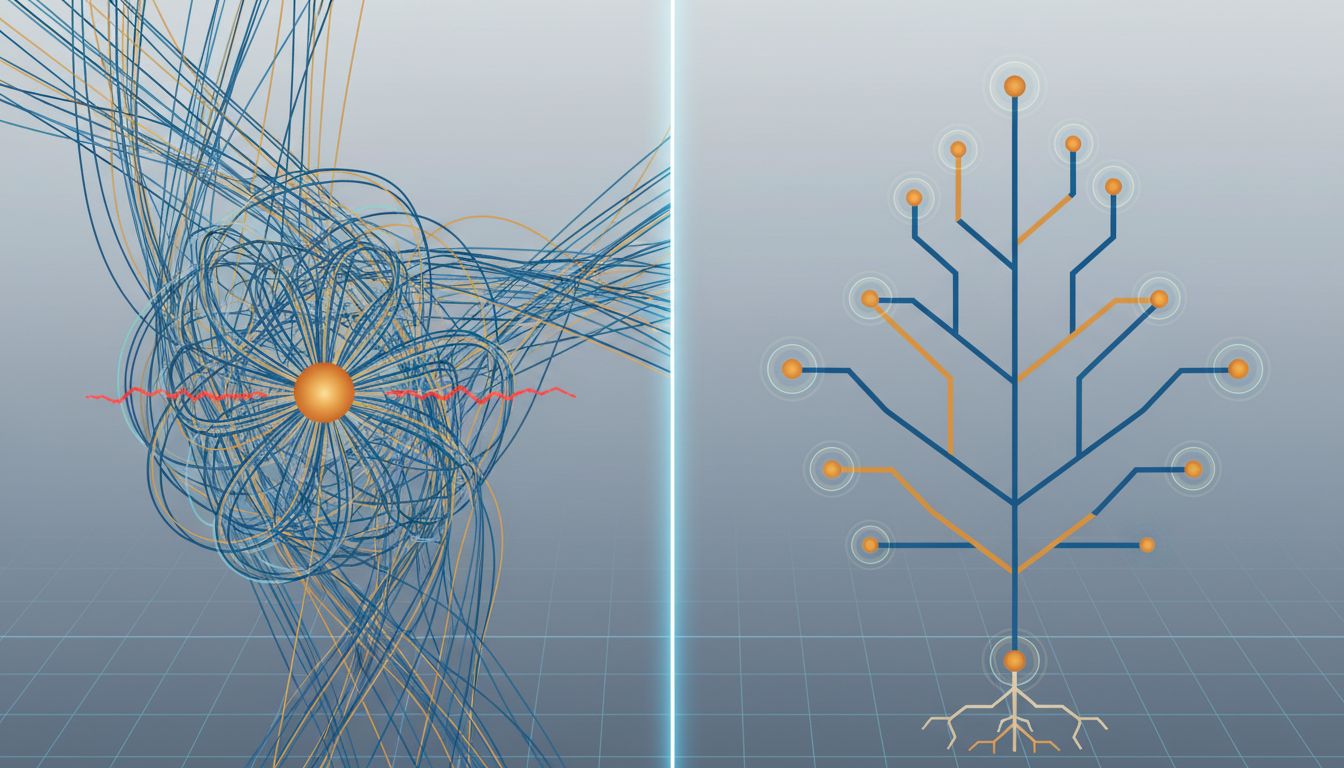
A software team's experiment with async-first communication revealed something counterintuitive: removing synchronous time didn't slow decisions. It accelerated them.
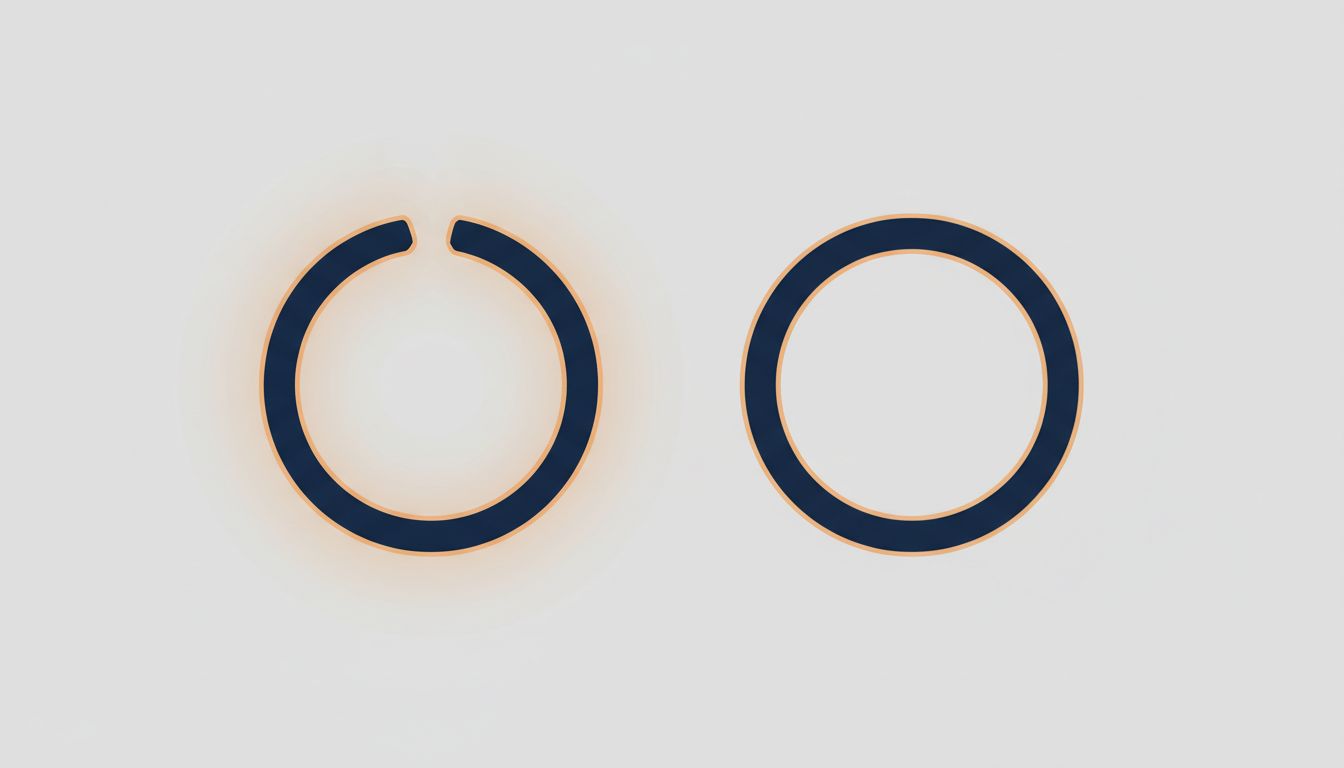
You completed the work. But until you formally close the task, your brain hasn't. That gap is costing you more than you think.
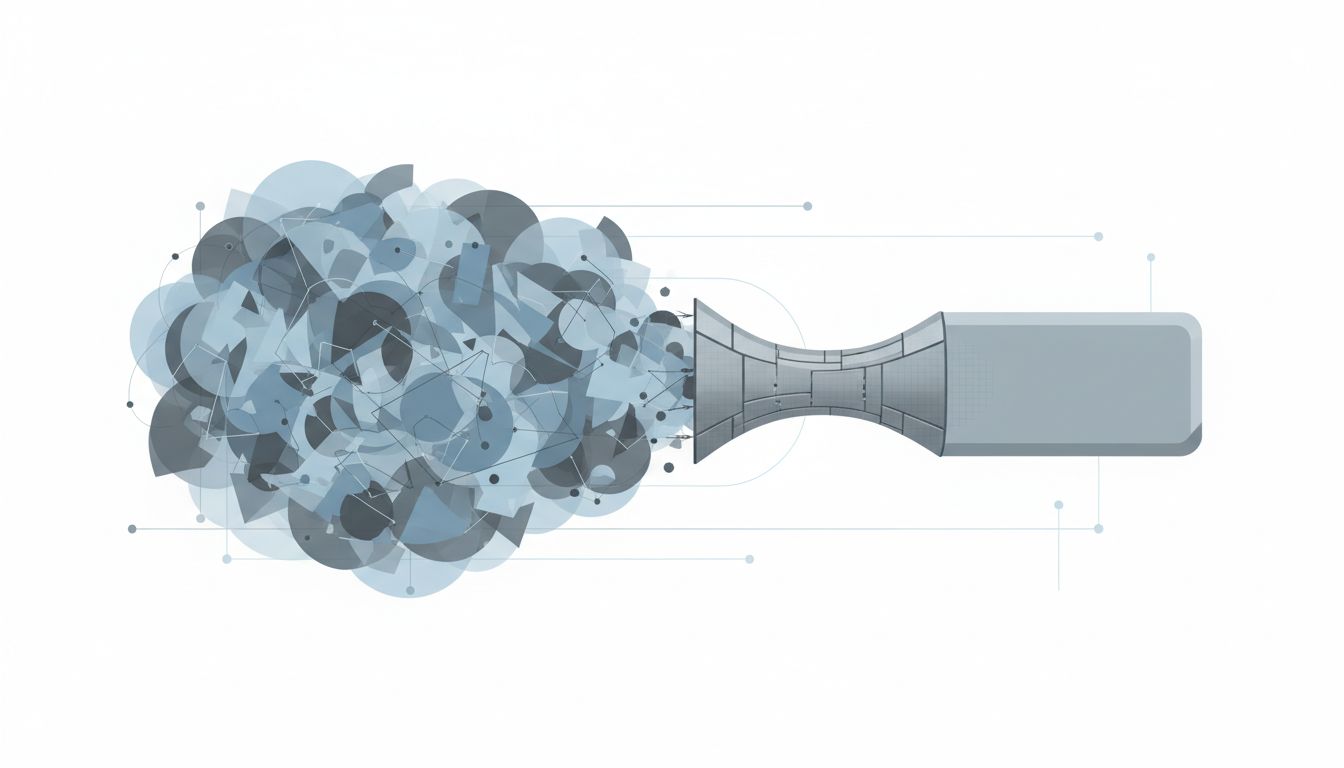
Autocomplete doesn't just finish your sentences. It nudges you toward the most statistically average version of what you were about to say, and you rarely notice.
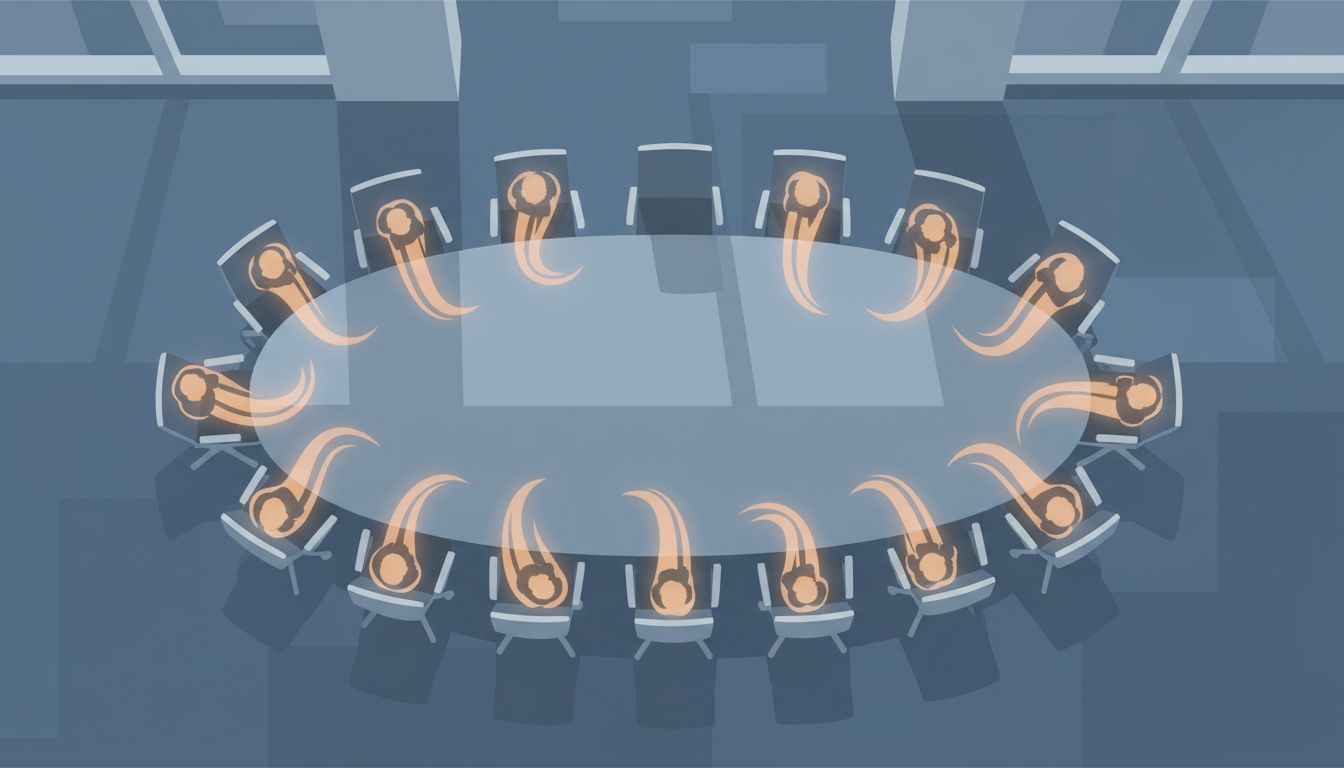
Your presence in meetings isn't neutral. It changes what gets said, who speaks, and what gets decided. Sometimes the best thing you can do is stay out.
Starting a project feels good because your brain rewards the plan, not the work. Here's what that means for how you should be planning.
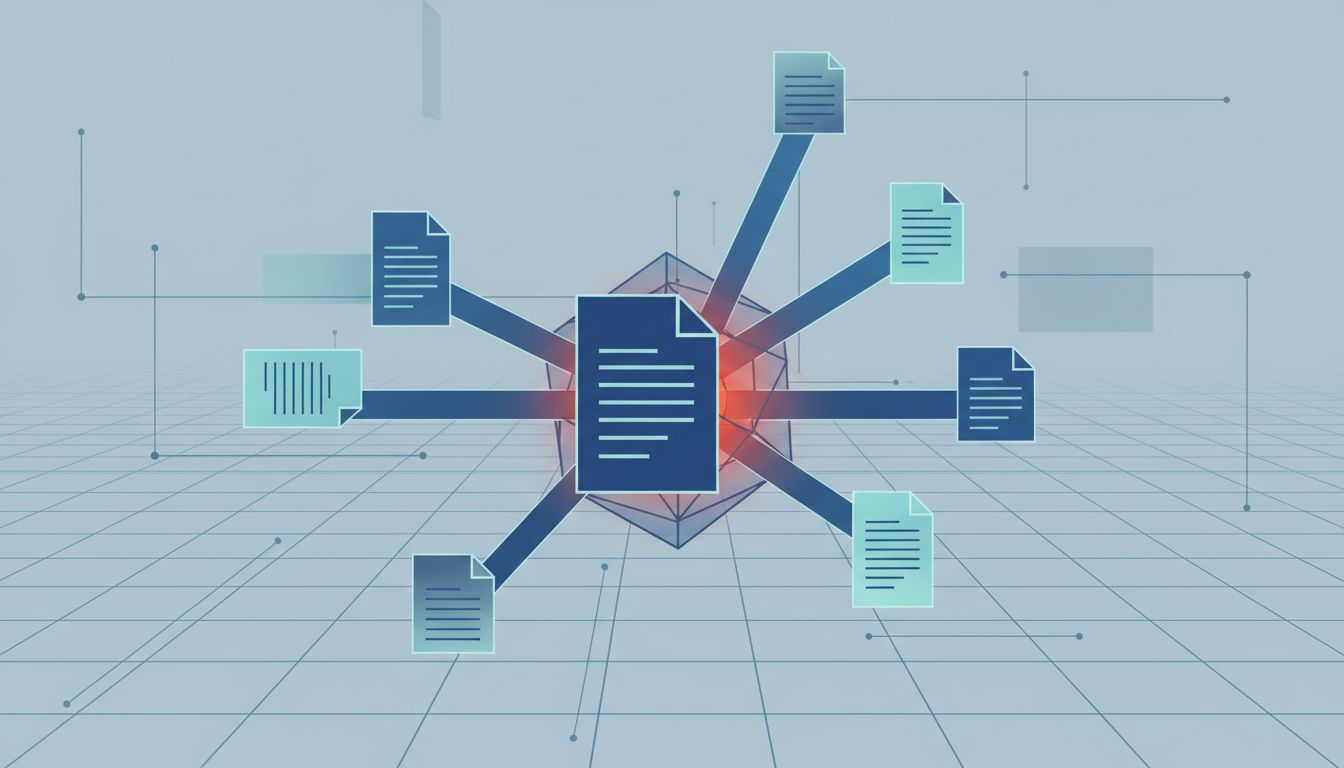
Every shared document exists in at least two states: what you sent and what each recipient actually sees. The gap between them is where communication breaks down.
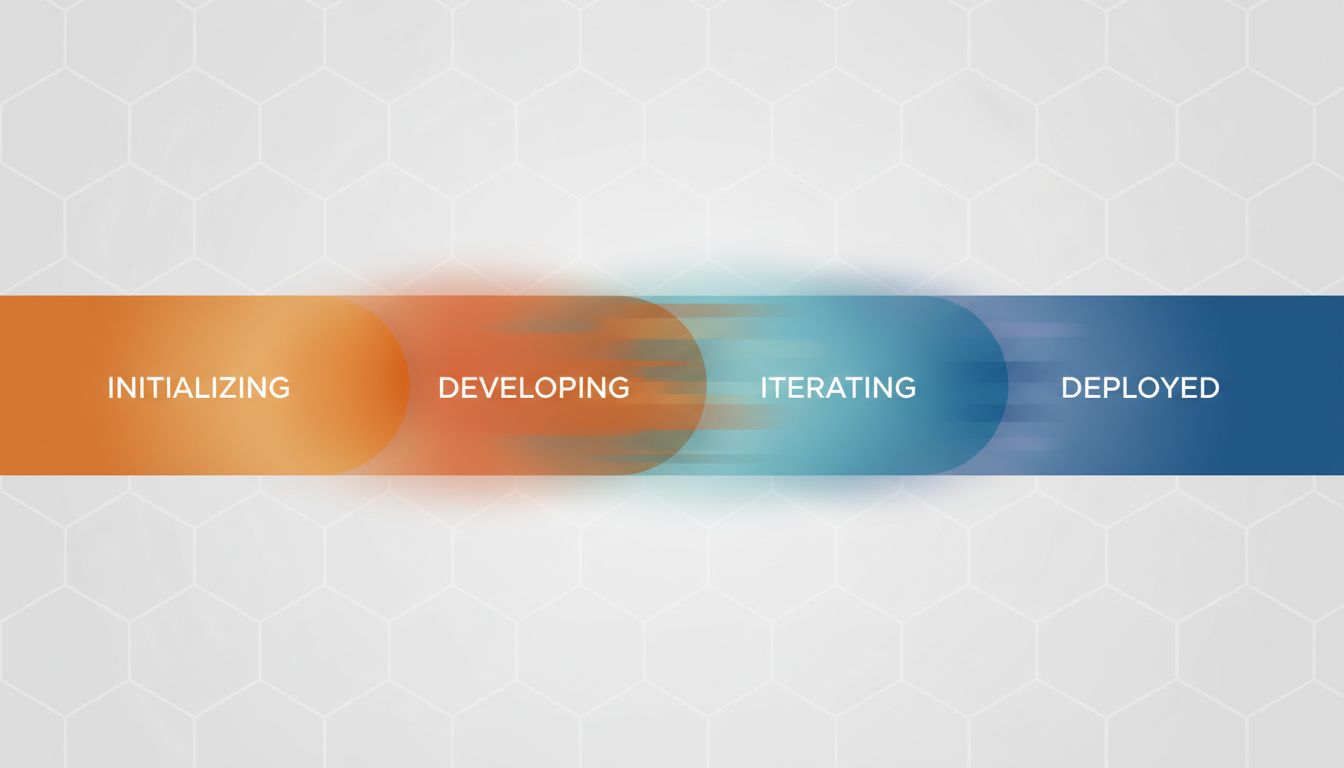
Every team thinks they agree on what 'done' means. They don't. Here's where the definition quietly falls apart.
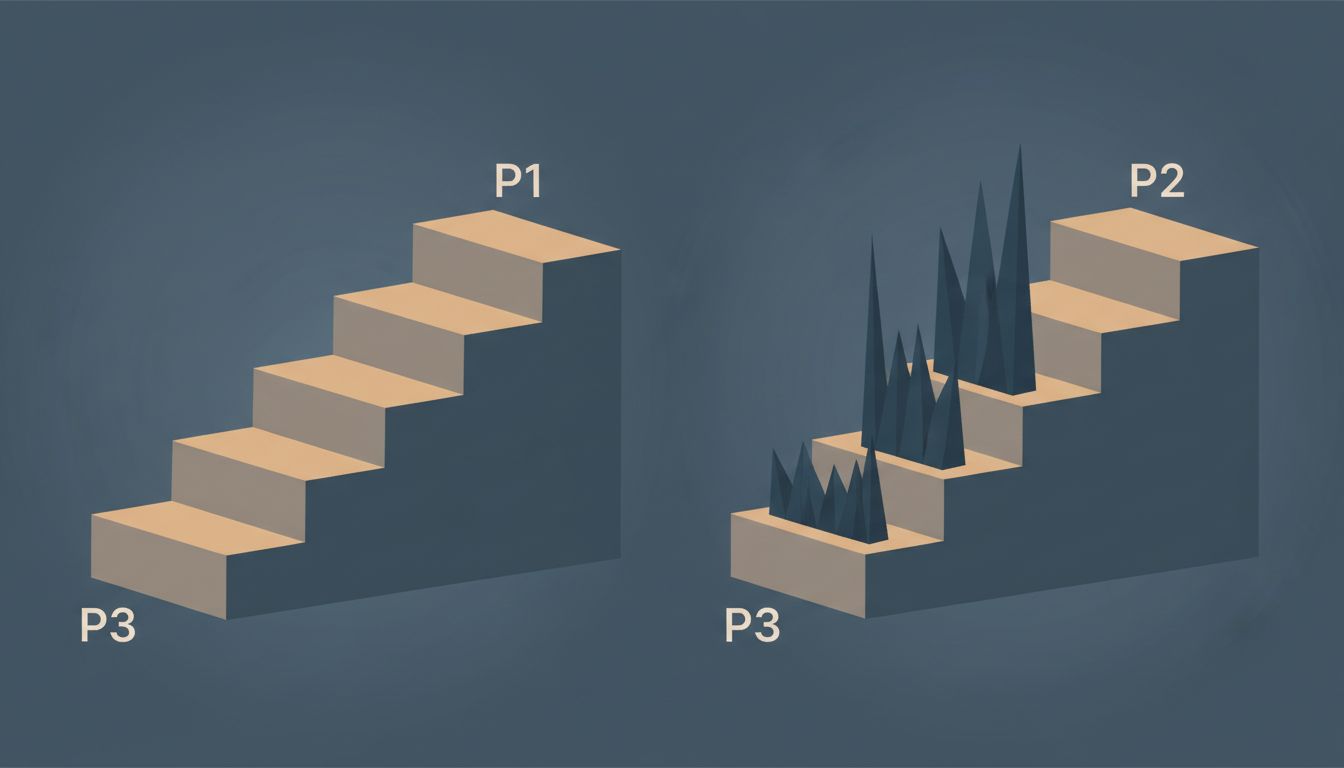
Priority-based task lists feel logical but consistently fail in practice. The sorting dimension you're missing isn't urgency or importance. It's activation energy.

Dismissing a notification doesn't clear it from your head. Here's the cognitive science of why, and what to actually do about it.
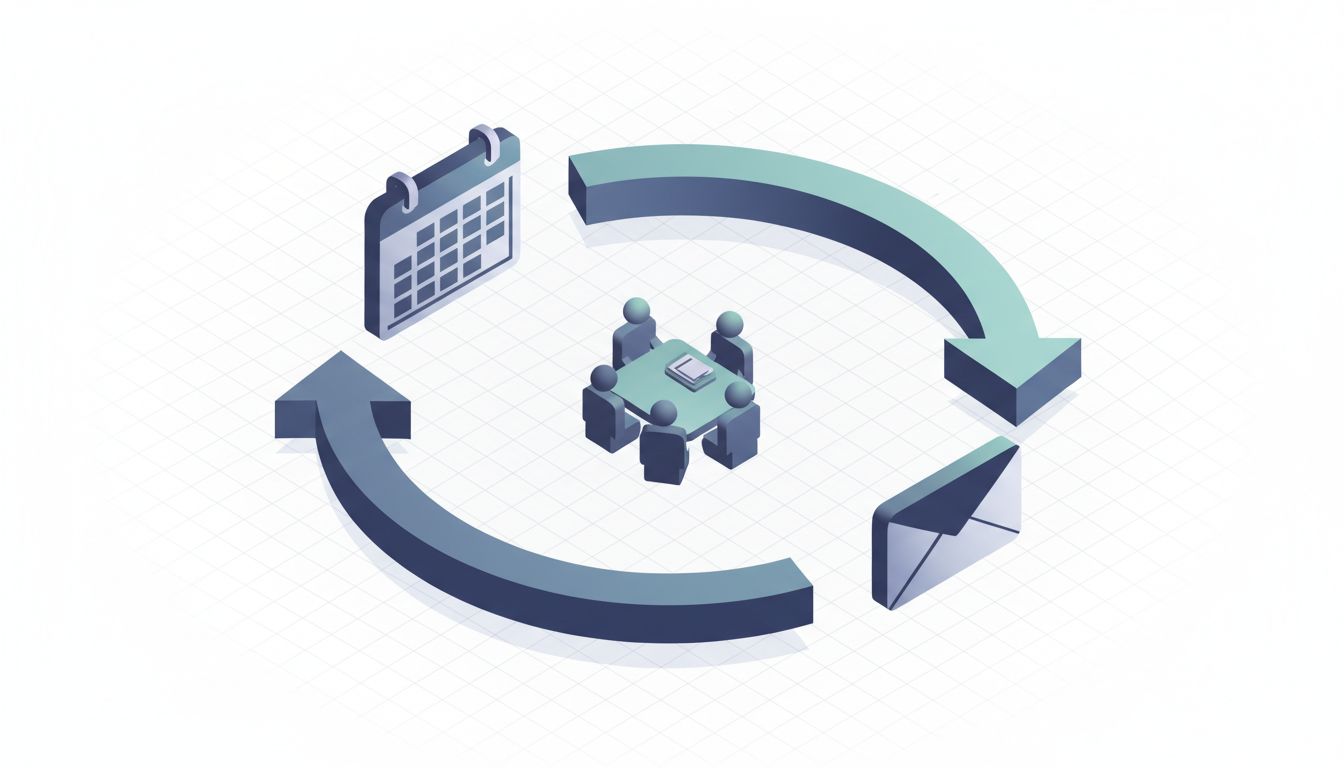
We replaced email threads with meetings, then replaced meeting outcomes with email threads. The loop isn't a bug. It's what happens when we optimize for the feeling of communicating rather than the act of deciding.
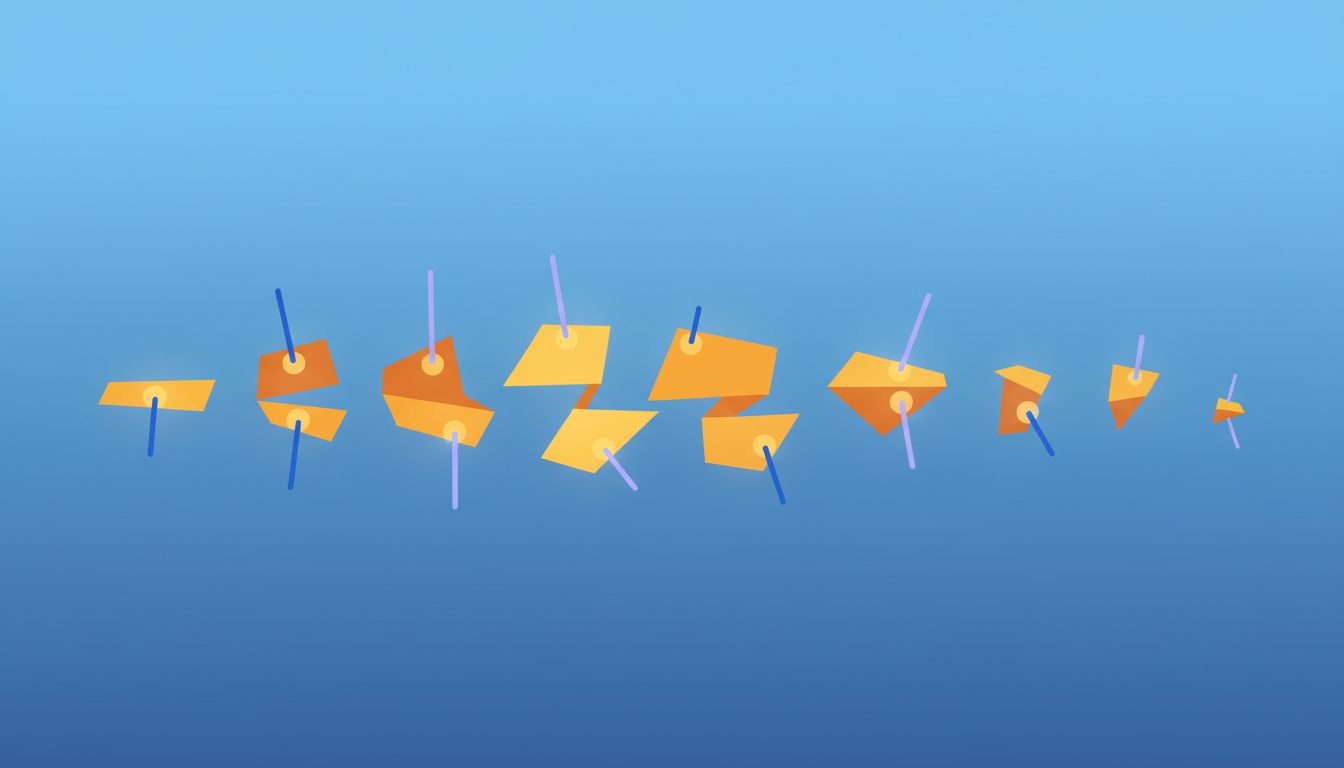
Interruptions don't end when you dismiss them. The cognitive residue lingers for hours, and most productivity advice misses why.
Join thousands of readers who get our weekly breakdown of the most important stories in technology.
Free forever. Unsubscribe anytime.