Digital Productivity
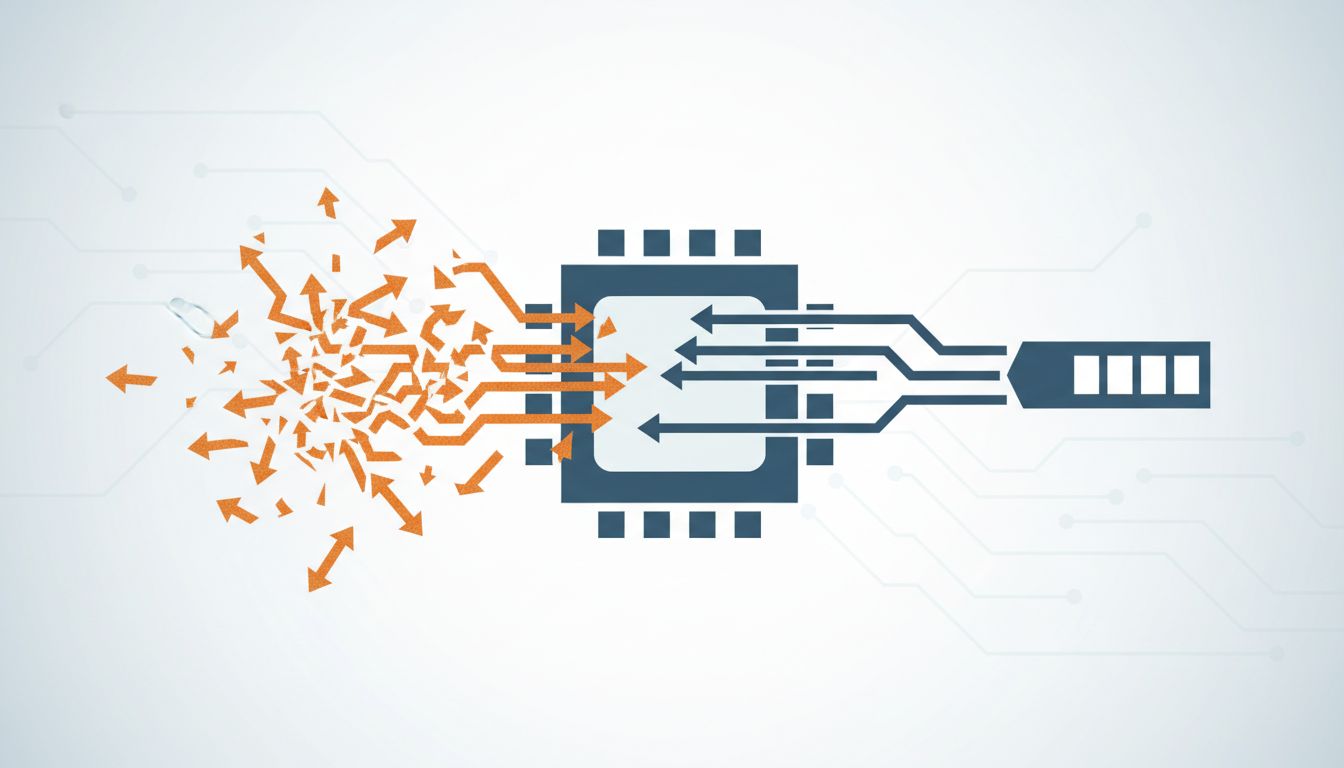
Focused People Have Terrible Notification Settings
The most productive people you know aren't disciplined despite their chaotic notification setup. Their settings are the discipline.
Tools, workflows, and strategies for getting more done with technology.
The most productive people you know aren't disciplined despite their chaotic notification setup. Their settings are the discipline.
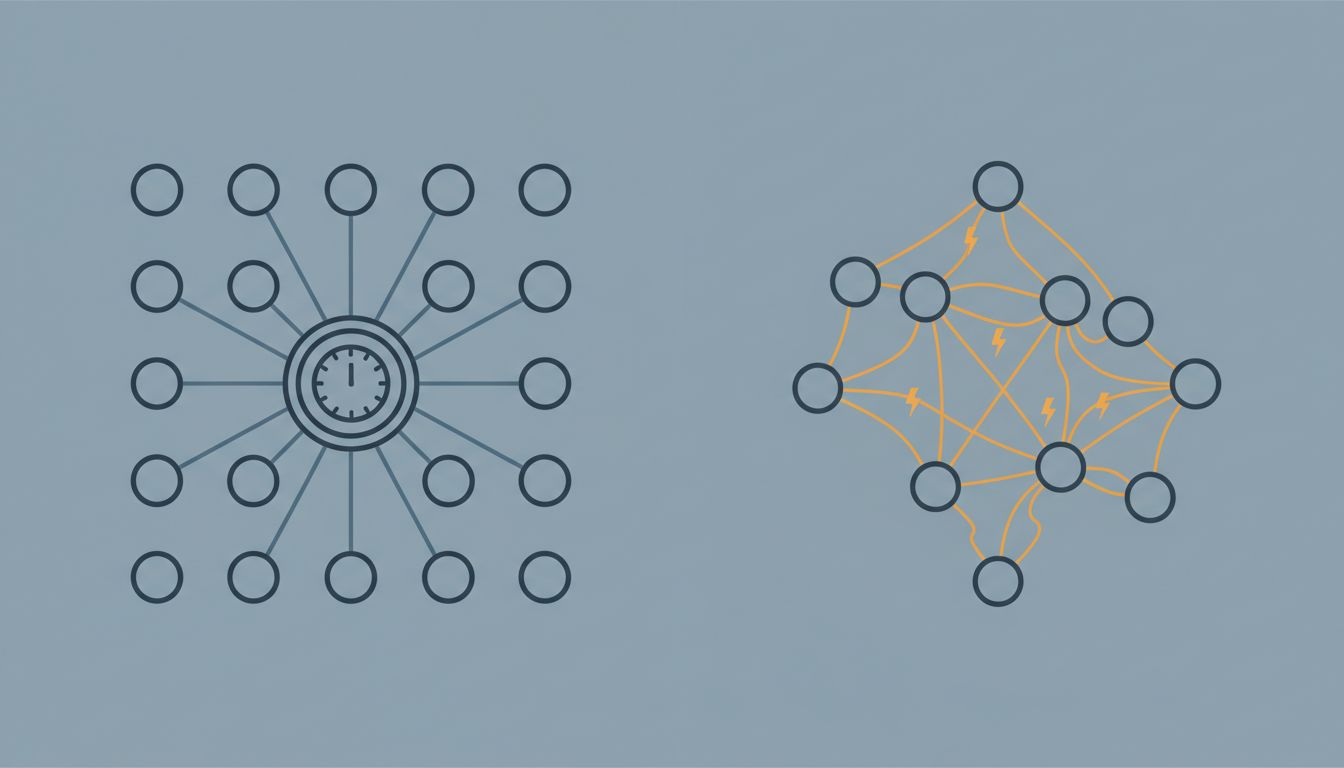
When you cancel a meeting, you force the work to happen differently. That different way is often better. Here's why, and what to do about it.
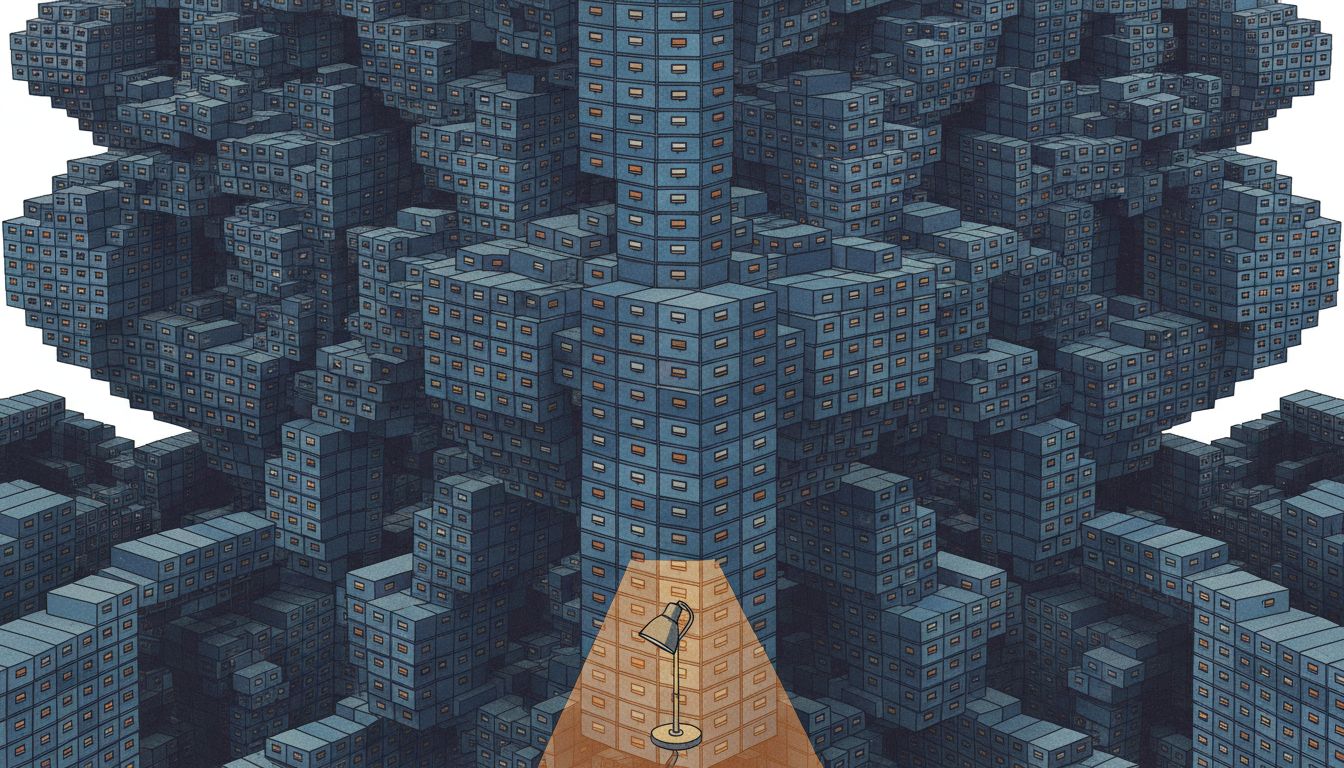
The productivity system that promised to capture everything you know mostly captures everything you'll never revisit. Here's why, and what to do instead.
Most meetings exist to transfer information, not make decisions. That's a document's job, and documents do it better.
A software team's calendar audit revealed they had scheduled their best thinking hours out of existence. Here's what they found and what they changed.
You did the work. But if you never formally closed the task, your brain didn't get the memo. Here's why that gap is draining your focus.
Scheduling a meeting feels like progress. Often it's the opposite. Here's the cognitive mechanism behind decision-avoidance meetings and how to stop running them.

You're not bad at deep work. You've just handed your best cognitive hours to a calendar that doesn't know the difference between thinking and talking.
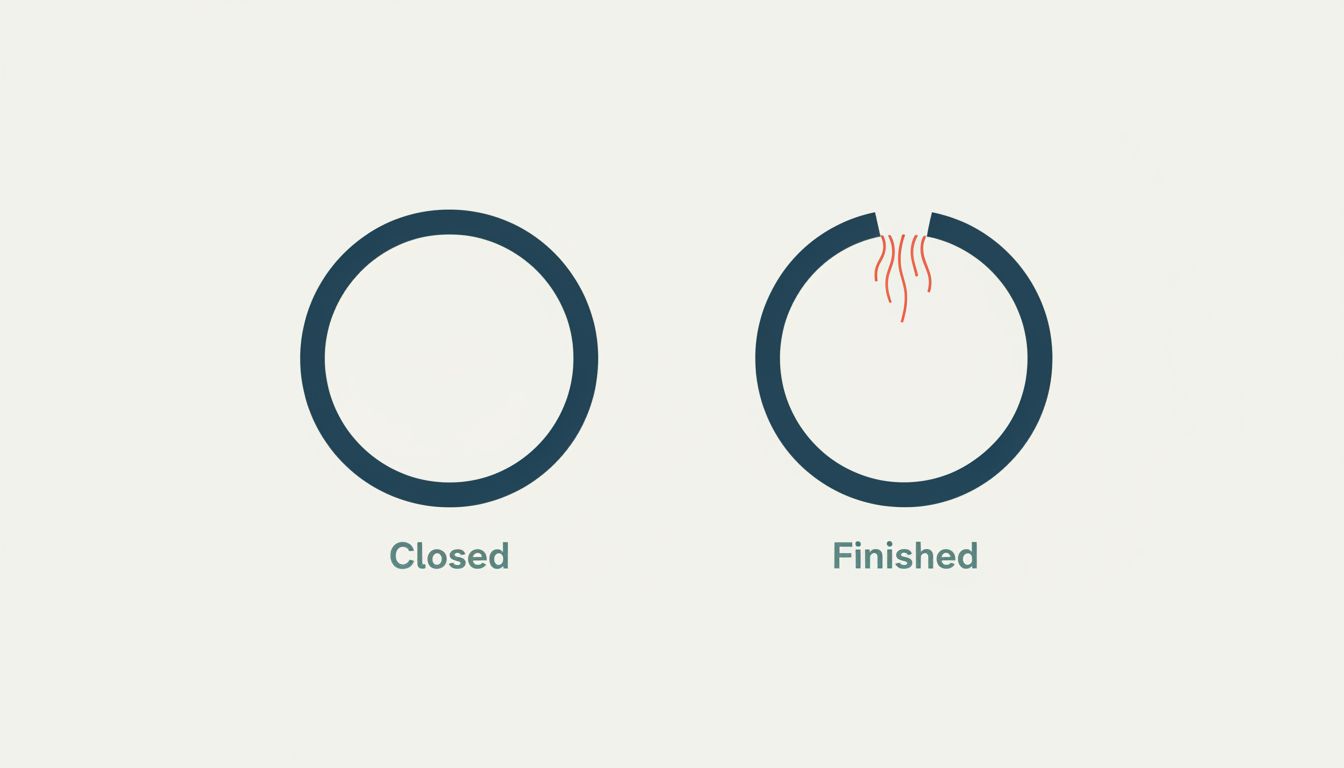
A software team's near-miss with a half-closed ticket system reveals why marking work 'done' and actually ending it are two very different things.
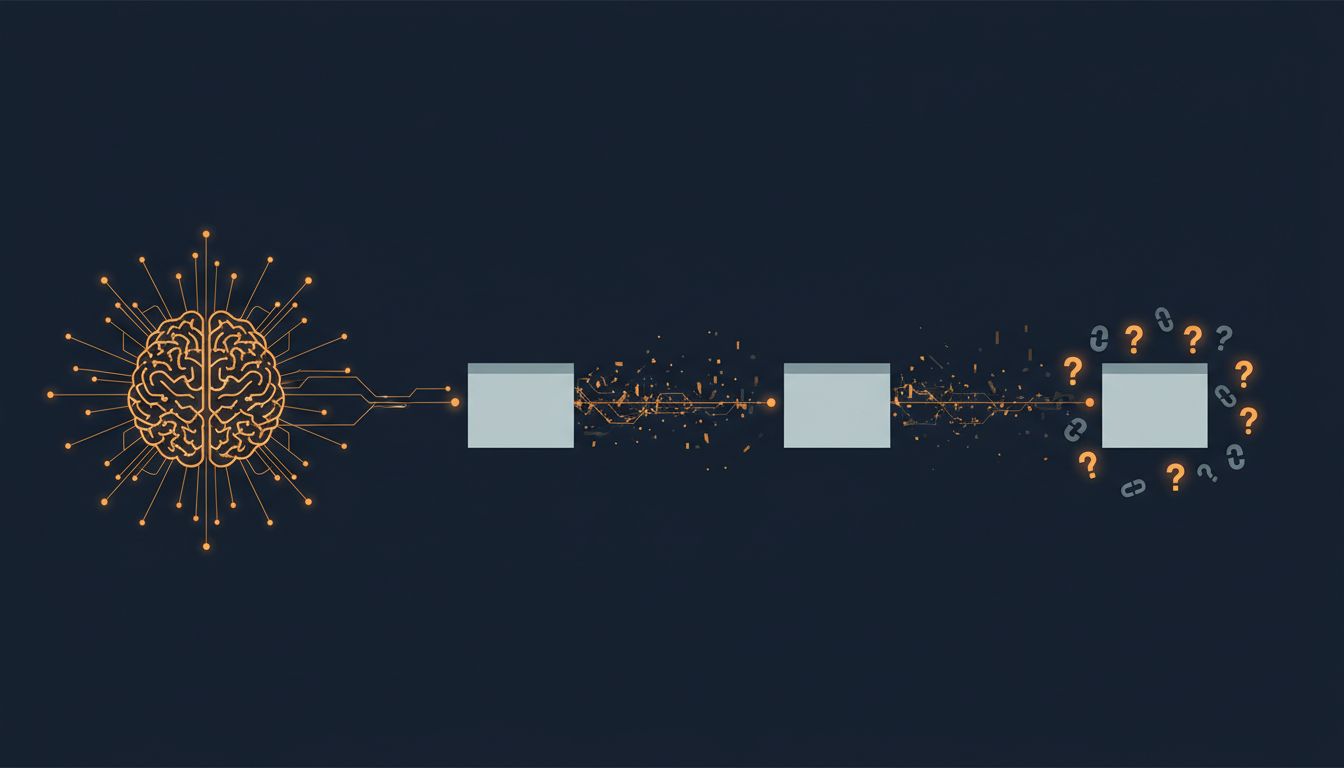
You wrote detailed notes for future-you. Future-you has no idea what they mean. This isn't a tool problem. It's a documentation design problem.
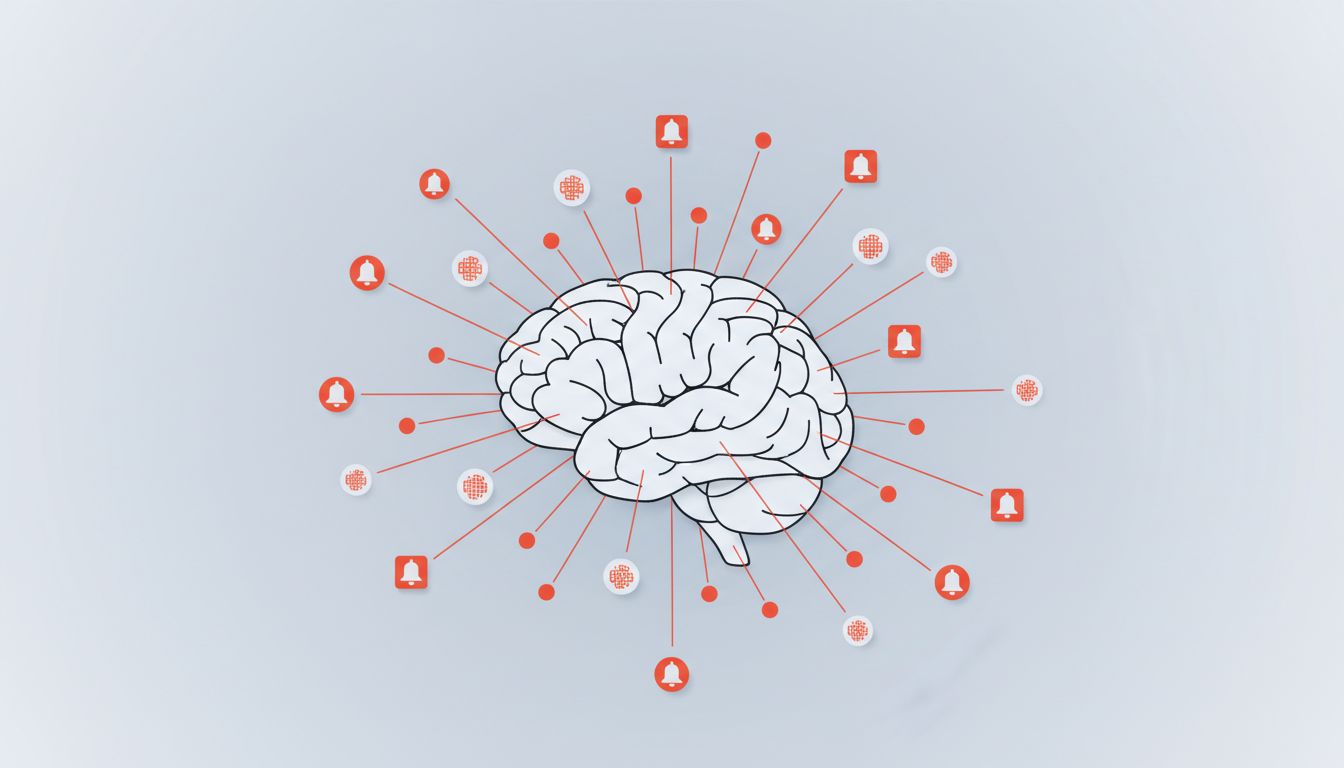
The problem isn't that notifications exist. It's that most people have never thought carefully about how they're configured, and the cognitive cost compounds quietly.
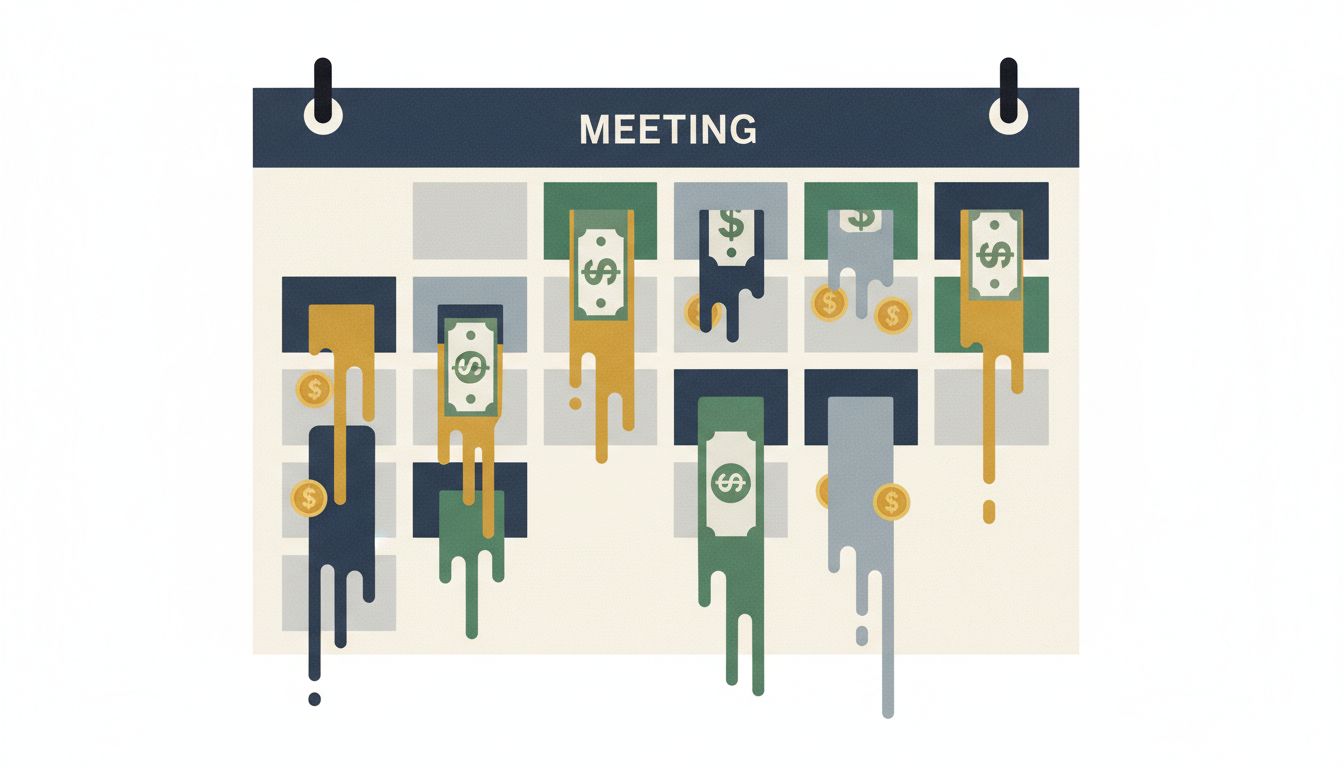
A software team tracked the true cost of their weekly sync and found the math brutal. Here's what they learned about meeting overhead that nobody calculates.
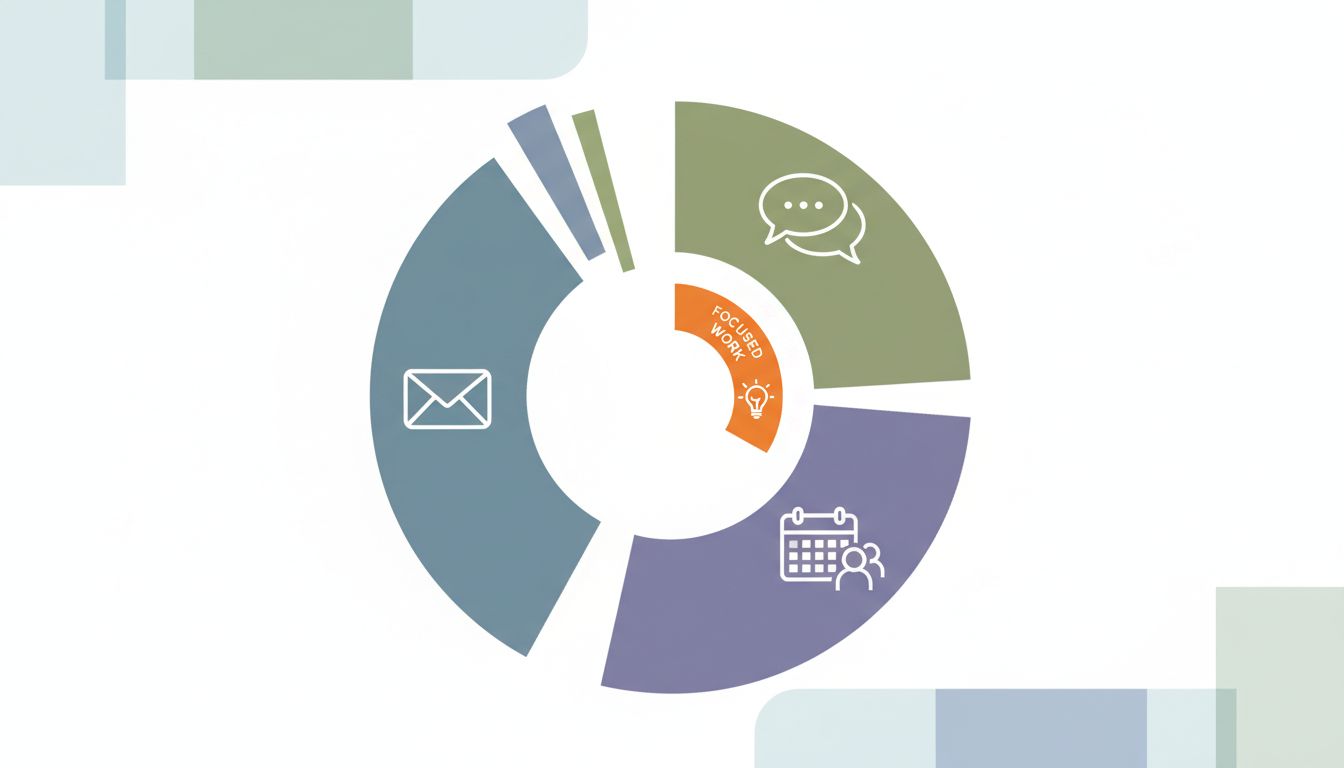
The research on how we really spend our workdays is uncomfortable. Understanding the gap between perceived and actual productive time is the first step to closing it.
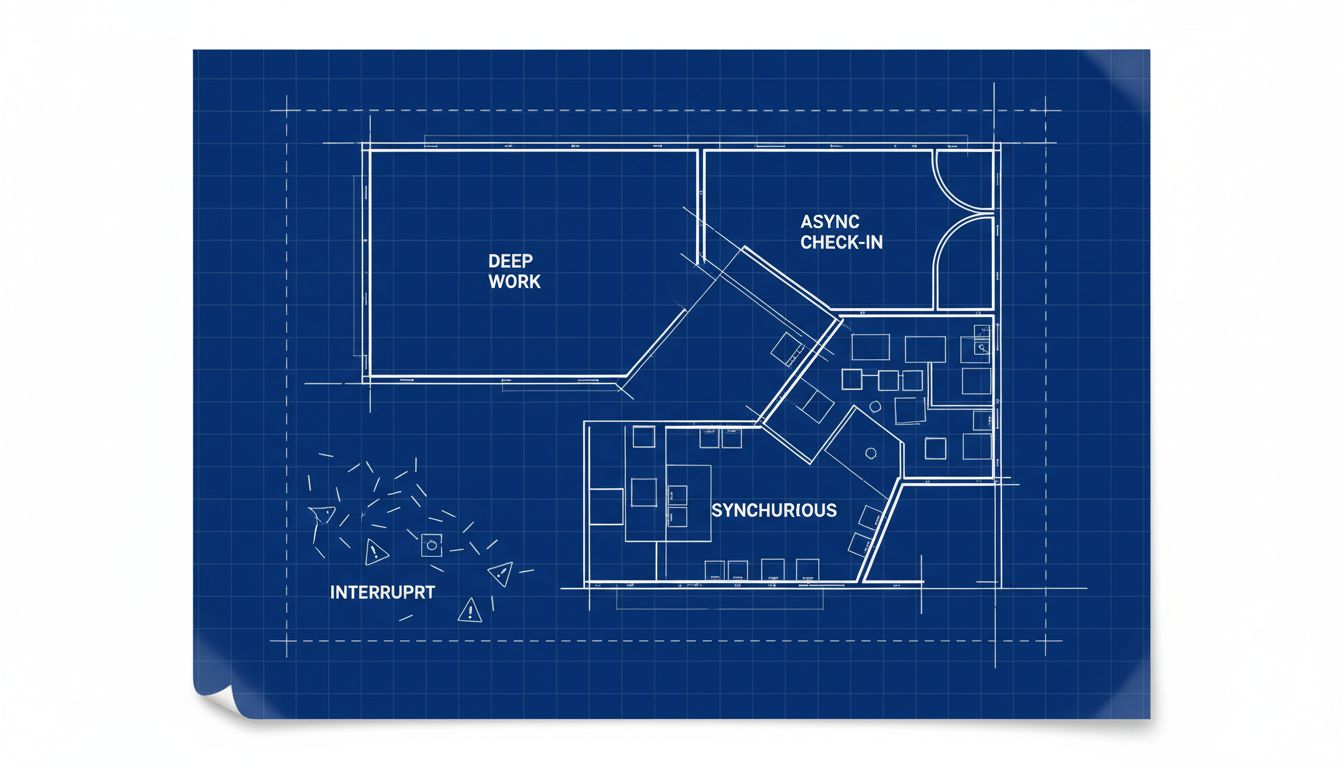
Blaming notifications for your distraction problem is like blaming your inbox for your email problem. The architecture underneath is what's broken.

Your brain keeps processing an interruption long after you dismiss it. Here's what that costs you and how to design your day around it.
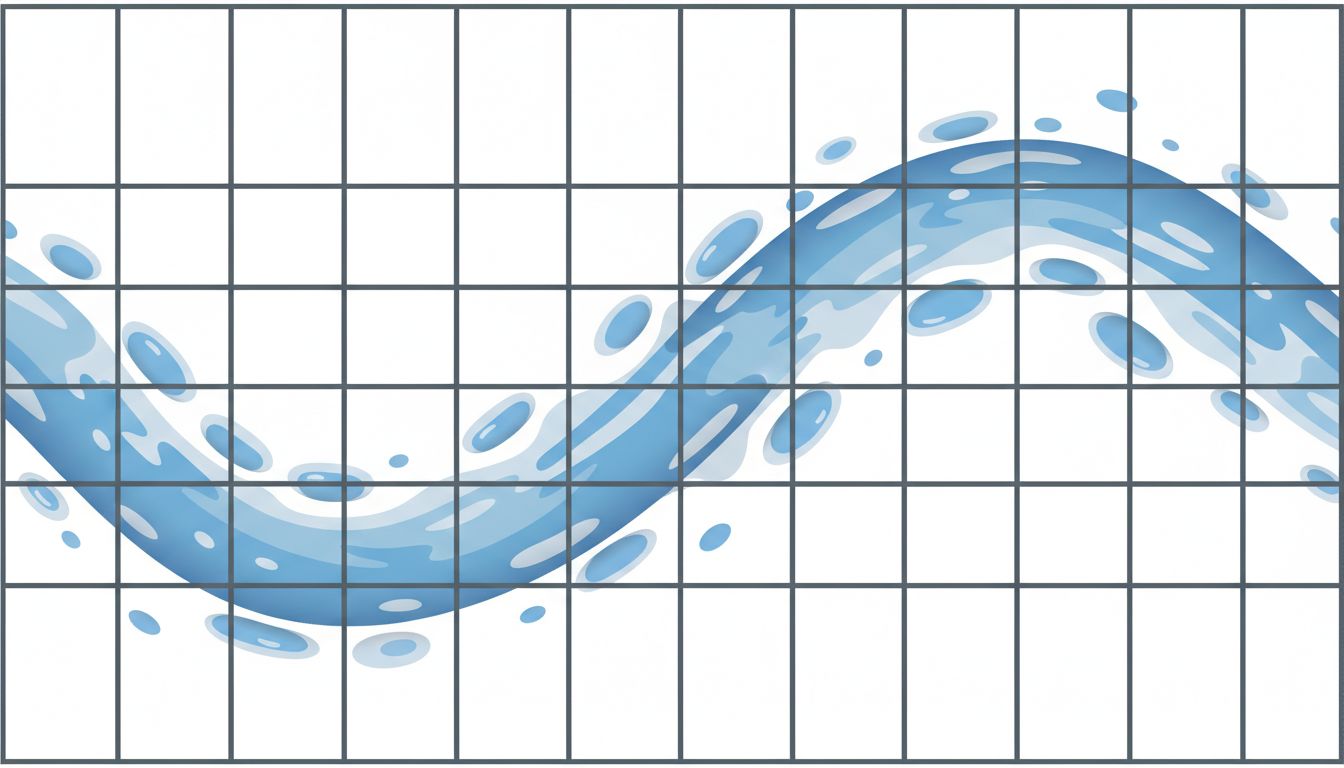
Time blocking feels productive. But for deep, creative work, it often destroys the conditions that make that work possible.
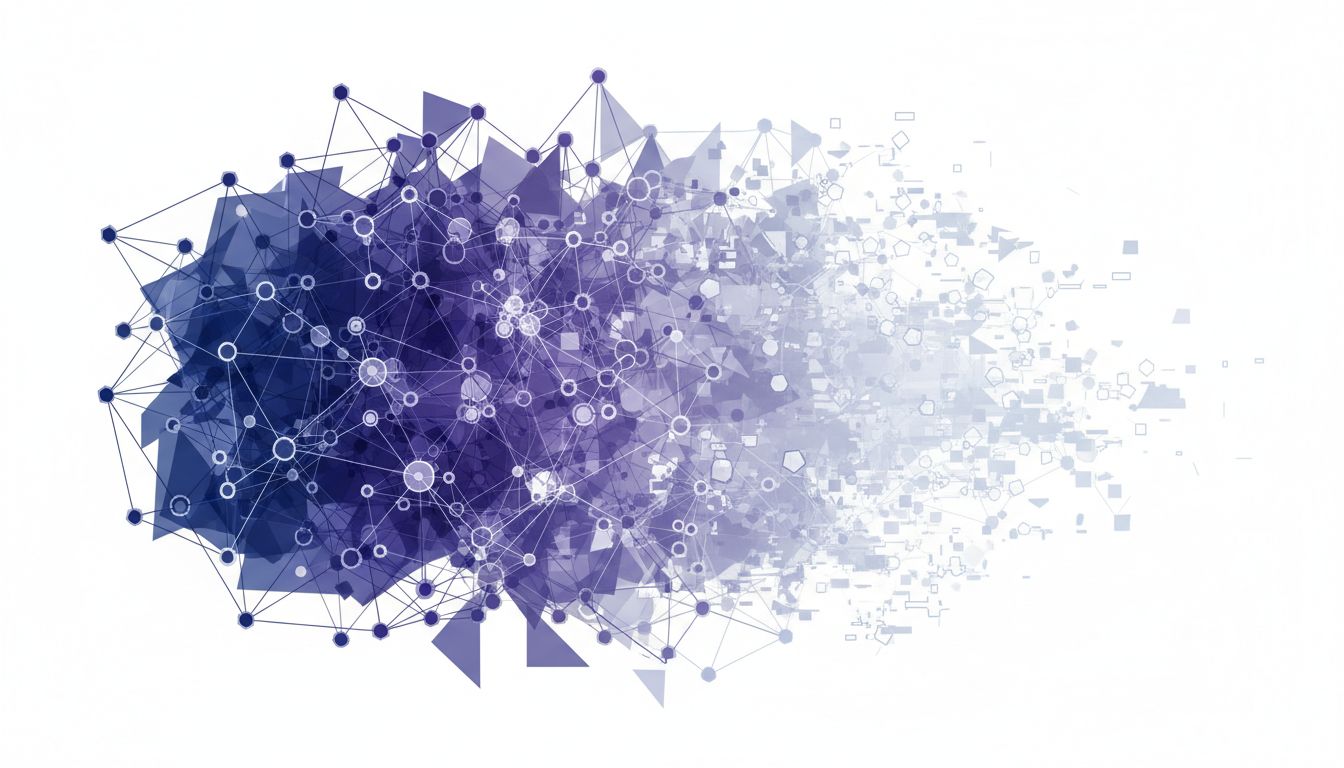
A software team's postmortem reveals something worse than lost time: context switching doesn't pause your thinking, it corrupts it.
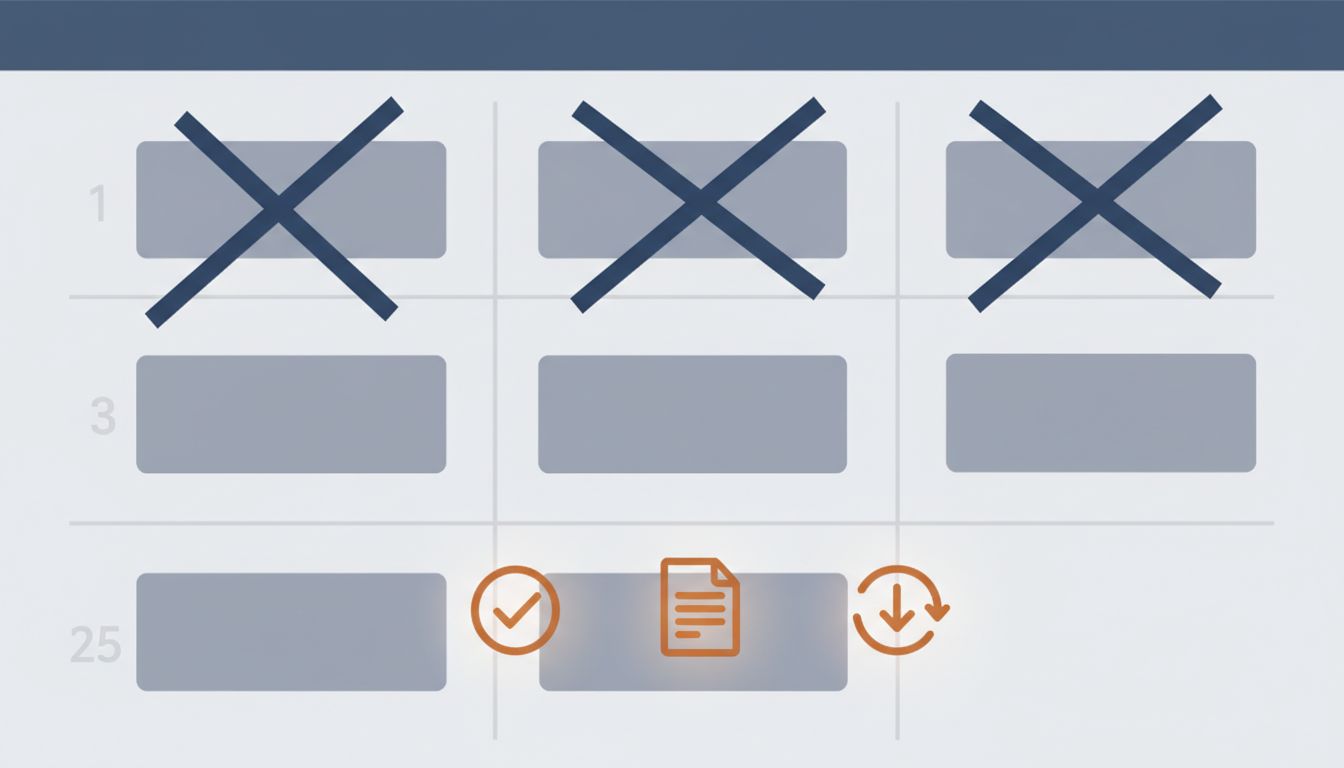
Canceling a meeting isn't failure. Often it's the most productive decision in your calendar. Here's why, and how to make it a habit.
Join thousands of readers who get our weekly breakdown of the most important stories in technology.
Free forever. Unsubscribe anytime.