Digital Productivity
Finishing Fewer Tasks Per Day Can Mean More Gets Done
A shorter daily task list isn't a failure of ambition. It's often a sign that you've finally started measuring the right things.
Tools, workflows, and strategies for getting more done with technology.
A shorter daily task list isn't a failure of ambition. It's often a sign that you've finally started measuring the right things.
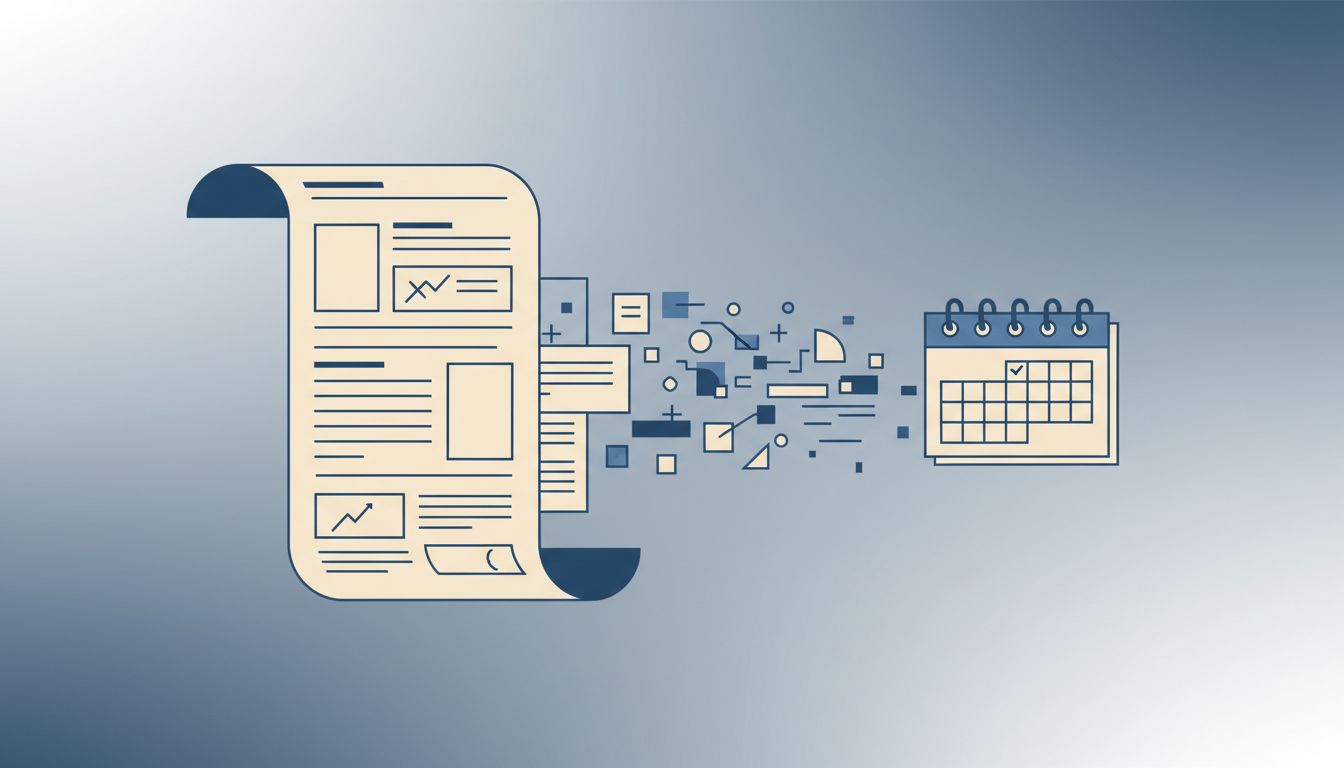
Writing a pre-meeting document forces the thinking that most meetings are supposed to do. The meeting itself becomes confirmation, not discovery.

A product team spent months building the perfect knowledge system. Then they deleted the folder structure and got more productive. Here's what they learned.

Blocking four hours on your calendar and calling it deep work is not a system. Here's how to actually build one that produces results.
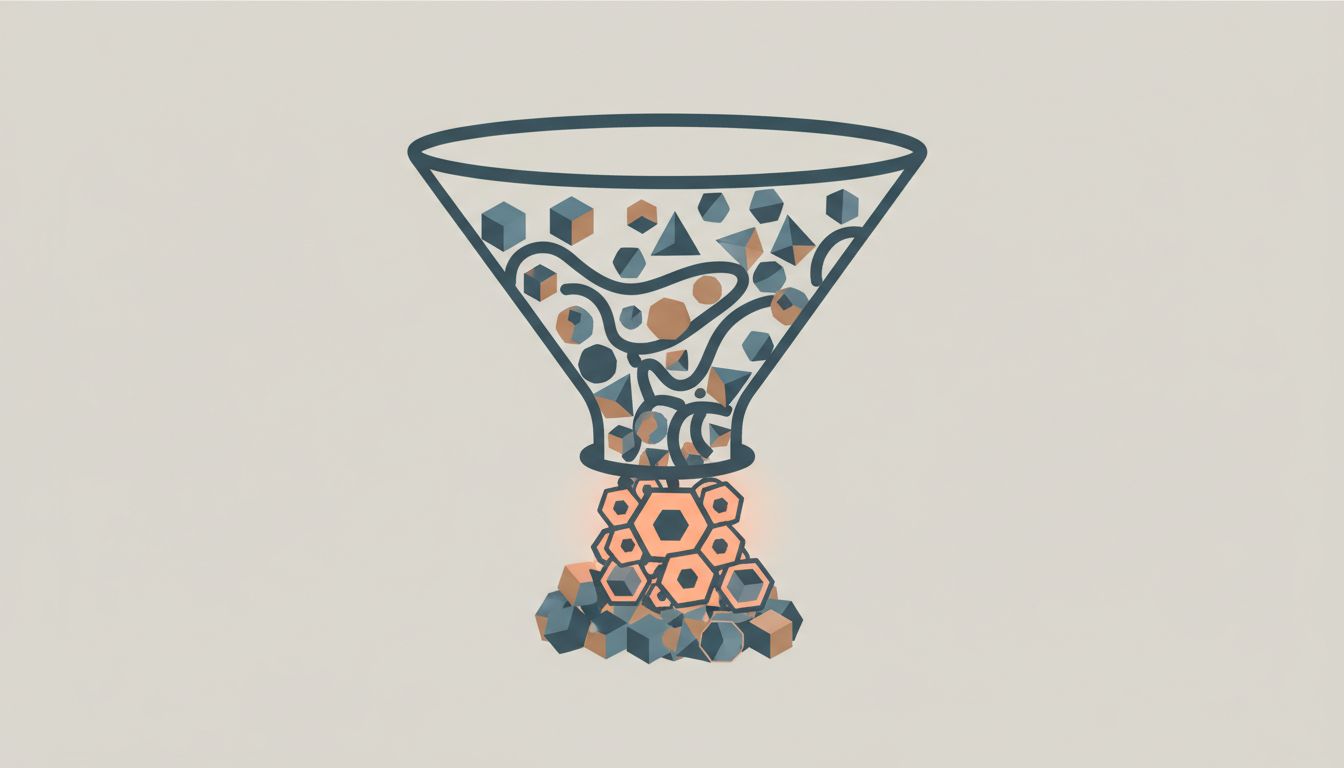
Most productivity systems make it frictionless to add tasks and exhausting to finish them. Here's what to fix.

A product team's inbox-zero habit was destroying their roadmap. Here's what they learned about speed, priority, and the trap of completable work.
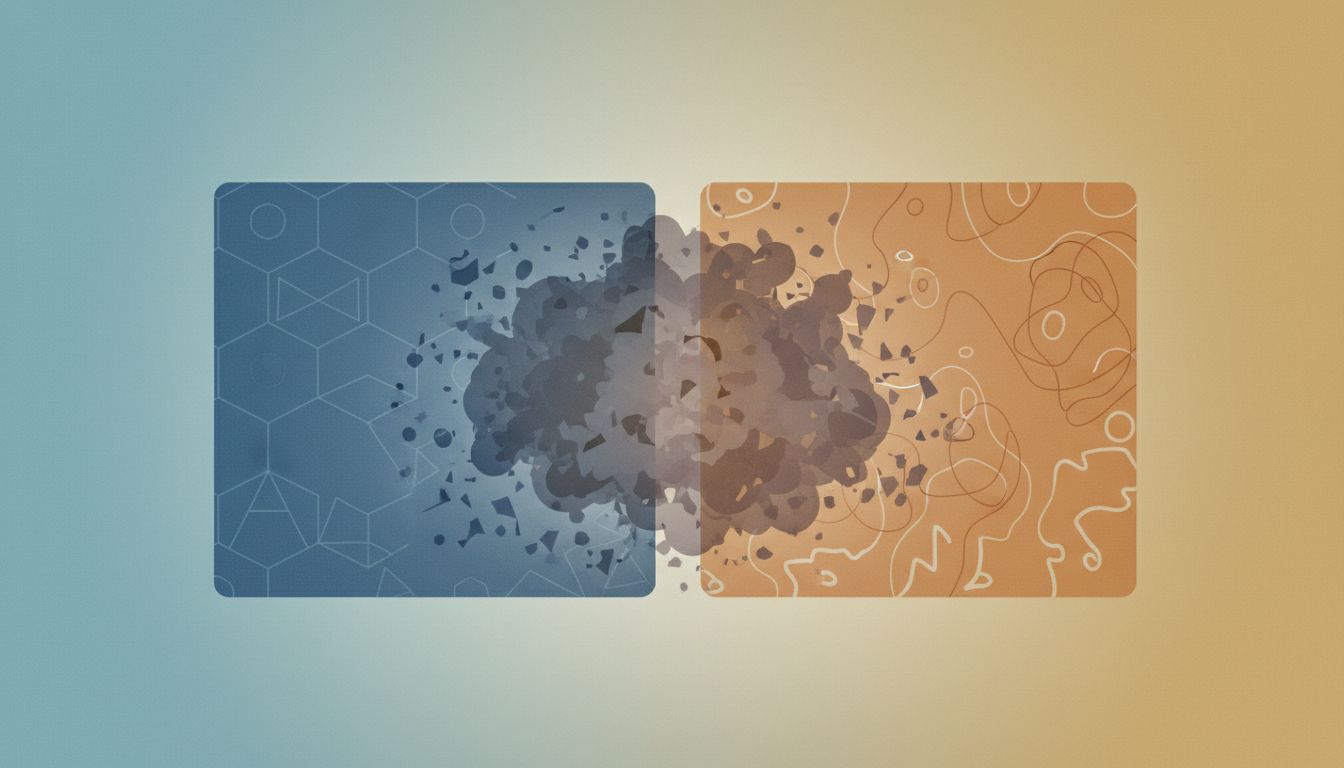
Task-switching feels like multitasking. It isn't. Here's what your brain is actually doing, and why the cost is higher than you think.

The standard advice is to silence notifications and protect your focus. That advice misdiagnoses the problem entirely.

The cost of switching tasks isn't just lost minutes. It changes the ceiling on what you can actually produce.
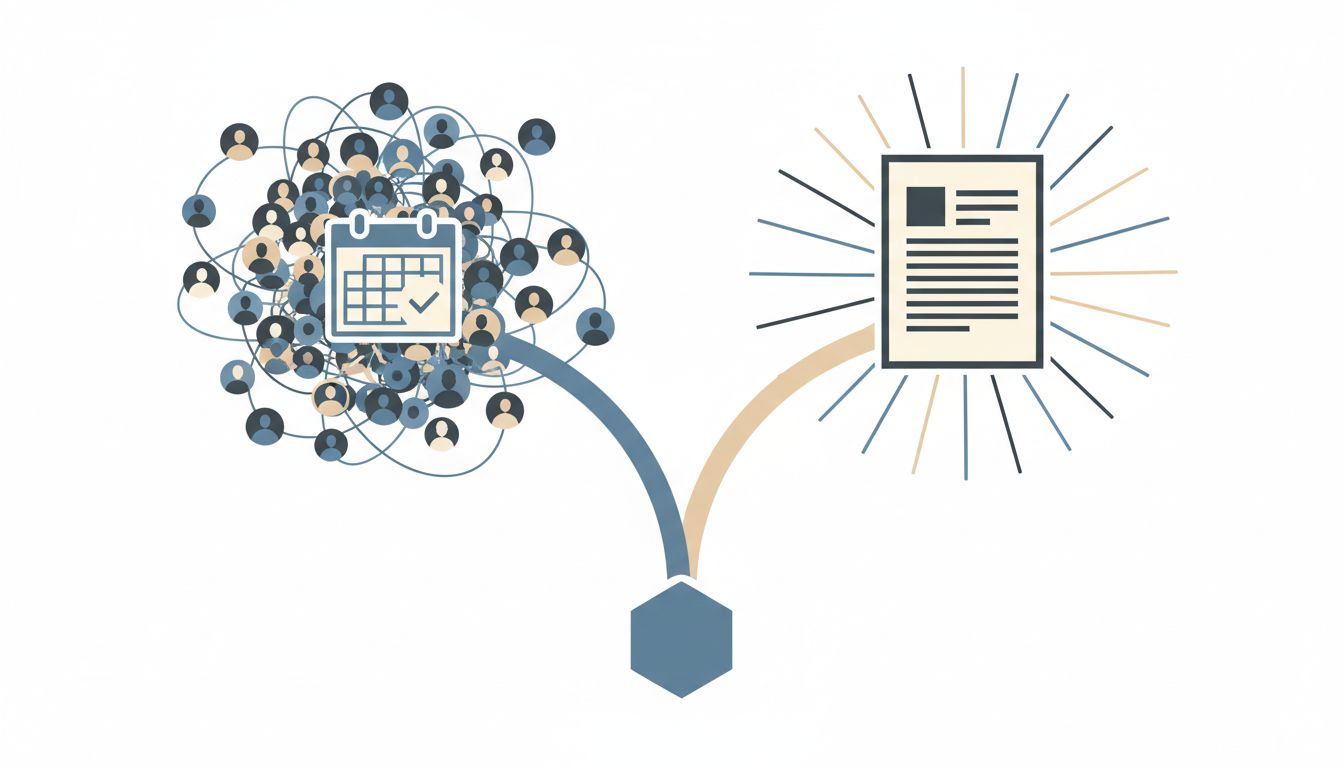
Not every meeting is a waste of time, but most of them are. Here's how to tell which kind you're in before you schedule it.
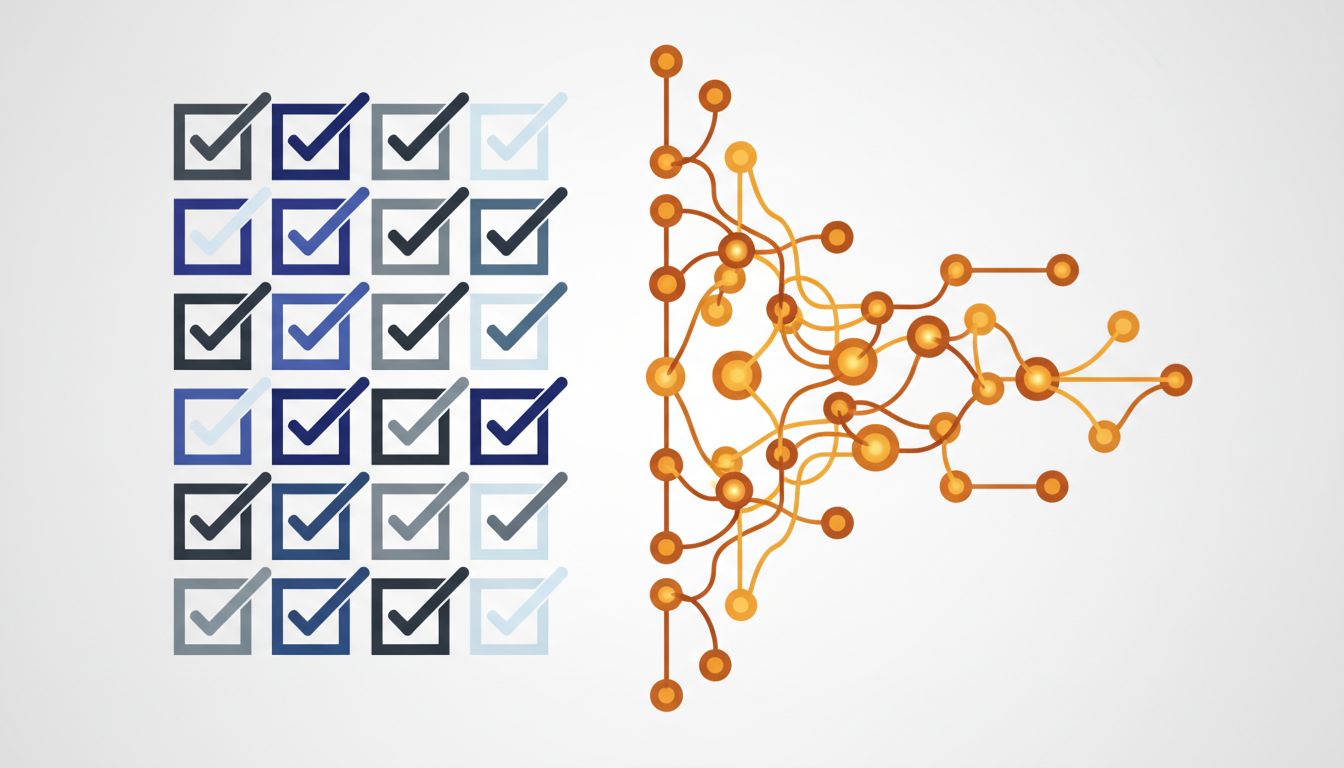
Todo apps are great at tracking discrete actions. They're terrible at capturing the thinking, deciding, and noticing that actually moves things forward.
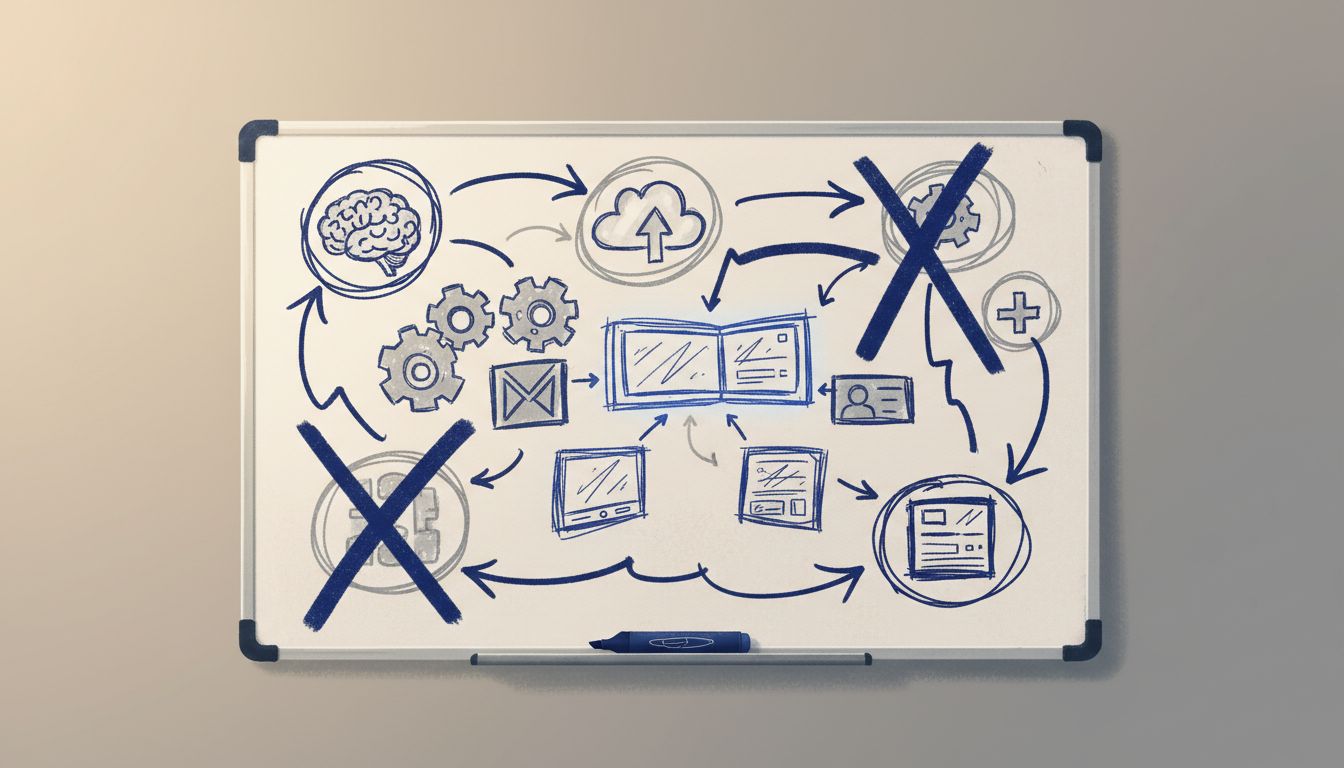
A product team at Basecamp kept shipping the wrong thing. The fix wasn't better planning. It was a deliberately unstructured conversation.
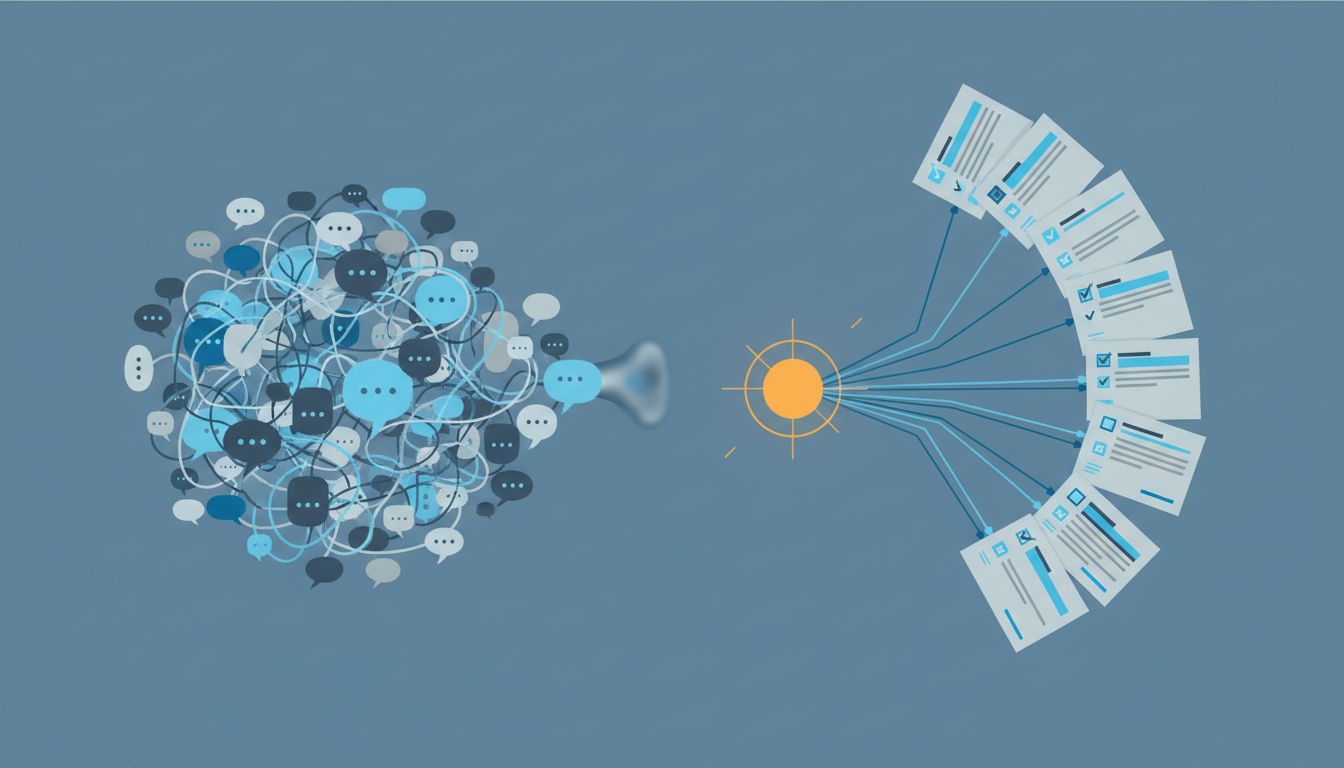
Async work isn't just a substitute for meetings. For certain kinds of thinking, it's structurally superior. Here's why.

Your brain isn't broken. Your scheduling logic is. There's a specific cognitive trap that makes urgent work feel like productive work, and it compounds every day.
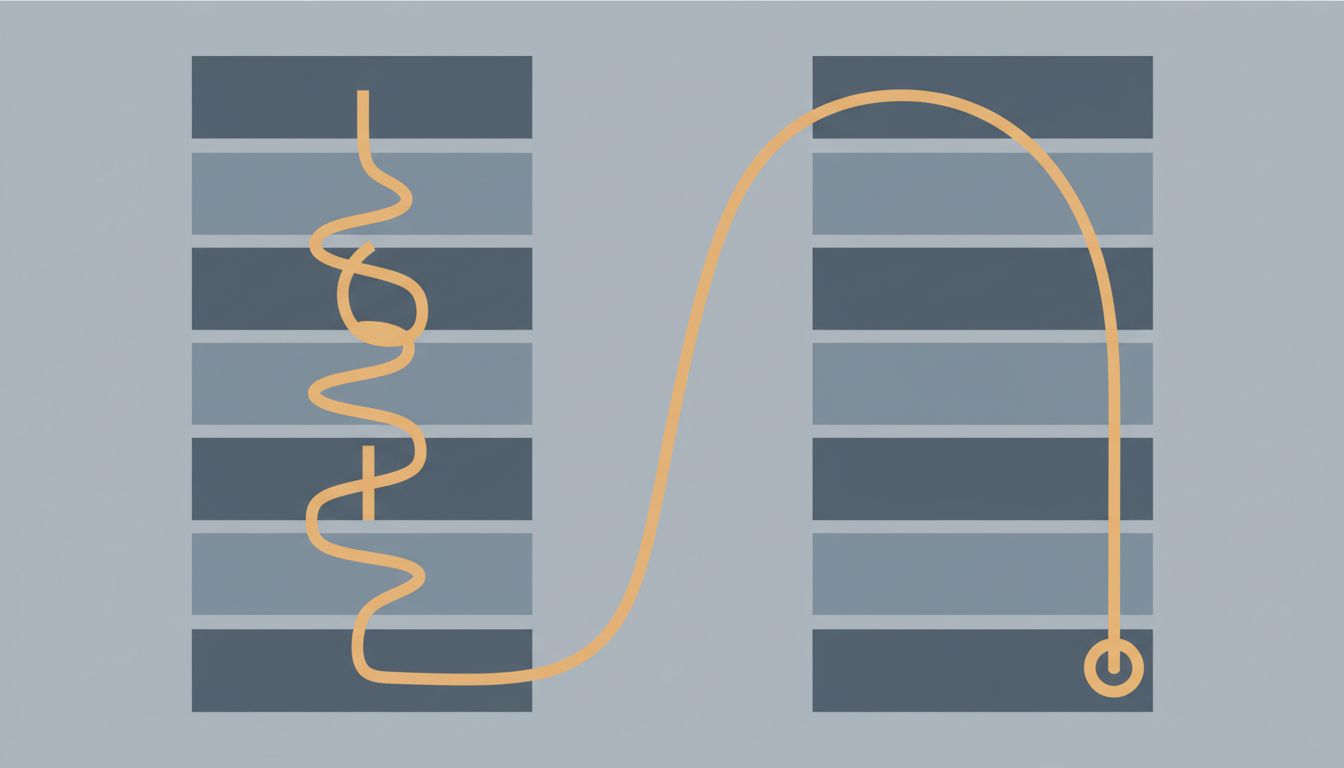
Most beginners read docs front to back. Experts don't. Here's the non-obvious reading strategy that actually saves time.
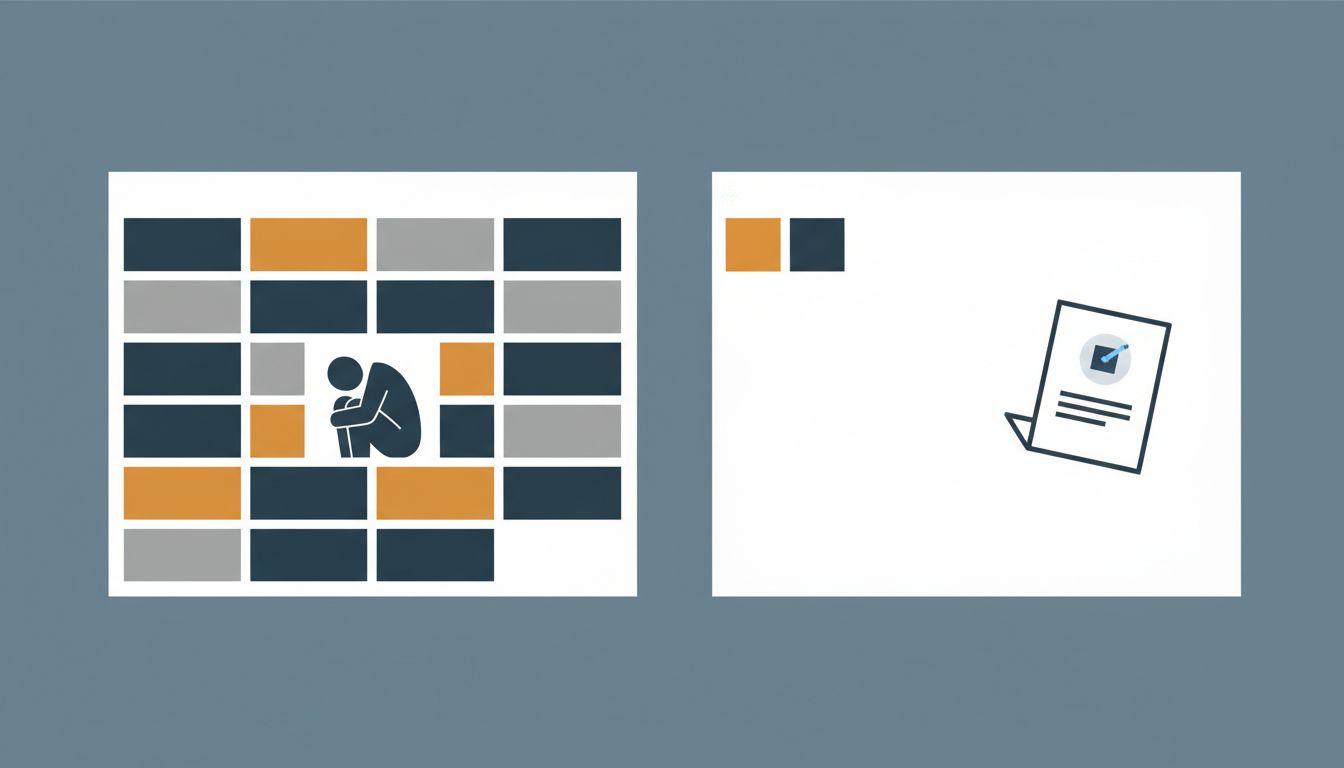
Your canceled meeting probably accomplished more than the one you sat through. Here's why absence is often the most productive thing you can do.
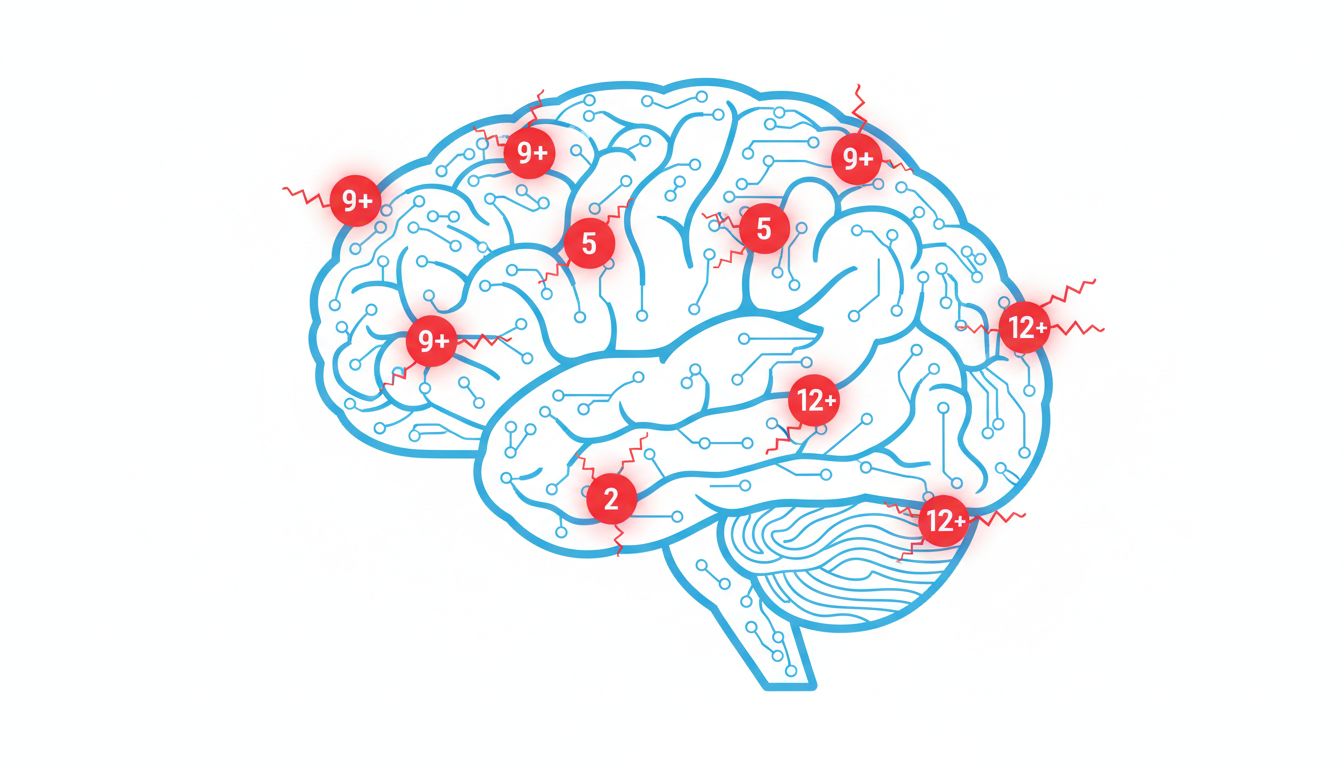
Every notification ping is a priority decision made by an algorithm. Here's what that does to your ability to think, and how to take that control back.
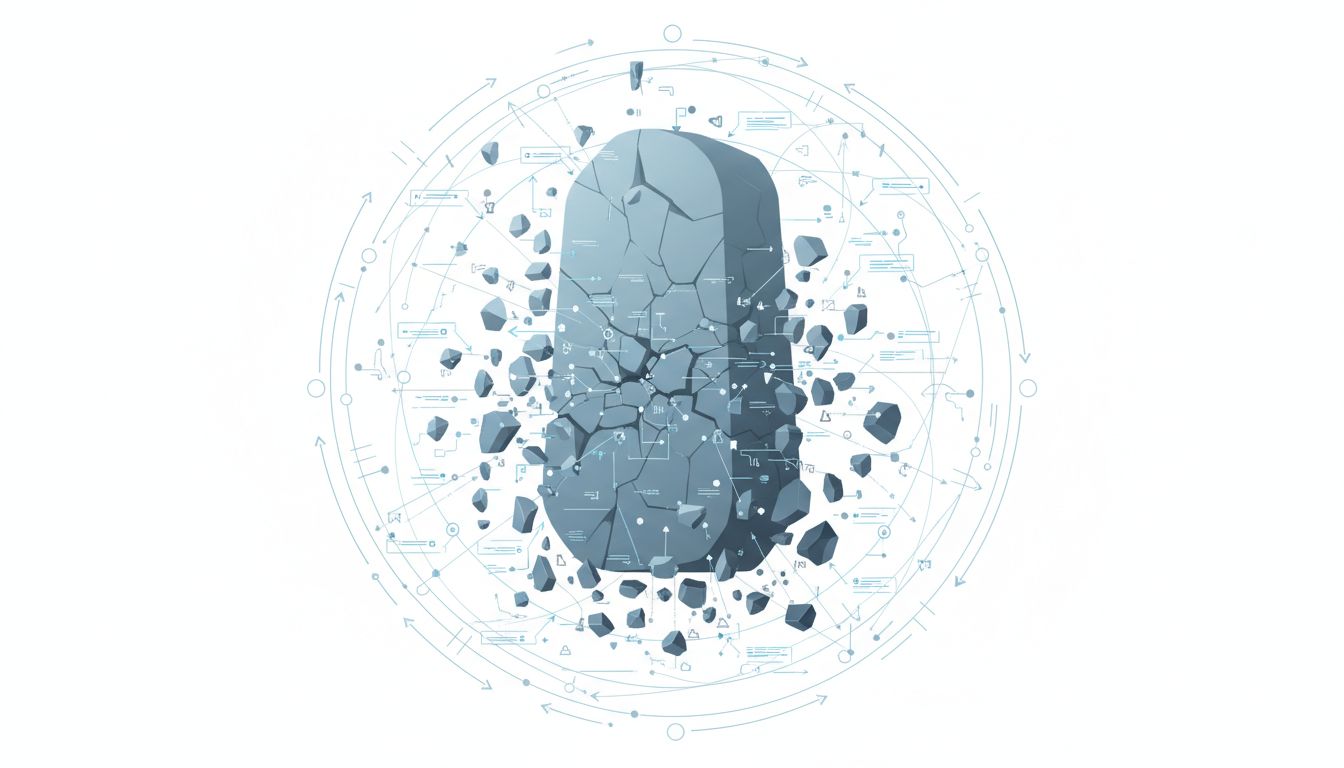
Breaking work into tiny pieces creates overhead that compounds quietly. The problem isn't granularity itself — it's where the cost hides.
Join thousands of readers who get our weekly breakdown of the most important stories in technology.
Free forever. Unsubscribe anytime.