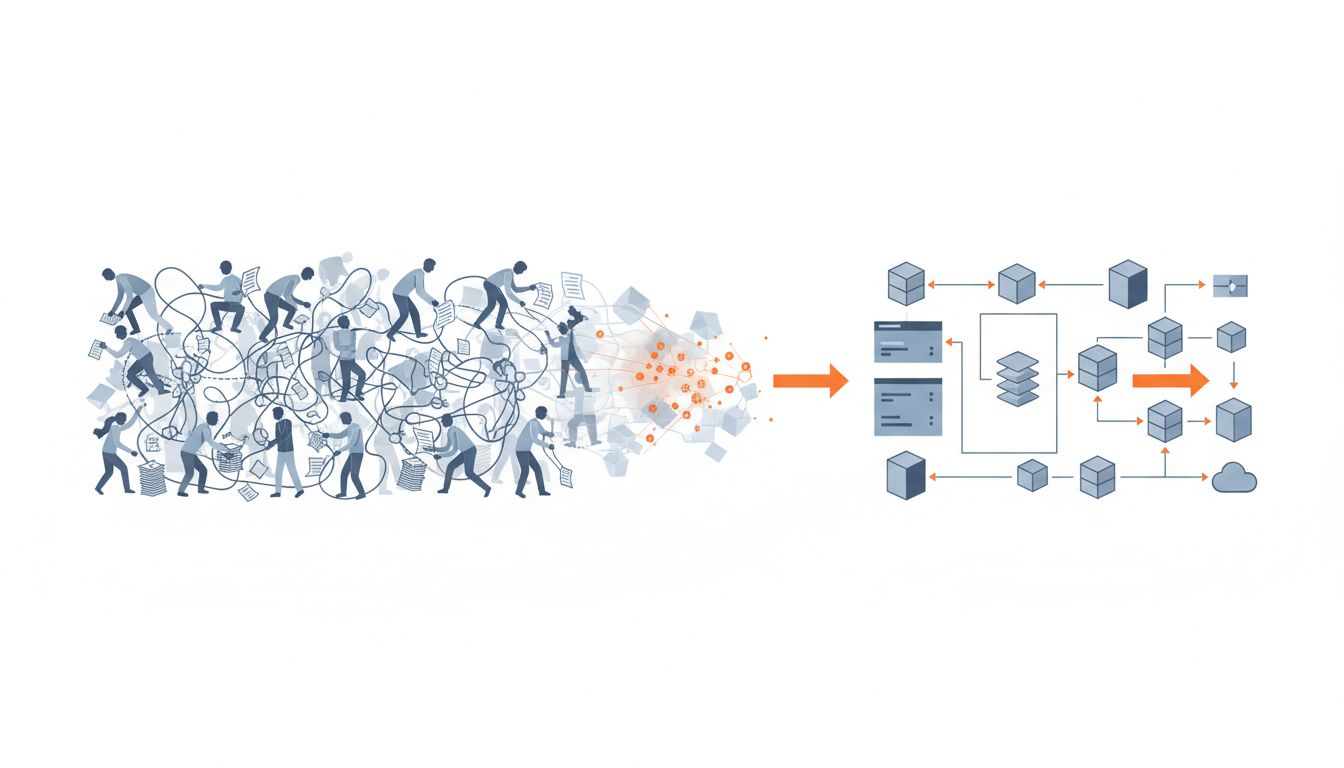
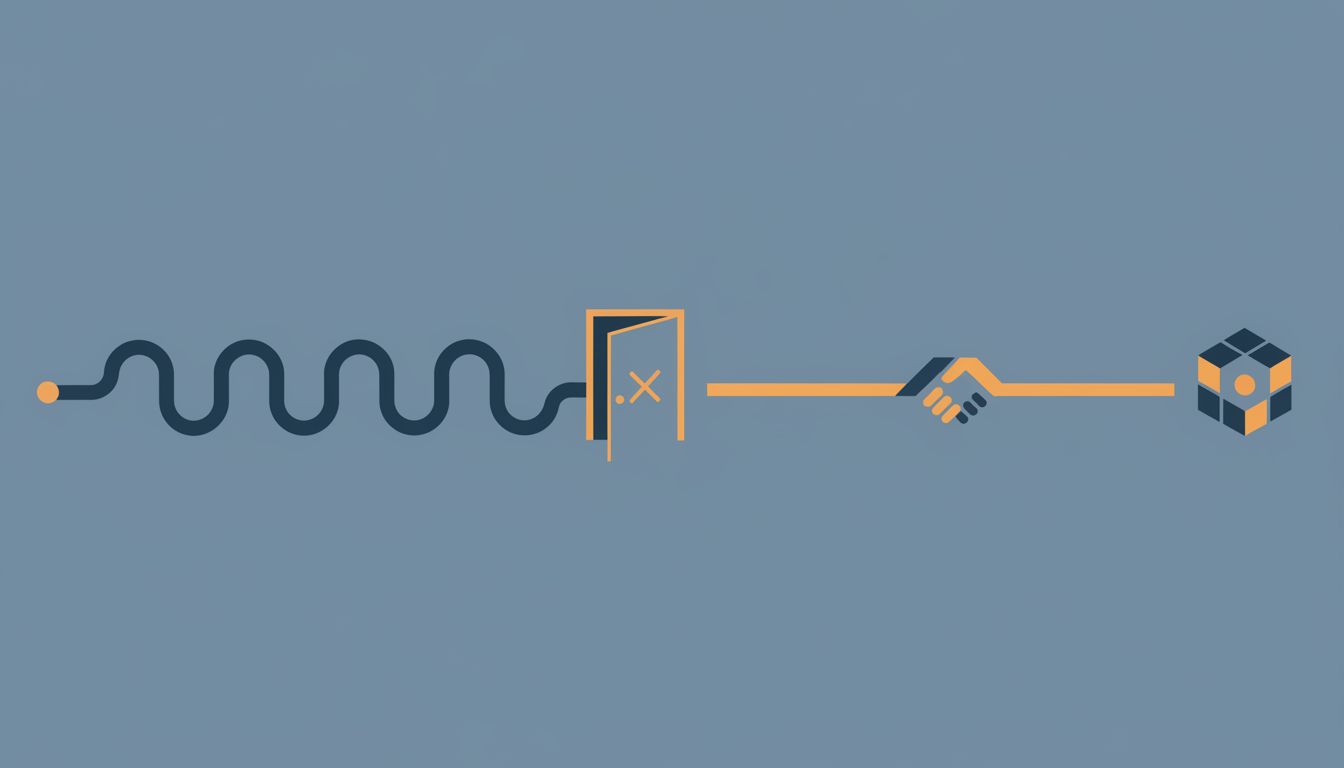
A founder I know spent eight months building a project management tool for freelance designers. Beautiful UI, thoughtful onboarding, the whole thing. Then she launched and found out that freelance designers, as a group, will not pay for project management software. They’ll use a free tier forever, or they’ll just use their email. She’d built the wrong thing for the wrong customer at the wrong price point, and she had eight months of sunk time to show for it.
She knows exactly one thing she’d do differently: charge someone before writing a line of code.
There’s a mythology in startup culture that charging before you’ve built something is either predatory or naive. Predatory because you’re taking money for something that doesn’t exist. Naive because what serious customer pays for vaporware? Both objections miss the point badly. Pre-selling isn’t a workaround or a hack. It’s the most honest form of market research available, and it’s been the right move for a long time.
Money is the only signal that doesn’t lie
Customer interviews are useful. Surveys are occasionally useful. Waitlists are almost useless. None of them filter out the people who are politely enthusiastic but will never actually buy.
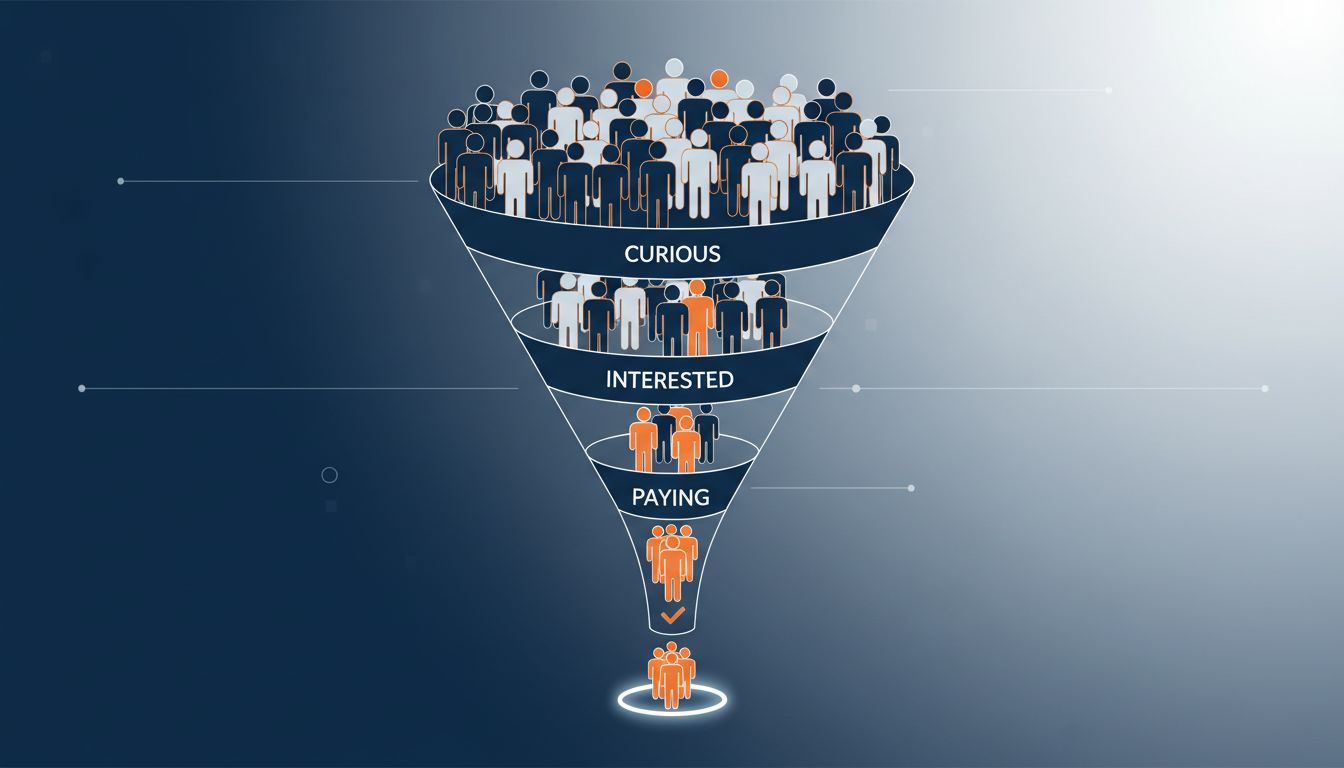
When someone pays you money for something that doesn’t exist yet, they are making a genuine bet. They believe the problem is real enough, and your proposed solution credible enough, to transfer funds. That transaction carries information that no amount of “this sounds great, keep me posted” feedback can generate. It tells you the problem is urgent (not just annoying), the price point is acceptable, and this specific person is a buyer, not just an interested observer.
Buffett has a version of this principle: price is what you pay, value is what you get. In early-stage validation, the price your customer pays is the signal you receive.
It forces the conversation you’re otherwise avoiding
Most founders, if they’re honest, are afraid to ask for money before they have something polished to show. That fear is the exact thing pre-selling forces you to confront. You have to articulate the value proposition clearly enough that someone will hand over money based on a description, a mockup, or a conversation. That’s a harder pitch than “here’s the demo, what do you think?”
The process of asking for pre-payment surfaces every objection early. Price objections. Scope objections. “We already have a vendor for this” objections. You want those objections in week two, not month nine. The customer who almost quit knows more than your fans, and the customer who won’t pay before you build knows something even more valuable.
Microsoft used this model with enterprise software for decades. Hardware companies take deposits on products still in manufacturing. Kickstarter built an entire platform on the premise that customers would fund creation of things that didn’t exist. The pattern is old and it works.
It changes what you build
This is the part most people underestimate. Pre-selling doesn’t just validate demand; it shapes the product. When you have paying customers waiting on delivery, you build exactly what you promised them and nothing else. Feature creep, which is the silent killer of early-stage startups, has nowhere to hide. Every decision goes through one filter: does this get us to what we told our ten paying customers they were getting?
The discipline this creates is hard to replicate any other way. You can tell yourself to stay focused, but an empty pipeline doesn’t enforce focus. Paying customers do.
This is also why the minimum viable product concept works better when money is already on the table. Your incentives align with shipping something real rather than something impressive.
The counterargument
The honest version of the objection is this: some products genuinely can’t be pre-sold because customers can’t evaluate what they’re buying without experiencing it. Consumer apps with network effects, hardware with complex manufacturing dependencies, anything where the value is inherently experiential. Fair. Pre-selling isn’t universal.
But most founders who invoke this exception don’t actually have those kinds of products. They’re building B2B tools, professional services wrapped in software, or productivity applications. These things can be sold based on outcomes promised, not features demonstrated. The exception is narrower than founders want it to be.
The other objection is reputational risk: what if you take the money and can’t deliver? This is a real concern with a straightforward answer. Don’t take money you can’t return if things go sideways, be transparent about timelines, and treat pre-orders as obligations not revenue. That’s standard business practice, not a special rule for startups.
The order of operations matters
The conventional product development sequence, build then sell, is a bet. You’re betting that what you build will match what the market wants. That’s a bet you’re making with your own time and money, and often with investor money too. The pre-sell sequence flips the risk. You’re not eliminating uncertainty; you’re moving it to the front of the process where it’s cheaper to resolve.
The first hundred customers never come from the plan. They come from direct relationships, specific conversations, and making an ask that feels uncomfortable before you feel ready. The startup that charges before building hasn’t skipped a step. It’s doing the steps in the right order.
The eight months my acquaintance spent building for a market that wouldn’t pay could have been compressed into two conversations and a Stripe link. That’s not a shortcut. That’s competence.