A founder I know ran a B2B data product for two years at a price that made her investors visibly uncomfortable. Her gross margins were fine. Her churn was nearly zero. She had customers in categories her competitors couldn’t touch, including several that became reference accounts worth far more than the delta in subscription fees. When she finally raised prices, she did it from a position of strength, with a waiting list and enough case studies to close enterprise deals in weeks instead of months.
Her investors spent those two years telling her she was leaving money on the table. She was not.
The startup world has developed a near-religious conviction that underpricing is always a founder error, a sign of confidence problems or sloppy unit economics thinking. The advice is consistent and loud: charge more, the market will bear it, your product is worth it. Sometimes that advice is right. Often it treats pricing as a one-dimensional variable when it is actually a positioning lever, a distribution strategy, and a competitive signal all at once.
Low prices buy you something real
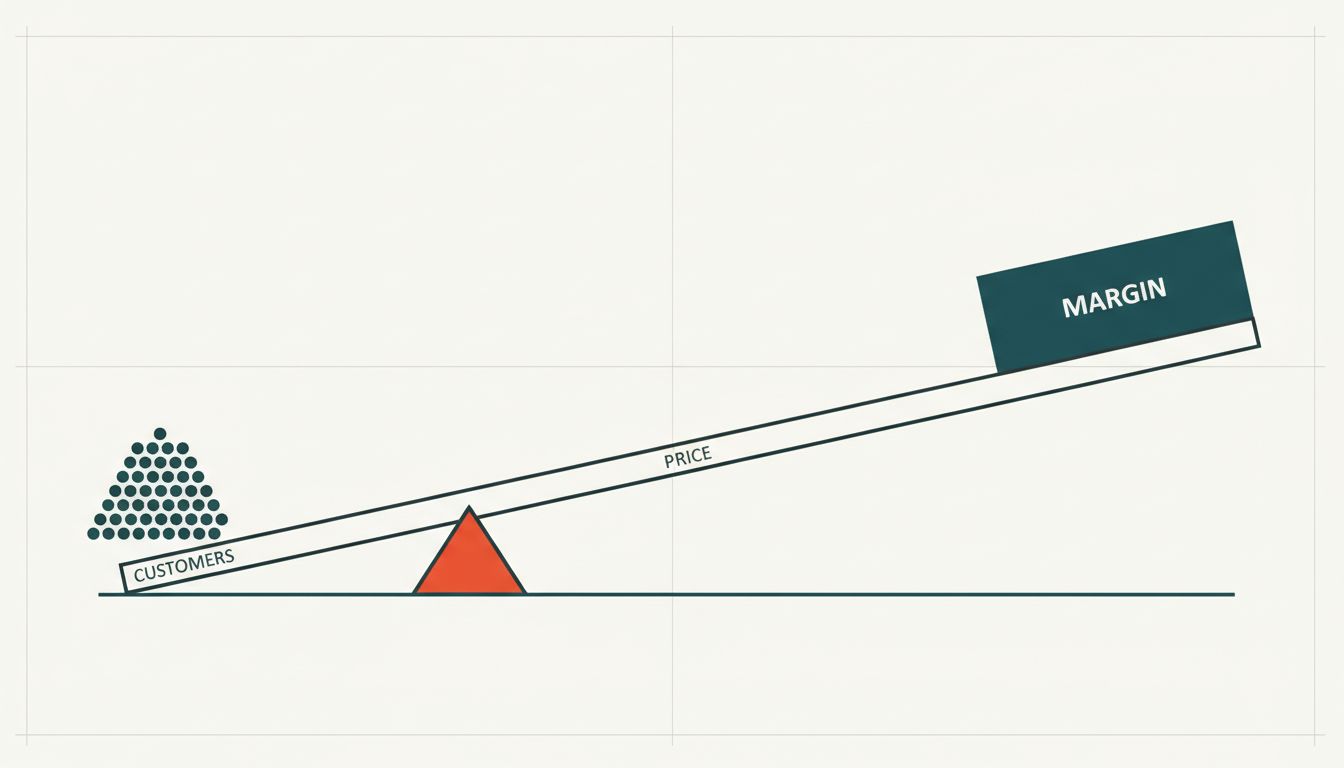
When you price below what the market might bear, you are purchasing something with that margin gap. The question is whether what you are buying is worth the cost.
For many early-stage companies, the answer is yes. Low prices accelerate adoption in categories where switching costs are high and relationships matter. In B2B software, a customer who signs at a low price and stays for three years has told you more about product-market fit than any survey could. They stayed because the product worked, not because switching felt too painful.
Stripe’s early pricing was notably accessible compared to what enterprise payment processors charged. They were not confused about their worth. They were buying volume, developer trust, and integration depth across the internet before they had the leverage to charge more. The strategy worked because the pricing decision was connected to a specific goal, not just a number pulled from a competitor’s website.
Underpricing concentrates your customer base intentionally
Who can afford your product right now is not a neutral fact. It is something you control. Charging less means you get more customers in certain segments, fewer in others. For some startups, owning a specific segment deeply is more valuable than spreading thin across a market at higher prices.
This is especially true when you are trying to become the default in a category. Becoming the default requires ubiquity first, pricing power second. The mistake is believing you can reverse that order.
A low price also filters for customers who chose you on merit rather than budget necessity. Those customers give you better feedback, show up to your user conference, and refer other customers who look like themselves. The loudest customer is not always the most valuable one, but the customers who signed on when you were cheap and stayed anyway are telling you something important.
Price anchors your competitive position
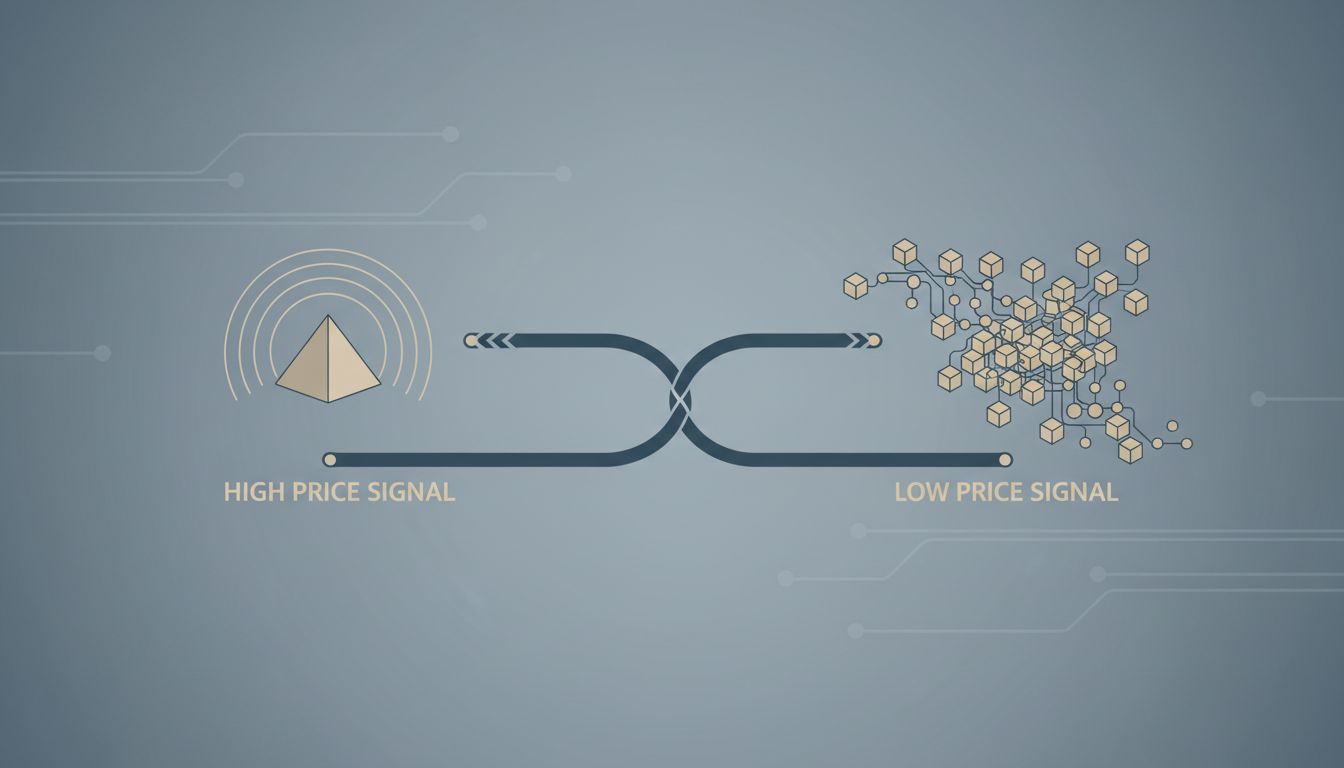
Price is a signal. Charge too much and you are inviting comparison to enterprise incumbents. Charge less and you are repositioning the whole category around accessibility, which can be a legitimate and durable strategy.
Mailchimp spent years being the scrappy cheap alternative to enterprise email marketing platforms. That positioning was not a failure to understand their own value. It was a deliberate choice that let them accumulate a customer base too large and too loyal for most competitors to displace. By the time they raised prices, the switching costs were significant and the brand was synonymous with email marketing for small businesses.
If you raise prices before you have that kind of entrenchment, you are handing the accessibility position to whoever comes after you.
The counterargument
The strongest version of the “charge more” argument is not about margins. It is about signal quality. High prices attract customers with real budgets, real problems, and real accountability. A customer who pays $500 a month complains differently than one paying $50. The higher-paying customer tells you where the product actually breaks under pressure.
This is true, and it matters. Premature scaling kills more startups than bad ideas, and the same logic applies to premature discounting: if your low prices are attracting customers whose problems are too small to teach you anything useful, you are optimizing for the wrong thing.
The counterargument works when low pricing is reflexive rather than intentional, when a founder prices low because they are afraid to ask for more rather than because they have a specific thesis about what the lower price is buying. That is a real failure mode and it is common.
But the solution to reflexive underpricing is not reflexive price increases. It is having a clear answer to the question: what is this price buying us that a higher price would not?
Intentional is the operative word
The startup that charges too little is making a mistake when the pricing is not connected to a strategy. When it is connected, when the founder can articulate what the lower price is purchasing in terms of adoption, positioning, segment concentration, or competitive defense, then the critics lecturing about leaving money on the table are the ones who are confused.
Pricing is not a confession of what you think you are worth. It is a tool. The founders who treat it that way tend to build companies that outlast the ones who priced high, grew slowly, and wondered why the scrappy cheap competitor kept winning customers they thought were beneath them.