The Simple Version
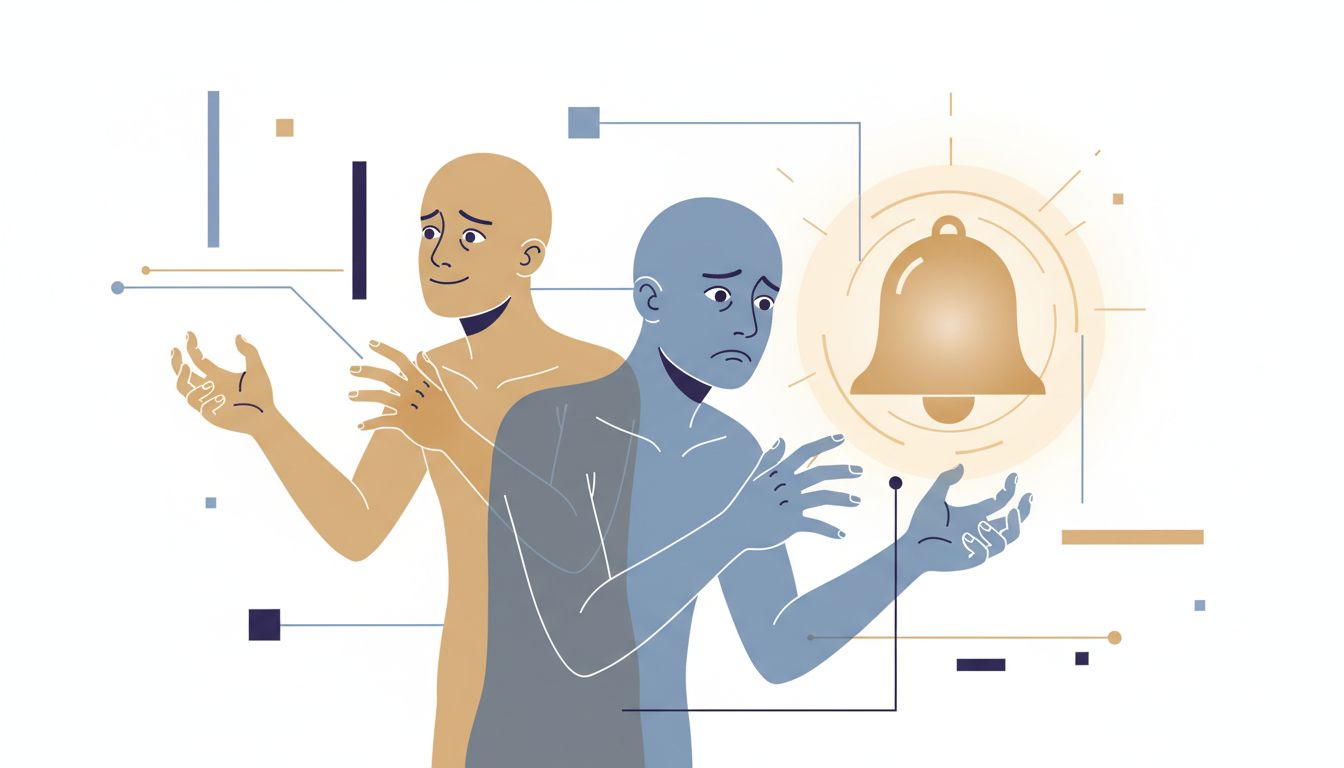
When you get interrupted by a notification and dismiss it, your attention doesn’t snap back to what you were doing. It wanders, partly recovers, and leaves a residue that degrades your next 20-plus minutes of work.
What’s Actually Happening in Your Brain
Researchers at UC Irvine studied how long it takes workers to fully return to a task after an interruption. The number they landed on: over 23 minutes, on average. Not 23 minutes to glance at the notification, but 23 minutes to return to the same depth of focus you had before you looked.
That number surprises most people, because the interruption itself often takes seconds. You see a Slack message, decide it’s not urgent, dismiss it, and go back to your spreadsheet. You feel like you’re back. You’re not.
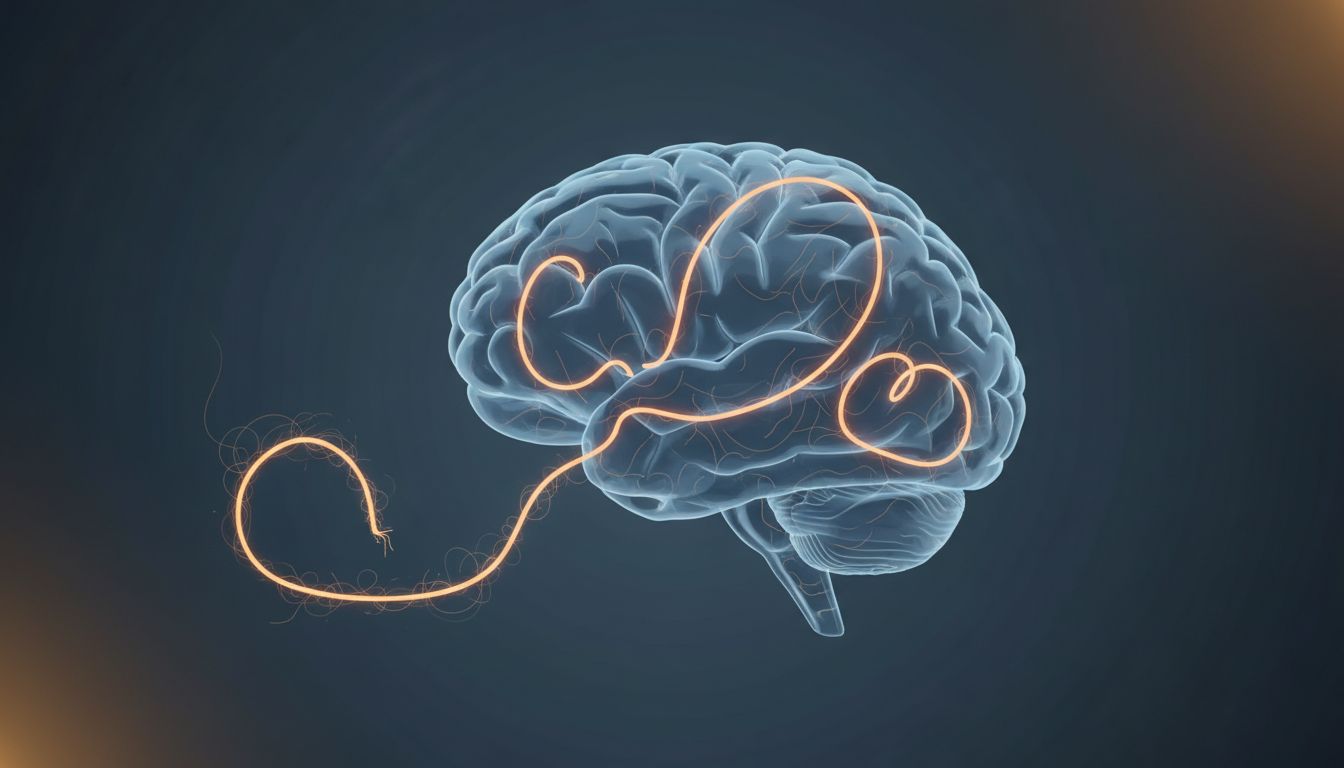
What’s happening is that your working memory, the mental scratchpad that holds the context of whatever you’re doing, gets partially overwritten the moment your attention shifts. If you were debugging a function or drafting a tricky paragraph, you held a mental model of the problem in your head. The notification doesn’t just pause that model. It starts replacing it.
This is the core problem, and it’s different from simple slowdown. As context switching research suggests, you don’t just lose time when you switch attention. You lose the specific thread of thought you were holding.
Why Dismissing Feels Like Recovering
The feeling of “I’m back to work” arrives much sooner than actual recovery. This happens because you resume the surface behavior of working: your eyes are on the document, your hands are on the keyboard. But your brain is still doing cleanup work in the background.
Cognitive scientists call this “attention residue,” a term popularized by Sophie Leroy at the University of Washington. Her research found that when you switch tasks before fully completing one, part of your attention keeps pulling toward the unfinished thing. A notification creates a micro-version of this: you’ve now seen something you haven’t fully processed. Is it urgent? Does it require a response? You didn’t open it, so you don’t know. That uncertainty costs you.
The notifications that create the most residue are often the ones you don’t open, not the ones you do. When you open a message and respond, your brain marks it as handled. When you dismiss the notification without engaging, you’ve created an open loop.
The Math Is Worse Than You Think
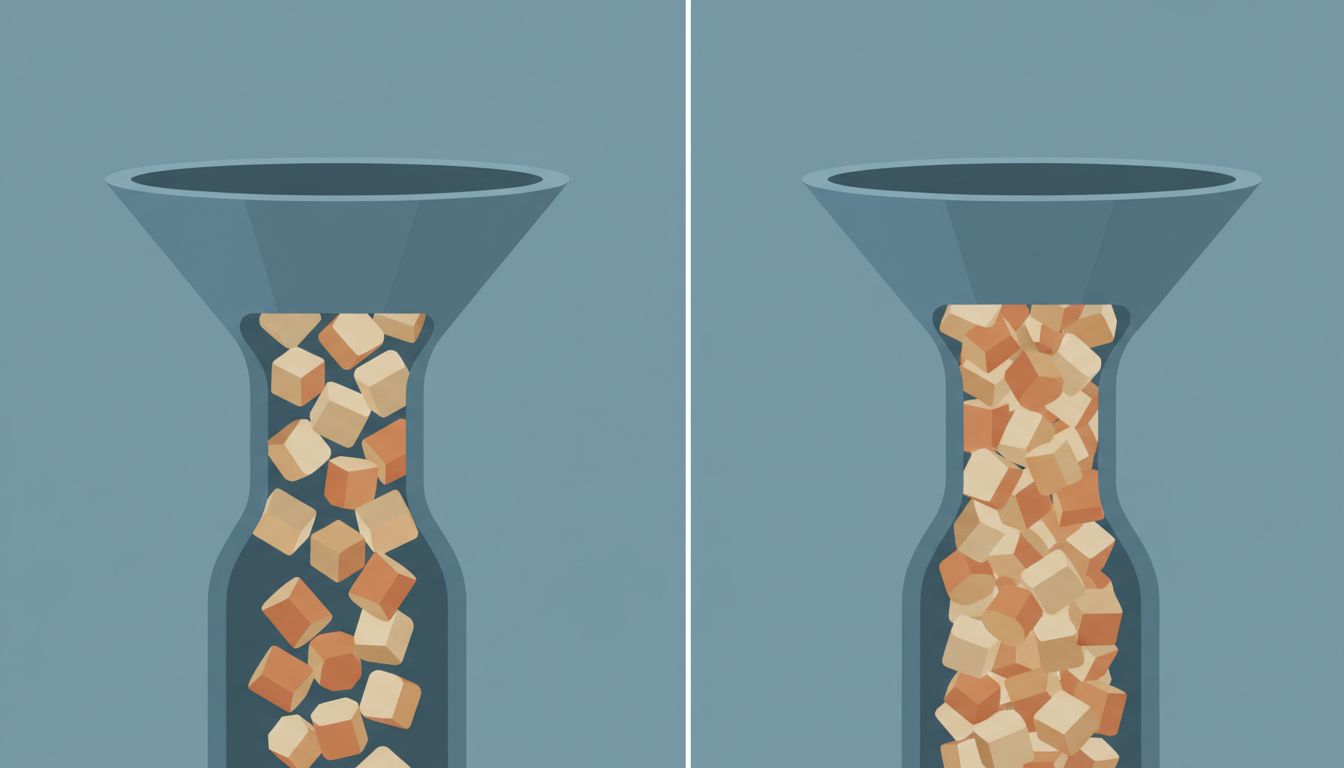
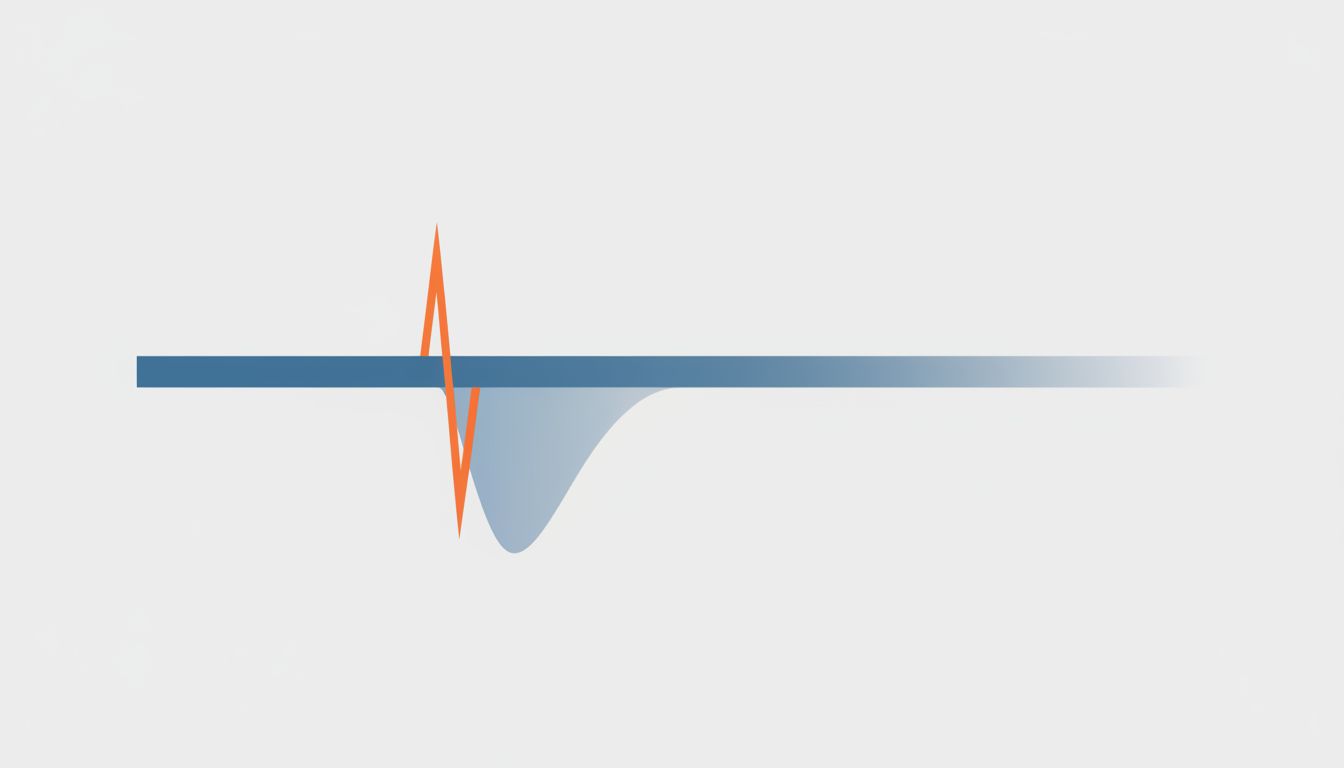
Knowledge workers receive dozens of notifications per day across email, Slack, calendar reminders, and phone apps. If each interruption carries a 20-minute recovery cost, the math becomes absurd quickly: a modest 10 interruptions during a focused work session doesn’t cost you 10 minutes of distraction. It potentially costs you your entire ability to reach deep focus that day.
In practice, most people aren’t doing the math. They’re judging interruptions by the time they see on the clock, not by the cognitive state they’re in afterward. You check your phone for 15 seconds and feel like that was a cheap cost. The actual cost was paid invisibly, in the quality of thought you produced for the next half hour.
This is also why working longer hours rarely compensates for a fragmented schedule. More hours of degraded focus doesn’t equal fewer hours of sharp focus.
How to Actually Design Around This
Once you understand the mechanism, the fixes become obvious (though not easy).
Batch your notifications, don’t manage them in real time. The goal isn’t to respond to notifications faster. It’s to receive them in a controlled window where the attention cost doesn’t hit during deep work. Checking messages twice a day at predetermined times sounds extreme until you realize that most “urgent” messages tolerate a two-hour delay just fine. The ones that don’t should come through a separate channel, typically a phone call.
Close the loop or park it deliberately. If you do see a notification you can’t handle immediately, write it down somewhere you trust, then mentally mark it as handled. The open-loop problem is what generates attention residue. Externalize it so your brain can release it. A quick note in a task manager or a notebook does this.
Protect your highest-value hours structurally, not by willpower. Willpower works poorly against intermittent rewards, which is exactly what notifications are designed to provide. The better approach is to make interruption structurally difficult during specific hours: phone in another room, desktop notifications off, and a status that communicates unavailability to your team. The best notification strategy is mostly about removal, not configuration.
Start deep work tasks with a brief written setup. Before you begin a complex task, spend two minutes writing down where you are in it, what you’re trying to solve, and what the next concrete step is. If you get interrupted and lose the thread, you have an external record to reload from. This doesn’t eliminate attention residue, but it does reduce recovery time significantly.
The Reframe That Makes This Actionable
Stop thinking about notifications in terms of time cost and start thinking about them in terms of cognitive state cost. The question isn’t “how many minutes did that interruption take?” It’s “what mental state was I in before, and what state am I in now?”
If you were in deep focus and you’re now in shallow recovery mode, you’ve paid a cost no clock will show you. Your output for the next stretch will be less precise, less creative, and more error-prone, not because you’re lazy or undisciplined, but because that’s what interrupted working memory produces.
The practical upshot: treat the first 20 minutes after any interruption as genuinely compromised time. Don’t schedule your hardest thinking right after a meeting break, right after you check your phone, or right after you open your inbox. Build a buffer, and use that buffer for lower-stakes work, like clearing simple replies or reviewing something that doesn’t require original thought.
Your most important cognitive work deserves the most protected conditions. Closing a notification is not one of those conditions.