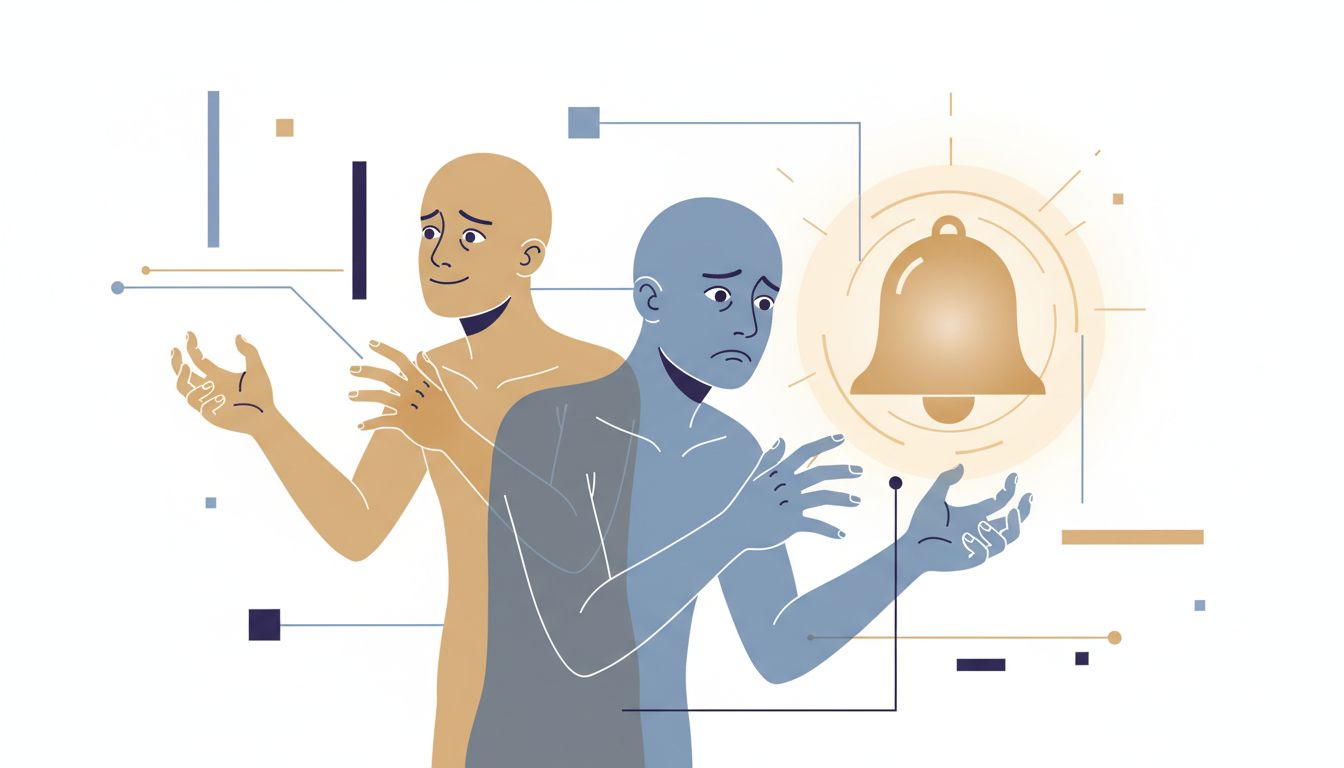

Most productivity advice treats context switching as a time problem. You lose 15 minutes here, 20 minutes there, and by end of day you’ve accomplished less than you planned. That framing is accurate but incomplete. The real cost isn’t measured in minutes. It’s measured in the type of thinking you can access at all.
Here’s the practical version of that claim: some work simply cannot be done in interrupted conditions. Not slowly, not imperfectly. Not at all.
1. Shallow Tasks and Deep Tasks Use Fundamentally Different Cognitive Modes
Researcher Cal Newport drew a useful distinction between “deep work” (cognitively demanding tasks requiring sustained concentration) and “shallow work” (logistical tasks that don’t require much focus). The important thing about this distinction isn’t the labels. It’s that these two modes don’t coexist well in the same block of time.
When you’re in shallow mode, your brain is scanning for new inputs, processing short tasks, staying responsive. When you’re in deep mode, you’re building a mental model that takes real time to construct. Interruptions don’t just pause that model. They collapse it. You have to rebuild from scratch when you return, and rebuilding takes most of the time you’d saved by multitasking.
The practical implication: decide before you start a work session which mode you’re in. If you’re in shallow mode, leave your inbox open and handle the stream. If you’re in deep mode, close everything that can interrupt you, because the session only counts if you can sustain it.
2. Some Problems Require You to Hold the Whole Thing in Your Head at Once
Designing a system architecture, debugging a subtle concurrency issue, writing something that needs a coherent argument from start to finish. These tasks share a property: the solution requires you to simultaneously hold many variables in working memory and reason about their relationships.
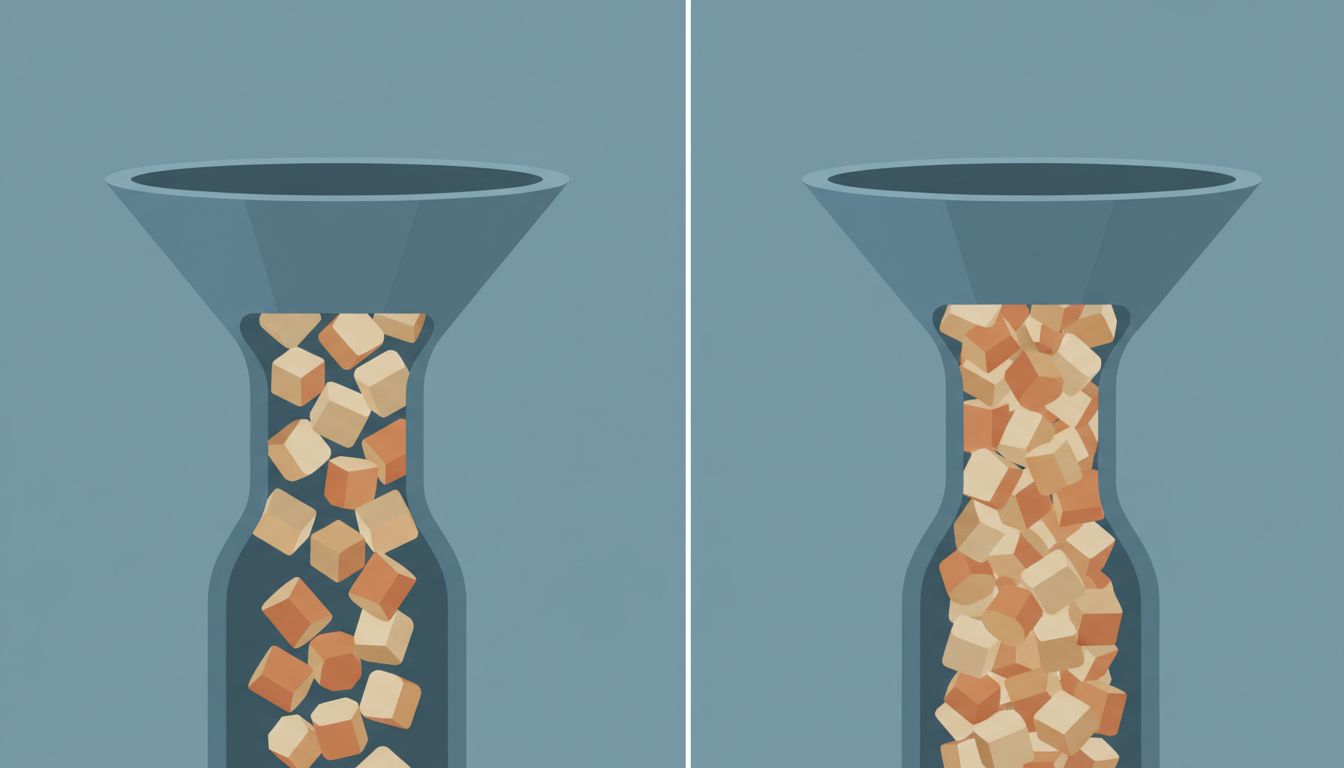
Working memory is genuinely limited, and it doesn’t pause when you switch away. An email notification doesn’t just cost you 30 seconds to read and dismiss. It partially clears the mental buffer you’d spent 20 minutes filling. When you come back, you’re not resuming. You’re reconstructing.
This is why the same engineer who can’t seem to solve a tricky bug in their normal environment will crack it in an hour during a flight with no WiFi. The problem didn’t get easier. The conditions for solving it finally existed.
3. Creative Leaps Don’t Happen on Demand, But They Do Require the Right Conditions
There’s a common experience among writers, engineers, and designers: the solution arrives not during focused work but slightly after it, in the shower or on a walk. This isn’t mystical. It reflects something real about how the brain processes difficult problems.
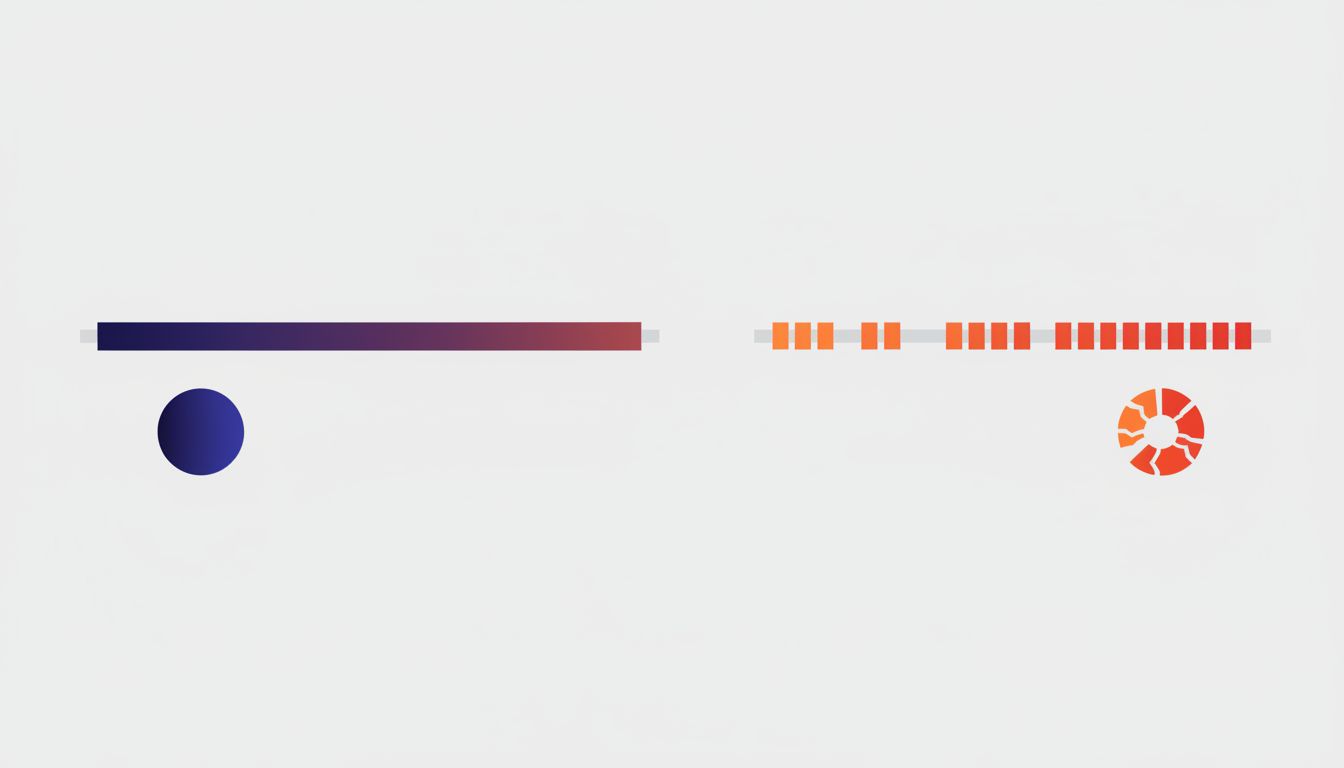
Sustained focus loads the problem into your cognitive system. Downtime lets your brain run background processing on it. The insight that emerges feels spontaneous, but it required the prior concentrated loading. Context switching disrupts this cycle. If you never load the problem deeply enough, there’s nothing for the background processing to work on. You get incremental progress at best, and the kind of non-linear leaps that change the quality of the work simply don’t happen.
If you notice that your best ideas arrive during non-work time, that’s not a quirk of your personality. It’s evidence that you’re not getting enough uninterrupted loading time during actual work hours.
4. Interruptions Accumulate Into Something Worse Than Their Sum
A single interruption is annoying. Constant interruptions reshape how you approach your work day, and not just in the moment. People who work in high-interruption environments start unconsciously choosing tasks that can survive interruption. They stop attempting the long, difficult work because experience has taught them it won’t get finished. They self-select toward shallower tasks.
This is the hidden cost. You can look at someone’s to-do list and see that they’re productive. Lots of tasks completed. But the work that would have moved things forward most, the design review they never started, the refactoring they kept deferring, the most important work that never makes the task list, that work quietly disappears from consideration.
If you’ve ever ended a busy week feeling like nothing important got done, this is probably why.
5. Your Best Work Requires a Protected Category of Time
The fix here isn’t complicated, but it does require treating deep work time as non-negotiable rather than aspirational. A few things that actually work:
Schedule your deep work blocks before anything else in the week. Put them on your calendar before meetings can colonize the space. Two or three two-hour blocks per week, rigorously protected, will outperform five days of fragmented availability.
Be explicit with yourself (and your team) about what you’re doing. “I’m heads-down until noon” is a complete sentence. You don’t owe anyone a response in real time unless your job is literally real-time support.
Match your hardest tasks to your best cognitive hours. Most people do their clearest thinking in the morning. If you’re spending that window in standup meetings and email triage, you’re spending your best currency on your cheapest purchases.
6. The Environment You Work In Is a Productivity Decision
Open offices were sold as collaboration tools. The research has been less enthusiastic. Studies on open-plan offices consistently find that they reduce rather than increase spontaneous collaboration, while reliably increasing noise-driven distraction. People put on headphones, which recreates private space while eliminating the acoustic benefits of the design.
If you have any influence over your work environment, advocate for it. Quiet spaces for focused work, designated collaboration spaces for the loud stuff. If you don’t have that influence, create your own version. Headphones, a corner, a coffee shop with white noise, a standing agreement with your team about focus hours. The environment isn’t separate from the work. For cognitively demanding tasks, it largely determines whether the work is possible.
Context switching is going to happen. The goal isn’t zero interruptions. The goal is understanding that your most important work has a minimum viable condition for existing at all, and making sure that condition gets met at least a few times a week.