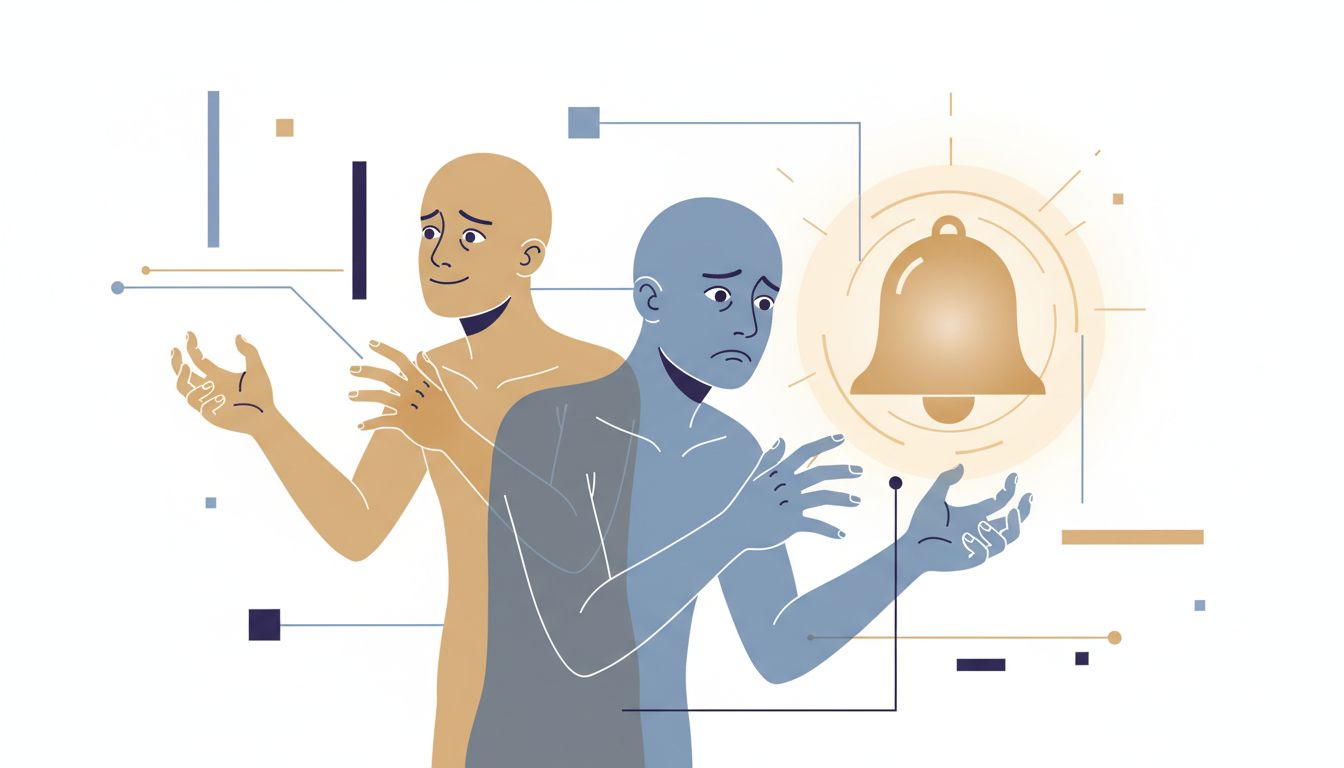
The standard productivity advice goes like this: notifications are the enemy of deep work. Turn them off, batch-check them twice a day, protect your flow state. This advice is not wrong exactly, but it treats a symptom while leaving the actual condition untouched. The real problem is not that notifications interrupt your focus. It is that, for most knowledge workers, notifications have become their focus, and no amount of silencing will fix that.
1. You Designed Your Job Around the Inbox
Think about what a typical workday actually looks like for a software developer, product manager, or team lead. Not the idealized version with two-hour focus blocks, but the real version. You check Slack. You respond. You get pinged on a PR. You check the monitoring dashboard. You respond to an email about the email someone else sent. The work is the communication. The notifications are not arriving to interrupt a separate stream of productive activity. They are the productive activity, poorly organized.
This is not laziness or failure of discipline. It is a rational response to how accountability gets distributed in most teams. When your performance is partly measured by your response time, when decisions stall if you go offline for three hours, when “being available” is implicitly part of your job description, you have built a system where the inbox is the critical path. Silencing notifications does not change that system. It just makes you slower at running it.
2. Batching Works Only When Decisions Are Independent
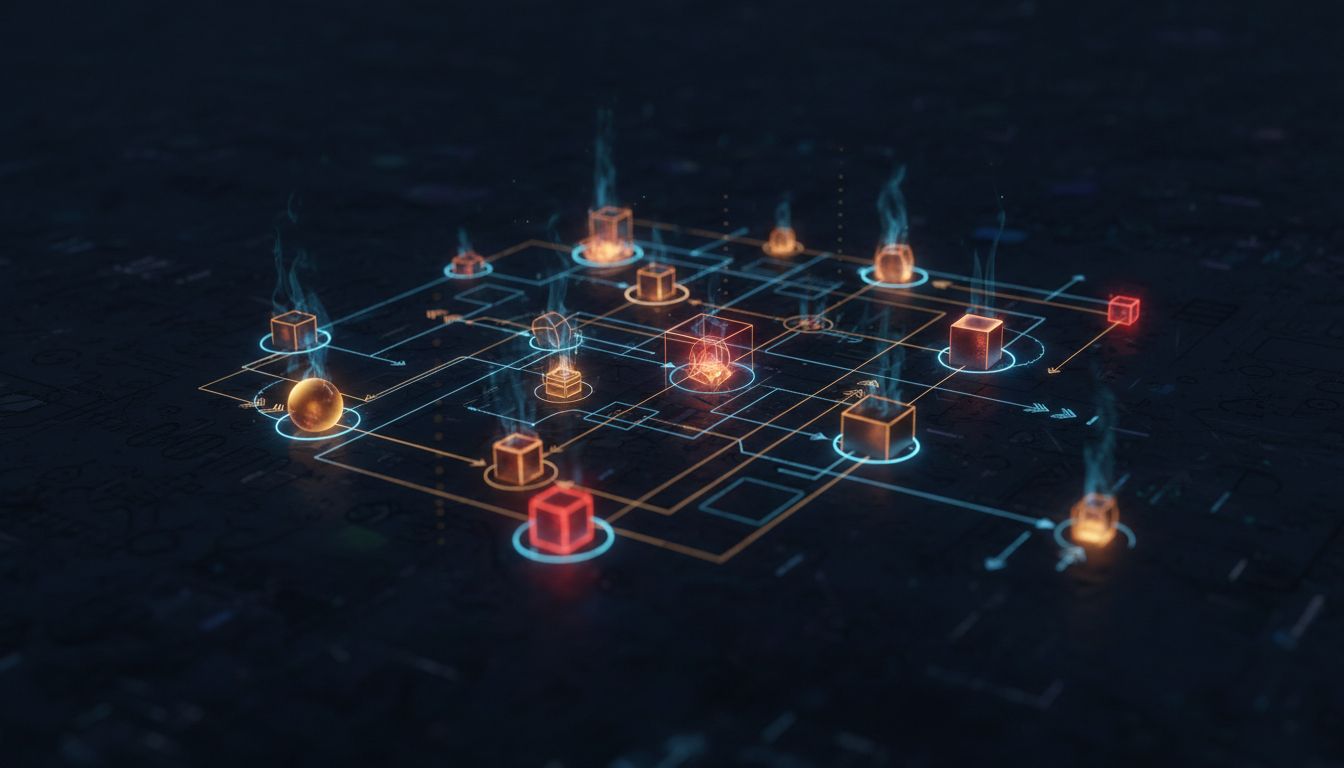
The batching strategy (checking notifications at 10am, 1pm, and 4pm) is borrowed from manufacturing logic. In a factory, you batch similar operations together because the setup cost is high. Context switching between tasks on a machine is expensive, so you minimize it. That logic applies to knowledge work when tasks are independent of each other. But most communication-heavy work is not like that. It is more like a dependency graph, where my answer unblocks your task, which unblocks someone else’s PR, which unblocks a deployment.
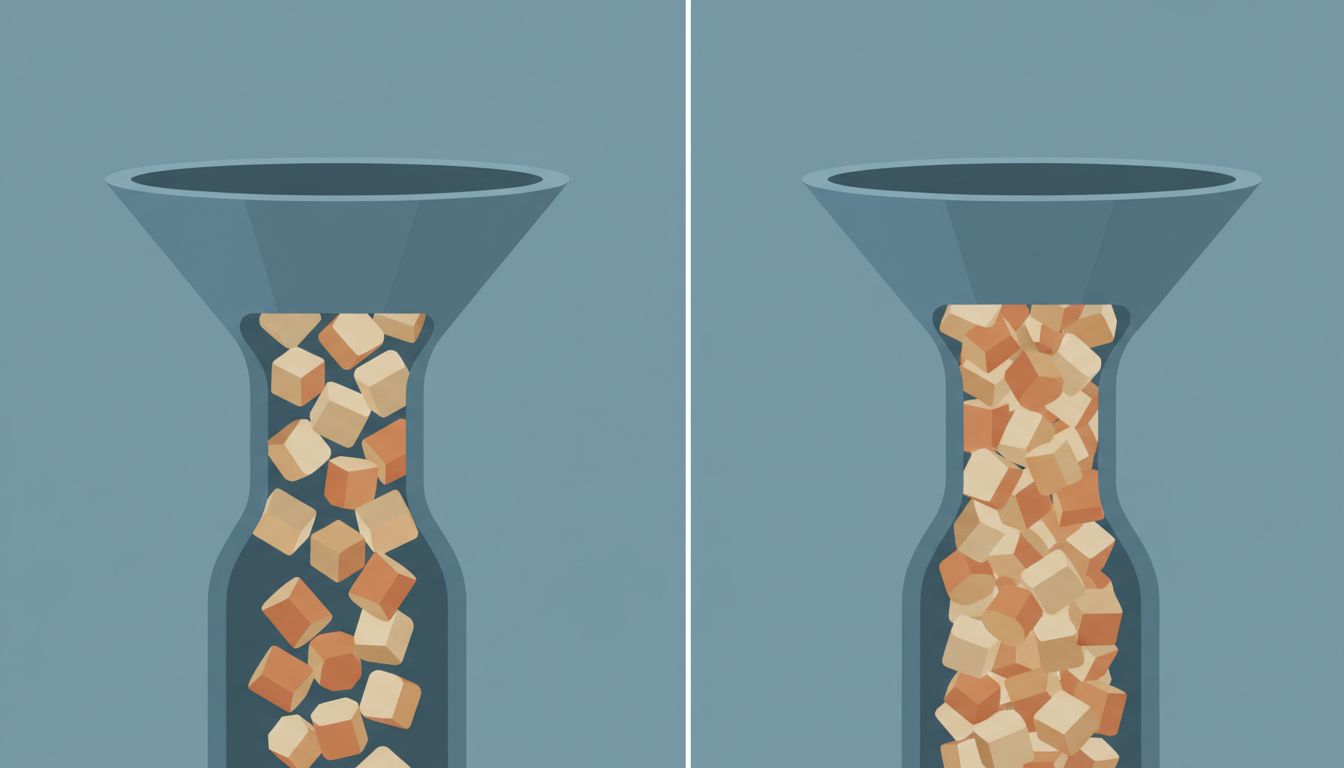
When you batch your responses in a high-dependency environment, you are not protecting your focus. You are inserting latency into other people’s critical paths. You end up with a queue that grows between your check-in windows, so when you do check, the cognitive load is heavier, not lighter. The interruption cost does not go away. You have just consolidated it into three large spikes instead of spreading it across the day.
The right fix is not to batch more aggressively. It is to redesign your workflows so that fewer decisions are time-sensitive, which is a structural change, not a notification setting.
3. The Attention Economy Angle Is Real But Often Misapplied
There is a legitimate critique of notification design. Mobile apps, social platforms, and many SaaS tools are explicitly engineered to maximize engagement, which means they optimize for triggering your attention as often as possible. The variable-reward mechanics that drive compulsive checking are not accidental. They are features. Understanding this is useful because it helps you identify which notifications are genuinely information-bearing and which are attention harvesting on behalf of someone else’s business model.
But the critique gets misapplied when people use it to dismiss all notifications as manipulation. A Slack message from a colleague asking for a code review decision is not an attention-economy trick. A GitHub notification that your CI pipeline failed is information you actually need. The skill is not in silencing everything but in distinguishing signal from noise, and then fixing the organizational conditions that generate too much noise in the first place. That second part is the hard part that most productivity advice never touches.
4. Flow State Is Rarer Than the Literature Implies
Mihaly Csikszentmihalyi’s research on flow is real and valuable. The state of deep engagement where time disappears and output quality spikes is a genuine cognitive phenomenon. But the productivity-influencer version of this research has inflated it into something it was never meant to be: a daily operational target that most workers should expect to hit if they just eliminate distractions. Most complex knowledge work does not require flow state. It requires sustained, competent attention, which is a lower bar that is compatible with occasional interruptions.
When you frame every notification as a threat to flow, you create a kind of neurotic vigilance about your own concentration that is itself distracting. You spend mental energy monitoring for intrusions rather than just doing the work. There are tasks where you genuinely need two uninterrupted hours: designing a system architecture, writing a technical specification, debugging a gnarly race condition. For those, yes, close Slack and turn your phone over. But that is a deliberate mode you enter for specific tasks, not a permanent ambient setting. If you find yourself needing flow state all day every day to get your job done, that is a sign you have too much work, not too many notifications. Those are different problems with different solutions.
5. The Real Fix Is a Communication Contract, Not a Setting
Here is the thing that actually works: teams that handle notification overload well have usually done one specific thing. They have made their communication expectations explicit. They have agreed, as a group, on what warrants an immediate response versus what can wait four hours versus what should not be a message at all and should be a document or a ticket instead. This turns out to be surprisingly rare. Most teams inherit their communication norms from whoever set up the Slack channels and never revisit them.
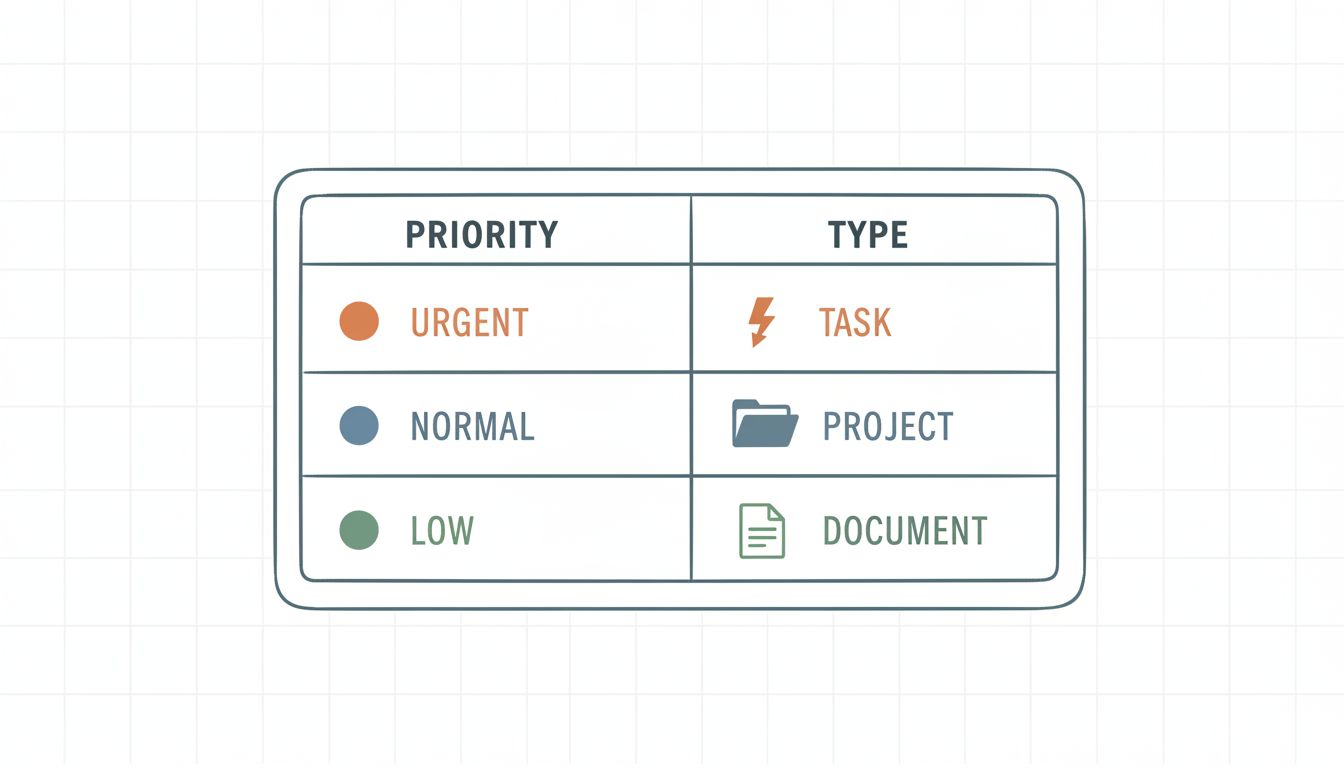
A communication contract does not have to be formal. It can be as simple as: urgent means someone responds within fifteen minutes, normal means same-day, and anything that requires a decision with more than two variables should be a document, not a thread. When those norms exist, turning off notifications during focus time becomes genuinely safe, because you have a shared understanding of when your absence is acceptable. Without those norms, silencing your phone is just a unilateral decision to make your colleagues wait, and it creates the kind of social friction that erodes trust in ways that are hard to recover from.
If you want to go further on this, the relationship between context switching and cognitive cost is worth understanding carefully, because it explains why the cost is not symmetric. Interruptions hurt more than you expect, but the solution requires addressing why they are happening, not just suppressing them.
The notification is not your enemy. The system that makes it necessary is the thing worth fixing.