The simple version
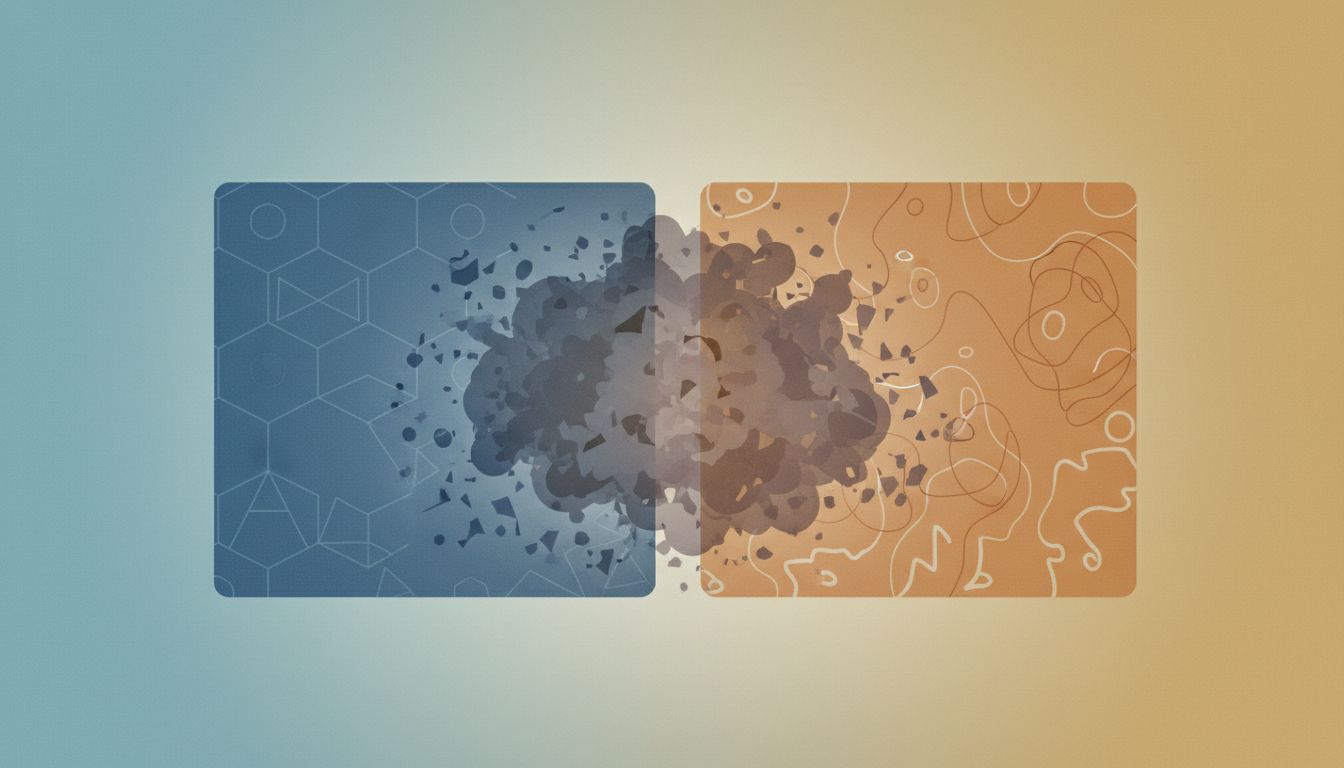
When you switch from one task to another, your brain doesn’t cleanly hand off control. It leaves a residue of the previous task running in the background, and that residue is expensive.
Your Brain Doesn’t Have a Context Menu
If you’ve ever watched an operating system switch between processes, you’ve seen something called a context switch. The CPU saves the state of the current process (what it was doing, what values were in memory, where it was in a sequence of instructions) and loads the saved state of the next one. It’s clean, deterministic, and takes microseconds.
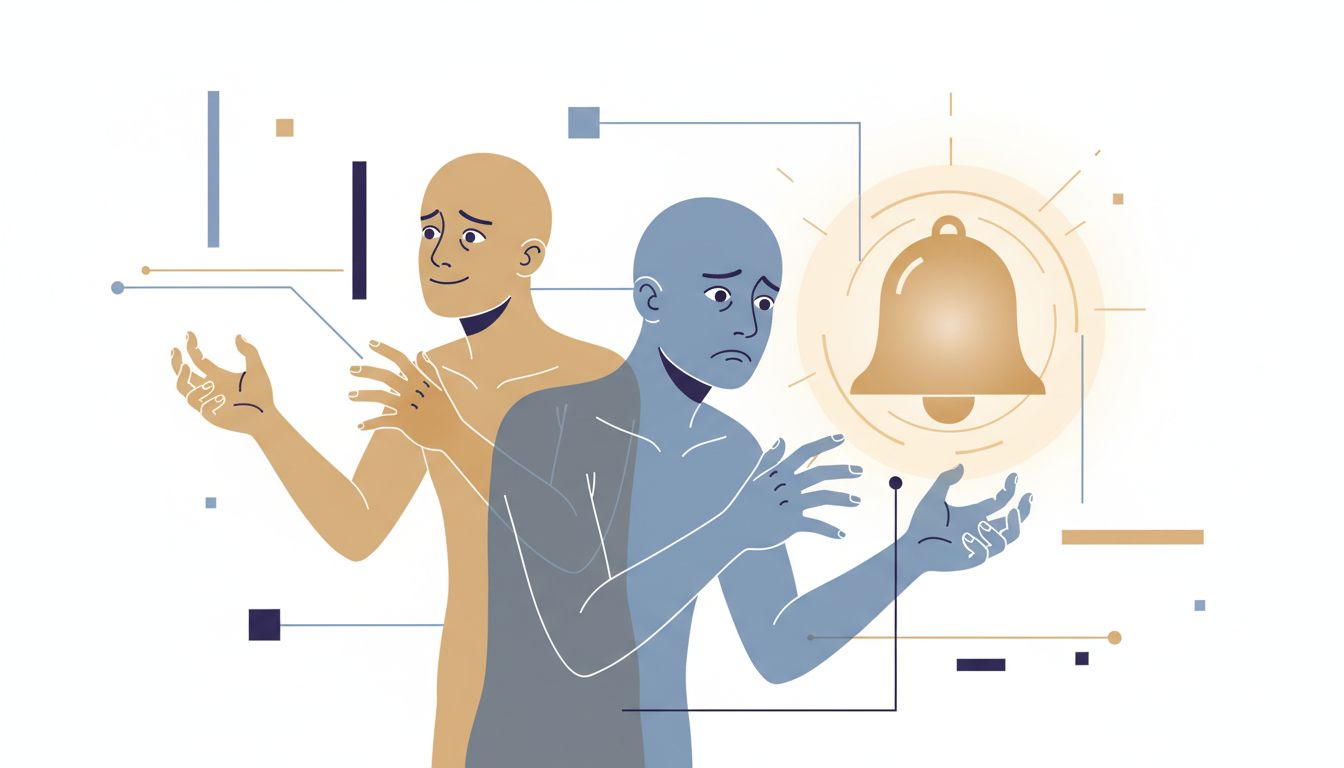
Your brain does something superficially similar but far messier. When you move from writing a design doc to answering a Slack message, your prefrontal cortex doesn’t save a tidy snapshot and restore it later. Instead, the cognitive framework you built for the first task, the vocabulary you were using, the constraints you were holding in mind, the emotional register of the work, lingers. Psychologist Sophie Leroy, who has studied this extensively, calls this “attention residue.” You’ve moved on, but part of your processing capacity is still handling open threads from the previous task.
The effect is measurable. Work on the interrupted task suffers because it’s competing for resources with the cognitive remnants of the thing you just left. The new task suffers because it’s being processed by a brain that isn’t fully present.
Why “Just a Quick Check” Is Never Just a Quick Check
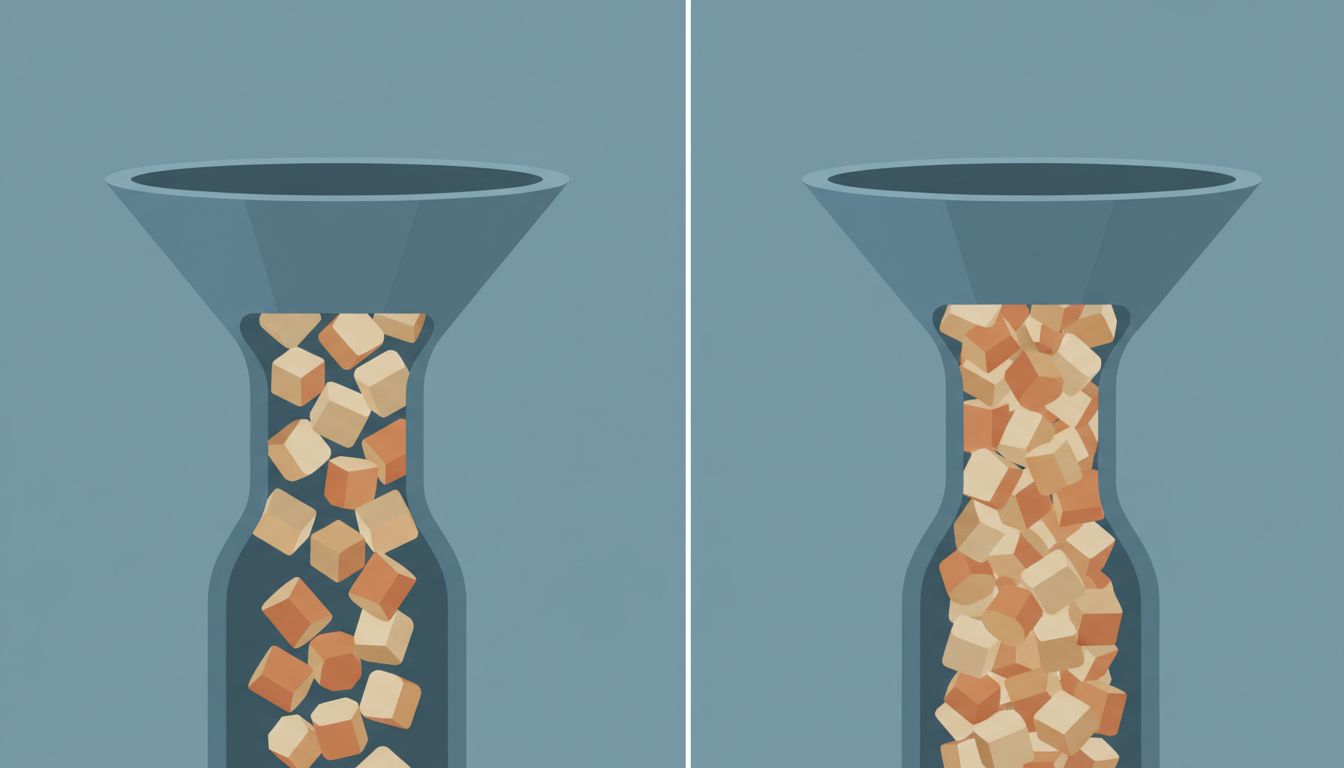
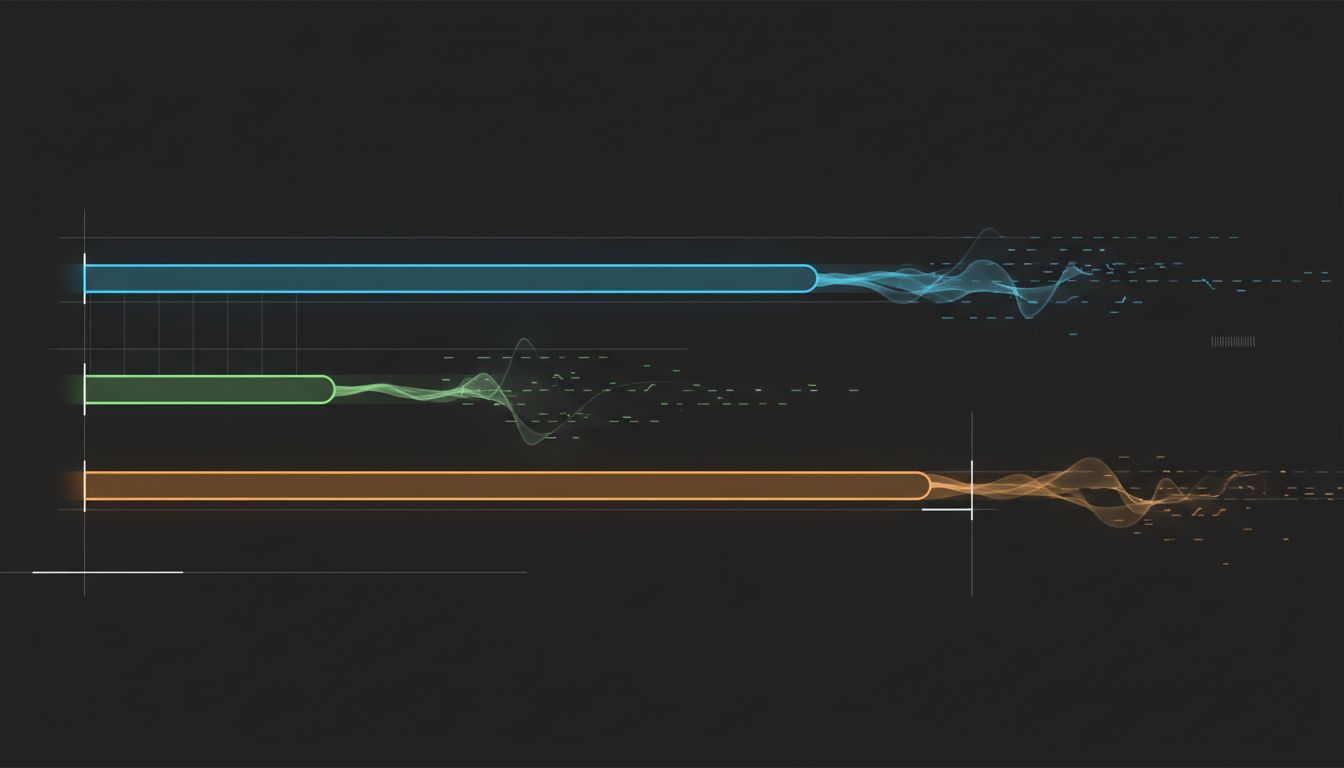
Here’s where it gets interesting. The cost of a task switch isn’t symmetrical. Switching from deep, focused work to a quick distraction is far more expensive than switching between two shallow tasks. This is because deep work requires you to hold a large amount of state in working memory simultaneously.
Think about what it actually takes to write a non-trivial piece of code. You’re tracking the function’s purpose, the data structures involved, the edge cases you’ve already handled, the ones you haven’t, the constraints from the rest of the system. That working memory load took time to build, and it evaporates quickly when something interrupts it. Rebuilding it afterward is not instantaneous. Research by Gloria Mark at UC Irvine found that it takes an average of over 23 minutes to return to a task after an interruption, though the specifics vary considerably depending on task type and individual.
The asymmetry matters for how you think about interruptions. A 2-minute Slack reply can consume 25 minutes of effective work time when you account for the wind-down and wind-up on either side. The calendar blocks 2 minutes. The real cost is invisible.
This is also why the advice to “just batch your notifications” is correct but incomplete. You can batch the notification handling. You can’t batch the attention residue from the task you left to handle them. The better move is to finish a complete sub-unit of the current task before switching, because a completed unit generates less residue than an abandoned one. It’s the mental equivalent of committing your work before checking out to another branch.
The Myth of the Task-Switching Expert
There’s a persistent belief that some people are just better at multitasking. They’ve trained themselves. They’re wired differently. The evidence doesn’t support this.
Psychologists Eyal Ophir, Clifford Nass, and Anthony Wagner at Stanford ran a study specifically looking at people who self-identified as heavy media multitaskers. The intuitive prediction was that these people would be better at filtering irrelevant information and switching tasks quickly. The actual finding was the opposite. Heavy multitaskers performed worse on every cognitive control task measured. They were more susceptible to distraction, not less.
The uncomfortable interpretation is that people who believe they’re good at multitasking may have simply habituated to the degraded output it produces. They’ve recalibrated their standards, not improved their capacity. This connects to something worth sitting with: you are probably not an exception to this.
There is one legitimate nuance here. Humans can do two things simultaneously when one of them is automatic, meaning it requires no conscious attention. Walking and talking is the textbook example. But the tasks knowledge workers care about, writing, analyzing, designing, deciding, are all in the conscious-attention bucket. They compete directly. There is no parallelism available.
What You Can Actually Do About It
A few things are genuinely useful here, and a few popular fixes are mostly theater.
The useful ones: defend the boundaries of your attention units rather than your time blocks. A two-hour focus block that you mentally abandon every 20 minutes is worth less than a 45-minute block where you stay put. The goal isn’t uninterrupted time, it’s uninterrupted cognitive state. Finishing a thought, completing a function, closing a loop before switching costs less than leaving mid-sentence.
Second, build explicit re-entry notes. Before you leave a task that you’ll need to return to, write down the state explicitly: what you were doing, what you were about to try, what’s still open. Externalizing that state removes the burden of holding it in working memory through the interruption. It’s a cache write before the context switch. The act of writing it also forces the partial completion that reduces residue.
The theater: most productivity app notification settings. The apps themselves are often the source of the switching impulse. Turning off banners while keeping badges is not a meaningful distinction if you’re glancing at your phone every few minutes regardless.
It’s also worth noting that the environment shapes this more than individual willpower does. If your work culture sends Slack messages and expects rapid responses, people will context-switch constantly regardless of their personal discipline. The cost of context switching is largely a systems problem, not a personal failing.
The Honest Bottom Line
Your attention isn’t a resource you allocate. It’s a state you build, and it takes time and favorable conditions to build it. Every task switch taxes that state. Some switches are worth the cost. Many aren’t, and we make them reflexively rather than deliberately.
The practical frame isn’t “how do I multitask better.” It’s “how do I make the switches I take be ones I chose, and make them at natural stopping points rather than mid-flight.” That’s a surprisingly hard thing to do when your tools are all optimized to interrupt you.