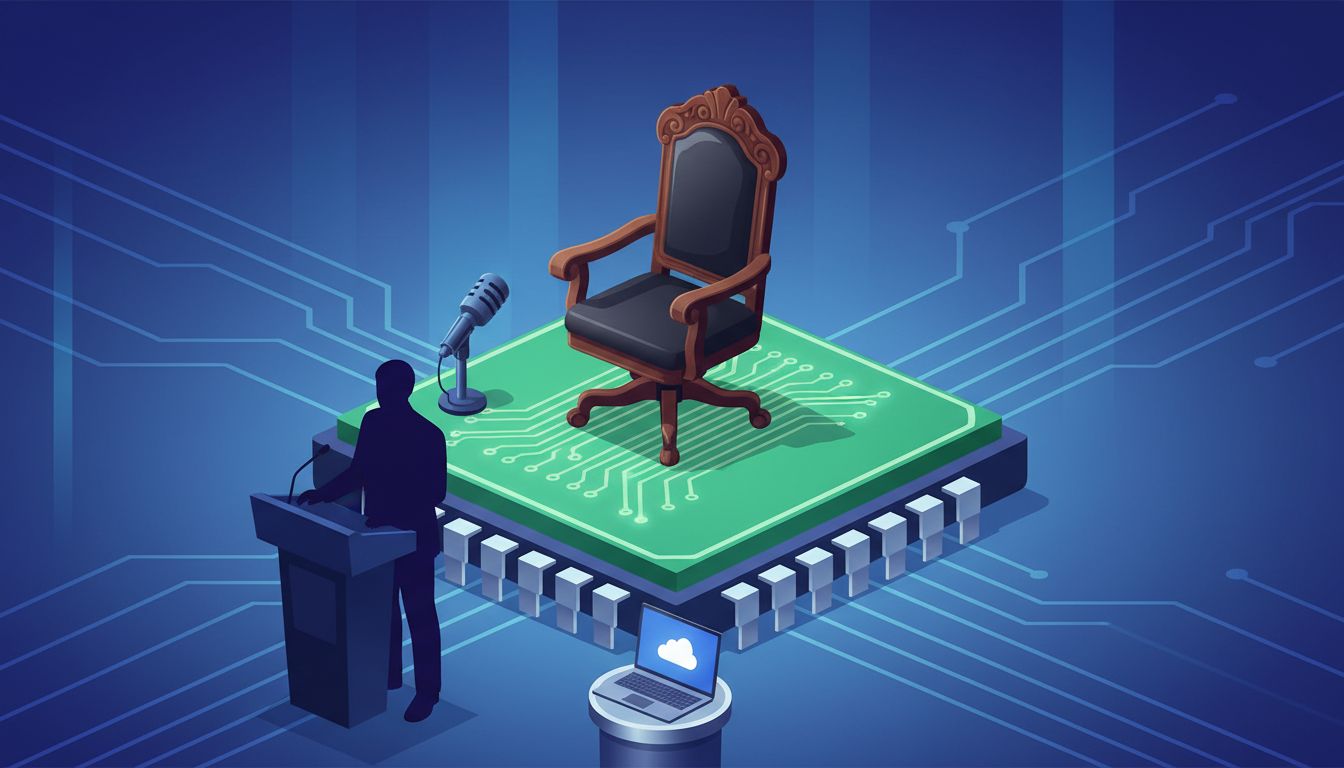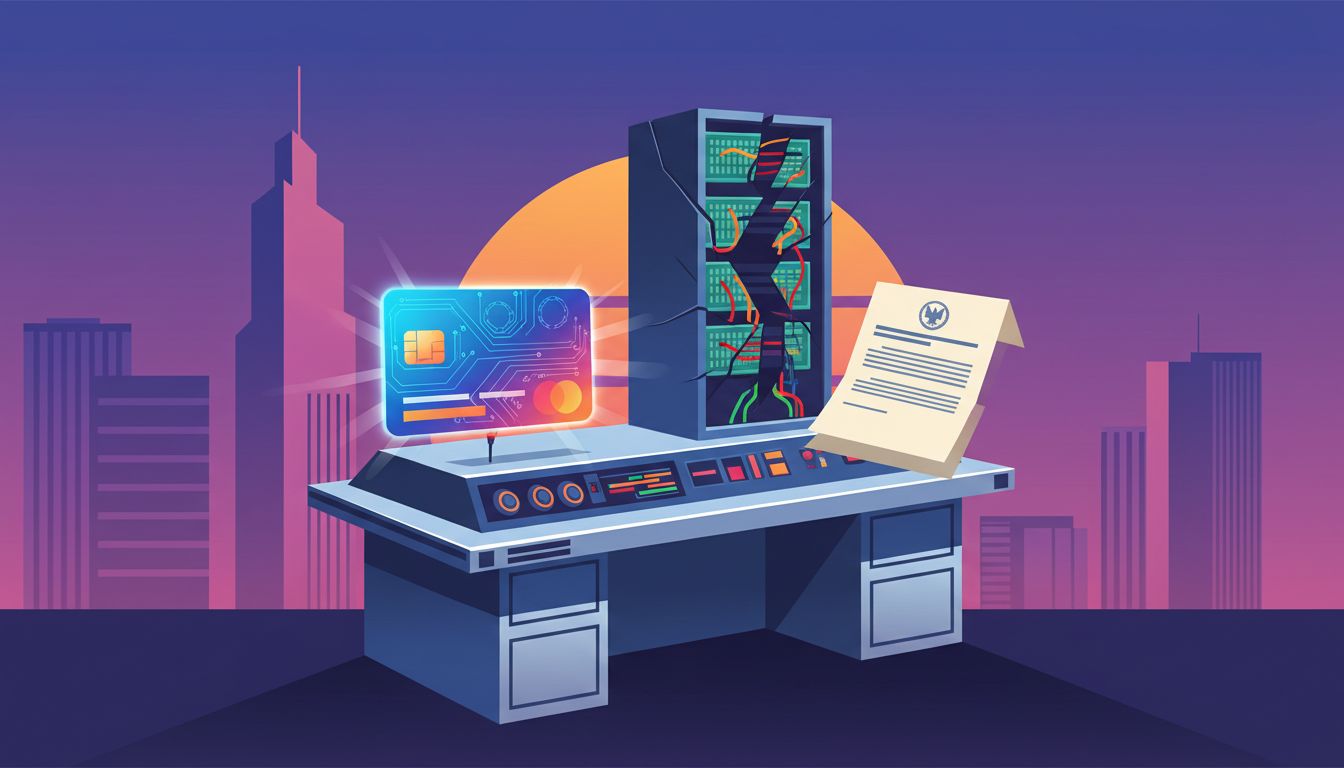
Today’s stories share one question: who is allowed to act, and who gets stuck with the bill when it goes wrong? The answers range from a payment prompt to a $19.4 billion contract to a congressional letter.
1. ChatGPT Wallet can shop for you, but it still has to ask
The headline version is that AI agents can now spend your money. The actual launch is more cautious. OpenAI’s Wallet, limited at first to some US ChatGPT Pro subscribers, lets its agents (called dots) pick products, but you review the items, total and card, then approve with Face ID or a fingerprint. Purchases run on a payment token, so neither the agent nor the merchant sees the real card number, and card rewards and dispute rights still apply.
The risky part is what comes next. OpenAI says it plans spending limits and category or time-based rules so agents can handle pre-approved purchases more autonomously. That is where Cloudflare’s same-day Spend Management launch is a useful comparison. It is a different product, but Cloudflare’s point applies: alerts inform, and only hard caps control. Its caps pause the product when the limit is hit.
The other constraint is commercial. TechCrunch reports that DoorDash and Uber have seen few agent-placed orders, and Amazon blocks AI agents to steer people toward Alexa. An agent that can pay but isn’t welcome at the biggest store is a limited agent.
2. A researcher published a Windows zero-day that grants System rights
Ars Technica reports that a disgruntled researcher has released a Windows exploit called SignDrop. It lets a local user escalate to System, the highest privilege level on the machine.
The word “local” matters. An attacker needs to be on the machine already, so this is not a remote break-in. But privilege escalation is what turns a minor foothold, like a phished laptop or a compromised low-privilege account, into full control. The available text doesn’t say why the researcher went public, so the disclosure-ethics debate is still speculation. The practical advice for Windows shops is to watch for a Microsoft patch or mitigation guidance.
3. The FAA’s AI traffic advisor won applause from airlines, not controllers
The FAA is extending an AI tool that advises on air traffic congestion across the entire US airspace. Ars Technica notes the airlines praised it, while the air traffic controllers’ union wasn’t involved.
The system gives advice, and the supplied text doesn’t say how much weight controllers must give it. That still makes the omission awkward. The people who would act on or override its suggestions weren’t part of the rollout. Airlines gain from smoother schedules, but controllers carry the operational and safety burden, and a tool they weren’t consulted on is easier to distrust or misuse.
4. Nebius wants $40 billion, and Microsoft’s delays show the catch
Nebius is planning $40 billion to $45 billion of 2027 capex, and it says customer prepayments plus loans backed by investment-grade contracts could cover up to 85% of it. In effect, customers and their signed contracts are the balance sheet. That works nicely until the data centers arrive late.
They already are, at a Microsoft site in Vineland, New Jersey. Only just over half of the capacity is now planned for delivery by year-end, with the rest in Q2 2027. Microsoft’s contract is worth up to $19.4 billion. Per Nebius’s summary, Microsoft can terminate affected service after a grace period if dates are missed and no alternative capacity is offered, and late delivery carries financial penalties. Nebius cut its 2026 revenue forecast by $200 million to $3 billion, and shares fell 17%.
Nebius blames a third-party operator, DataOne, which faced a $1.1 million fine over unpermitted gas generators, and says its self-built sites are on time. But customers like Microsoft hold the leverage here, and Bloomberg reports Microsoft is tightening oversight of neocloud projects. Nebius’s financing depends on that goodwill.
5. Nvidia’s China saga now has two investigations, and one targets Lutnick
The day Nvidia ousted CEO Jensen Huang, after he confessed to an affair with a woman accused of being a Chinese spy, Democrats opened a second congressional inquiry. Notably, it isn’t mainly about Huang. Reps. Neal and Sen. Wyden wrote to Commerce Secretary Lutnick, asking about how the administration handled H200 sales to China.
Their letter describes a scheme in which chips pass through the US, get hit with a tariff that works like an export tax, and then receive a license. They call it unconstitutional. They also ask why Megaspeed kept buying chips after Lutnick was reportedly warned about its executive, and they note Nvidia’s $26 million in donations. These are allegations in a letter. As the minority, the Democrats can’t compel answers.
The Republican-led probe is separate: three House committees demanded closed-door testimony from Huang, and he agreed after resigning. Together they mean Nvidia’s China business is now scrutinized from both sides, with Commerce’s licensing under question too.