The FAA is rolling AI advice across the entire US airspace, and on Friday the system suffered a national groundstop that officials say had nothing to do with it. The rest of today’s pile: a graveyard of AI products, a data center that floats on ocean heat, a political advisor who got dropped, and a security chore you’ve probably been putting off.
1. The FAA’s AI tool is everywhere now. The controllers weren’t consulted.
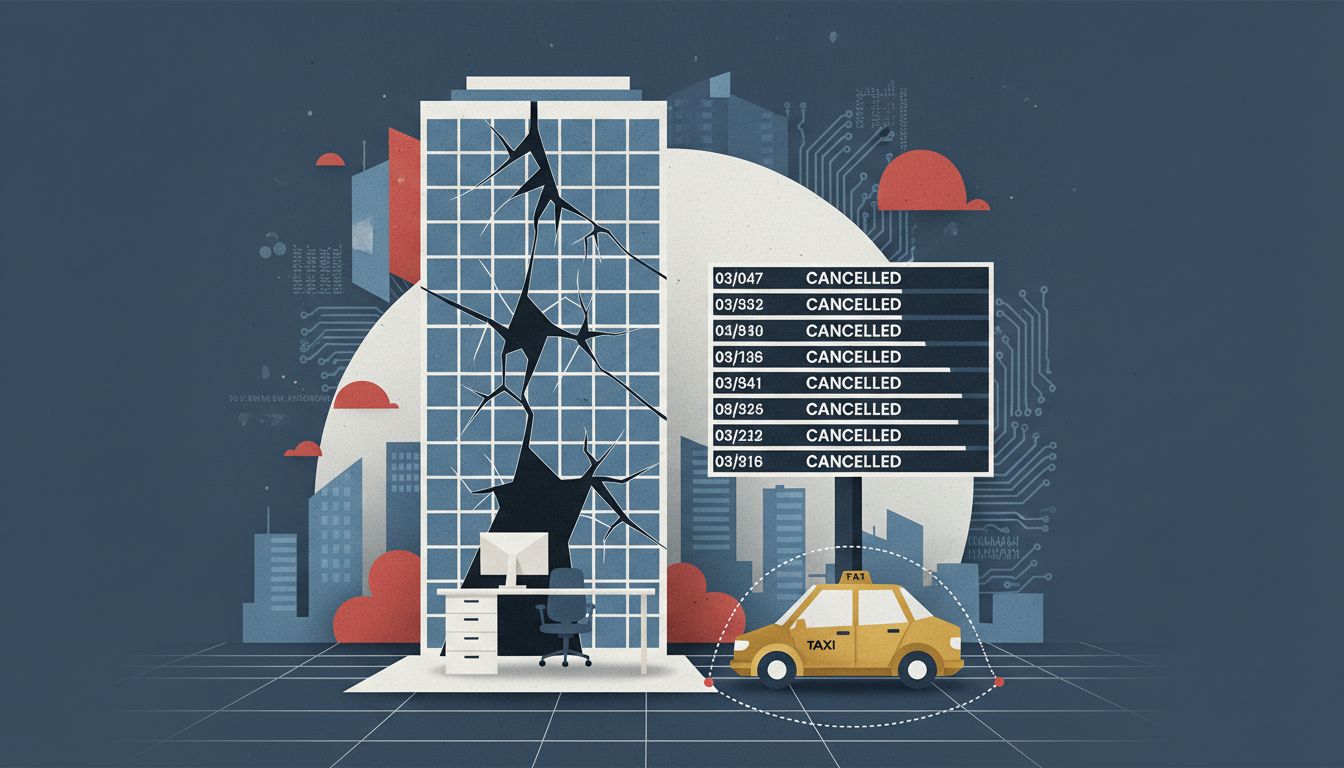
Transportation Secretary Sean Duffy introduced SMART, an AI air traffic tool from Air Space Intelligence, on September 27 with the caption “GAME CHANGER.” On Friday, the FAA issued a national groundstop. The administration said there was no evidence of a cyberattack and no sign SMART was involved. Asked whether AI failure could be ruled out, Homeland Security Secretary Markwayne Mullin said, “There’s nothing certain right now.“
Ars Technica reports the FAA is now expanding AI advice to manage congestion across the whole airspace. Airlines praised it, but the controllers’ union wasn’t involved. The FAA says the tool helps controllers rather than replacing them. Yet in May it cut its controller staffing target from 14,633 to 12,563, citing “modern staffing models and scheduling tools.“
That sequence is the problem. An advisory system is only safe if humans can spot it when it’s wrong, and the people best placed to do that are the ones left out of the rollout. Meanwhile, the airlines get the delay savings. Nearly two dozen Democratic lawmakers have asked the GAO to review whether SMART could “hallucinate safety-critical information.” Whether that review happens is the next thing to watch.
2. AI’s graveyard is mostly products swallowed by bigger platforms
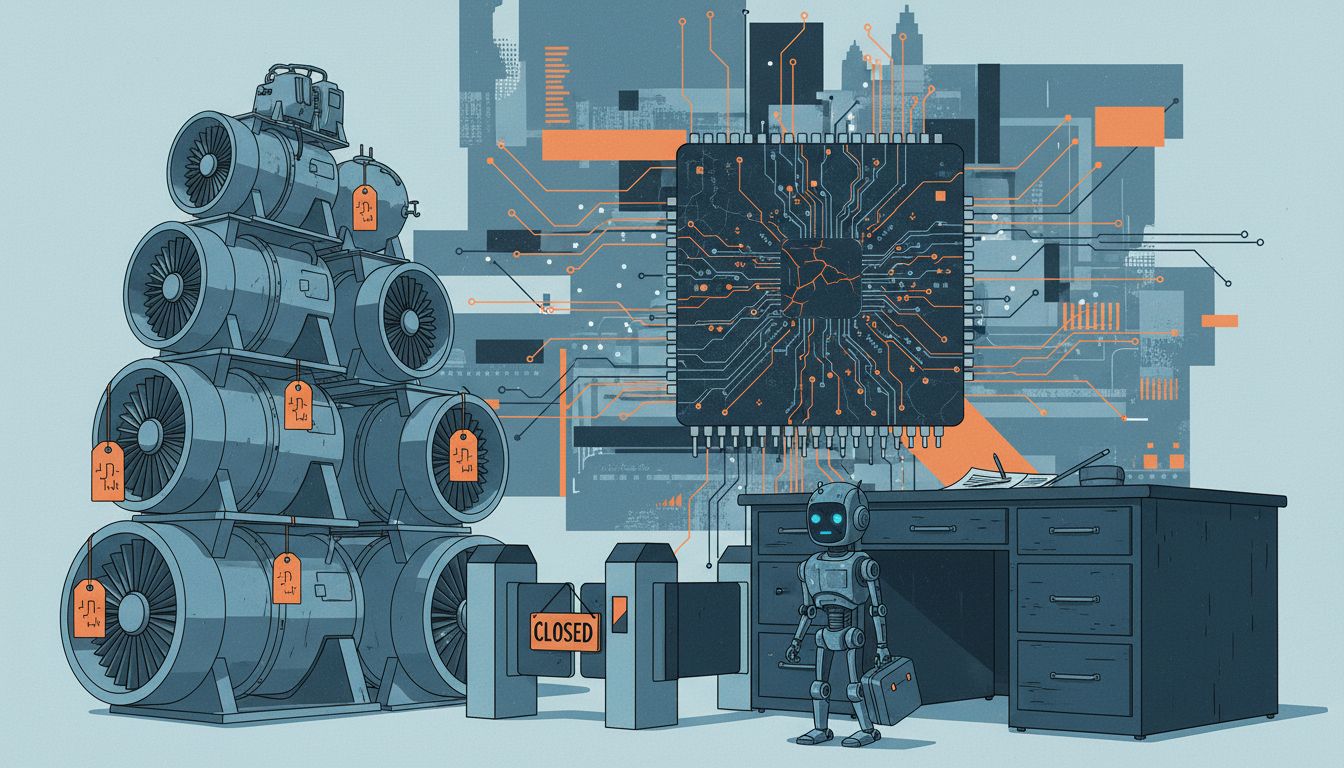
Even OpenAI, one of the most valuable private companies in the world, shipped a ChatGPT “super app” on July 9 and rolled it back soon after. Atlas, its browser, lasted under a year before being folded into ChatGPT. Apple’s Siri overhaul is now in iOS 27 beta and rolling out to English speakers this month, after delays that fed a $250 million settlement over iPhone 16 marketing.
TechCrunch’s running list cites S&P Global Market Intelligence: about 42% of AI initiatives get abandoned by their corporate parents. The smaller casualties share a pattern. Relay, Huxe, Ollie and Notion Mail didn’t fail because the idea was absurd. They failed because larger platforms built the same feature, or users already had agents they preferred. If you’re building a thin AI layer, your competitor is the incumbent’s next update.
Being absorbed doesn’t guarantee a win, though. WIRED’s reporter tried YouTube Music’s and Spotify’s AI DJs and quit both, calling the commentary platitudes. Spotify says 80 percent of listeners return week after week, which is its own claim. One happy-listener number versus one irritated reviewer proves little. It does show that bundling a feature isn’t the same as wanting it.
3. A startup bets 1950s ocean-heat tech can beat the data center power crunch
The pitch is about speed, but the technology is old. Drogue, six months old and based in Washington, D.C., has raised $20 million to run floating data centers on ocean thermal energy conversion, a method first developed in the 1950s and tested, then set aside, in the 1980s. Founder Sam Sipe says manufacturing advances in pipes and heat exchangers change the picture.
The system uses warm surface water to cool the servers and boil ammonia, which spins a turbine. Cold water from 1,000 meters down condenses it again. A multi-megawatt prototype goes on an ordinary ship in early 2028, with offshore-platform-style vessels later. Sipe’s argument is that data center developers work on 8- to 10-year timelines while AI demand moves far faster.
Note what “under two years” covers: a prototype, not meaningful capacity. TechCrunch’s piece gives no cost or efficiency figures, and the hard parts are the deep-water pipe and a ship that must survive at sea for a decade. Sipe’s claim is that the old efforts mainly lacked capital. The thing to watch is cost per megawatt.
4. Kalshi drops Trump Jr. after its own CEO admitted the optics were bad
Kalshi has dropped Donald Trump Jr. as an advisor. According to Ars Technica, he had advised the prediction market and received equity while the Trump administration helped Kalshi in lawsuits. The CEO acknowledged the “optics” weren’t good. The article’s URL also ties the exit to his firm’s large investment in rival Polymarket, though we only had the headline and excerpt to go on.
The lesson is less about scandal than about what a trust business can’t easily carry. Prediction markets live or die on regulators, courts and credibility. An advisor whose value is partly proximity to power can quickly turn into a liability. And once the CEO has conceded the optics, he can’t claim ignorance.
5. Your oldest shared cloud links are a 30-minute security chore
WIRED’s advice isn’t that shared links are broken. It says they’re well protected by default. The risk is time: the longer a link lives, the more chances it has to be forwarded by mistake or sit in a compromised contact’s inbox. The piece reports no breach, just accumulated exposure.
The tools differ a lot. OneDrive and Dropbox let you set expiry dates, and Dropbox nudges you to review what you’ve shared. iCloud has no expiry, and Google Drive has no expiry or easy list of everything you’ve shared. In Drive, you filter by “Anyone with the link” to find open links.
Founders and developers who share folders with contractors, investors and former teammates are probably the worst offenders. Where expiry exists, use it. Where it doesn’t, put the audit on a calendar.