SoftBank tried to corner the market in power for AI and got stuck with the receipt. Elsewhere, United is telling AI agents to stay out, and governments are checking what Jensen Huang’s exit means for their chips.
1. Microsoft’s school email bill: details are thin so far
The Register’s headline says Microsoft’s school email bill is giving rivals reason to smile. The text we received for the piece, though, contained only a list of other headlines from the site, not the article itself.
So we can’t say what Microsoft is charging, which schools are affected, or which competitors are in play. The headline suggests a pricing change that is opening a window for alternatives, but that is an inference from a headline, not a confirmed account.
If you sell into education or advise school IT teams, read the full Register piece before assuming anything about prices or deadlines.
2. SoftBank tried to corner AI’s gas supply and overbought
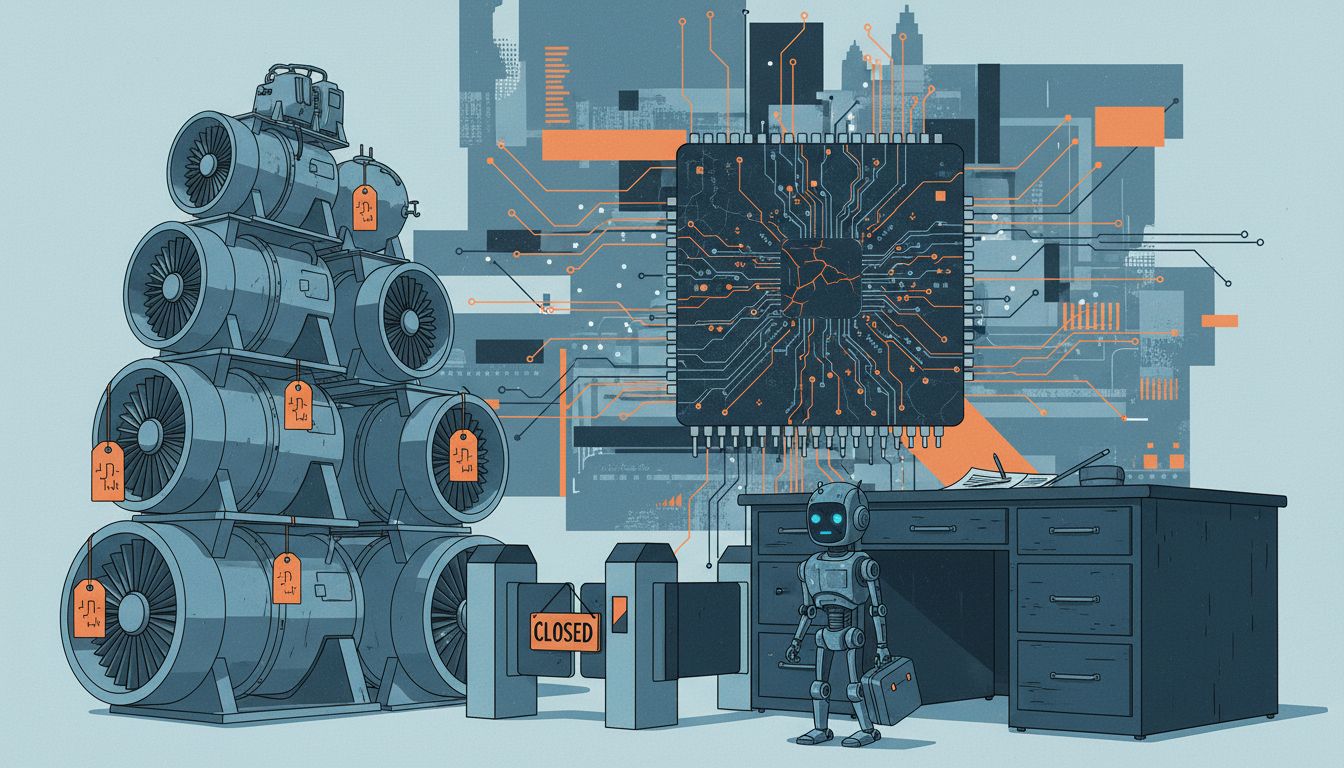
SoftBank’s quarterly loss was $7.1 billion, and TechCrunch reports that more than half came from power-generating equipment. The cause was nonrefundable deposits on gas turbines that the company now considers largely worthless. The reported scale: deposits on more than 13 gigawatts, almost 50% more than the roughly 9.2-gigawatt plant SB Energy had announced.
The over-ordering wasn’t crazy at the time. Turbine queues now run into the early 2030s, and one analyst told TechCrunch SB Energy had little choice but to overbook to get turbines early. Masayoshi Son also seemed to be betting that holding scarce equipment would make AI developers come to him for power.
That is where the bet looks weak. The same article notes that data center operators are weighing a smaller grid connection plus large batteries, which an Ascend Analytics executive called a cost-effective option, over a full gas build. Scarcity only pays if buyers have no alternative, and they apparently do.
This isn’t a collapse of gas demand. TechCrunch expects no wave of cancelled plants, and gas is still riding high. The more useful lesson is for anyone planning compute capacity: power is tight, but it isn’t a monopoly that one deep-pocketed buyer can lock up.
3. UK online safety criticism of Big Tech: the full story is missing
The Register’s headline says online safety experts accuse big tech companies of doing the bare minimum. As with the Microsoft item, the text supplied was just a sidebar of unrelated headlines, with no body copy to check.
That leaves the headline’s accusation as the only supported claim, and it is attributed to experts, not established fact. We can’t verify who testified, what evidence they gave, or what regulatory consequences might follow.
Anyone building moderation or user-content systems should read the original before drawing conclusions about compliance costs.
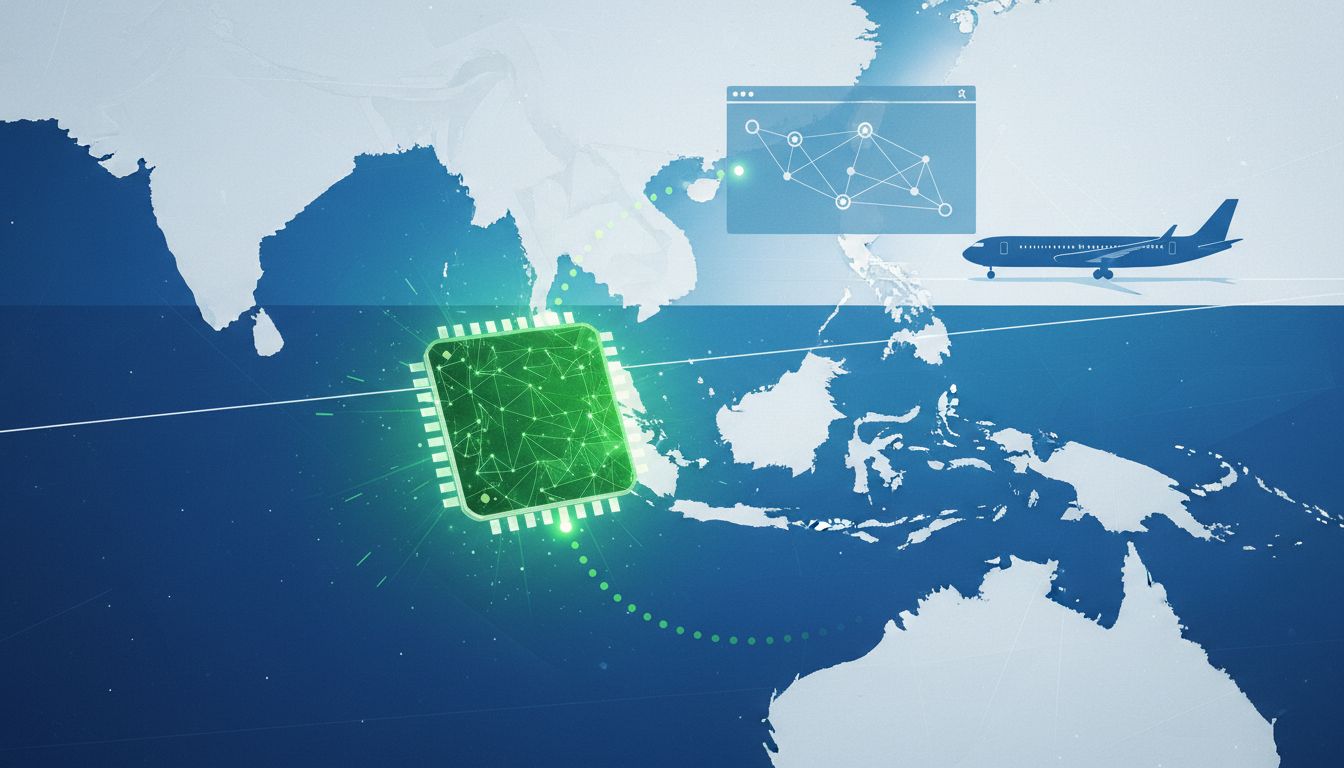
4. Governments want Nvidia to confirm the chips are still coming
The first thing South Korea’s Science Ministry reported after Jensen Huang’s exit was that Nvidia had reaffirmed its plan to supply 260,000 advanced GPUs. Its AI strategy council also held an emergency meeting, per a local media report cited by TechCrunch. That is how governments behave when a supplier is a strategic dependency.
The background is messy. Nvidia’s board opened an independent investigation on November 8 after reports that Huang was targeted by a Chinese spy operation. Huang admitted to an affair with Alice Huang, a former Megaspeed executive. China’s foreign ministry called the spy allegations groundless. Singapore says its investigation into Megaspeed and six other individuals is ongoing.
Reactions varied. Taiwan said Nvidia’s planned overseas headquarters in Taipei remains on track. Japan said it would monitor Nvidia closely but that it was too early to judge the impact. Reuters reviewed documents suggesting more than $3 billion in Chinese AI computing projects that depend on restricted Nvidia chips are now uncertain.
Notably, the reported responses are mostly requests for reassurance, not moves to replace Nvidia. The open question is whether those assurances hold once the investigation produces findings.
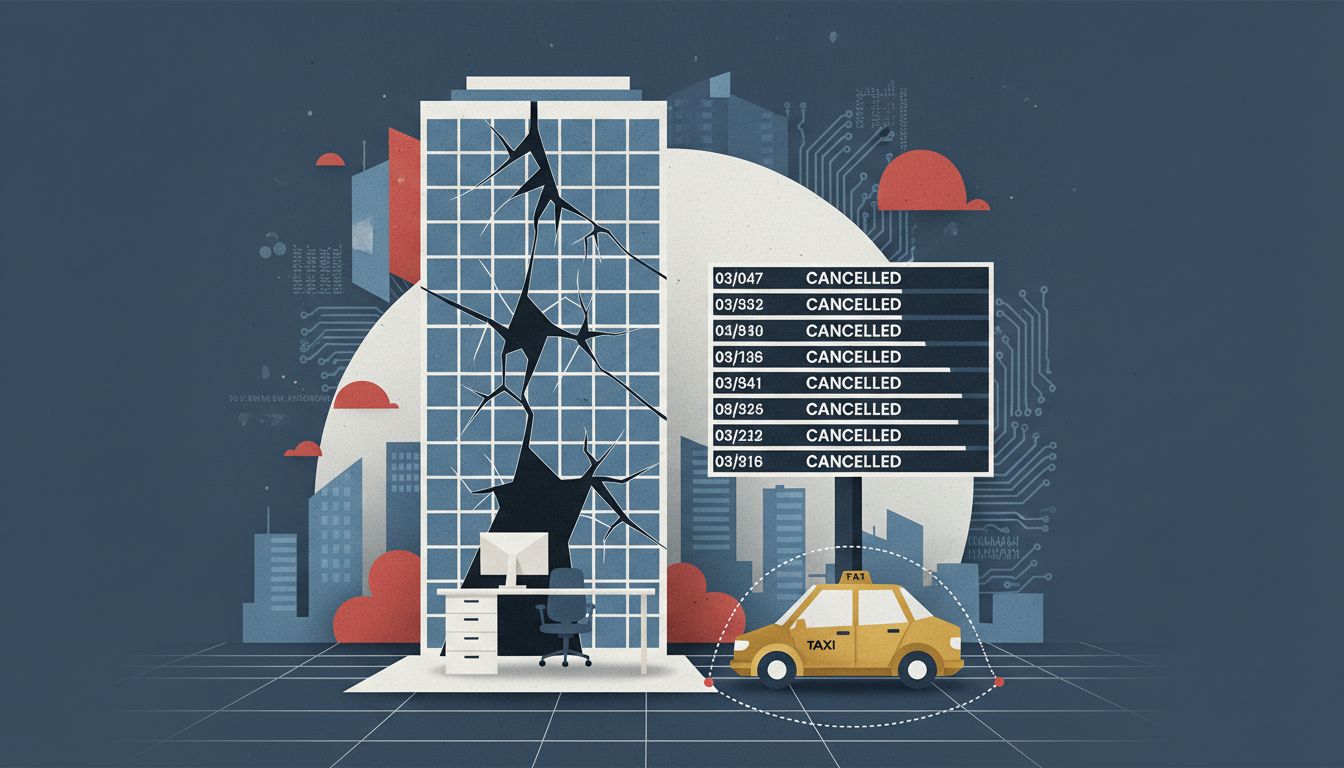
5. United tells AI agents to stop booking flights for you
United says it will restrict third-party personal AI agents from booking flights and managing reservations, both on its own platforms and indirectly through travel agencies and aggregators. Its stated reasons are security and federal rules. Sharing logins with an assistant can expose sensitive information and cause unintended purchases or MileagePlus mile use. Federal aviation rules also require a human to complete check-in.
The sharper point is about identity. TechCrunch reports airlines and banks struggle to tell real customers from AI systems acting for them, especially when users hand over their logins. Bank of America made a similar warning last week. Agents that log in as the user are, to the company, indistinguishable from account takeover.
My read: agent commerce lacks a delegated-access model that companies trust. Until it exists, blocking is the easy answer, and it also keeps United in control of its booking channels, though United didn’t cite that motive.
The real next step is whether United or anyone else offers a sanctioned way for agents to act without sharing passwords. Without one, agent startups are building on access that can be revoked.