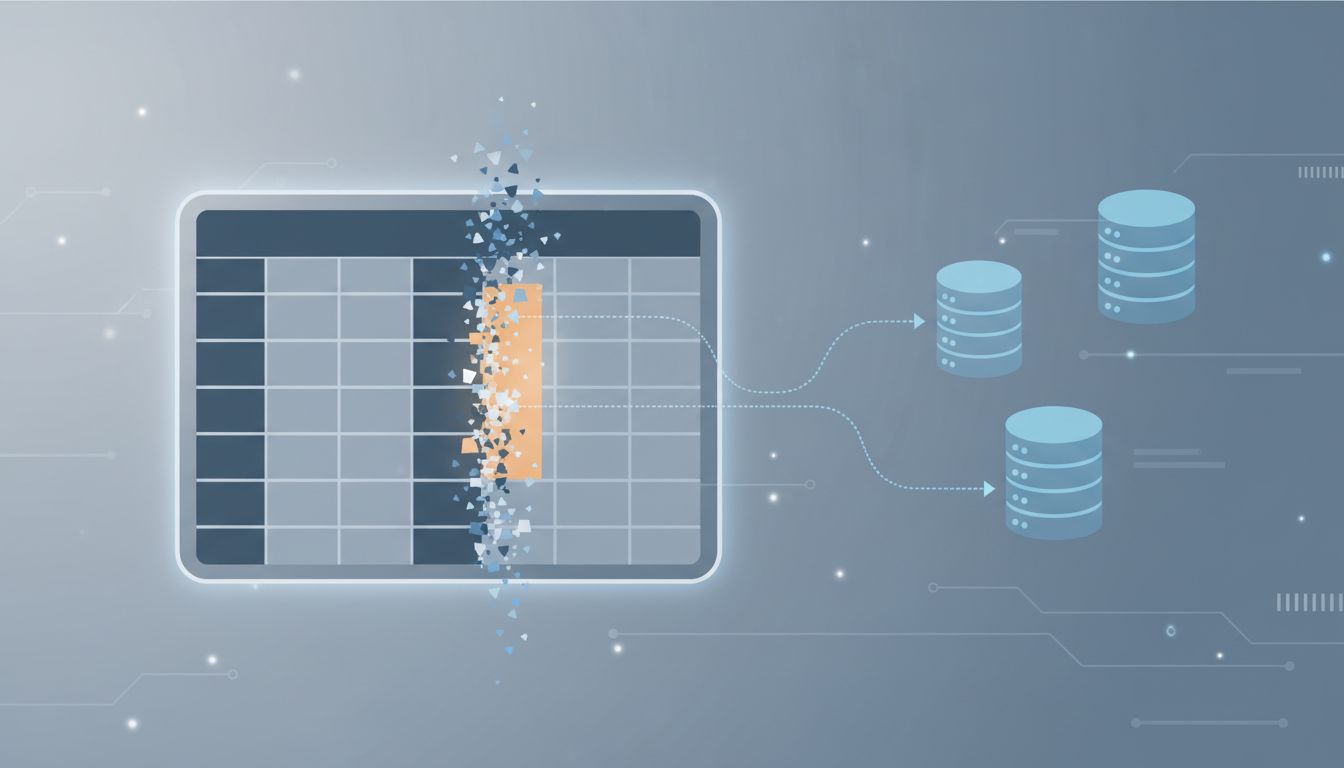
Deleting a Database Column Is Harder Than It Sounds
The most dangerous database migrations are not the ones that add complexity. They are the ones that look trivially simple. Dropping a column from a table sounds like cleanup work, the kind of thing a junior engineer handles on a slow Friday afternoon. In practice, it is one of the most reliable ways to cause a production outage, and the reason tells you something fundamental about how large software systems actually work.
The Problem Is Not the Database
Modern relational databases handle column removal without much drama at the storage level. PostgreSQL, MySQL, and SQL Server can all execute ALTER TABLE DROP COLUMN reasonably quickly on most tables. The command itself is not the hazard. The hazard is everything that runs before and after it.
The core issue is deployment sequencing. In any production system with multiple application servers, you cannot update the database and all running application code simultaneously. There is always a window, sometimes milliseconds, sometimes minutes, during which old code is running against a new schema. Drop a column that the old code still tries to read, and you get errors. Drop a column that the old code still tries to write, and you get errors. The database will dutifully return null, raise an exception, or simply reject the query, depending on how the ORM or query layer handles missing columns.
This is the fundamental tension: databases are stateful and singular, while application deployments are rolling and distributed. Schema changes and code changes cannot be atomic across both simultaneously.
Why ORMs Make This Worse
Object-relational mappers are, in this context, a trap with good marketing. Most ORMs, when they load a model, issue something equivalent to SELECT * against the underlying table or cache the column list at startup. This means an application server that deployed before the migration still has the old column in its mental model of the table. When it queries and that column is missing, the behavior depends on the ORM, and the ORM’s behavior is rarely what you want.
ActiveRecord, Django’s ORM, Hibernate, and their cousins handle this inconsistently. Some raise exceptions on startup when the schema does not match the model. Some raise exceptions at query time. A few will silently return nil or null for missing columns, which is arguably the worst outcome because it produces no immediate error and instead causes subtle data corruption or logic failures downstream. The only safe assumption is that old code touching a dropped column will behave badly.
The situation compounds with read replicas. A large production system might have several replicas lagging behind the primary by seconds or more. Even after the migration completes on the primary, queries routed to replicas may still see the old schema for a period. In high-traffic systems, a meaningful fraction of reads will hit that window.
The Safe Path Requires Multiple Deployments
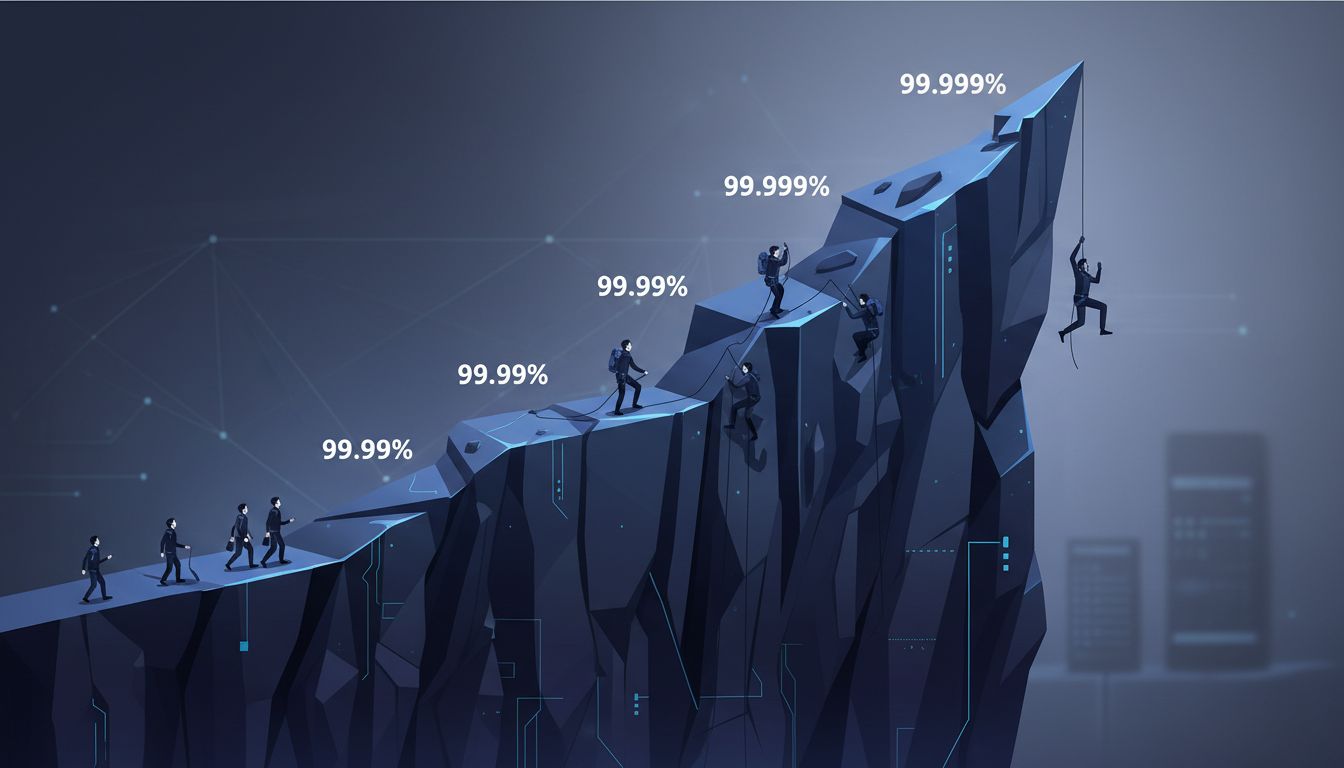
The correct approach to dropping a column is not a single migration. It is a sequence of at least three distinct deployments, each requiring verification before proceeding to the next.
First, you deploy code that stops using the column. The column still exists in the database; the application simply no longer reads from it or writes to it. This deployment needs to run successfully across all application servers, including any background workers or async processors that might reference the column in long-running jobs.
Second, you verify. This is not optional. You check application logs, query logs, and monitoring dashboards for any remaining references to the column. This phase can take hours or days, depending on how confident you are in your search coverage. Columns have a way of appearing in places nobody thought to check: analytics pipelines, audit logging systems, admin tools built by a contractor three years ago.
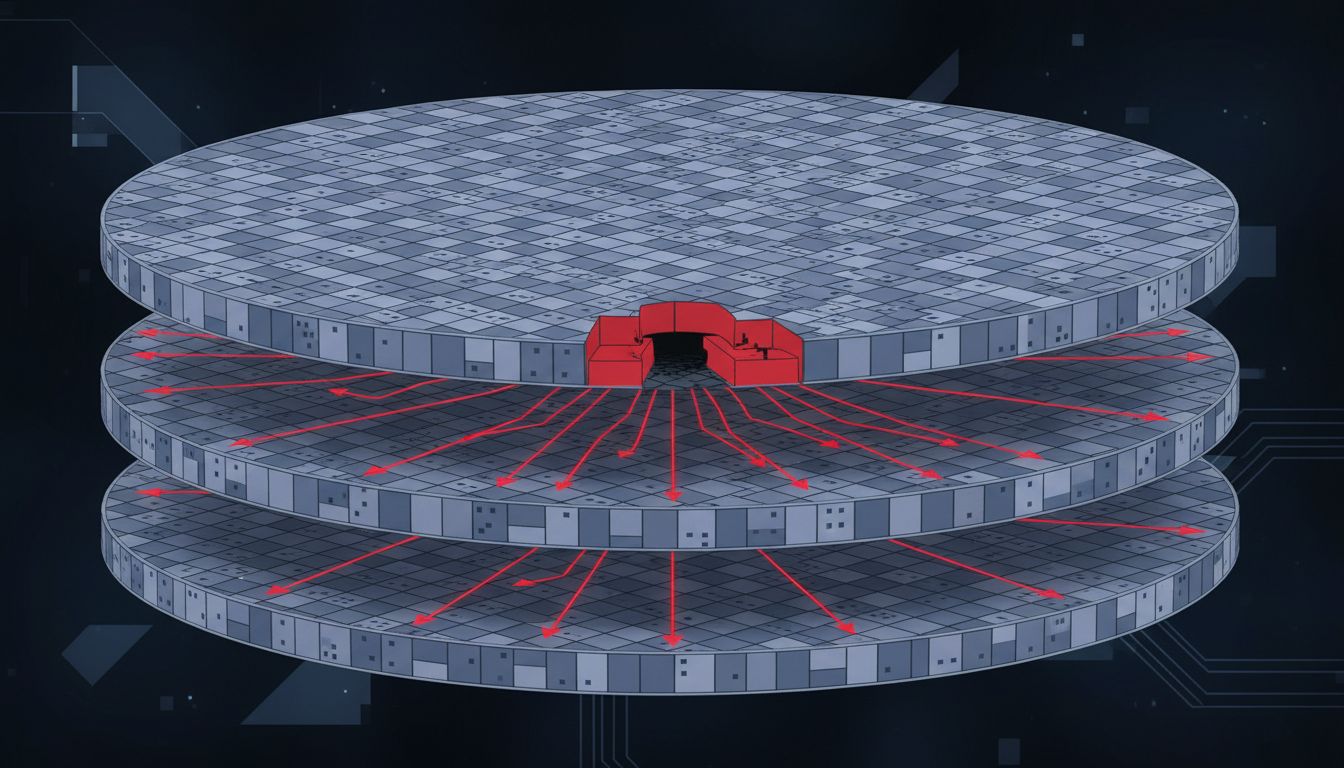
Third, only after confirming zero active references, you run the actual migration to drop the column. In PostgreSQL specifically, on large tables, even this step requires care because a naive ALTER TABLE takes an ACCESS EXCLUSIVE lock that blocks all reads and writes for its duration. For a table with hundreds of millions of rows, that duration is not negligible.
PostgreSQL 12 introduced a path to avoid full rewrites for some column drops by marking columns as invisible rather than physically removing the data immediately. This helps with lock duration but does not eliminate the sequencing problem.
The Hidden Cost Is the Archaeology
Before any of this sequencing work can begin, you have to actually find every place the column is used. This sounds easy. It is not.
Modern applications query databases through many layers: raw SQL strings scattered through the codebase, ORM model definitions, migrations that reference the column in older data transformations, stored procedures, database views that join or alias the column, reporting queries in a separate analytics repository, event-sourcing systems that replay historical events containing the column, and third-party integrations that were given direct database access years ago and may no longer be actively maintained.
The null pointers have been killing software for 60 years problem and the column-drop problem share a family resemblance: both are cases where a reference that should have been cleaned up long ago is still lurking somewhere in the graph of a system, waiting to surface under exactly the wrong conditions.
Organizations running microservices face a compounded version of this problem. A column in a shared database might be referenced by teams who no longer remember they depend on it. Service A wrote to the column in 2019. The engineer who built that feature left. The code still runs. No one thinks to check Service A’s repository when Service B’s team decides to clean up the schema.
Schema Changes Are a Distributed Systems Problem
The broader lesson is that a database column is not just data. It is a contract. Every application that has ever read from or written to that column has implicitly agreed to the contract’s terms. Dropping the column means renegotiating that contract with every party simultaneously, and in a large enough system, you may not know all the parties.
This is why mature engineering organizations treat schema changes with the same ceremony as API version deprecations. You announce, you set timelines, you monitor, and you remove only after the evidence supports removal. The teams that get burned are the ones who treat the database as internal infrastructure that can be changed unilaterally, rather than as a shared interface with all the obligations that implies.
A one-line SQL command, issued without this context, can cascade into an outage that takes hours to diagnose. The column is gone. The code that expected it is still running. The error messages are cryptic. The on-call engineer is staring at a dashboard that offers no obvious explanation. It is a thoroughly preventable situation, but only if you understand that the hard part was never the deletion itself.