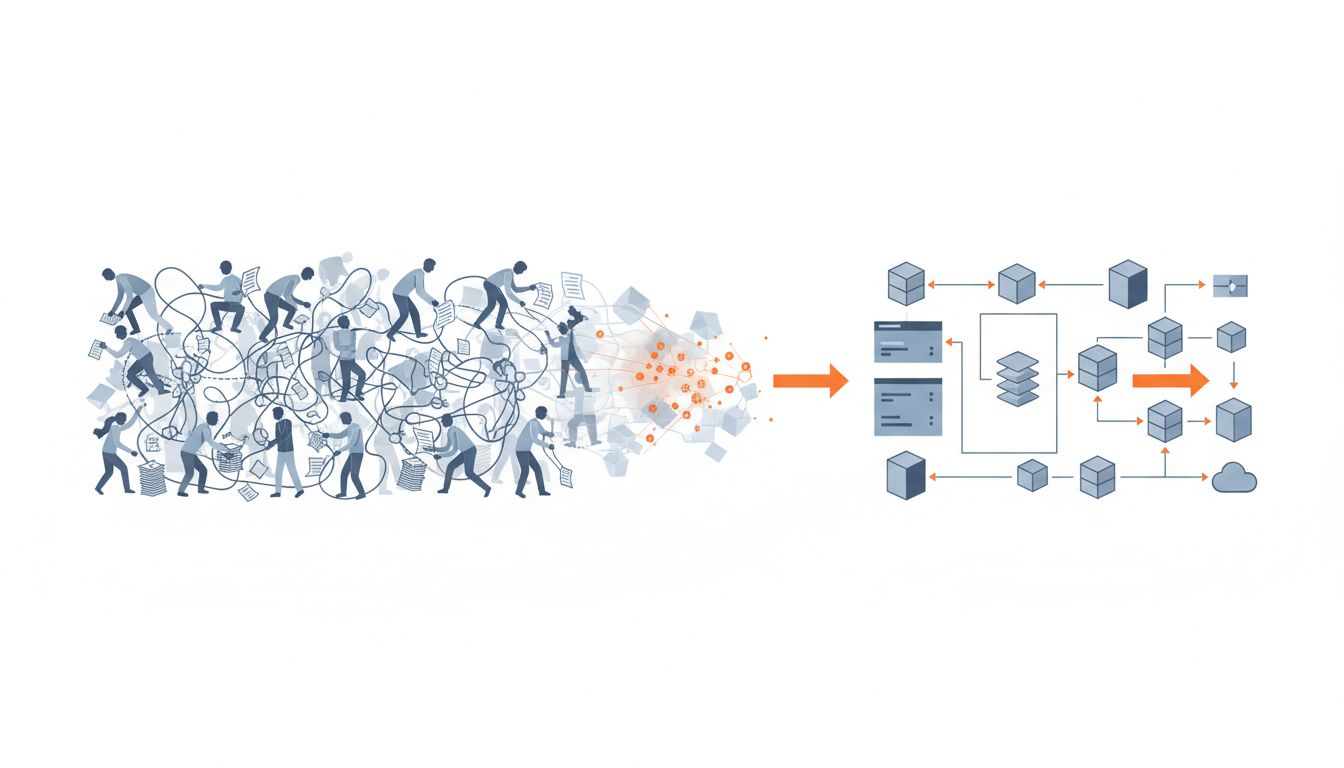

A founder I know spent six months building a feature her team didn’t believe in. It wasn’t on the roadmap. It pulled engineers off work that mattered. She built it because a customer demanded it, and that customer was paying enough that saying no felt dangerous. When I asked her what tier that customer was on, she paused. “Our lowest one.”
This is what bad pricing does. It lets the wrong people in, and once they’re in, they cost you everything.
Pricing is a filter, not just a revenue mechanism
Most early-stage founders treat pricing like a math problem. Cover costs, add margin, compare to competitors, ship it. What they miss is that price doesn’t just determine who can afford you. It determines who shows up, what they expect, and how they behave once they’re inside.
Basecamp has been public about pricing high enough to attract customers who take the product seriously rather than customers who need hand-holding and generate support tickets. Their model has never been about maximizing the number of users. It’s been about maximizing the quality of the relationship with each one. That’s not an accident. That’s a deliberate filter built into the price.
When you charge too little, you attract people who are price-sensitive by nature. Those customers will churn the moment a competitor undercuts you by ten dollars. They’ll demand features that don’t fit your product vision because they feel entitled to direct the roadmap in exchange for their small payment. They will, as my founder friend discovered, exhaust you.
High prices signal something to the right customers
There’s a counterintuitive dynamic at work here. The customers you actually want, the ones with real budgets, real problems, and real authority to make decisions, often interpret a low price as a red flag. If your enterprise software costs less than a team’s monthly lunch budget, a serious buyer will wonder what’s wrong with it.
This isn’t just psychology theory. Stripe’s pricing has never competed on being cheap. They charge more than many alternatives and have built a customer base of high-growth companies that care about reliability and developer experience, not invoice size. That customer profile didn’t happen despite their pricing. It happened because of it.
When you price seriously, you attract buyers who are also being serious. They’ve gone through a budget process. They’ve compared options. They’ve made a real decision. That kind of customer shows up differently in your support queue, in your feedback sessions, and in your renewal conversations.
Cheap customers generate expensive problems
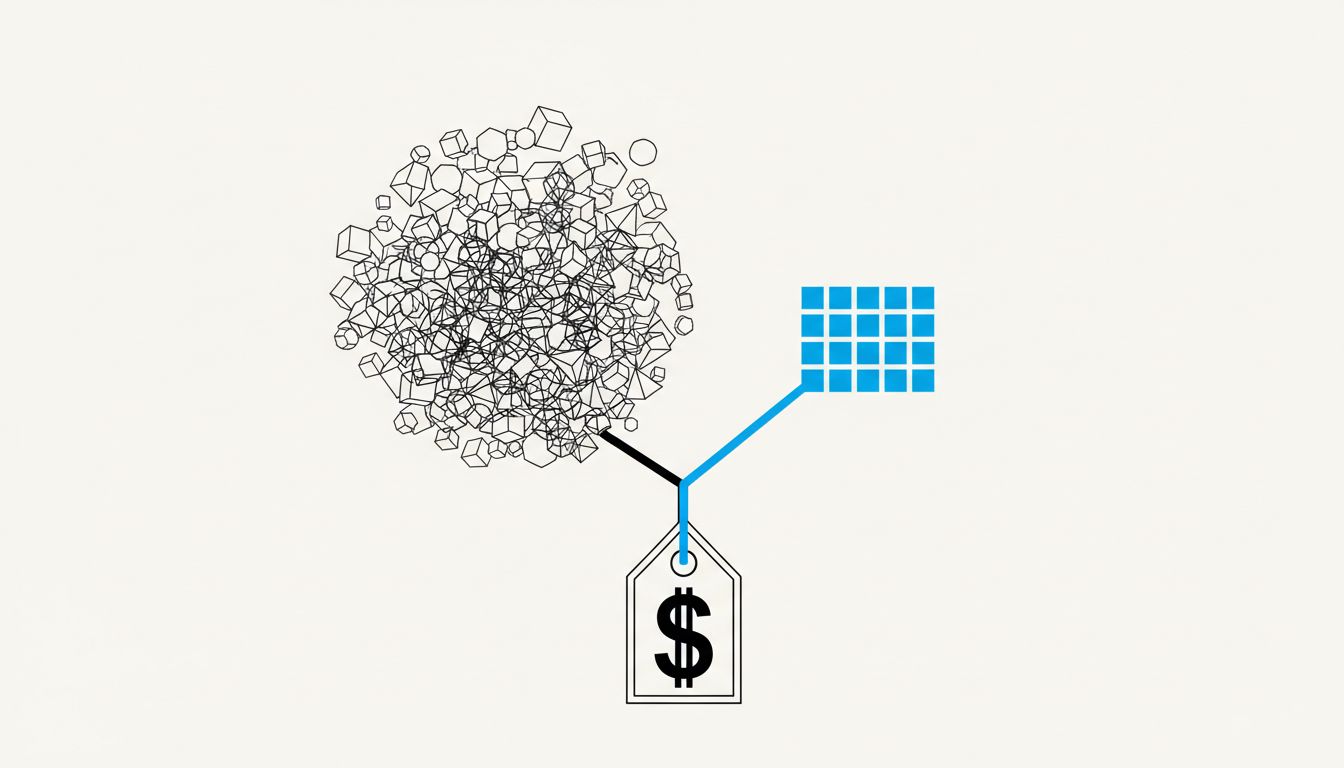
The operational cost of a bad-fit customer is almost always invisible until it’s too late. It shows up as support volume that scales with user count rather than with revenue. It shows up as churn that looks like a product problem but is actually a customer-mix problem. It shows up as the feature requests that pull your roadmap sideways for a quarter.
This is the trap that fast growth can disguise. You see users going up and assume the business is working. But if you acquired them at the wrong price point, you built a support organization and an operations burden that your revenue can’t sustain. The unit economics were broken from day one.
Free trials and freemium tiers make this worse when they’re designed without intent. Friction at the conversion point, whether that’s price, a required credit card, or a genuine conversation with sales, filters out people who were never going to be good customers. Removing that friction in the name of growth is often removing the filter you needed most.
Pricing tiers as customer segmentation
The most sophisticated version of this isn’t just charging more. It’s using tiered pricing to route different customer types to different parts of your business, or away from it entirely.
A well-designed pricing page is doing segmentation work. The startup tier with limited seats and no API access isn’t just cheaper. It’s a holding pen. Customers who need scale, compliance features, or dedicated support have to move up. Customers who don’t need those things, and won’t pay for them, self-select into the lower tier and stay there at a margin that justifies the cost to serve them, or they leave.
The trick is designing tiers so that the things high-value customers actually need are genuinely unavailable at lower price points. Not paywalled arbitrarily, but structurally absent. When the segmentation is real, the routing works.
The counterargument
The obvious pushback is that this advice is easy to give and dangerous to follow when you’re pre-revenue. When you have no customers and twelve months of runway, being picky about who pays you sounds like startup cosplay.
That’s fair. In the earliest stage, you often need signal more than you need segment purity. Some bad-fit customers will teach you things about your product that good-fit customers never would.
But there’s a difference between deliberately taking a bad-fit customer to learn from them and pricing yourself in a way that makes bad-fit customers the majority of your business. The first is pragmatic. The second is a trap. And the time to start thinking about pricing as a filter is before you’ve built a support team, a renewal motion, and a company culture around serving people who were never really your customers.
Price is the first thing a prospect sees. It should tell them something honest about who you’re for. If it doesn’t, you’ll spend years explaining the mismatch with every interaction that follows.