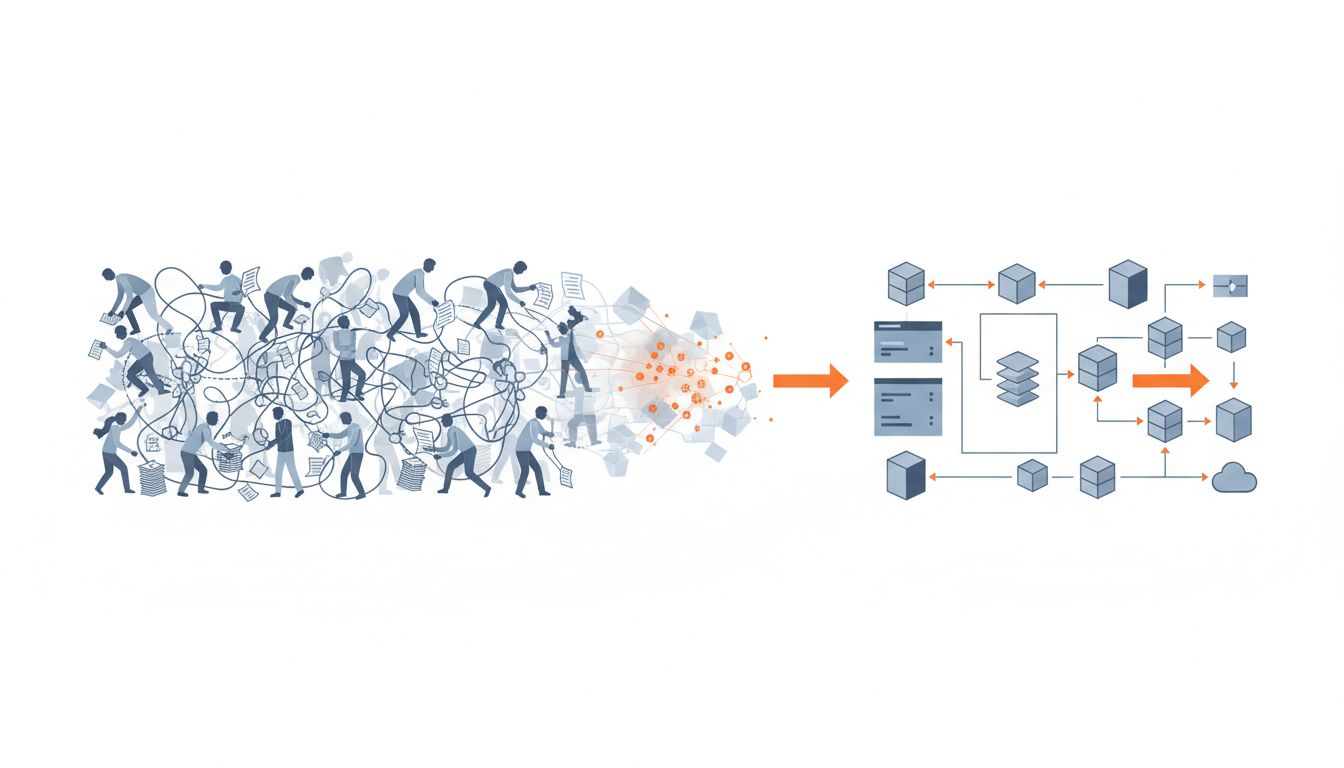
In 2012, Stripe was young, scrappy, and growing fast. Patrick Collison was still personally helping onboard customers. And somewhere in that period, a payment processor’s nightmare scenario was quietly developing: a handful of very large customers were beginning to represent a dangerous share of Stripe’s total transaction volume. Not because those customers were bad. Because they were too good.
The conventional startup advice is to find your best customers and pour everything into making them happy. Nurture the whales. Retain the logos. There’s a reason every Series A deck features a slide with recognizable brand names. But that advice, followed without limits, is how you build a fragile company that looks healthy until it suddenly isn’t.
My position is this: customer concentration is one of the most underrated existential risks in early-stage startups, and founders are systematically trained to ignore it.
The revenue looks great until it doesn’t
Concentration risk is the thing that investment bankers warn about in M&A due diligence and that founders forget about during hypergrowth. When one customer accounts for more than 20 percent of your revenue, you no longer have a business. You have a subcontractor with a good pitch deck.
Stripe navigated this, eventually. But many companies don’t. Think about what actually happens when a major customer churns or renegotiates. Your revenue doesn’t dip, it craters. Your hiring plans freeze. Your investors start asking uncomfortable questions. Companies that looked like rocketships in their board decks reveal themselves to be single-engine planes.
The problem is structural. Early customers who take a real bet on an unproven product often extract pricing and terms that make sense at the time but become anchors later. You can’t easily reprice them. You can’t easily build features for other customers if this one commands your roadmap. You’ve traded optionality for short-term numbers, and the market will eventually make you pay for that trade.

The customer shapes you whether you want them to
Here’s what nobody says plainly enough: large, early customers don’t just buy your product. They reshape it. Every support escalation, every custom integration request, every “we’ll renew if you build X” conversation slowly bends your roadmap toward their specific needs. You end up optimizing for a customer profile that may represent a market of one.
This is how companies accidentally build products that work beautifully for a Fortune 500 client and are completely unusable for the mid-market segment they needed to crack. It’s also how technical debt accumulates fastest. A big customer needs a workaround urgently. You ship it. It becomes load-bearing infrastructure. Now deleting that technical decision is harder than it sounds.
Stripe’s success came partly from its willingness to resist this gravity. The API-first design philosophy was a deliberate bet on serving developers broadly, not accommodating any single customer’s legacy architecture. That discipline is rare and genuinely hard to maintain when a big check is on the table.
Concentration makes you negotiable
The moment a customer knows they’re important to your survival, the negotiation dynamic flips. They know your quarterly number. They know your renewal timeline. They know that losing them is an event, not a line item.
I’ve watched founders in this situation make pricing concessions that effectively locked in below-market rates for years, add headcount to service a single account at a loss, and delay fundraising rounds because they were waiting on a renewal that kept getting pushed. Each of those decisions made strategic sense given the dependency. None of them made sense for the long-term company.
This is related to a broader dynamic I’ve written about elsewhere: fast growth and no growth kill startups the same way. The mechanism is different but the outcome is the same. You lose control of the variables that determine your fate.
The counterargument
The obvious pushback is that you have to start somewhere. Stripe’s early customers included Shopify and Lyft. Serving them well wasn’t a mistake, it was table stakes for building credibility in a trust-sensitive industry. Without a few big wins early, you don’t get the social proof to grow the long tail.
This is true. The argument isn’t that you should avoid large customers. It’s that concentration without a deliberate plan to diversify is a slow-burning fuse. The founders who handled this well treated every major customer as a temporary state, something to learn from and grow beyond, not a permanent revenue pillar. They used the logo to open doors and then built the systems to make that logo unnecessary.
There’s a difference between a big customer being your best reference and being your most critical infrastructure. Most founders don’t notice when they’ve crossed that line.
What Stripe actually got right
Stripe survived its concentration risk because it built something genuinely general-purpose and it scaled its customer base fast enough that no single account stayed dominant for long. That’s not luck. It’s a specific combination of product discipline and sales strategy that most early-stage companies lack the resources or clarity to execute.
The lesson isn’t that Stripe was almost killed by a customer. It’s that the conditions for that outcome existed, and the founders built their way out of them rather than waiting for the problem to announce itself.
Your best customer is an asset with an expiration date. The job is to make sure your company exists independently of when that date arrives.