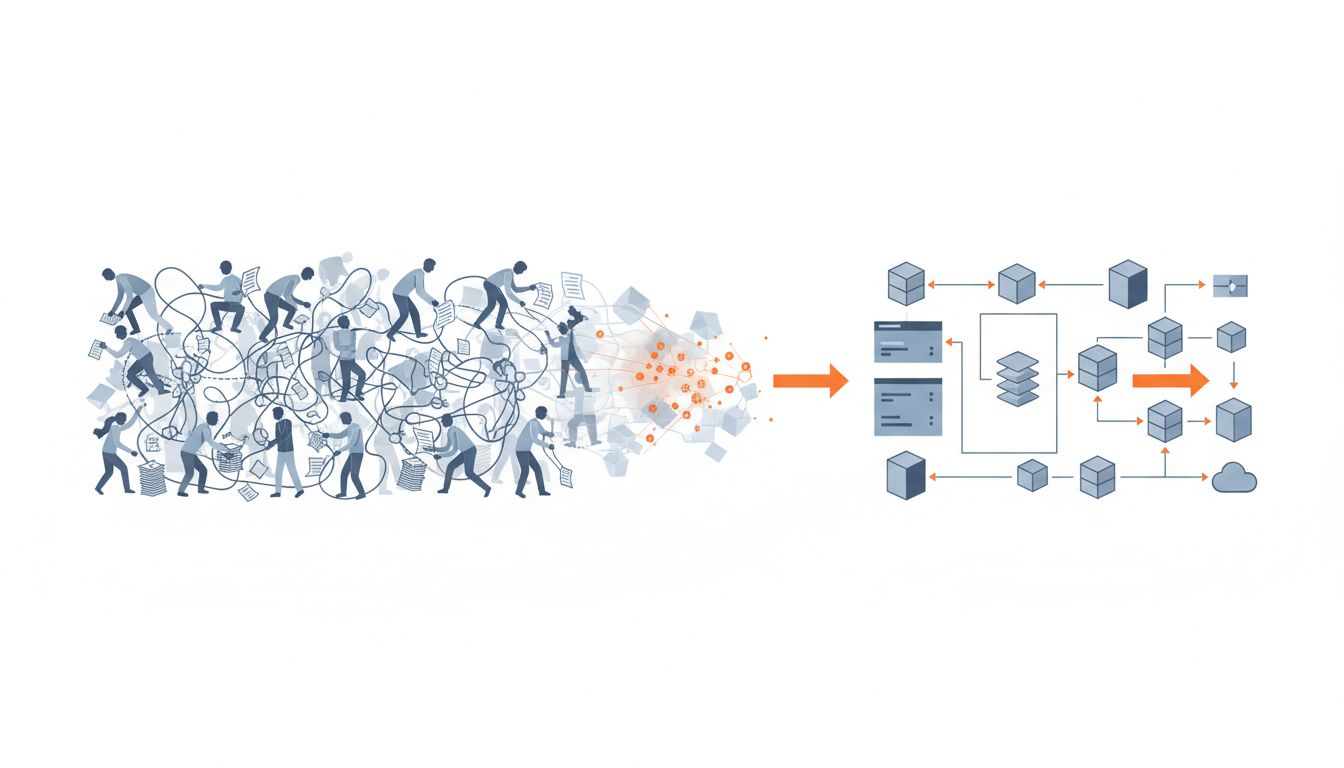
A founder I know spent fourteen months building features for a single enterprise client. The contract was real money, the kind that buys you runway and impresses investors. His team worked nights customizing workflows, rebuilding integrations, bending the product into shapes it was never meant to hold. When the client finally churned anyway (citing “strategic direction changes”), the product was a mess of one-off logic that served nobody else. They had to tear out eighteen months of code to get back to something sellable.
That client wasn’t a difficult customer. They were the wrong customer. The distinction matters enormously, and most founders don’t make it until the damage is done.
1. Revenue Is Not Validation
The check clears, so you assume you’ve found product-market fit. You haven’t. You’ve found a buyer, which is different. A single enterprise customer who pays well but requires heavy customization is telling you that your product doesn’t actually fit their needs. They’re paying you to build something bespoke, which means you’re a dev shop, not a software company.
This is a trap because early revenue feels like proof. Investors ask about traction, and you point to the contract. But traction means repeatable demand, customers who buy the product as-is and get value without you holding their hand. If every new customer requires the same negotiation and the same custom build, you don’t have a product, you have a services business wearing product clothing.
2. The Features They Demand Will Repel Everyone Else
Wrong customers don’t just drain your team. They actively degrade the product for right customers. Every edge case you code to satisfy a demanding outlier is technical complexity that slows you down, creates maintenance burden, and often confuses users who don’t share that outlier’s workflow.
This is why roadmap capture is so dangerous. When a customer is paying enough that you can’t ignore their requests, their specific problems start driving your product decisions. If their problems aren’t representative of the market you’re trying to build for, you end up with a product that’s deeply optimized for one organization’s idiosyncratic needs. Your first hundred customers are the wrong ones to scale from precisely because of this dynamic: whoever shows up first shapes the product, whether or not they should.
3. High Support Costs Are a Signal, Not a Challenge to Overcome
When a customer generates disproportionate support tickets, escalations, and emergency calls, the startup instinct is to staff up and solve it. Better documentation. Dedicated customer success. Faster response times. This is the wrong instinct.
High support costs, when they’re concentrated in one customer type, are telling you that the product doesn’t solve this customer’s problem cleanly. You’re compensating with human labor for a product gap. And if the gap is structural (meaning the product would need to be fundamentally different to serve this customer well) then no amount of support investment closes it. You’re renting their continued business with your team’s time.
The right question when a customer is burning through support hours isn’t “how do we serve them better?” It’s “why is this so hard, and is the answer specific to them or universal?”
4. Some Customers Make It Impossible to Learn Anything
Good customers give you signal. They use the product, hit friction points, and those friction points tell you where to improve. Wrong customers generate noise. Their requests are about their specific organizational politics, their legacy systems, their internal approval processes. None of it generalizes.
The insidious part is that you feel like you’re learning because you’re always busy. Constant feedback, constant meetings, constant fire drills. But you’re not learning about the market. You’re learning about one company. And that knowledge doesn’t compound. When that customer churns or when you walk away, the accumulated understanding of their internal workflows is worth nothing.
5. The Right Customer Complains Differently
There’s a meaningful difference between “this feature doesn’t exist and I need it” and “this feature doesn’t work well and here’s what I expected.” The first complaint might be telling you about a gap in your market fit. The second is telling you about a product quality issue. Both are valuable. But wrong customers generate mostly the first kind, and their requests often point toward a product category you shouldn’t be building.
The customers who complain are your best researchers, but only when their complaints are representative. A wrong customer’s complaints are a map of their own internal dysfunction, not a map of the market.
6. “Enterprise” Is Not a Market Segment
Founders get seduced by enterprise deals because the contract sizes are large and the logos are impressive. But enterprise is a sales motion and a procurement process, not a customer profile. A Fortune 500 company that uses your tool the way it was designed is a great customer. A Fortune 500 company that treats you as a custom development partner is a trap regardless of the logo.
The question isn’t whether a customer is big or small. It’s whether the way they use your product is the way you want the product to be used. If you had a hundred customers who looked exactly like this one, would you be building the company you’re trying to build?
7. Firing a Customer Is a Strategic Decision, Not a Failure
Basecamp (now 37signals) has written publicly about walking away from customers who didn’t fit their philosophy. It cost money in the short term. It was the right call. When a customer relationship requires you to compromise the product, the team, or the company’s direction, keeping that customer is the failure, not ending the relationship.
This is genuinely hard because the revenue is real and the alternative (going find better customers) is uncertain. But a company that’s drifted badly from its target market is harder to fix than a company with a smaller contract base and a clear product identity. The wrong customer buys you runway and sells you on a detour that can take years to correct.
Know who you’re building for. Hold that line even when someone is willing to pay you to abandon it.