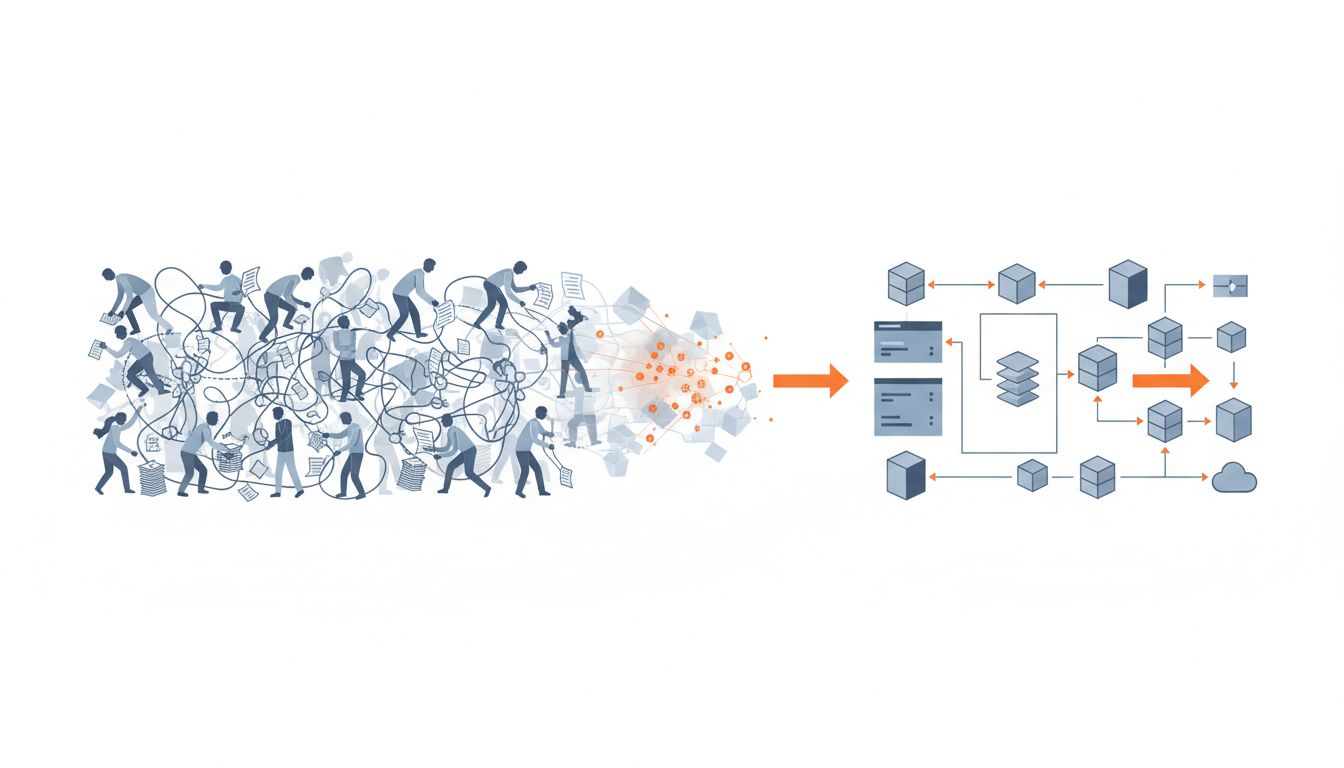

A founder I know spent six months rebuilding her analytics dashboard because one customer kept emailing. Long threads, detailed feature requests, screenshots with arrows drawn on them. The customer was engaged, articulate, and clearly passionate. She built everything they asked for. When she finally raised prices to reflect the new functionality, that customer churned. The ten quieter customers who had been renewing without a word, those stayed.
This is not an unusual story. The loudest customer is a specific type of person: opinionated, high-maintenance, often technically sophisticated, and almost always an outlier. They give you the illusion of product feedback when what they’re really giving you is product distraction.
Here is what I’ve learned about who to actually listen to.
1. Volume Is a Personality Trait, Not a Signal
Some people complain about software the way some people complain about restaurants: loudly, specifically, and regardless of whether the food is actually bad. The willingness to open a support ticket or send a detailed email correlates with a personality type, not with whether you have a real product problem.
This matters because founders, especially technical ones, are often drawn to articulate complainers. They feel like free product managers. They write up exactly what’s wrong, propose solutions, and follow up. Compared to the radio silence from happy users, they feel like treasure.
They aren’t treasure. They’re one person. And if the feature they want would only serve people who complain like them, you’re optimizing for a segment of one.
2. The Best Customers Often Have the Least to Say
There’s an inverse relationship that most founders discover too late: the customers who fit your product best tend to bother you least. They log in, do the thing, get value, and go back to their day. They don’t open tickets because the product works. They don’t request features because what exists is enough. They just renew.
These are the people you should be studying. Not by asking them what they want (they’ll tell you nothing useful), but by watching what they actually do. Which parts of the product do they touch every week? Which onboarding steps do they complete in the first session? What does their usage pattern look like compared to customers who eventually churn?
Behavior data from quiet, retained customers tells you more than a hundred emails from your most demanding user. The challenge is that behavior data requires instrumentation and patience. Emails feel immediate and actionable. That’s the trap.
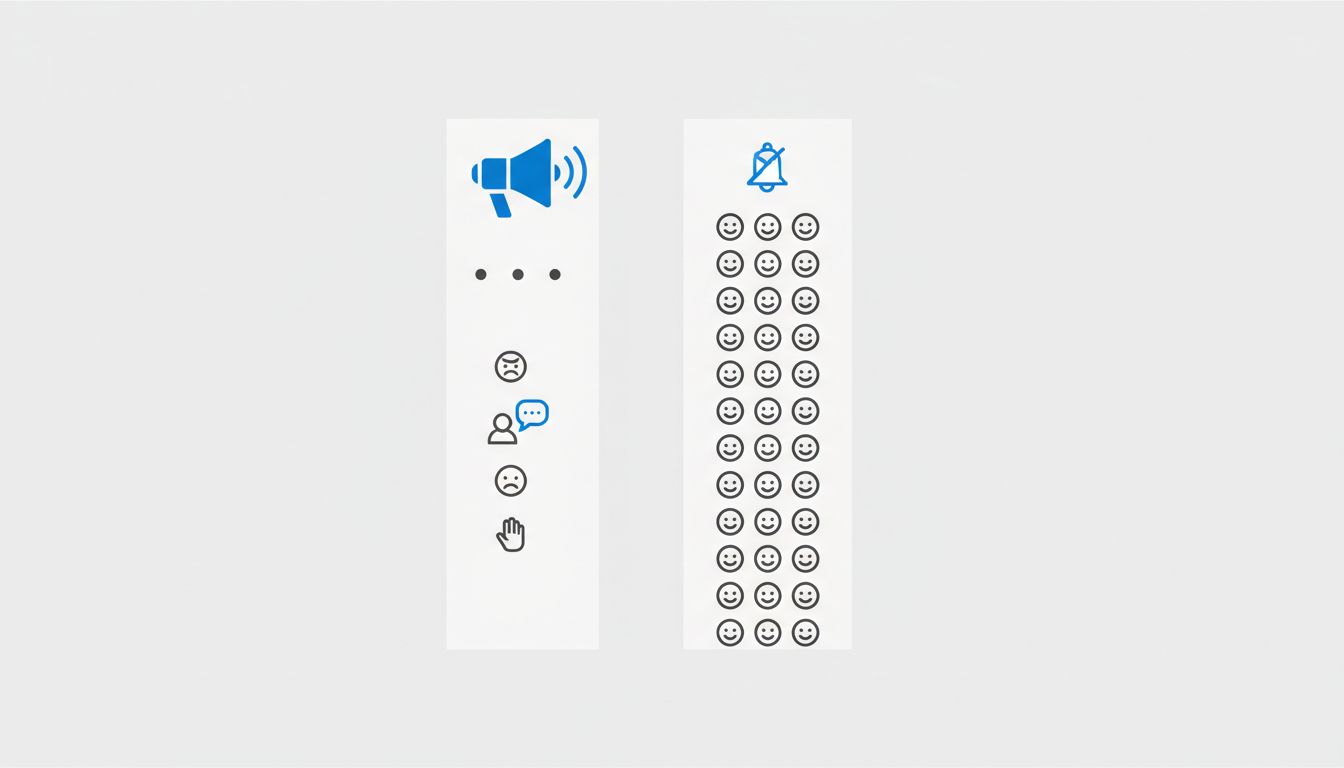
3. Feature Requests Are Really Complaints in Disguise
When a customer asks for a specific feature, take it seriously as evidence that they have a problem. Do not take it seriously as a solution to that problem. The customer knows their pain better than you do. They do not know your codebase, your other customers’ needs, your architecture constraints, or the three ways their proposed solution would create new problems.
The loud customer who emails you detailed specs has already done the work of diagnosing their own frustration and translating it into a feature request. That’s useful. But if you just build what they described, you’ll end up with a product that solves their exact situation instead of the general problem that’s probably affecting a dozen other customers who never wrote in.
Talk to the loud customer to understand the underlying friction. Then go look at whether your quieter customers hit the same friction point. If they do, you have a real product problem worth solving. If they don’t, you have one person’s workflow quirk.
4. High Maintenance Early Predicts High Maintenance Forever
I’ve watched founders rationalize keeping difficult, demanding customers because of their contract size or their logo. The logic is: they’re painful now, but we’ll improve the product and eventually they’ll calm down.
This almost never happens. A customer who opens twenty tickets in the first month will open twenty tickets in month twelve. The demands don’t shrink as the product improves; they expand. Your roadmap becomes their wishlist. Your support team learns to dread their name in the queue.
More importantly, these customers distort what you build. Every concession you make to keep them creates technical debt, edge cases in your codebase, and features that exist for a segment of one. How startups use pricing to filter their best customers is partly about this: the right price structure will often drive off high-maintenance customers before they do damage. That’s a feature, not a failure.
5. Churn From Silent Customers Is the Signal You’re Actually Missing
Here is the real danger of focusing on loud customers: while you’re on calls with your most demanding user, the quiet customers who don’t fit are leaving without a word. They don’t write emails. They don’t open tickets. They just don’t renew, and if you don’t have exit surveys and you’re not looking at the data, you’ll never know why.
Silent churn is the most expensive feedback you can ignore. A customer who churns without explanation took their reasons with them. You can’t fix what you don’t understand, and they weren’t going to tell you because that’s not who they are. They’re the opposite of your loudest customer.
The fix is proactive outreach to the customers who go quiet, not just the ones who shout. An automated check-in at day thirty for users who haven’t logged back in. A brief survey at cancellation that actually asks useful questions. A founder call specifically with long-term customers who have never complained. Those conversations are uncomfortable because there’s nothing urgent driving them. They’re also the ones that tell you the truth.
6. Build for the Customer Who Doesn’t Need You Yet
The loudest customer is often the most sophisticated. They’ve already bent your product to their workflow through a combination of feature requests, workarounds, and sheer willpower. They’re making it work because they’re determined to make it work.
The customer you actually want to design for is the one who should be using your product but isn’t yet, because they hit friction in week one and left quietly. They’re not in your database. They’re not sending emails. But there are many more of them than there are of your most vocal power users.
This is why your first customer will break things that matter in a useful way, but only if you’re watching what they break rather than just listening to what they say. The workarounds a new user invents in their first session, when they’re too new to know how to complain, tell you more about your real product gaps than any feature request thread.
Listen to everyone. Weight the quiet ones more.