The Server That Does Nothing Is Often the Most Critical
The most expensive lesson in distributed systems tends to arrive at 2 a.m. on a Tuesday, when the server nobody thought about stops doing nothing and everything else falls over. Capacity, redundancy, coordination, and failover: these are functions that look like waste until they aren’t. Here is why the quietest machines in your infrastructure deserve the most respect.
1. The Standby Server Is Not Wasting Money
A hot standby, sitting idle in a second availability zone, looks like a budget line item waiting to be cut. Every week it sits quiet, someone in a planning meeting will ask whether you really need it. The answer is yes, and the math is not complicated.
Consider what happens when a primary database server fails without a warm standby in place. The recovery process, spinning up a replacement, restoring from backup, catching up on replication lag, takes time measured in hours, not minutes. For any product with real users, the cost of that downtime usually exceeds months of standby server fees. AWS’s pricing for a mid-range RDS instance in a secondary availability zone runs a few hundred dollars a month. A single hour of downtime for a SaaS product with meaningful revenue can cost multiples of that.
The standby is not wasting money. It is pre-paying for insurance at a rate that would look generous in any actuarial table.
2. The Load Balancer Processes Almost Nothing, and That Is the Point
A load balancer at low traffic handles almost no computation. It reads an incoming request, checks a routing table, and forwards packets. On a quiet Tuesday morning, the CPU utilization graph looks embarrassing. But the load balancer is not there for quiet Tuesday mornings.
Its job is to make sure that when traffic spikes, or when one of your application servers starts behaving badly, the rest of your fleet absorbs the load without anyone noticing. It is also doing continuous health checks, silently removing degraded nodes from rotation before users ever hit them. The load balancer is a referee. Referees look idle most of the game, and that is exactly right.
3. The NTP Server Runs the Whole Show Without Anyone Noticing
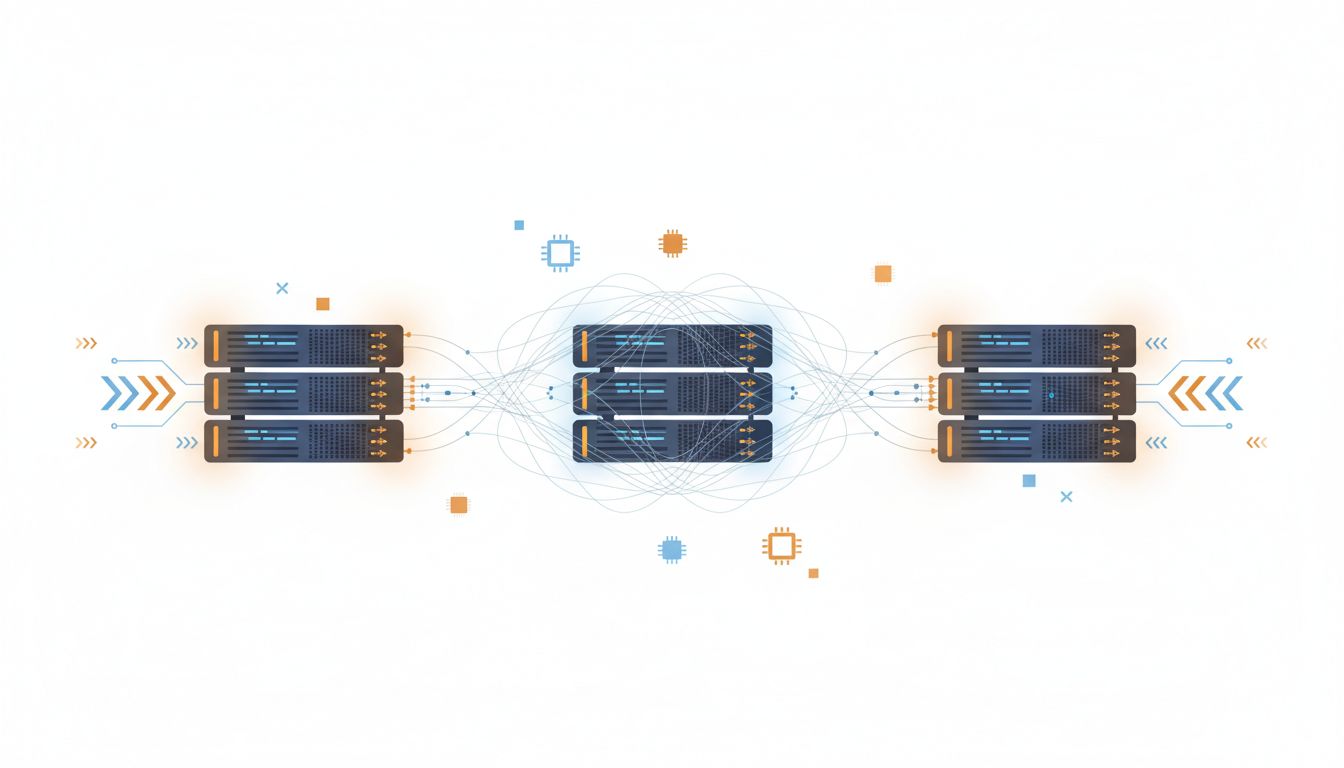
Network Time Protocol servers are among the most invisible pieces of critical infrastructure on the internet. They sit there, answering time-synchronization requests from millions of machines, and nobody thinks about them until something goes wrong.
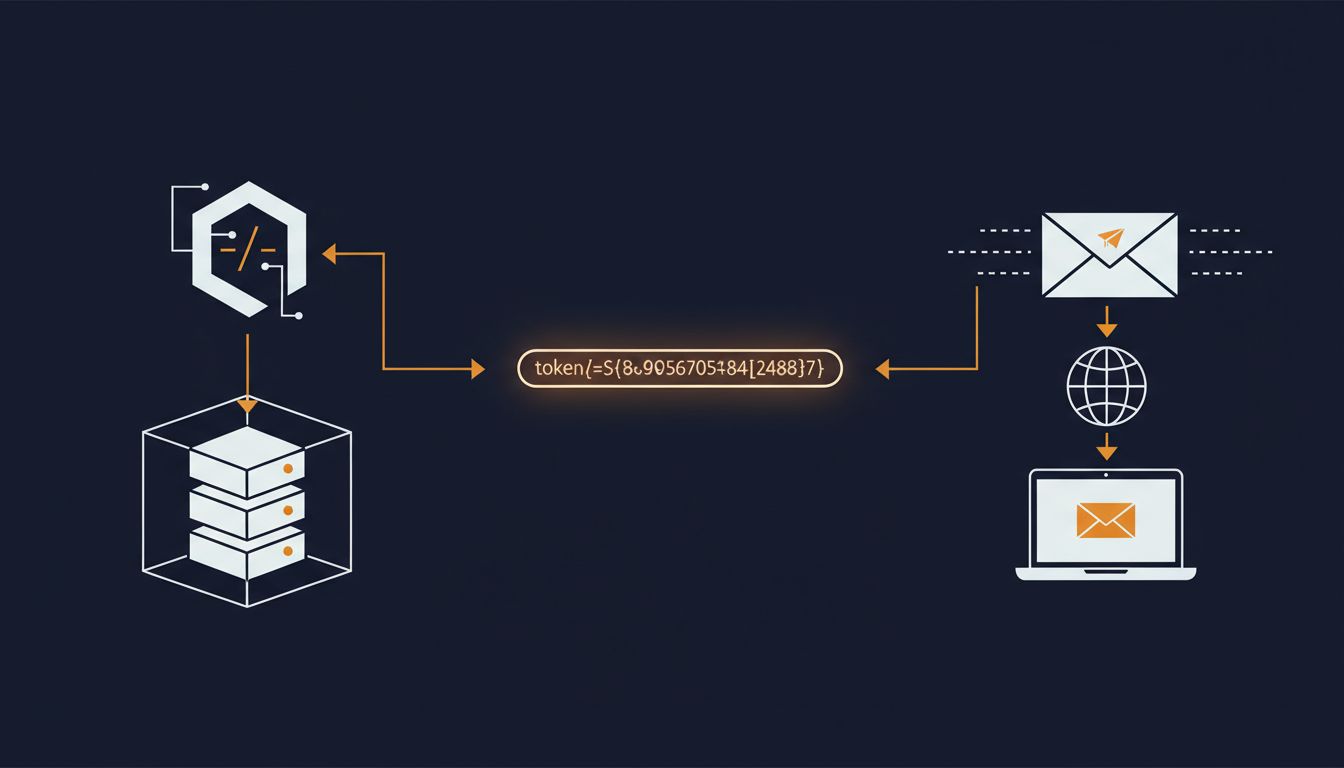
When clocks drift between servers in a distributed system, the consequences are not trivial. Authentication tokens expire at the wrong moment. Database transactions arrive out of order. Log files become unreadable for debugging because events appear to run backward. Google runs a global fleet of custom time servers with atomic clocks and GPS receivers, what they call “TrueTime,” specifically because the Spanner distributed database depends on timestamp accuracy to guarantee consistency across data centers. That infrastructure does almost nothing visible. It is also foundational to one of the most sophisticated databases ever built.
4. The Monitoring Server Has No Users
No customer ever logs into your monitoring stack to get work done. Your Prometheus instance, your Grafana dashboards, your alerting pipeline: none of these generate revenue directly, and none of them appear in any product demo. They are overhead, in the accounting sense.
They are also the only reason you know your product is working at all. Without them, the first indication that something is wrong is a customer complaint, which means the problem has already been live long enough for a real person to notice and care enough to write in. By that point, the question is no longer “is something wrong” but “how long has this been wrong and who knows.” A monitoring server that fires zero alerts in a given month has not failed at its job. It has done its job perfectly.
5. The Coordination Service Handles Tiny Messages That Carry Everything
ZooKeeper, etcd, and similar coordination services handle messages that are tiny by any reasonable measure: a few bytes describing which node is currently the leader, whether a distributed lock is held, what the current configuration state is. The throughput numbers look unimpressive next to any application database.
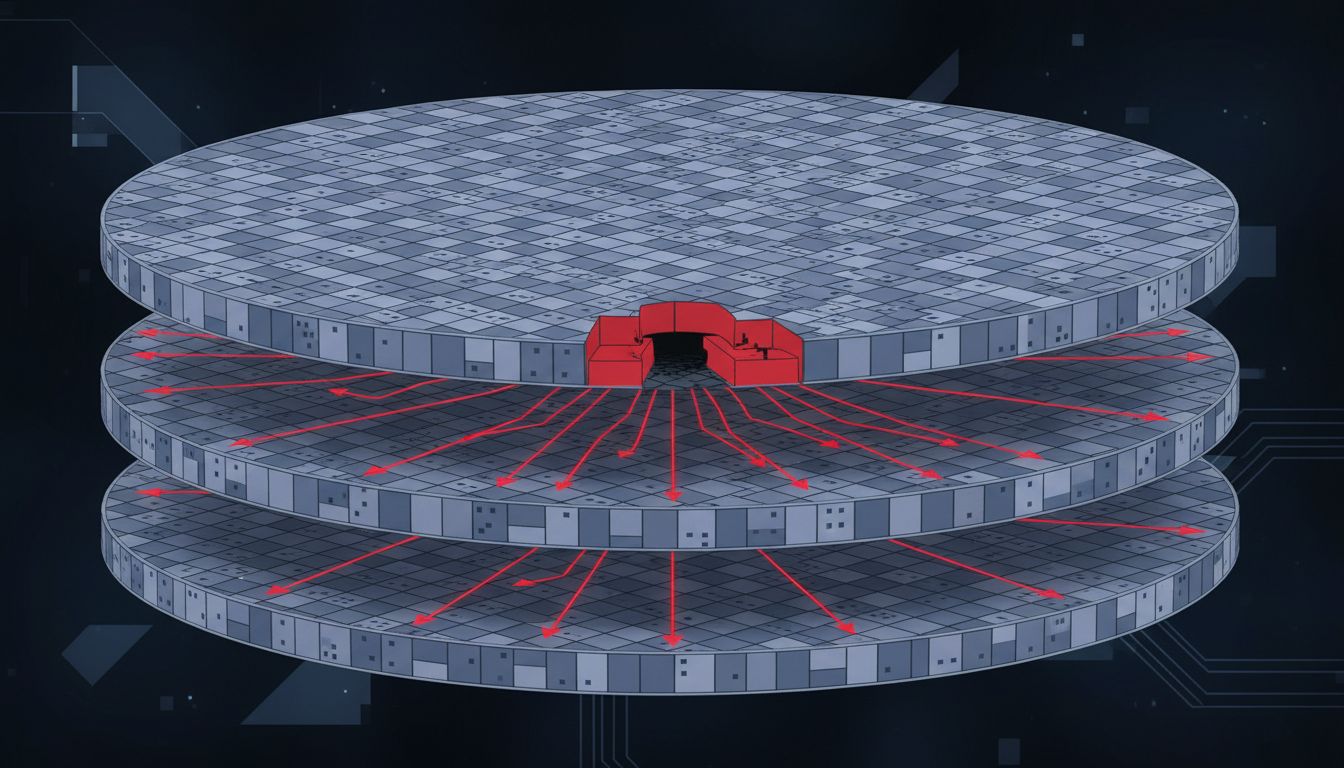
But these services are the ones enforcing the rules that keep distributed systems from contradicting themselves. Without a coordination layer, you get split-brain scenarios, where two nodes each believe they are the primary and begin writing conflicting data. Recovering from split-brain in a production database is one of the more unpleasant experiences in engineering. The coordination service that spends most of its time waiting is spending that time preventing something much worse than boredom.
6. The Cold Archive Server Has Not Been Touched in Months
Somewhere in most organizations’ infrastructure there is a storage node or a tape system or a cold-tier object store holding backups that nobody has accessed since they were written. This is treated as pure cost. The data is old. Nobody wants it. The server or bucket does nothing all day.
Until ransomware encrypts your primary storage, or a deployment script deletes the wrong directory, or a database migration runs in the wrong direction. Then that untouched archive is not a cost center. It is the reason the company survives the week. The most important property of a backup is that it exists and was not also compromised. The archive server earns its entire lifetime cost in a single recovery event that might happen once in ten years or never. “Never” is the good outcome.
7. Quiet Infrastructure Is an Organizational Problem, Not a Technical One
The reason these servers get cut, underfunded, or ignored is not that engineers do not understand their value. It is that organizations reward visible output and struggle to reward the absence of disaster. The team that kept the database from going down does not get a postmortem. There is no incident report for the ransomware attack that was stopped by a clean backup.
This creates a systematic bias toward cutting the machines that look idle. Every quarter, someone with budget authority looks at utilization metrics and sees servers sitting at 4% CPU and asks why they are paying for that. The engineers who know better often cannot point to a concrete disaster that was prevented, because the disaster did not happen. You can not graph a counterfactual.
The solution is not purely technical. It requires building an organizational habit of accounting for risk, not just resource utilization, when making infrastructure decisions. The server doing nothing is often the most important one in the room. The challenge is convincing everyone else of that before the proof arrives at 2 a.m.