The Pricing Trick Hidden in Plain Sight
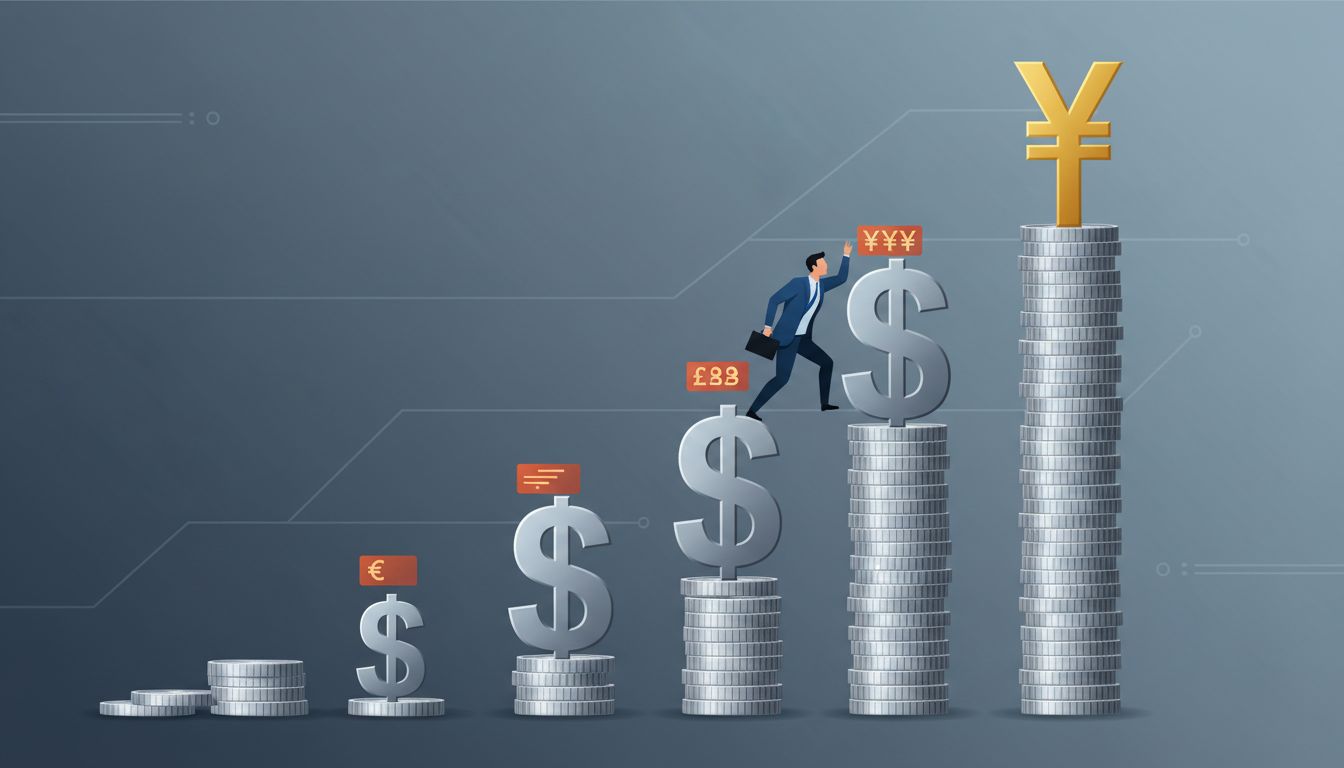
Most software gets cheaper per unit as you buy more of it. Volume discounts are so baked into commercial logic that buyers expect them instinctively. So when a procurement team first encounters a SaaS contract where adding seats increases the per-seat price, the reaction is usually confusion, then disbelief, then anger. The vendor explains it calmly. This is our enterprise tier. Larger deployments get additional support, advanced security controls, audit logging. The price reflects the value.
That explanation is technically accurate and almost entirely beside the point. What’s actually happening is a form of pricing architecture that treats company size as the primary signal of willingness to pay, and charges accordingly. The software didn’t get more expensive because it costs more to run at scale. It got more expensive because you got bigger, and bigger companies have bigger budgets, more to lose from switching, and slower procurement processes that make walking away genuinely painful.
This is not an accusation. It’s a description of a deliberate and increasingly common strategy in enterprise SaaS, one worth understanding on its own terms before deciding how to respond to it.
Why Cost-to-Serve Doesn’t Explain the Curve
The vendor argument runs like this: enterprise customers demand more. They need SSO, SCIM provisioning, role-based access controls, dedicated support, SLAs with teeth, security reviews, custom contracts. All of that costs money to provide. Higher prices at higher tiers reflect higher service costs.
This is partly true and largely irrelevant to the pricing curve itself. The marginal cost of serving seat number five hundred versus seat number fifty is, in most SaaS businesses, close to zero. Infrastructure scales with usage, not headcount. Support costs scale with ticket volume, which correlates weakly with seat count once basic onboarding is complete. The enterprise features bundled into premium tiers were built once and amortized across every customer who pays for that tier.
What actually drives the curve is value-based pricing applied at the company level. A thousand-person company using a project management tool derives more organizational value from it than a ten-person company using the same tool. The vendor captures some of that differential value through tiered pricing. The seat count is just the measurement mechanism, a proxy for company size that’s easy to count and hard to dispute.
Salesforce has operated this way for years, with list prices that rise sharply between tiers and enterprise agreements that routinely include per-seat rates that would shock small-business customers. Zendesk, Workday, and ServiceNow follow similar structures. The pattern is not coincidental. It reflects a shared understanding across the industry that price should track customer size, not delivery cost.

The Lock-In Math
The ascending price curve only works if customers can’t easily leave when they hit a tier threshold. And in practice, most can’t, at least not without serious pain.
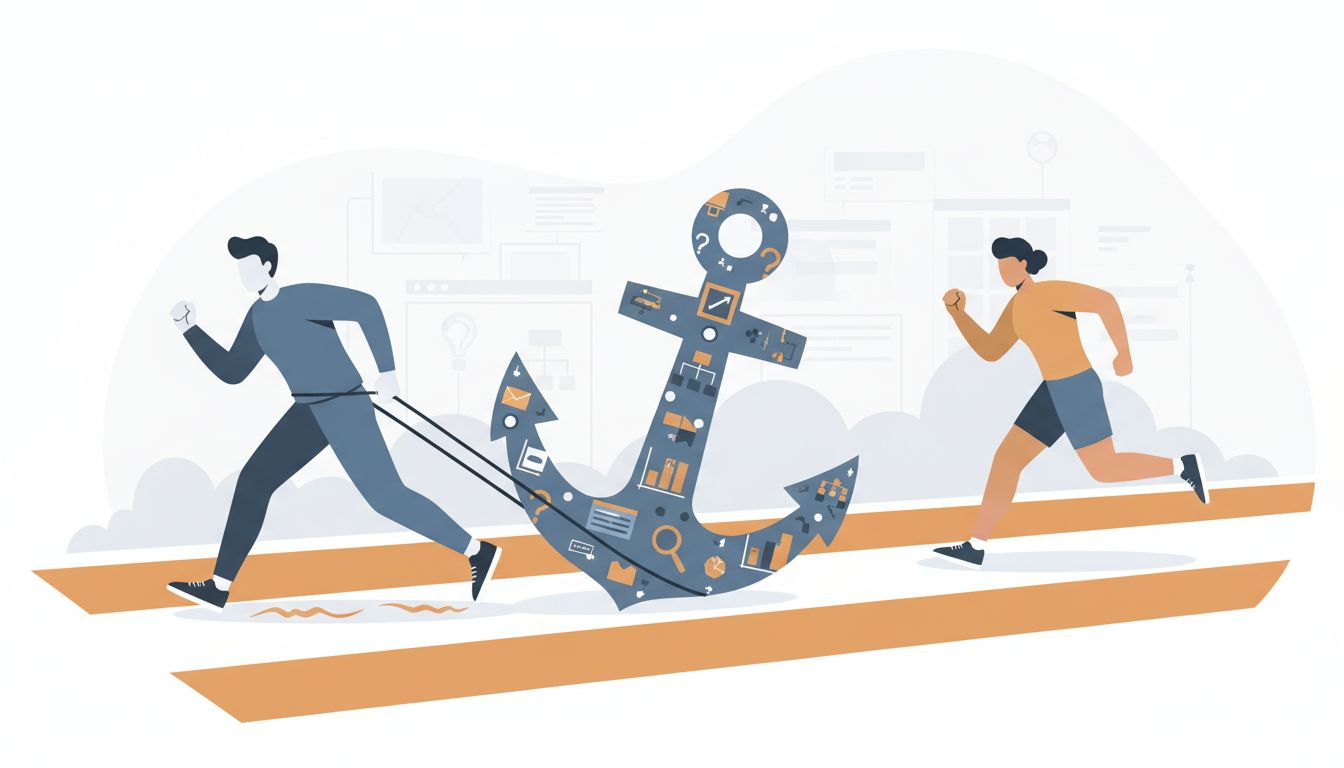
Data gravity is real. After two or three years inside a platform, a company’s workflows, integrations, reporting structures, and institutional knowledge are wrapped around that tool. Migrating isn’t just a technical project; it’s an organizational one. Training, change management, the inevitable productivity dip, the political capital required to justify switching to a leadership team that remembers the last migration. These costs compound.
Vendors understand this. Contract structures often reinforce it, with multi-year commitments, auto-renewals with short cancellation windows, and bundled features that would need to be replaced individually if the customer left. By the time a company reaches the tier where per-seat prices spike, it is typically embedded deeply enough that the price increase lands as an unpleasant surprise rather than a decision point.
This is why the pricing model requires scale on the vendor’s side to work. A startup with weak product-market fit can’t charge ascending rates because customers will leave before lock-in takes hold. The strategy is only available to vendors whose products have become genuinely important to how their customers operate. In a backhanded way, ascending per-seat pricing is a signal of product quality, or at least stickiness.
What Buyers Can Actually Do
Procurement teams often respond to tier-based price jumps by negotiating harder on headline rates. This is useful but misses the structural issue. The better intervention happens earlier, before the product is deeply embedded.
The moment to negotiate is during initial contract signing, not at renewal. Locking in per-seat rates (or rate caps) for future tiers costs the vendor almost nothing when you’re small and saves you real money when you’re not. Vendors will resist this because it closes off future pricing flexibility, but it’s a reasonable ask and often achievable from a position of competitive evaluation.
Buyers should also audit what they’re actually using in enterprise tiers. Many companies pay for capabilities they don’t use because the sales process emphasized features over fit. The bundled advanced features that justify premium pricing are only worth the premium if someone is using them. As the economics of high-cost talent apply here, so does the logic of total cost: a cheaper tool that’s actually used outperforms an expensive one that isn’t.
Finally, the existence of a credible alternative matters more than the negotiation itself. Vendors discount in response to genuine competition, not expressed dissatisfaction. Running a parallel evaluation, even a lightweight one, before renewal creates leverage that complaints alone never do.
The Honest Version of This Conversation
There is a version of ascending per-seat pricing that is straightforwardly fair. If a vendor builds software that genuinely transforms how large organizations operate, if the product generates measurable value at scale that it cannot generate for small teams, then charging larger customers more reflects a real relationship between price and value. The buyer gets more value; the vendor captures some of it. That’s how pricing is supposed to work.
The version that isn’t fair is the one that treats switching costs as a substitute for value creation. Where prices rise not because the product delivers more at scale, but because the customer has accumulated enough sunk cost that they’ll absorb the increase rather than leave. Vendors who rely on this mechanism are monetizing inertia, not outcomes.
Buyers can’t always tell which version they’re dealing with in advance. But they can ask a simple question before committing deeply to any platform: if we could switch today, would we? If the honest answer is yes, the price you’re paying reflects lock-in more than value. And the time to fix that is before you can’t.