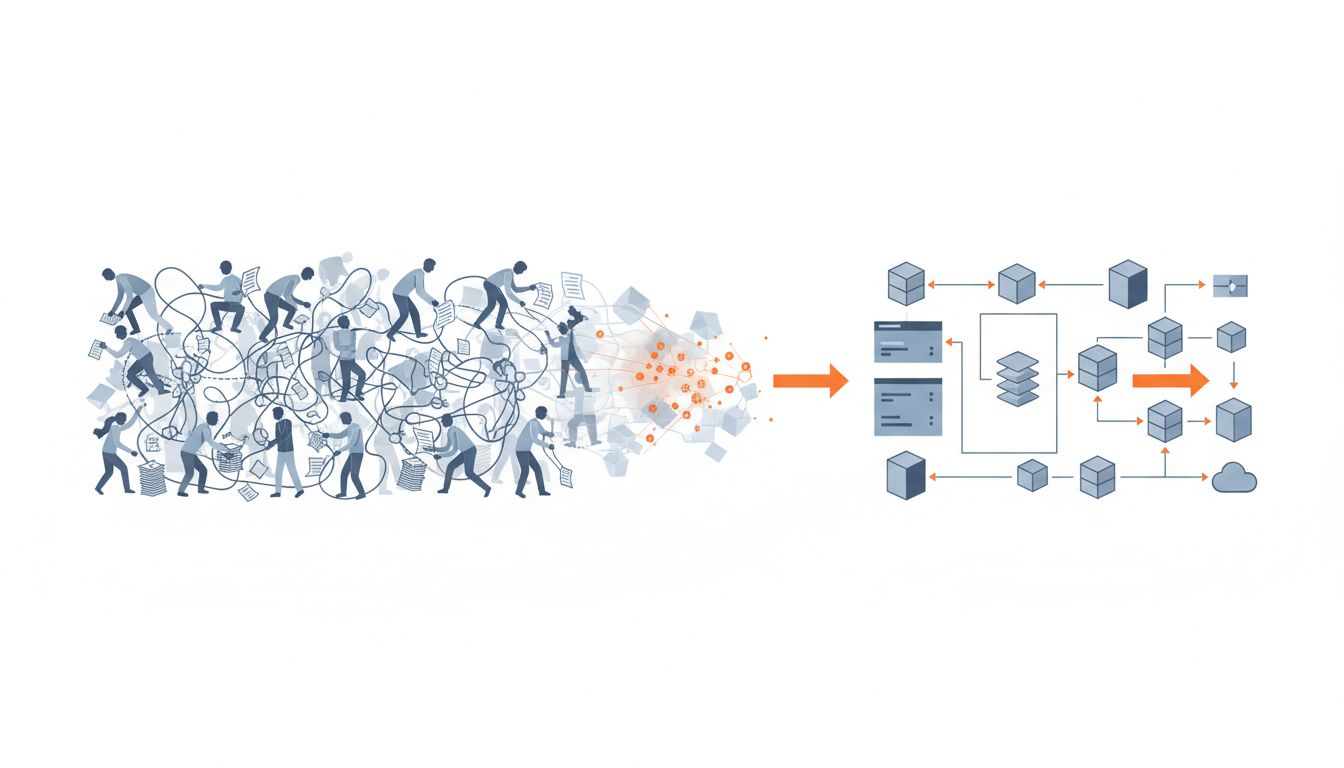

A few years ago, a founder I know was three meetings deep into a procurement process with a Fortune 500 insurance company. The deal was substantial. During the fourth call, the enterprise’s IT lead asked whether the platform could integrate with their legacy policy-management system, a twenty-year-old stack that predated modern APIs. The founder had two choices: hedge and say “we’ll figure it out” (the startup default), or tell the truth.
She told the truth. The integration wasn’t built. It would take four months minimum and would require access to documentation the company had never shared with a vendor before. She said they could do it, but not on the timeline procurement was hoping for, and she wanted them to know that before they moved further.
The deal closed two weeks later. The IT lead told her afterward: “Every other vendor said they could do it. You were the only one who told us what it would actually take.”
This is not a feel-good story about honesty as a virtue. It’s a story about information asymmetry and who actually holds the power in an enterprise sales cycle.
The Setup
Enterprise buyers are not naive. They’ve been burned by vendors who oversold and underdelivered. They’ve sat in post-mortems explaining to their CFO why the integration that was “mostly done” in the demo took eighteen months and two consulting firms to actually ship. They’ve learned, often painfully, that a confident “yes” from a startup sales rep is worth almost nothing.
So when a startup walks into a procurement meeting and starts confidently checking boxes, experienced enterprise buyers don’t relax. They get more suspicious. They start gaming out which of these “yeses” is going to blow up in six months.
The startup that admits what it can’t do disrupts this dynamic entirely. It forces a recalibration: if they’re being honest about the gaps, maybe they’re being honest about the capabilities too.
What Actually Happened
The founder I mentioned runs a data governance platform. Her company was competing against two larger, better-funded competitors for that insurance deal. On paper, both competitors had more integrations, more certifications, and longer customer lists.
Her differentiator was not the product. It was the sales motion.
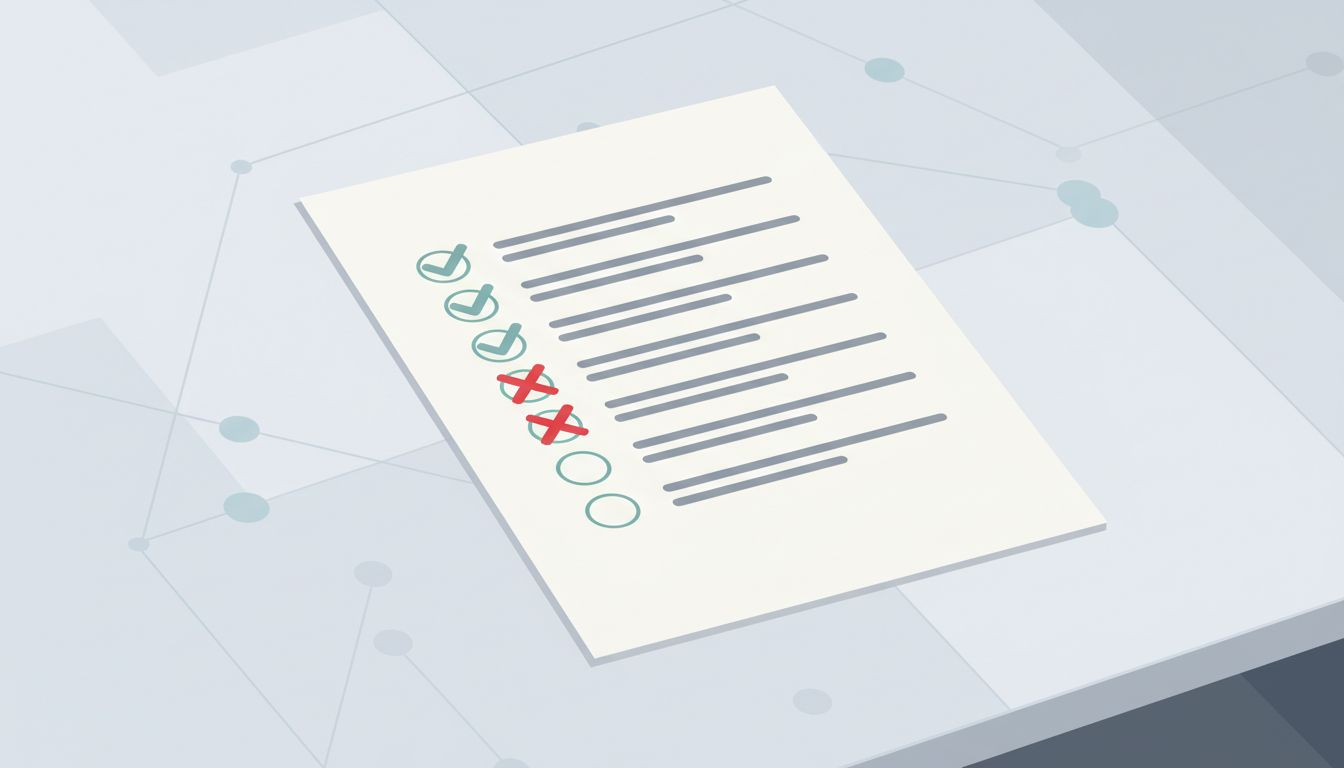
Before every serious enterprise conversation, her team would do something most startups find counterintuitive: they’d prepare a written “limitations document.” One page. It listed the things the platform couldn’t do yet, the integrations that were on the roadmap but not shipped, and the use cases they’d explicitly decided not to support. They shared this with prospects at the second meeting, not buried in the fine print of a contract, but as an agenda item.
The reactions divided cleanly into two camps. Some prospects got nervous and started reconsidering. Those were almost always the wrong customers anyway, the ones who would have churned at month eight when reality met expectation. The other camp, the ones who leaned in and started asking questions about the roadmap and the reasoning behind the gaps, those became customers.
The filter was the point. By surfacing mismatches early, her team stopped wasting months on deals that were never going to work. They stopped building features for prospects who turned out to have incompatible requirements. They stopped making promises the engineering team would have to quietly bury.
The deal velocity improved. Not because they got better at selling, but because they stopped selling to the wrong people.
Why This Works in Enterprise Specifically
This strategy doesn’t work the same way in consumer or SMB sales. It’s specifically suited to enterprise for a few reasons.
First, enterprise procurement involves multiple stakeholders with different risk tolerances. The IT lead, the business owner, and the CFO are all watching this decision from different angles. The IT lead often has the most to lose if an implementation fails. Giving them a document that acknowledges limitations is giving them armor. They can take it to their colleagues and say: “I vetted this. I know what we’re signing up for.” That’s not a small thing.
Second, enterprise contracts have long tails. These aren’t month-to-month subscriptions. A three-year agreement means the person who signed it will be living with the consequences. When you tell them the truth up front, you’re not just building trust, you’re reducing their personal career risk. That’s a different kind of value than a feature checklist.
Third, enterprise buyers talk to each other. Reference checks in this world are thorough. If your existing customers consistently say “they told us exactly what to expect and delivered on it,” that reputation compounds. If they say “they oversold us and we spent a year cleaning up the mess,” no amount of product improvement fixes that.
The Version That Fails
There’s a version of this approach that backfires, and it’s worth being precise about the difference.
Listing your limitations without context is just a liability dump. “We can’t do X, Y, or Z” with no accompanying explanation reads as incompetence, not honesty. What works is pairing the limitation with the reasoning. “We don’t support real-time sync yet because our architecture prioritizes data consistency over latency, and for insurance use cases, we found that tradeoff matters more than speed” is a completely different sentence than “we don’t support real-time sync.”
The reasoning transforms a gap into a design decision. It signals that you’ve thought hard about your tradeoffs, which implies you’ve also thought hard about your strengths.
The other version that fails is using the limitations document as a performance, a way to seem humble while actually obscuring the real gaps. Enterprise buyers will see through this quickly. The exercise only works if it’s genuine, if the document actually contains things that might disqualify you, not just safe-to-share caveats.
What We Can Learn
The default startup sales instinct is to expand the surface area of “yes.” Say yes to requirements, yes to integrations, yes to timelines, and then figure it out. This works sometimes, especially in early-stage deals where both sides are taking a leap of faith together.
But enterprise is a different game. The buyers are more sophisticated, the contracts are longer, and the cost of an oversold deal, in time, money, and reputation, is severe. Your hardest customer is often your most valuable one, but only if you’ve been honest about what you can deliver.
The companies that close enterprise deals consistently tend to have a very clear sense of the specific problem they solve and the specific situations where they’re not the right fit. That clarity is attractive to buyers who’ve been burned by generalists.
Telling a prospect what you can’t do is not a concession. It’s a signal that you know exactly what you can. And in a room full of vendors promising everything, that signal is rare enough to be worth something.