
The Inventor’s Dilemma
There is a stubborn myth in tech that the company which creates a market will dominate it. Investors fund it. Business schools teach it. Founders repeat it like a prayer. The historical record is considerably less flattering to first movers.
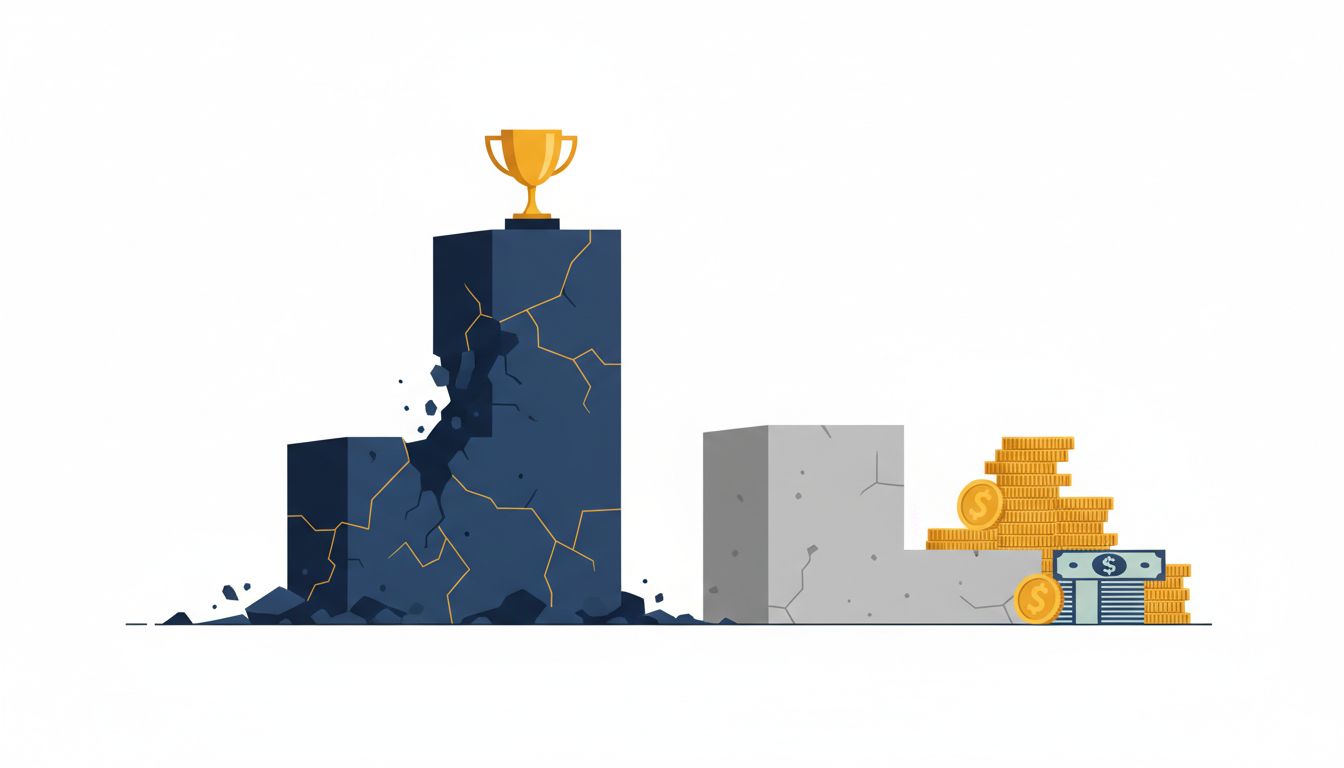
Netscape built the commercial web browser. Apple and Google divided the mobile browser market between them. Friendster invented the social network. Facebook became worth more than $500 billion doing it better. Altair built the first personal computer for consumers. IBM and then Microsoft captured the money. The inventor reliably does the hard, expensive work of proving a market exists, then watches a second entrant collect most of the profit.
This is not bad luck. It is a structural feature of how technology markets work, and understanding it changes how you should think about competitive position.
What Pioneer Companies Actually Pay For
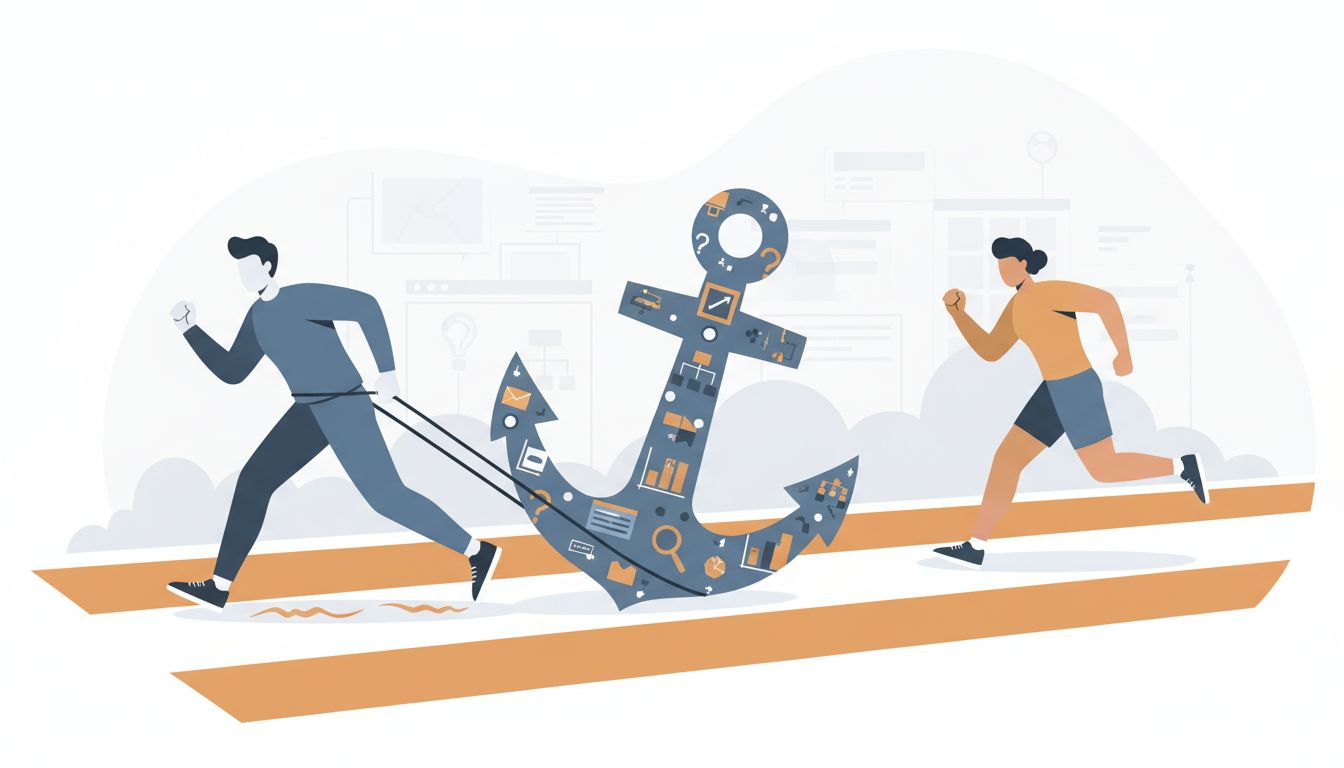
Being first means absorbing costs that look invisible on a spreadsheet but are economically brutal in practice.
The first company in a market has to convince customers that the problem they are solving is worth solving. That is not a marketing expense. It is a fundamental shift in how buyers allocate attention and budget. Salesforce spent years and enormous sums persuading corporate IT departments that cloud software was not a security disaster waiting to happen. Once Salesforce had done that work, every subsequent CRM vendor walked into sales meetings where the customer already understood the category.
Early entrants also bear the engineering cost of building without a map. The product decisions a pioneer makes are largely guesses. They build for a customer they do not yet fully understand, which is why so many first-mover products look, in retrospect, like rough sketches of what the market actually wanted. The wrong early customer can quietly destroy a company before it gets the chance to correct course. The pioneer often finds the wrong customer first because there are no better signals yet.
Finally, early entrants fund the infrastructure. Webvan built grocery delivery warehouses before anyone knew what demand would look like. Instacart arrived later, used existing grocery infrastructure, and went public at a valuation of roughly $10 billion. Webvan burned through $1.2 billion and went bankrupt.
The Structural Advantage of Arriving Second
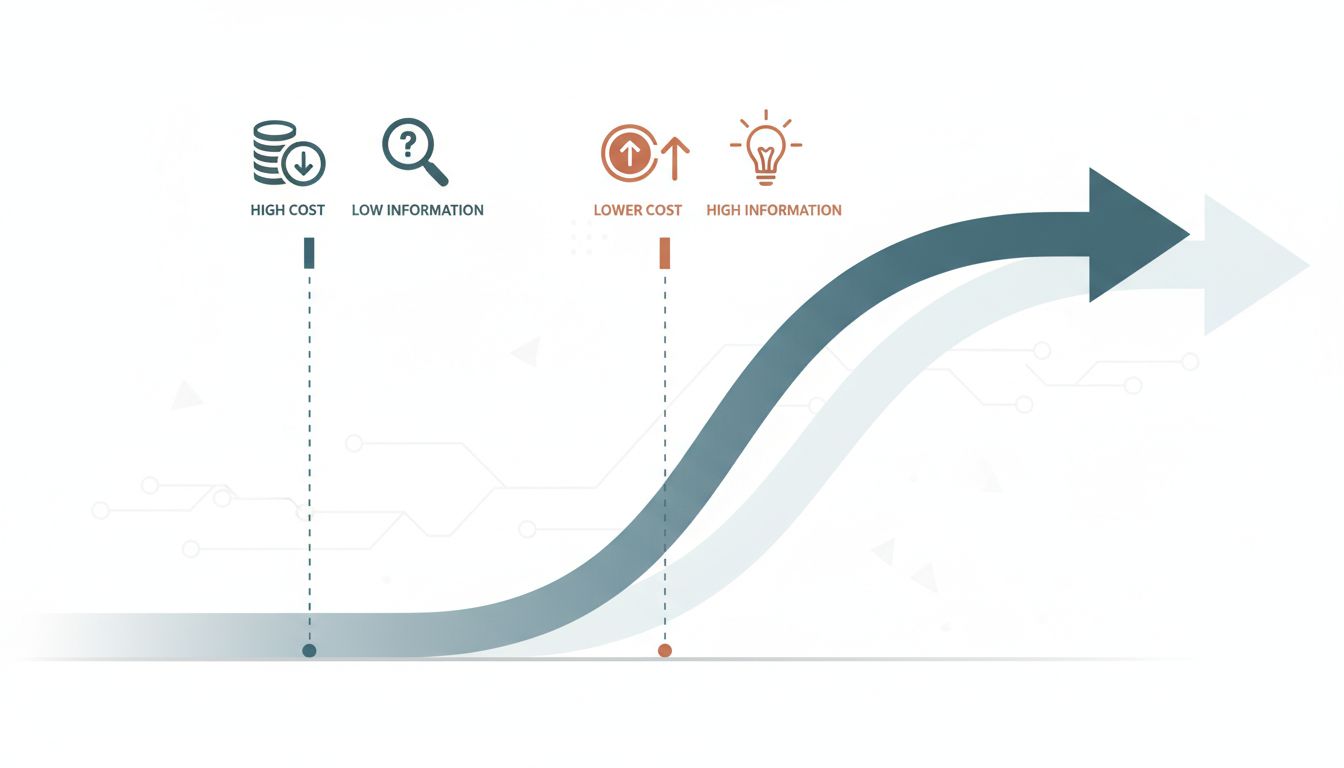
The second company into a market does not start from zero. It starts from evidence.
It knows which customer segments actually pay. It knows which features the pioneer’s users complain about on forums and in reviews. It knows the approximate price point the market will bear. It can watch the pioneer’s sales cycle and engineer a shorter one. This information is extraordinarily valuable, and the second company gets it without paying for the experiments that produced it.
This is the economic logic behind AMD’s long run as Intel’s shadow. AMD did not try to replace Intel’s market. It used Intel’s dominance to benchmark its own chips, target Intel’s pricing vulnerabilities, and focus its manufacturing investment where returns were clearest. The result, documented in detail on this site, is that AMD has generated higher margins per chip than Intel in recent years, despite Intel having invented most of the architecture both companies build on.
The pattern repeats across categories. Google did not invent the search engine. AltaVista, Lycos, and Yahoo preceded it. Google arrived with a better algorithm and, crucially, with user behavior data from competitors showing what search needed to do. Google’s PageRank was not a shot in the dark. It was a solution to a problem that pioneer search engines had already made visible.
When the Timing Advantage Compounds
The second mover advantage is not just about lower costs. It compounds through timing in a way that first movers cannot replicate.
Technology markets often require a threshold of supporting infrastructure before they can scale. The smartphone market needed cheap mobile data, mature touchscreen manufacturing, and app developer ecosystems. Apple launched the iPhone in 2007, after mobile data had become cheap enough for consumers. Palm had smartphones in the late 1990s. They were technically impressive and economically ahead of their time. The market infrastructure was not there.
A company that arrives when infrastructure is ready can scale quickly. A company that arrived early spent years waiting for the infrastructure and often ran out of money or patience before it materialized. The pioneer built the road. The second entrant drives on it at highway speed.
This is also why second movers frequently make better product decisions. By the time they enter, they can build for actual users rather than hypothetical ones. Slack was not the first workplace messaging tool. HipChat, Campfire, and others preceded it. But Slack launched after smartphone adoption had normalized persistent messaging behavior, which meant its product assumptions about how teams communicate were validated before it wrote a line of code.
The Exceptions That Prove the Rule
First-mover advantages do exist. They are just rarer and more specific than the conventional story suggests.
Network effects, when genuine, can protect a pioneer. Facebook’s early dominance of college campuses created social graphs that were genuinely hard to replicate. A competitor could build a better feature set, but it could not replicate the fact that a user’s actual friends were already on Facebook. The network was the product.
Switching costs also protect early entrants in enterprise software. Once a company’s workflow is built around a platform, migration is expensive enough that a better product may not be worth the disruption. Salesforce benefits from this today. Its early enterprise customers are deeply embedded.
But notice that both exceptions require something beyond the product itself. Network effects require actual networks. Switching costs require deep workflow integration. Neither comes automatically from being first. Most pioneers build products without either, which is why most pioneers lose to their better-informed successors.
What This Means for How You Read the Market
The investor obsession with first-mover advantage distorts funding and strategy in ways that cost real money. Founders under pressure to move fast sometimes enter markets before the conditions for success exist. They burn capital educating customers and building infrastructure, then watch a second entrant use their work as a foundation.
The smarter question is not “are we first?” but “are we arriving at the right moment with enough information to build what the market actually needs?” A company that enters a market two years after the pioneer, with clear data about what customers want and what infrastructure now supports, is almost always in a better position than the company that entered blind.
Being second is not a consolation prize. For many of the most profitable technology companies in history, it was the strategy.