
In 2006, AMD did something that looked, at the time, like a bold move toward dominance. It acquired graphics company ATI for $5.4 billion, positioning itself as a full-stack semiconductor company that could challenge Intel across processors, graphics, and integrated chips. The deal nearly killed it.
AMD spent the next several years digesting a debt load it couldn’t afford while Intel widened its manufacturing lead. By 2012, AMD’s stock had fallen below $2. Analysts openly discussed whether the company would survive. It had tried to win the market outright, and the attempt had broken it.
What happened next is one of the cleaner case studies in tech economics: AMD stopped trying to be first and started trying to be better along one specific dimension. The outcome, a decade later, was a company generating operating margins that, in some recent quarters, have exceeded Intel’s by a significant margin. Not by winning the market. By accepting second place and engineering around the constraints that come with it.
The Setup: What “Winning” Actually Costs
Being the market leader in semiconductors is expensive in ways that don’t appear on a product roadmap. Intel, at its peak, operated its own fabrication plants, employed tens of thousands of engineers to maintain manufacturing process leadership, and spent heavily defending its position with PC manufacturers through marketing development funds and volume pricing agreements that amounted to, in the European Commission’s assessment, anti-competitive rebates. The EU fined Intel over one billion euros in 2009 for exactly this behavior.
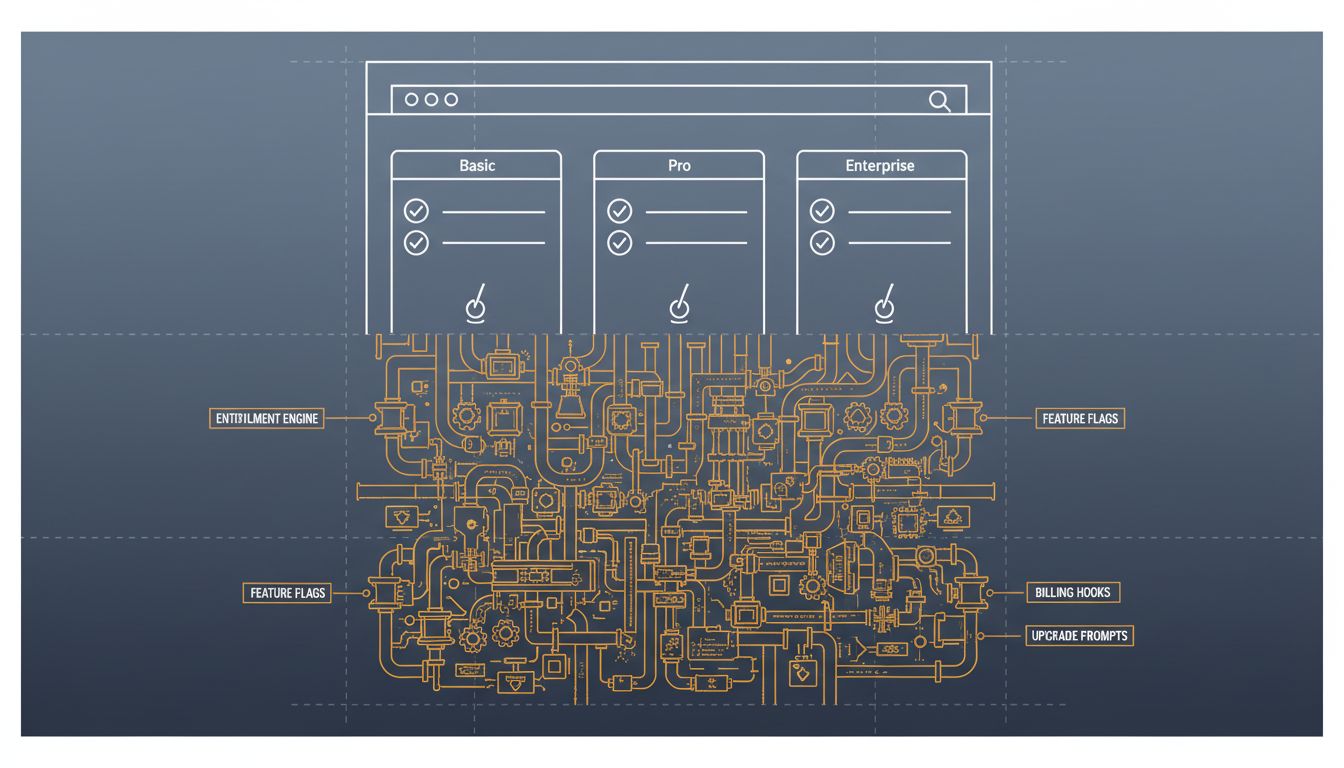
All of that costs money. The winner in a mature tech market is often spending aggressively just to stay in place, defending installed base, maintaining compatibility across a sprawling product line, and subsidizing the ecosystem that keeps customers locked in. Market share is, among other things, a bill that arrives every quarter.
The second-place company has none of those obligations. It serves a narrower customer base, carries less legacy product weight, and faces pressure to be genuinely better on performance-per-dollar rather than just incumbent by default.

What Happened: The Fabless Pivot
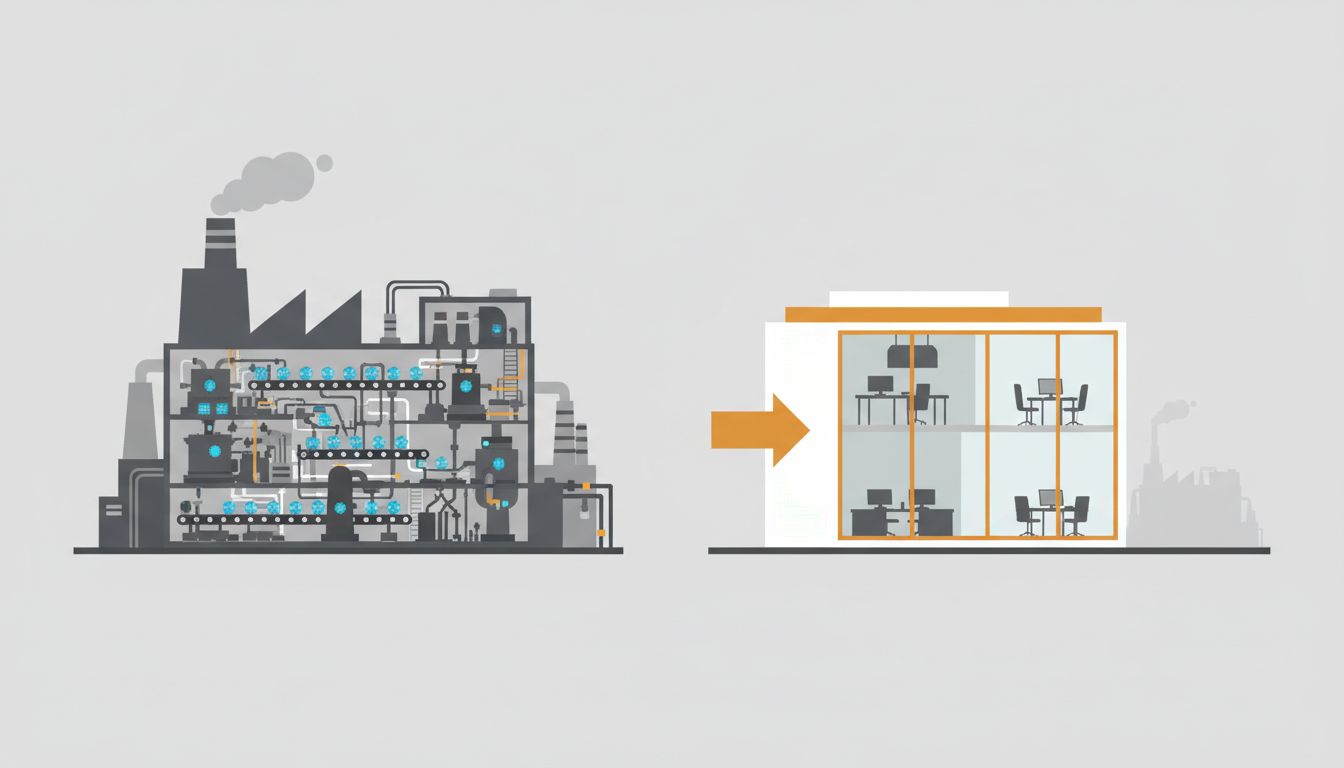
AMD’s decisive strategic move came in 2009 when it spun off its manufacturing operations into a separate company, GlobalFoundries. AMD became fabless, meaning it designed chips but contracted their production to third-party foundries, eventually including TSMC.
At the time, this looked like retreat. Intel’s competitive advantage was built on owning its fabs, and AMD was surrendering that ground entirely. What AMD actually surrendered was the capital expenditure burden of running those fabs, which ran into billions of dollars annually and required constant reinvestment just to maintain parity.
Fabless design let AMD focus engineering resources almost entirely on architecture. When Lisa Su took over as CEO in 2014, she concentrated those resources further, prioritizing the data center and high-performance computing segments where AMD had historically been weakest but where margins were highest.
The Zen architecture, released in 2017, was the result. AMD hadn’t invented a new category. It had built a processor that beat Intel on multi-threaded performance at a lower price point, in exactly the markets Intel most needed to defend. By 2022, AMD had taken meaningful server CPU market share from Intel for the first time in over a decade.
Crucially, AMD took that share without matching Intel’s pricing. It didn’t need to. A second-place vendor winning on performance-per-dollar doesn’t require pricing parity; it requires being good enough that procurement teams can justify the switch. The margin structure follows.
Why It Matters: The Burden of Leadership
The AMD story illustrates a principle that recurs across tech markets, though it’s rarely framed this way. The company with the largest market share often carries structural costs that make profitability harder, not easier. This seems backward until you enumerate those costs.
Enterprise software vendors with dominant installed bases spend heavily on backward compatibility. Cloud providers with the largest infrastructure footprints carry more stranded capacity during demand slowdowns. Search engines with the highest query volumes face proportionally larger content moderation and quality costs. The winner owns the market and inherits its overhead.
Second-place companies, by contrast, can be more selective. They take the customers worth having, price at a level that reflects their actual value, and avoid the political and financial cost of maintaining an ecosystem that benefits competitors as much as themselves. The economics of this are related to why software pricing is so structurally strange: once you’re the incumbent, your pricing has to account for everyone, not just the customers you’d choose.
AMD’s gross margins in recent years have been competitive with or ahead of Intel’s, despite Intel’s larger revenue base. This isn’t a paradox. It’s the predictable outcome of a cost structure that reflects genuine strategic focus rather than market-leadership maintenance.
What We Can Learn
The lesson isn’t that companies should aim to lose. AMD didn’t get profitable by conceding; it got profitable by being precise about where it competed and what it was willing to spend to compete there.
Three things made the difference. First, AMD accepted a structural constraint (no fabs) and converted it into a strategic advantage (lower fixed costs, access to the best available manufacturing through TSMC). Second, it picked segments where Intel’s incumbency created complacency rather than invincibility. Third, it priced to reflect genuine value rather than trying to buy share.
That third point is worth dwelling on. AMD didn’t undercut Intel into oblivion. It competed on value and maintained pricing discipline. Companies that try to win second-place economics by slashing prices typically destroy the margins they were supposed to preserve. The startup that prices too low rarely lives long enough to course-correct.
The broader principle is that market position and profit position are different things, and optimizing for one often means accepting suboptimal performance on the other. Intel spent years optimizing for market position. AMD, by necessity and eventually by design, optimized for profit position. The scoreboard as of Intel’s recent struggles, including multiple rounds of layoffs and lost data center share, suggests AMD got the better end of that trade.
Being number two doesn’t mean being less ambitious. It means being more specific about what winning actually requires.