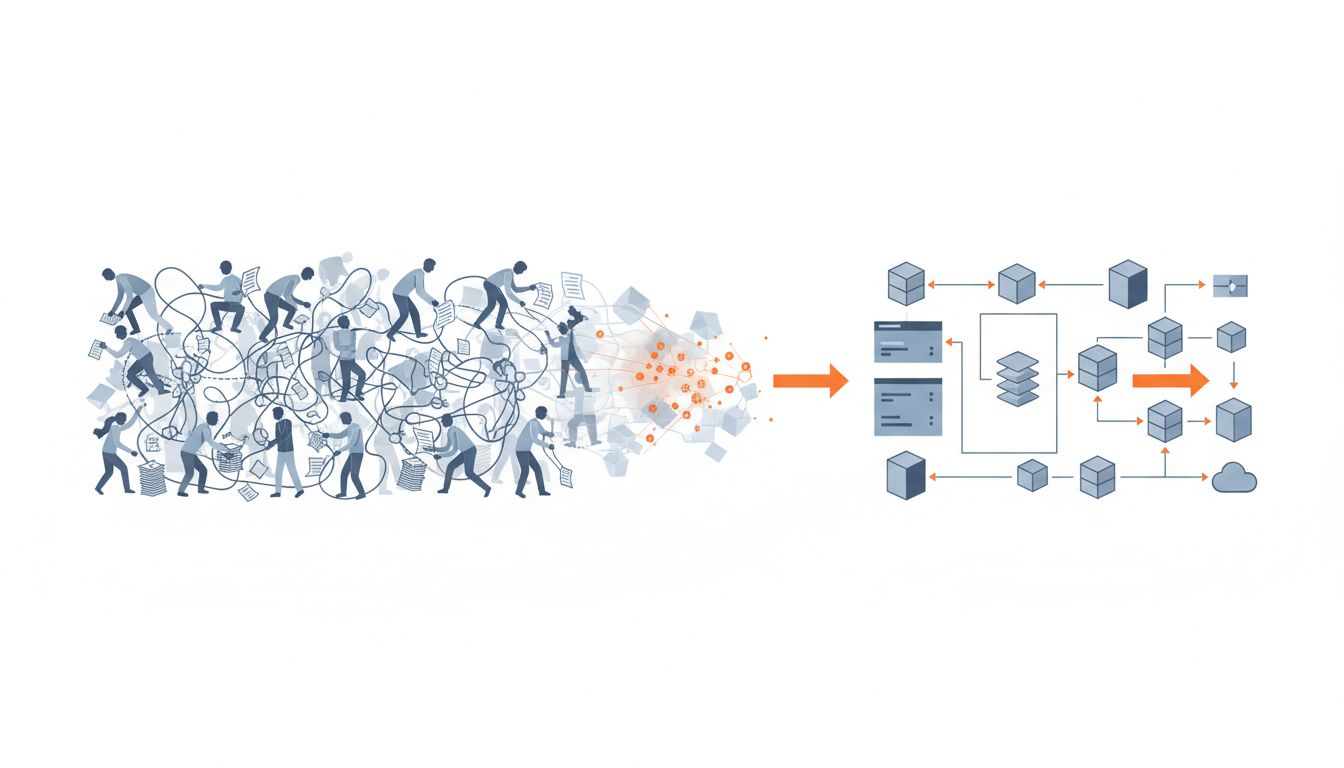

In 2003, a company called Friendster had 3 million users and a head start on every social network that would follow. By 2011, it had pivoted to a gaming platform and was irrelevant. MySpace came second, then Facebook came after that. You know how this ends.
The startup world has a romance with being first. Founders pitch “first-mover advantage” like it’s a moat. Investors nod approvingly. But the historical record is more complicated, and if you’ve watched enough companies compete in real markets, you start to notice a pattern: the pioneer does the hard work of proving demand, and someone else collects the revenue.
What First Movers Actually Build
When you enter a market that doesn’t fully exist yet, most of your energy goes into things that won’t survive contact with customers. You’re building intuitions about user behavior that turn out to be wrong. You’re hiring for a product that will look completely different in 18 months. You’re burning capital educating customers who will eventually buy from a competitor who learned from watching you.
This isn’t a failure of execution. It’s the nature of exploration. The first company into a market is running a very expensive research project, and the results get published whether they want them to or not. Every pivot they make, every pricing experiment, every feature that gets traction or dies quietly, all of that is visible to anyone paying attention.
Friendster struggled with scalability and built technical architecture that couldn’t handle growth. MySpace watched that, built something more robust, and still got the social graph wrong by letting it become too chaotic. Facebook watched both of them and built something cleaner. The product we use today was refined through two rounds of someone else’s mistakes.
The Specific Advantages of Arriving Second
There are a few concrete things a fast follower gets that a pioneer never had.
First, a real customer to talk to. When Google launched, enterprise search was a known category. Customers had opinions, frustrations, and workflows built around existing tools. That feedback loop is incredibly valuable. Pioneers are often building for a customer who doesn’t have strong opinions yet, which sounds like freedom but is actually just noise.
Second, a cleaner technical foundation. The companies that built early cloud infrastructure in the mid-2000s made architectural decisions based on hardware constraints that no longer exist. The companies that rebuilt similar products five years later got to start with better primitives. In fast-moving technical categories, being 18 to 24 months behind the frontier isn’t necessarily a handicap.
Third, a more honest market size. Early entrants often convince themselves they’re building something huge based on limited signal. The second company into a market has actual data: revenue numbers, growth curves, customer retention. They can underwrite their bet with real information rather than theory.

The Part Where This Argument Gets Harder
I want to be honest about where second-mover advantage breaks down, because it absolutely does.
Network effects are the real exception. If your product gets meaningfully better as more people use it, and switching costs are high, being first can create a lock-in that’s genuinely hard to break. Payment rails, communication protocols, professional networks: these categories tend to reward the first company that achieves critical mass. LinkedIn has mediocre product design by almost any measure and still dominates professional networking because the value is in the graph, not the interface.
The other case where being second is just… being second is when you don’t actually do anything differently. Following someone into a market only works if you’ve learned something. Companies that show up later with the same product and hope to win on distribution or funding are playing a much weaker hand than they realize. Charging less than your competitors almost never makes up for having nothing structurally different to offer.
The second company that wins doesn’t just come later. It comes with a better theory about what customers actually want.
What This Means for How You Think About Timing
The practical implication here isn’t “wait until someone else proves the market.” That’s too passive and often too late. By the time a market is obviously proven, it’s usually crowded.
The real lesson is about what to study. If you’re entering a market where there’s already a player with traction, that’s not automatically bad news. Spend serious time understanding why their customers are unhappy, what they’ve had to compromise on, and where their architecture or business model creates constraints that a new entrant wouldn’t have. What lost customers teach you about an incumbent is often more valuable than anything their happy customers will tell you.
If you’re the first mover, the strategic move is to lock in the advantages that actually compound before someone better-informed shows up. That means distribution relationships, proprietary data, and customer integrations that are painful to undo. Speed matters, but speed toward defensibility, not just speed toward product.
The Myth Worth Killing
The “first-mover advantage” narrative persists because it flatters the people telling it. Founders love being pioneers. VCs love backing companies that are supposedly defining new categories. The story is more exciting than “we studied what the first company did wrong and built something better.”
But building something better is actually harder than it sounds, and there’s nothing embarrassing about it. Amazon was not the first online bookstore. Google was not the first search engine. The iPhone was not the first smartphone. These companies won because they had better theories about what customers needed, not because they had a head start.
Being first is a fact about timing. Winning is a function of understanding. The two correlate less than the mythology suggests.