
A founder I know spent six months trying to land her first ten customers. Not just any customers, the right ones. She had a rubric. Company size, tech stack, growth stage, whether they’d attended a specific conference. She turned down three inbound leads because they didn’t fit the profile. When I asked her how many customers she had at the end of those six months, she said two. When I asked how much she’d learned, she paused for a long time.
There’s a myth in startup culture that early customers are load-bearing walls. That the wrong ones will corrupt your roadmap, teach you the wrong lessons, and lock you into a market that doesn’t scale. Some version of this is true. But founders have taken that legitimate concern and turned it into a reason to avoid getting customers at all, which is a much worse outcome than signing a few imperfect ones.
The Real Risk Isn’t Bad Customers. It’s No Signal.
When your product is new, you have almost no information. You have hypotheses, maybe some user interviews, possibly a prototype. What you don’t have is evidence of what actually happens when real people with real jobs try to solve real problems with your thing.
Bad customers give you that evidence. They show you edge cases you didn’t design for. They complain about things your ideal customer was too polite to mention. They push back on your pricing in ways that reveal what they actually value. They churn, which tells you something. They stay for unexpected reasons, which tells you something better.
The alternative, waiting until you’ve identified the perfect customer segment before getting anyone in the door, leaves you running on hypothesis for longer than necessary. And hypotheses are not the same as learning.
Stewart Butterfield has talked about how Slack’s early growth came through companies using it for purposes Butterfield’s team hadn’t fully anticipated. The product got shaped by who actually showed up to use it, not just who the team originally imagined. That responsiveness to real usage, including usage that didn’t fit the initial thesis, is part of how the product found its fit.
What ‘Wrong Customer’ Actually Means
I want to be precise here, because there’s a version of this advice that’s genuinely harmful. There are customers who will actually break your company. Customers who demand custom enterprise features when you’re a self-serve tool. Customers in a regulated industry you have no intention of serving. Customers who want you to become a consulting firm.
Those customers can pull your roadmap into territory you can’t recover from, especially if their deal size is large enough to feel important. The one customer type that kills good startups is the one who makes you feel successful while quietly redirecting you toward a product no one else wants.
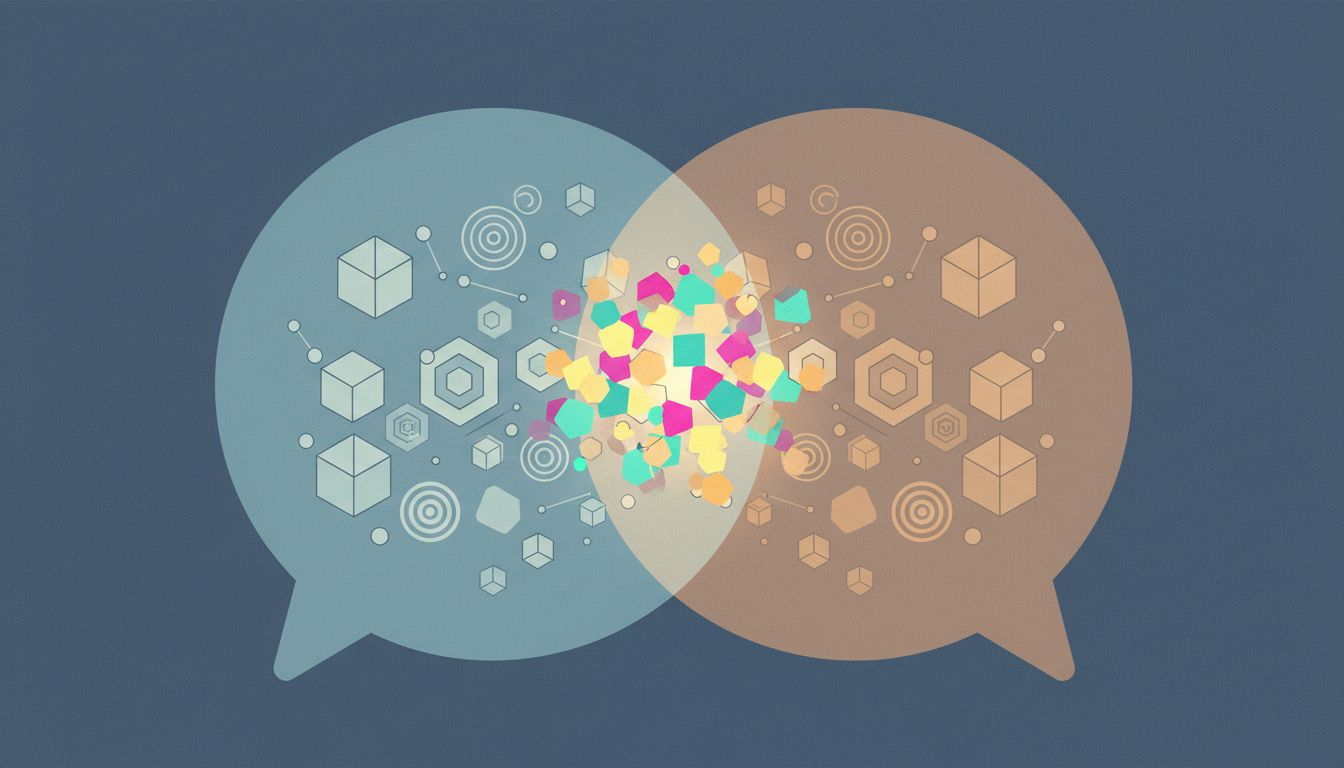
So the distinction matters. A customer who isn’t your ideal ICP but still has the core problem you’re solving? That’s a wrong customer worth having. A customer who doesn’t have your problem at all but wants you to build something adjacent? That’s a wrong customer who will waste your time.
The test is simple: can this person teach you something about the problem you’re trying to solve? If yes, they’re useful regardless of whether they match your target profile. If no, pass.

Early Customers Are Research, Not Commitments
Founders often treat early customers like permanent fixtures. If we sign them, we have to serve them forever. We have to build everything they ask for. We’re stuck.
This is the wrong frame. Early customers are the most intensive research you can do. You’re getting paid (ideally) to learn things you couldn’t learn any other way. The obligation is to be honest with them about what you’re building, to deliver on whatever you explicitly promised, and to treat their time and trust with respect. It is not to let them dictate your product vision or to be paralyzed by the fear that their use case will define you.
Many successful B2B companies signed early customers in adjacent markets just to get revenue and usage, then used what they learned to sharpen their real positioning. The early customers got a product. The company got signal. Both parties got something.
What doesn’t work is using the fear of wrong customers as a reason to stay in the building. The longer you delay real customer contact, the more you’re optimizing a product against internal assumptions, which is a form of work that feels productive and isn’t.
How to Actually Work With Imperfect Customers
If you’re going to sign customers who aren’t perfect fits, you need a structure for working with them that keeps you in the driver’s seat.
First, be explicit about what you’re building and for whom. Customers who understand they’re early adopters on a specific product trajectory are much less likely to feel betrayed when you don’t build their feature request. Transparency here is a form of customer management.
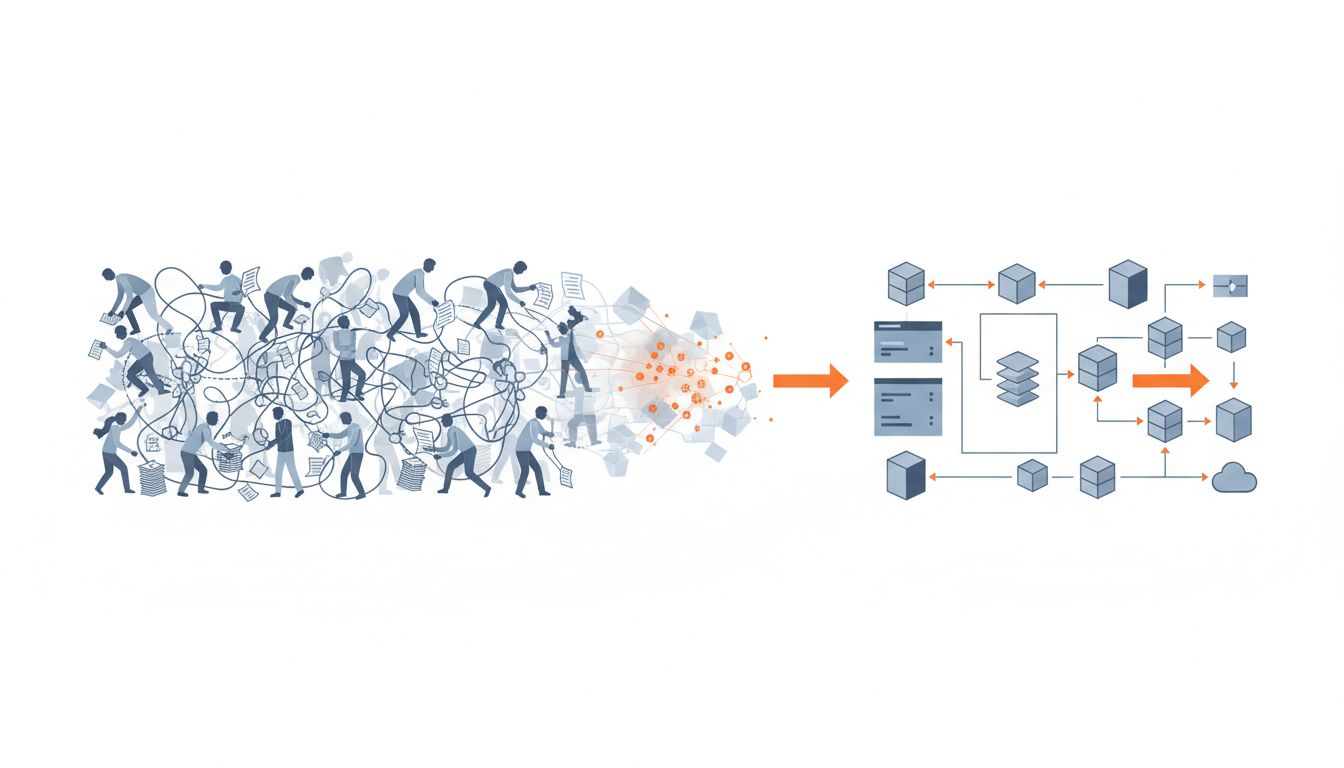
Second, separate feedback into categories. What they’re asking for is often not what they need. A customer asking for a better export function is telling you the data is getting stuck somewhere. The ask is a symptom. Your job is to diagnose the underlying problem, which is the signal worth having.
Third, track why customers are staying, not just why they’re complaining. The complaints get attention because they’re loud. But a customer who keeps renewing despite the product being rough is telling you something important about where the real value lives. Your hardest customer is your most valuable one because they’re the one who’ll tell you what the product actually needs to do.
Finally, be willing to graduate out of early customer relationships when you’ve learned what you can. You don’t have to fire customers. But if someone is taking disproportionate support resources and their use case has taught you everything it’s going to, it’s worth being honest about whether the fit is there.
Getting the First Hundred Right Means Getting Them At All
The best early customers aren’t the ones who fit your ICP deck perfectly. They’re the ones who show up, use the product hard, and give you honest feedback. Sometimes those people come in through channels you didn’t expect, for reasons you didn’t plan, in industries you hadn’t considered.
The founders who wait for the perfect cohort before letting anyone in are optimizing for a clean story. The founders who sign imperfect customers, learn from them, and iterate are optimizing for a real product.
One of those approaches produces a good pitch. The other produces a company.