Async Communication Became the Bottleneck It Was Supposed to Replace
We moved from meetings to messages to escape constant interruption. We got constant interruption with worse context and higher latency.
More data should mean better AI. Sometimes it means the opposite. Here's the mechanism behind one of machine learning's most counterintuitive failure modes.
Server demand isn't random. It follows patterns tied to weather, seasons, and human behavior — and the biggest cloud providers have figured out how to read them.
When DHH built Basecamp, he wasn't the most prolific coder on the project. The reason why explains everything about how senior developers actually work.
Burying powerful features isn't bad UX. It's a calculated strategy that serves the company's interests in ways that have nothing to do with yours.
Microsoft's Windows 11 compatibility requirements didn't emerge from engineering necessity. They were a revenue mechanism disguised as a security policy.
A 4TB hard drive costs less than $100. Cloud storage at that scale runs hundreds per year. The gap isn't about hardware. It's about what storage actually is.
A premium domain and a free subdomain look similar in your browser's address bar. The economics behind them couldn't be more different.
Keeping one browser tab open at a time sounds absurd until you understand what multiple tabs are actually doing to your working memory.
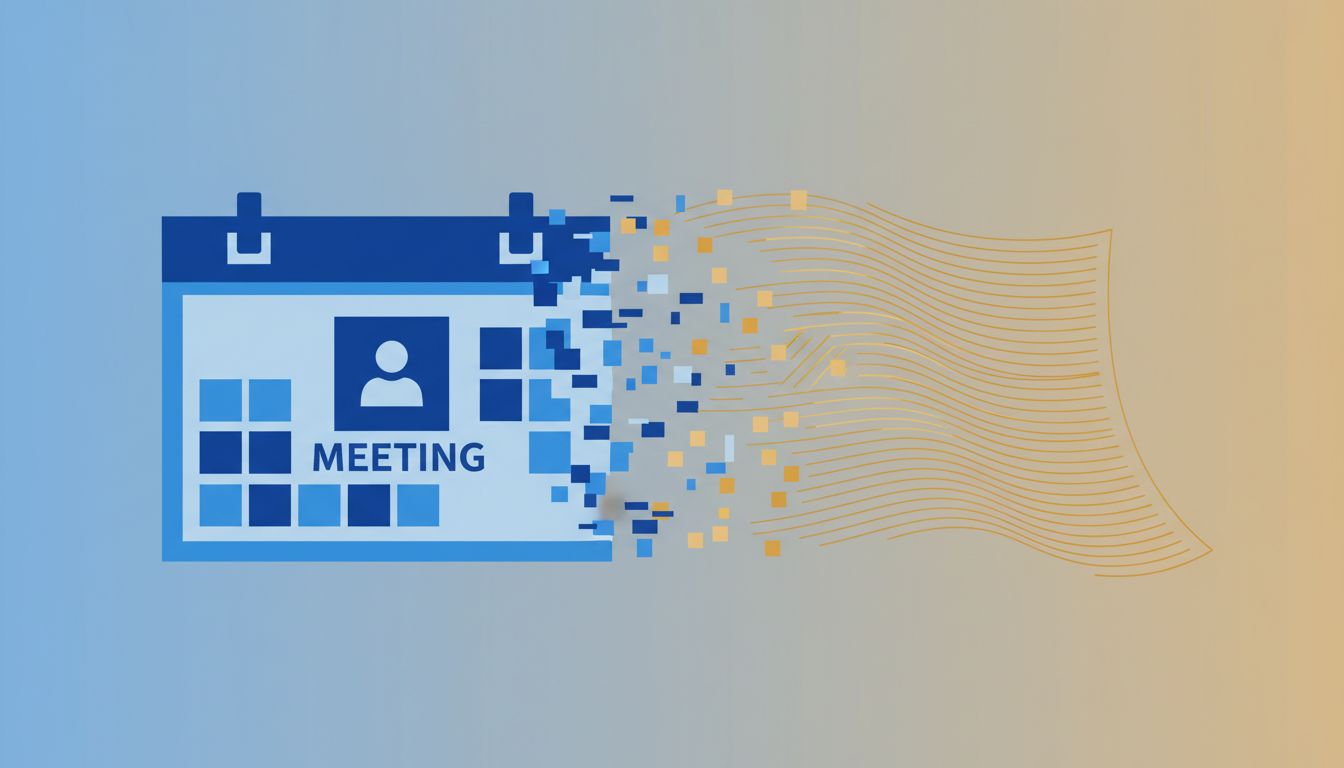
Blocking your calendar with invented meetings isn't a quirky habit. It's a workaround for a fundamental flaw in how shared calendars allocate attention.
A mid-sized design agency stripped its toolkit from 47 apps to 9. What happened next challenges everything productivity culture tells you about tools.
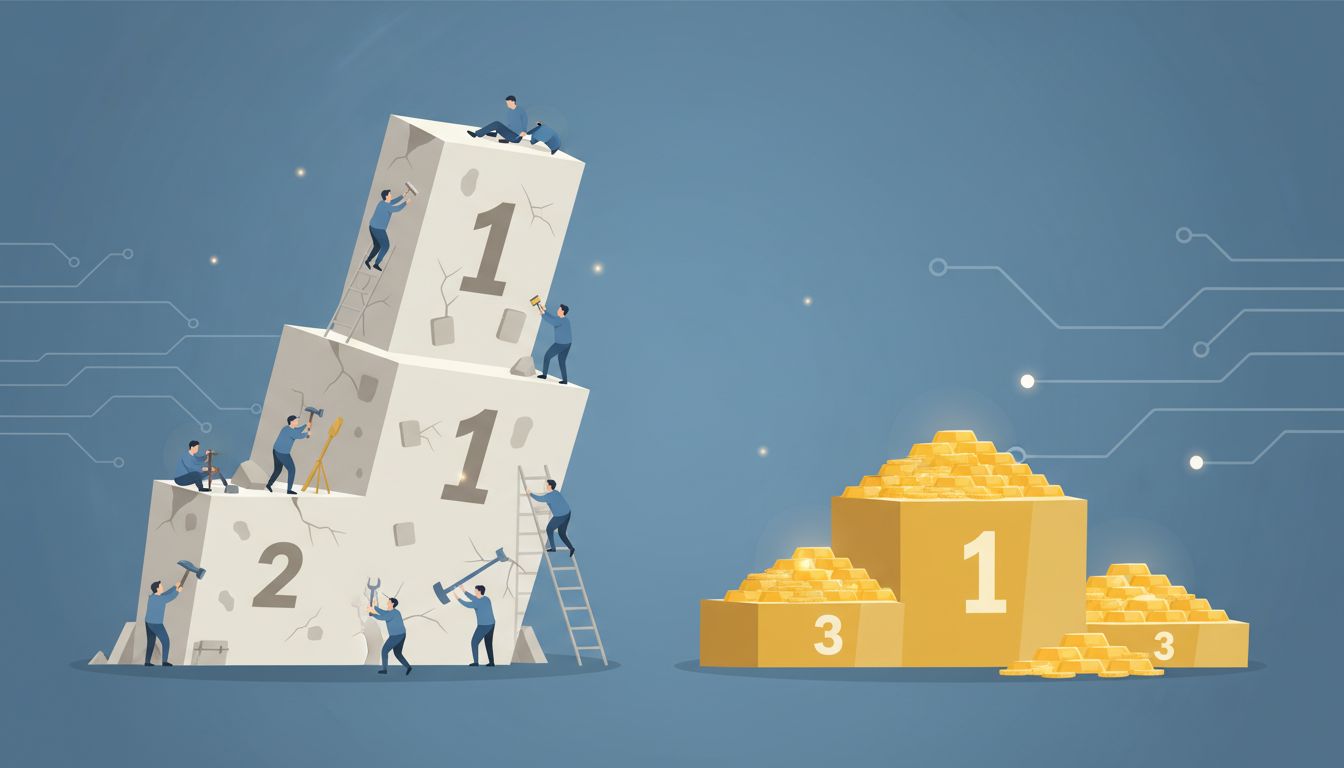
The conventional wisdom is that VCs back the best founders. The reality is they're constructing a position in a category, and your startup is just one tile in that mosaic.
Fans tell you what you want to hear. Critics tell you what your customers are already thinking. Smart founders know the difference.
Temperature settings get all the blame. But six other forces shape why your AI gives wildly different answers to the same prompt.
Opaque code isn't always accidental. Sometimes engineers write it that way deliberately, and the reasons reveal something uncomfortable about how software teams actually work.
The 10-minute pitch isn't where funding decisions happen. It's where VCs test whether reality matches the pattern they recognized before you walked in.
The pre-launch slowdown feels too convenient to be coincidental. The reality is messier, and more damning, than a conspiracy.
Annoying features aren't accidents or oversights. They're calculated tools for revenue, retention, and control — and the logic behind them is colder than you think.
The messiest parts of a dominant tech product are often its best competitive defense. Feature debt isn't a bug in big tech strategy. It's the strategy.
Join thousands of readers who get our weekly breakdown of the most important stories in technology.
Free forever. Unsubscribe anytime.