Your Second Customer Matters More Than Your First
Everyone celebrates the first customer. The second one is the only signal that actually tells you something useful.
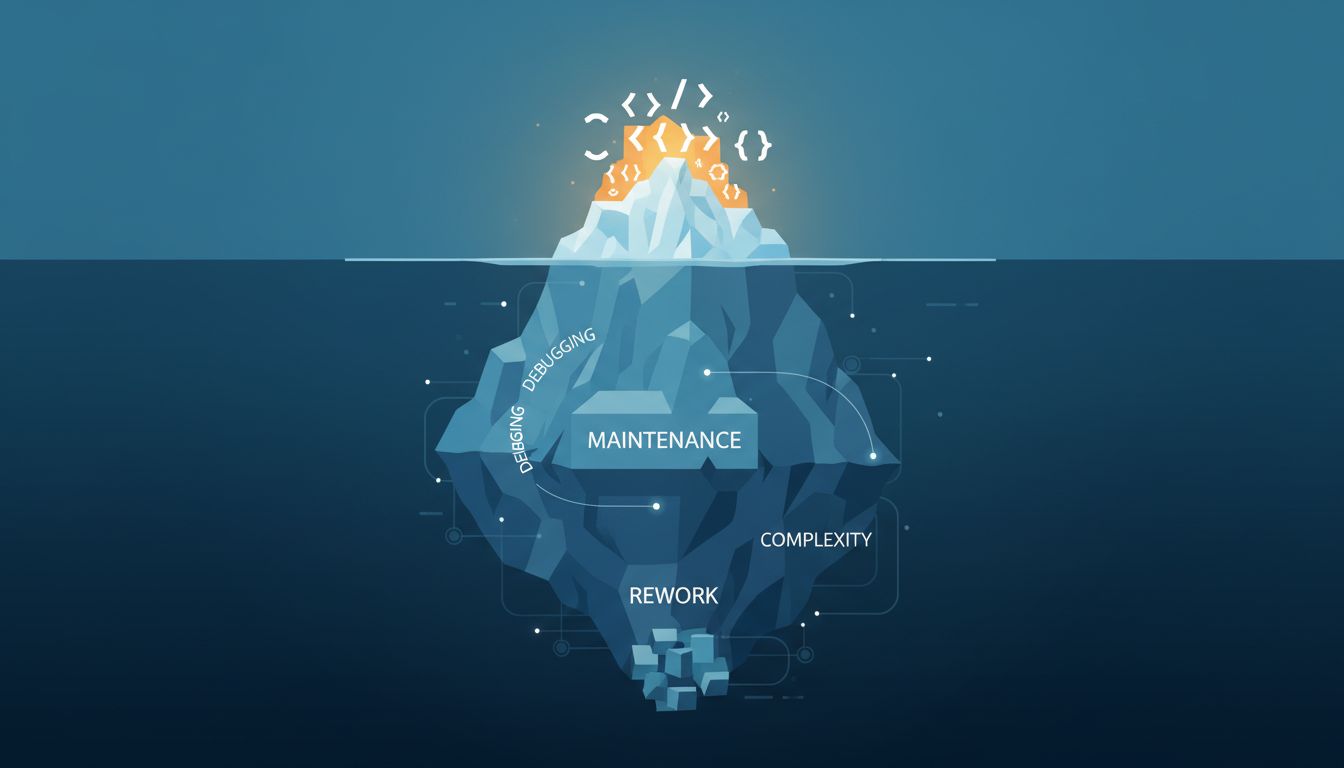
Every bug fix is a trade-off. Understanding why complexity migrates instead of disappearing will change how you write, review, and ship code.
The smarter an AI gets, the harder it becomes to make it do exactly what you want. Here's why capability and alignment pull in opposite directions.
The placement advantage isn't about curriculum quality. It's about what each institution is actually trying to produce.
The quiet suppression of users without their knowledge isn't a bug or an accident. It's a deliberate design choice with a clear business logic.
Slack, AWS, and Gmail all started as internal tools. The reason that pattern keeps repeating reveals something fundamental about how useful software actually gets made.
API complexity isn't a failure of engineering. It's a business decision dressed up as a technical one.
The data advantage that keeps Google, Meta, and Visa untouchable isn't something they built. It's something you handed them.
Recessions don't kill good ideas. They kill the bad ones crowding them out. Google's 2001-2003 playbook explains why.
Planned software obsolescence isn't a bug or lazy engineering. It's a revenue architecture, and once you see the structure, you can't unsee it.
Asynchronous communication isn't a remote-work consolation prize. For teams that do it deliberately, it's a structural advantage over offices.
Your notes app is a filing cabinet. Your brain is not. The gap between those two things explains why you can't find what you learned.
Blocking one day from meetings while logging 70-hour weeks isn't a productivity strategy. It's a coping mechanism dressed up as one.
Chasing total addressable market is how you lose to a well-funded competitor. The founders who win pick a smaller fight on purpose.
The doomed product on your screen isn't a mistake. It's doing exactly what it was built to do — just not for you.
Contrarian market selection isn't a lucky accident. It's a deliberate strategy, and the founders who use it understand something specific about how competition actually works.
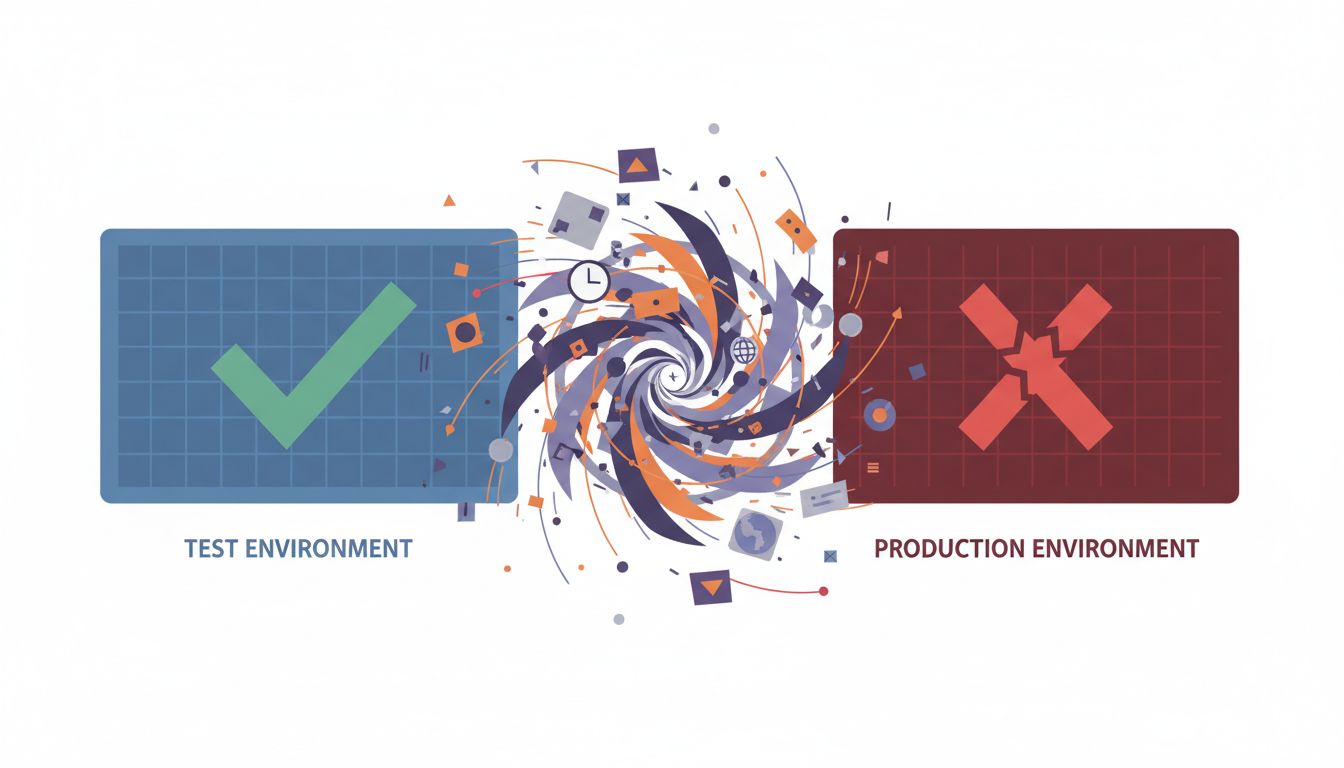
Buggy betas aren't accidents or impatience. They're a deliberate data-collection strategy that no internal test environment can replicate.
More data should mean better AI. Sometimes it means the opposite. Here's the mechanism behind one of machine learning's most counterintuitive failure modes.
Server demand isn't random. It follows patterns tied to weather, seasons, and human behavior — and the biggest cloud providers have figured out how to read them.
Join thousands of readers who get our weekly breakdown of the most important stories in technology.
Free forever. Unsubscribe anytime.