Hiring Cheaper Engineers Usually Costs You More
The bill for a cheaper engineering team doesn't arrive at signing. It arrives six months later, in rewrites, delays, and turnover.
Engineering teams obsess over milliseconds. Users respond to something different: the feeling of speed. The two are not the same, and confusing them is expensive.
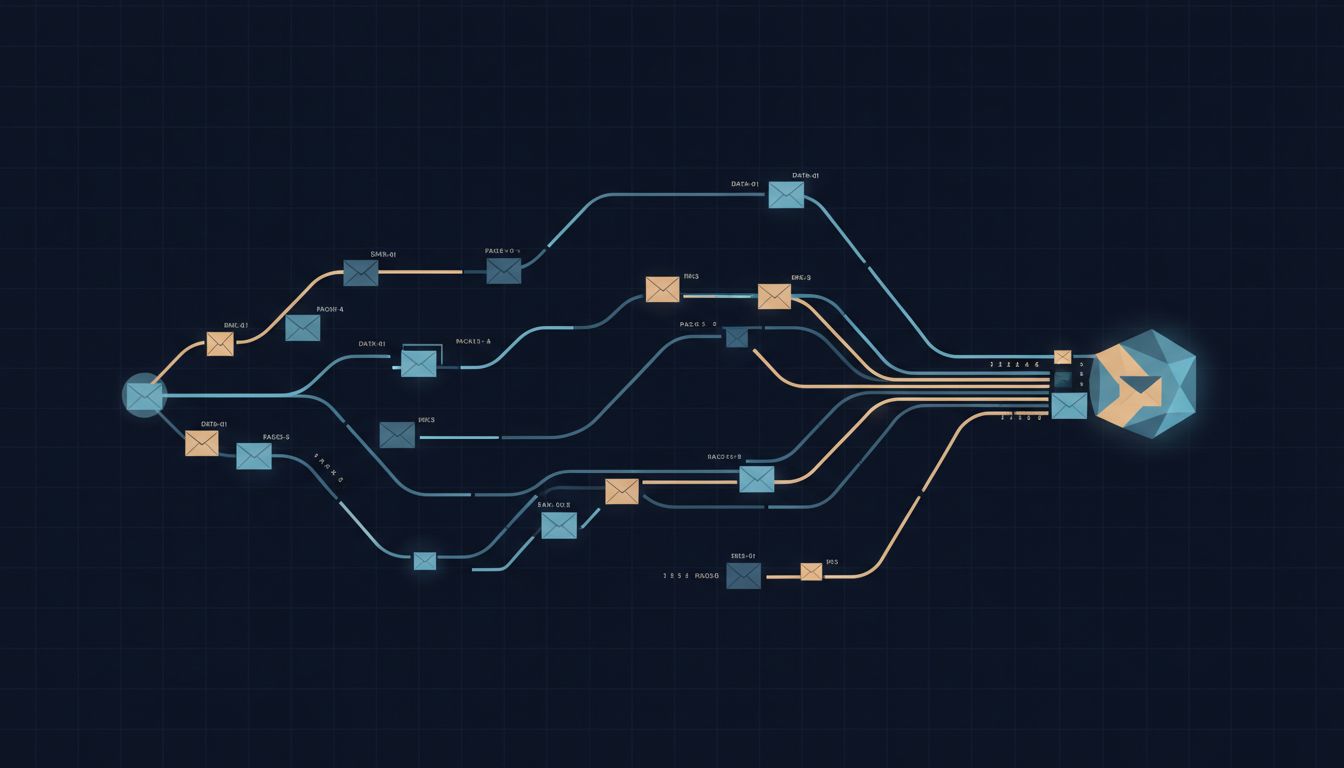
Routers handle collisions constantly. The answer involves queues, priorities, and deliberate packet murder — and it's more elegant than you'd expect.
The compute bill is the headline. The human labor underneath it is the real story that AI companies don't want to discuss.
Winning a market and profiting from it are different things. The economics of tech competition consistently reward the runner-up more than the leader.
Most teams think they have a shared definition of done. They don't. Here's what that actually costs, and what high-output teams do instead.
Canceled meetings get a bad reputation. But the work that happens in their absence is often more valuable than what the meeting would have produced.
Low prices feel like a growth hack. To serious buyers, they're a red flag. Here's why underpricing kills deals before they start.
The accounts that caused your worst all-hands meetings are often the ones still paying you five years later. Here's why that's not a coincidence.
LLMs don't know when they're wrong. Understanding the three ways they fail silently is the skill that separates confident AI users from the ones who get burned.
Most breaches don't break the cipher. They steal the key. The security industry spent decades perfecting the lock and almost no time on who holds the keys.
Starting a server is a solved problem. Keeping it alive for years, under load, through failures nobody anticipated, is an entirely different discipline.
Technical superiority rarely decides market outcomes. Distribution, timing, and switching costs matter more than most product teams want to admit.
Informatica didn't lock in its enterprise customers with contracts. It did it with data pipelines, trained workflows, and ten years of institutional memory baked into a single vendor.
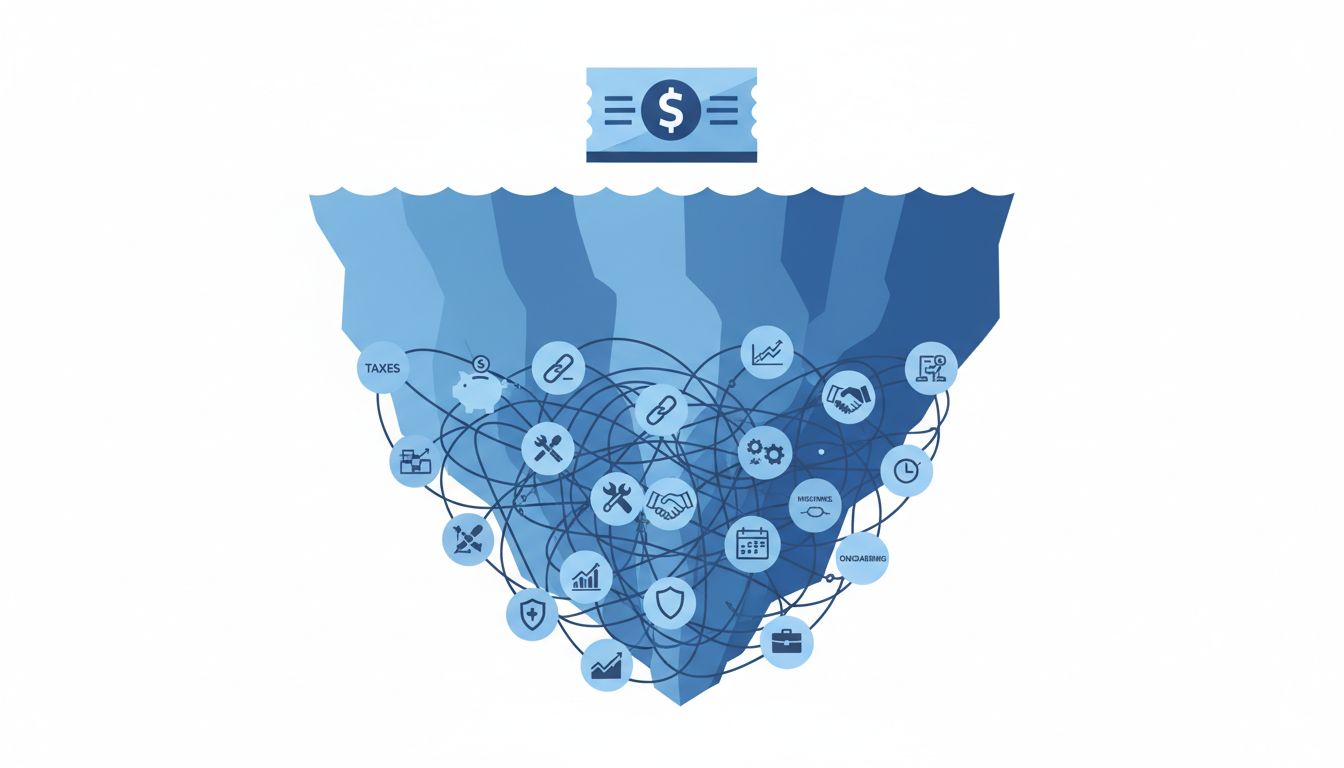
The math on engineering talent is almost always done wrong. Salary is the least important number in the equation.
The advice to wrap up early and protect your evenings sounds sensible. For most knowledge workers, it quietly destroys the conditions that produce good work.
Unnecessary meetings don't just waste the time they take. They break concentration before they start and kill momentum after they end.
A demanding customer who bends your roadmap, exhausts your team, and pays well can still be a trap. Here's how to recognize them before they reshape your company into something nobody else wants.
Everyone obsesses over founder-market fit. The more consequential question is who the first founder brings in next, and why most get it wrong.
Join thousands of readers who get our weekly breakdown of the most important stories in technology.
Free forever. Unsubscribe anytime.