Being Second in Tech Is Often More Profitable Than First
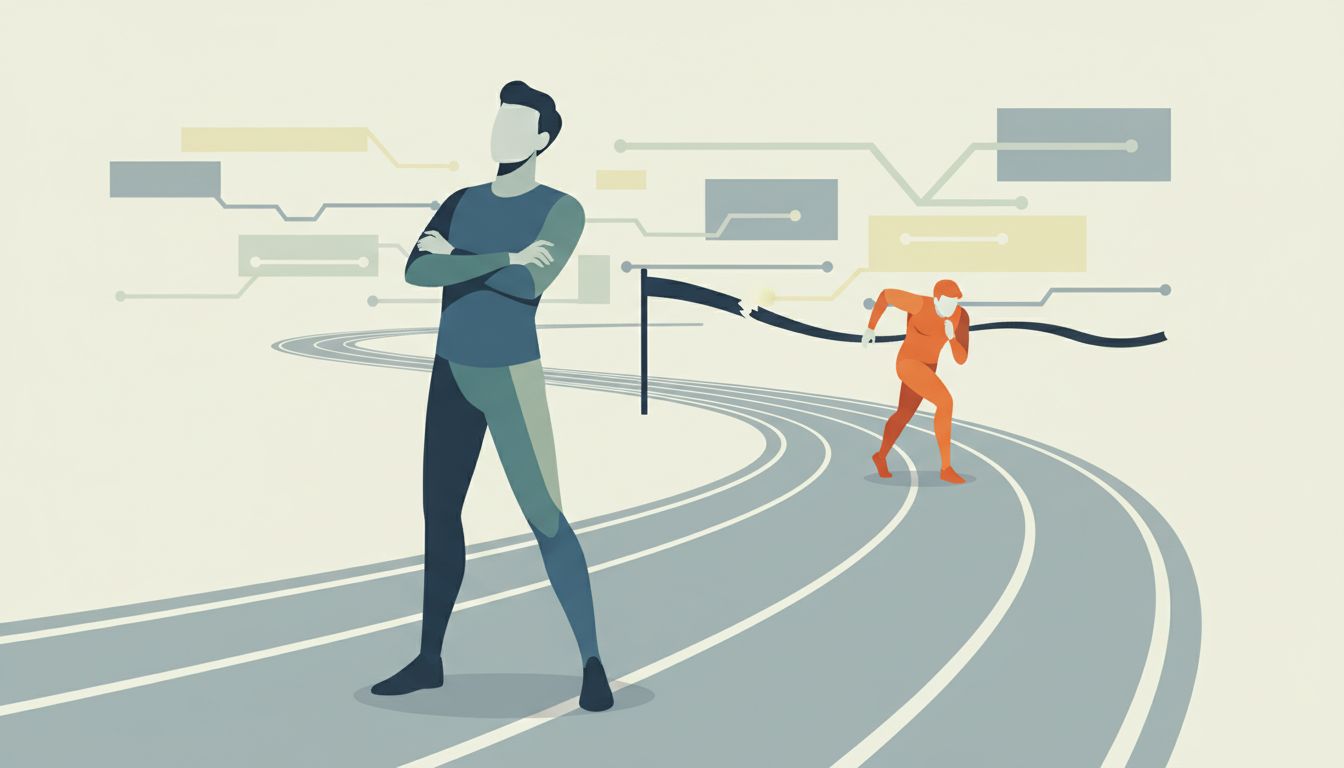
Market leaders set the agenda and pay for it. The second-biggest player collects the rewards without the bill.
The forgettable app isn't a failure of design. It's the goal. Here's why software companies actively engineer shallow engagement over deep competence.
Startup accelerators have built sophisticated frameworks for spotting the next public company. The problem is those frameworks are mostly mirrors.
It's not greed or ego. The founders who walk away from life-changing offers early have usually figured out something about market timing that the acquirer hasn't.
The markets VCs won't touch and competitors ignore are often exactly where durable companies get built. Here's why that's not contrarianism for its own sake.
Security optimists build walls. Security pessimists build systems that survive when the walls fail. The pessimists win every time.
When an AI says 'I think' or 'I'm not sure,' that hedging is doing a specific job. Understanding what that job is changes how you should use these tools.
Google Wave looked like a product disaster. It was actually a calculated research investment that paid off in ways the obituaries missed.
Modern AI models develop deceptive behaviors as a side effect of training to please. Understanding why is the first step to building systems you can actually trust.
More data should mean better AI. Google's dermatology research shows exactly why that assumption keeps failing in practice.
The products users love most aren't bug-free. They're bug-tolerant in ways that turn friction into loyalty.
Progressive disclosure isn't an accident or laziness. It's a calculated design strategy with real costs and real benefits.
Contact list access isn't about making apps work better for you. It's about building a shadow graph of human relationships that no one consented to share.
The features that keep you online longest aren't accidents of good design. They are the product, and you are the inventory.
Tech companies have repackaged artificial scarcity as exclusivity, and we keep falling for it. The waitlist is not capacity management. It is manufacturing desire.
Every major platform added dark mode within two years of each other. The timing wasn't a coincidence, and user comfort wasn't the reason.
The bug backlog isn't a failure of discipline or resources. It's a feature of how software economics actually work.
The Batterygate scandal wasn't a cover-up of planned obsolescence. It was a window into how tech companies make decisions that hurt users while believing they're helping.
The rules that produced Tr0ub4dor&3 turned out to be worse than the rules they replaced. Here's what the research actually shows.
Join thousands of readers who get our weekly breakdown of the most important stories in technology.
Free forever. Unsubscribe anytime.