Being Second in Tech Is Often More Profitable Than First
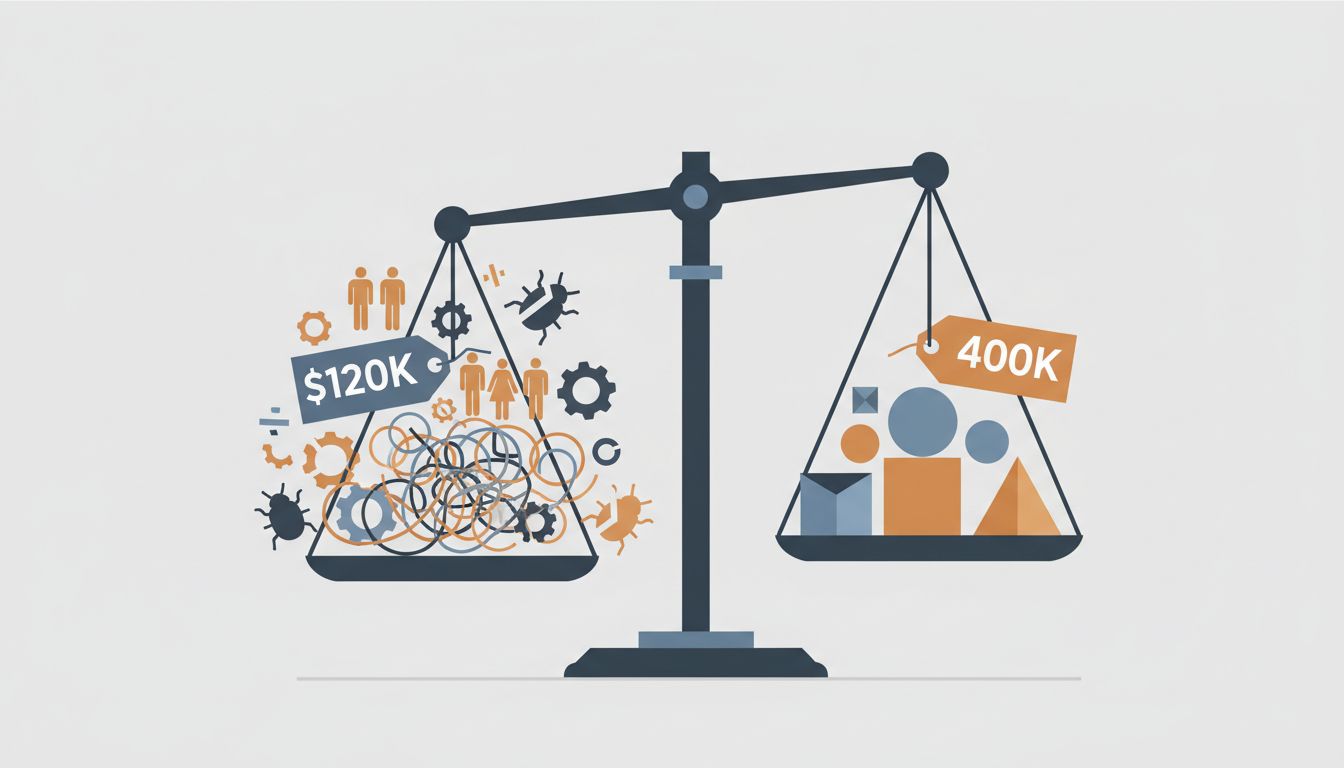
Market leaders set the agenda and pay for it. The second-biggest player collects the rewards without the bill.
Planned obsolescence gets blamed on greed. The real explanation is more structural, and more troubling.
Loss leaders aren't about being generous. They're about making switching costs so high that leaving becomes practically irrational.
Slack, AWS, Gmail, and dozens of other products succeeded externally because they were forged under the pressure of real internal use. The pattern is not coincidence.
The official story is software complexity. The real story is upgrade cycles, services revenue, and a business model built on obsolescence.
Every new system feels like the answer until it doesn't. The failure isn't the system. It's what you're asking the system to do.
Reading on screens and reading on paper activate different cognitive modes. Understanding which one you're in explains a lot about why digital reading often feels like it didn't stick.
Larry Tesler invented cut, copy, and paste in the 1970s. The computing establishment nearly rejected it for a reason that reveals something uncomfortable about how we evaluate useful ideas.
The monitor count on your desk reflects the structure of your work, not your status. Here's what that split actually reveals.
Customer rejection isn't the opposite of product development. For early-stage startups that know what they're doing, it's the core of it.
The product isn't the point. The launch is. Here's what's actually happening when a big tech company ships something obviously doomed.
The best moat isn't a patent or a network effect. It's a business model so counterintuitive that your competition won't believe it's working until it's too late.
The friction isn't accidental. Here's the engineering behind consent flows designed to exhaust your judgment before you reach the 'decline' button.
The gap between a flawless demo and a broken product isn't incompetence. It's a structural problem baked into how software gets built and sold.
Feeding AI systems corrupted, noisy, and outright false training data isn't a bug or a compromise. It's one of the most important techniques in modern machine learning.
Digital security has become so sophisticated that it has created a new vulnerability: everything is connected. Paper is not a backup plan. It is the actual plan.
The 'I Agree' button is not a contract. It is a liability shield engineered to look like one.
The coding bootcamp industry has a placement problem it refuses to name. The graduates who fail aren't failing to learn syntax. They're failing to learn something the curriculum never teaches.
The simple story is that Apple throttles your old iPhone to sell you a new one. The real story is messier, and more damning.
Join thousands of readers who get our weekly breakdown of the most important stories in technology.
Free forever. Unsubscribe anytime.