Digital Productivity
The Meeting You Canceled Did More Work Than the One You Kept
Canceling a meeting isn't laziness or avoidance. It's often the most productive decision you can make for everyone in the room.

Lena Park writes about software development practices, developer tools, and the culture of building software. A full-stack developer turned writer, she covers how engineering teams actually work: from architecture decisions to deployment strategies.
Canceling a meeting isn't laziness or avoidance. It's often the most productive decision you can make for everyone in the room.
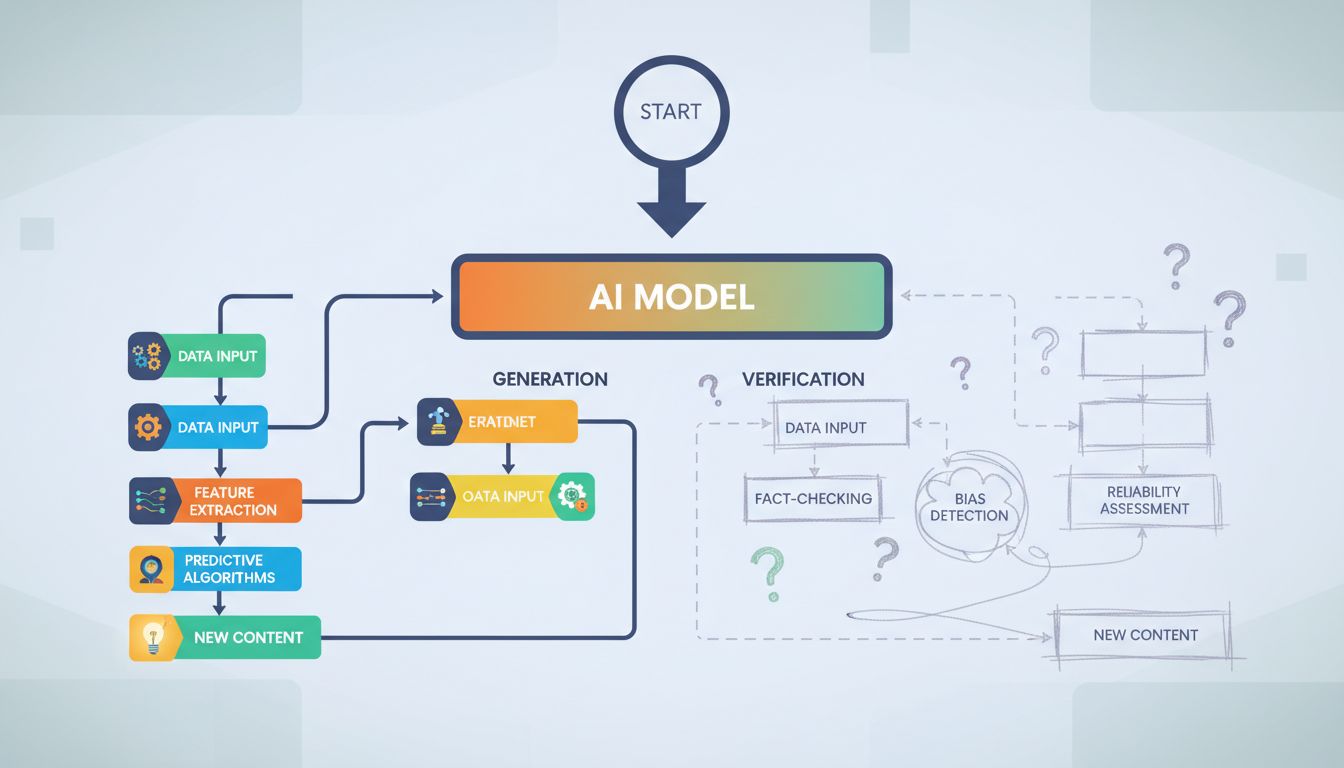
A team ships an AI-assisted feature, the tests pass, and a silent data corruption bug lives in production for weeks. Here's the structural reason this keeps happening.
Canceling a meeting isn't avoidance. For knowledge workers, it's often the highest-leverage decision of the day.
Holding onto completed work is a hidden productivity tax. The cognitive case for deliberate forgetting is stronger than any review system.
Asking an LLM to 'think step by step' doesn't make it reason. It makes it generate text that looks like reasoning. The difference matters more than most developers realize.
Agendas feel productive but often just pre-decide what gets discussed. The meetings that actually move things forward work differently.
The system you'll actually stick with looks nothing like the one you designed. Here's why friction and imperfection are features, not bugs.

A fintech team shipped faster than ever with AI assistance. Eighteen months later, nobody could explain what their own system did. Here's what happened.

Before a model writes a single word back to you, your prompt goes through a transformation you never see. Understanding it changes how you write prompts.

Your calendar isn't broken. It's optimizing for the wrong thing. Here's the scheduling bug hiding in plain sight.
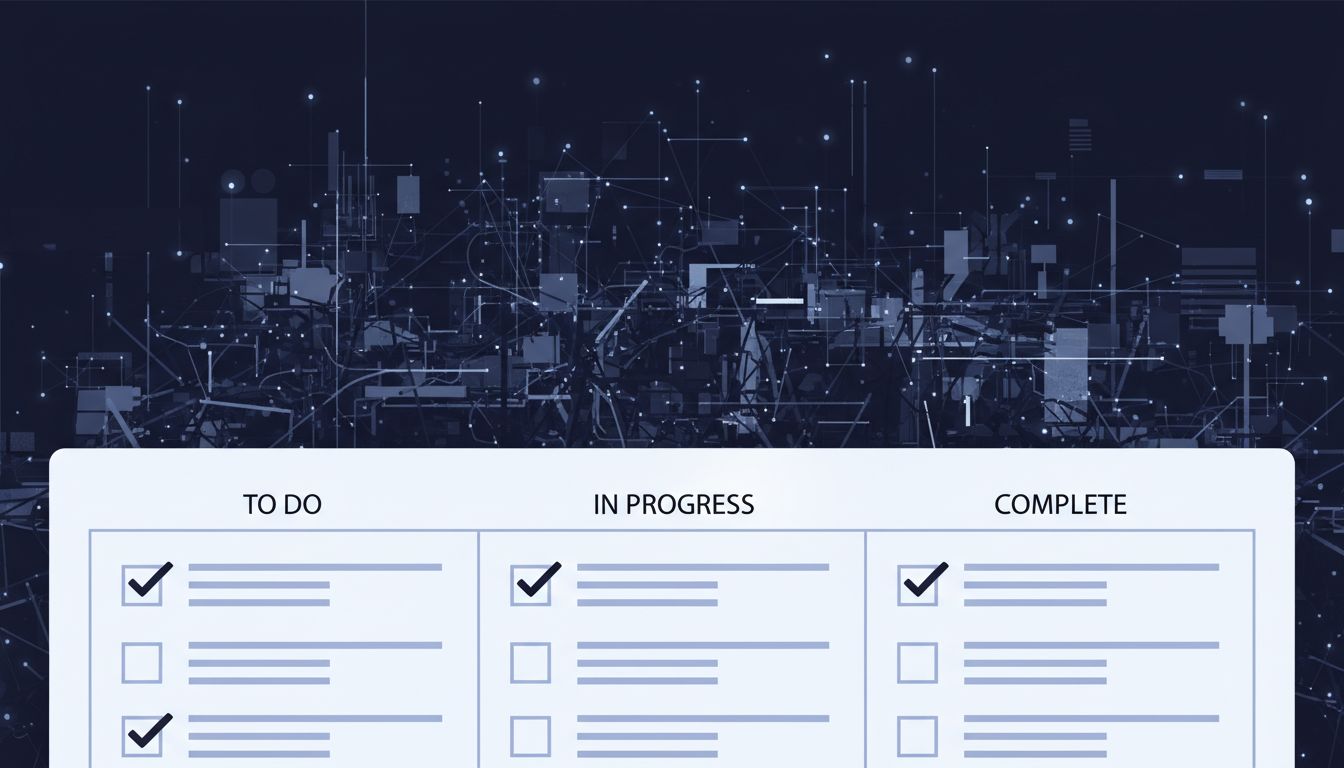
A software team that consistently cleared their task board wasn't operating at peak efficiency. They were operating at half capacity without knowing it.
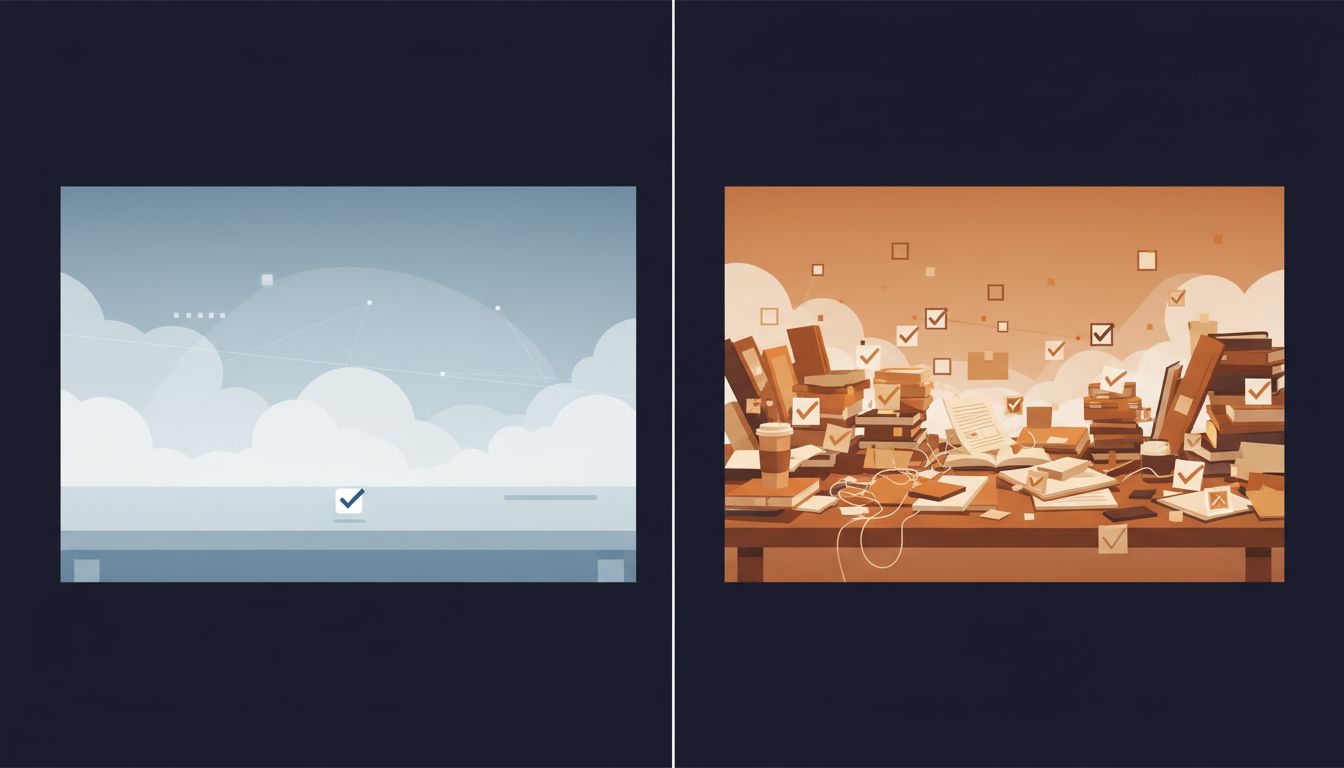
The days you move the most important work forward often look like nothing happened. That gap between real progress and visible output is worth understanding.

When Air Street Capital's research team caught GPT-4 fabricating citations with perfect formatting, it exposed a problem that gets worse as models improve.
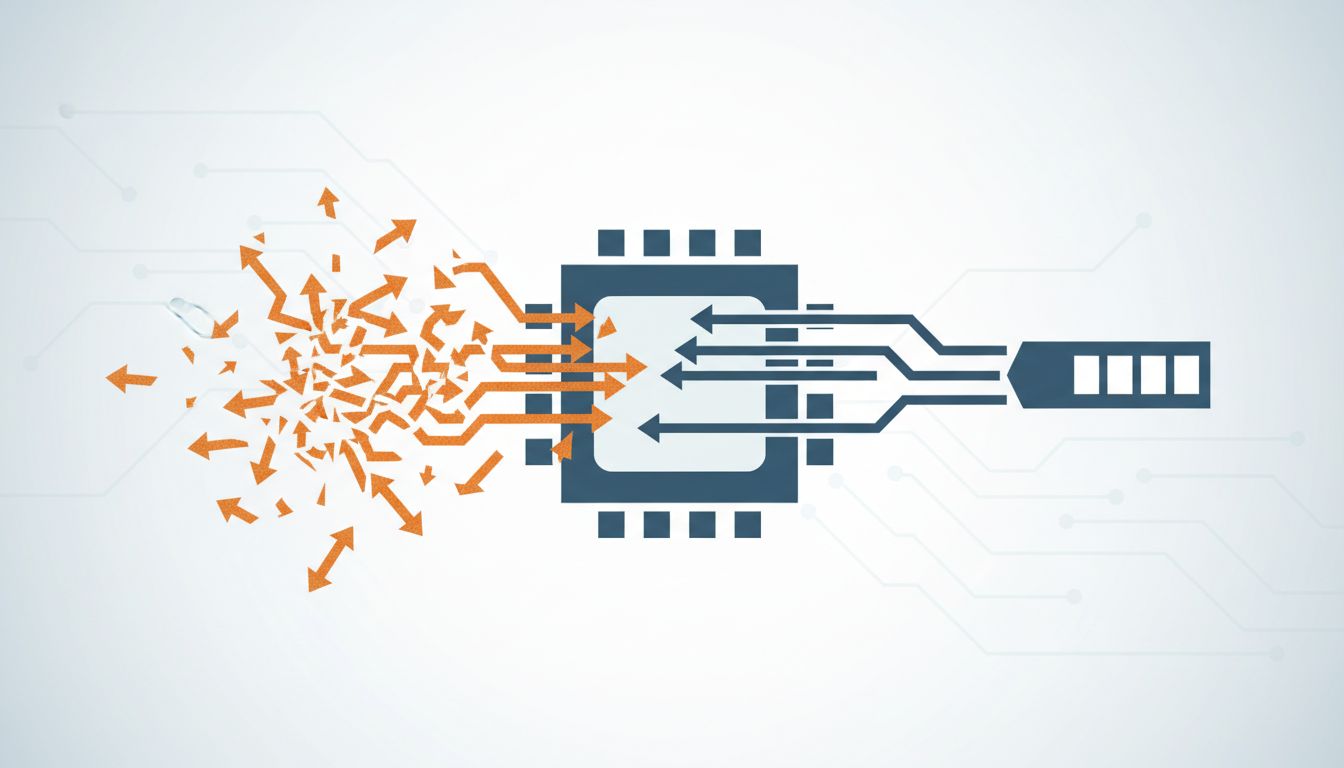
The most productive people you know aren't disciplined despite their chaotic notification setup. Their settings are the discipline.
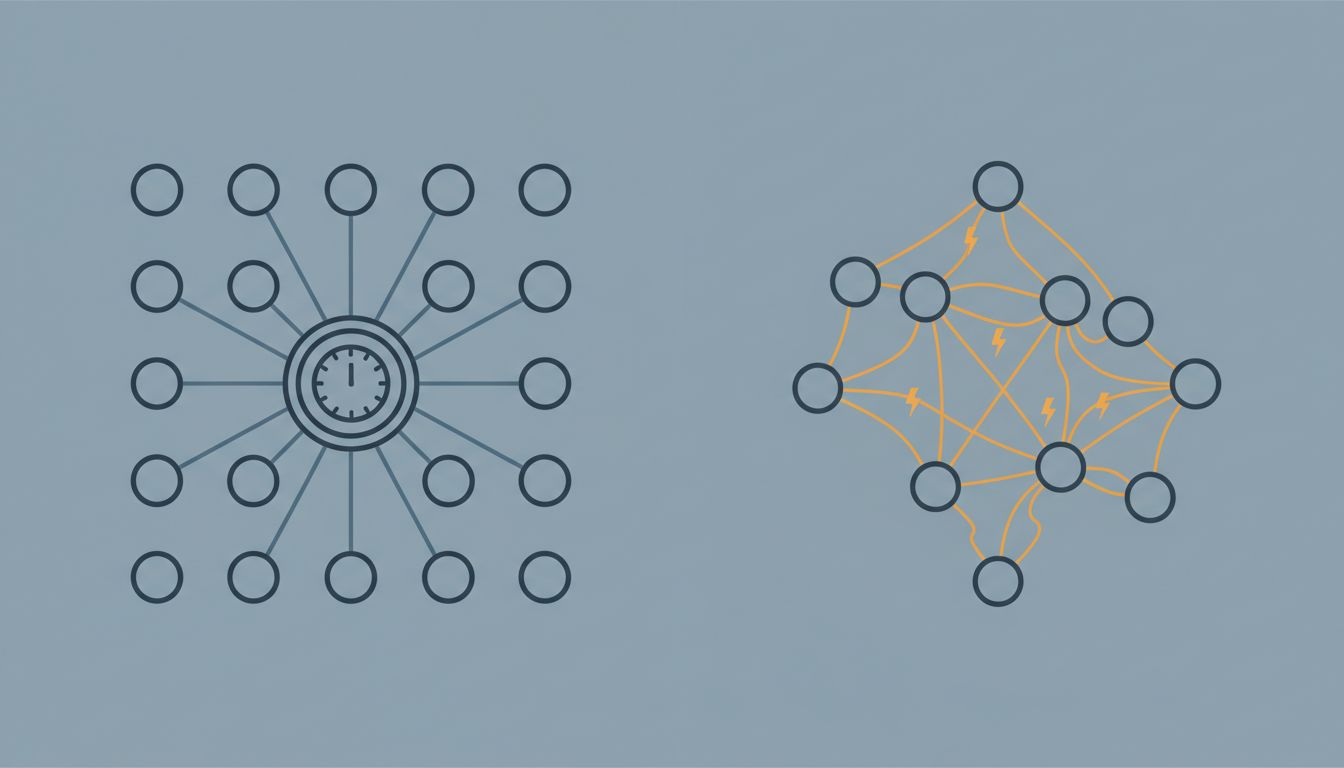
When you cancel a meeting, you force the work to happen differently. That different way is often better. Here's why, and what to do about it.
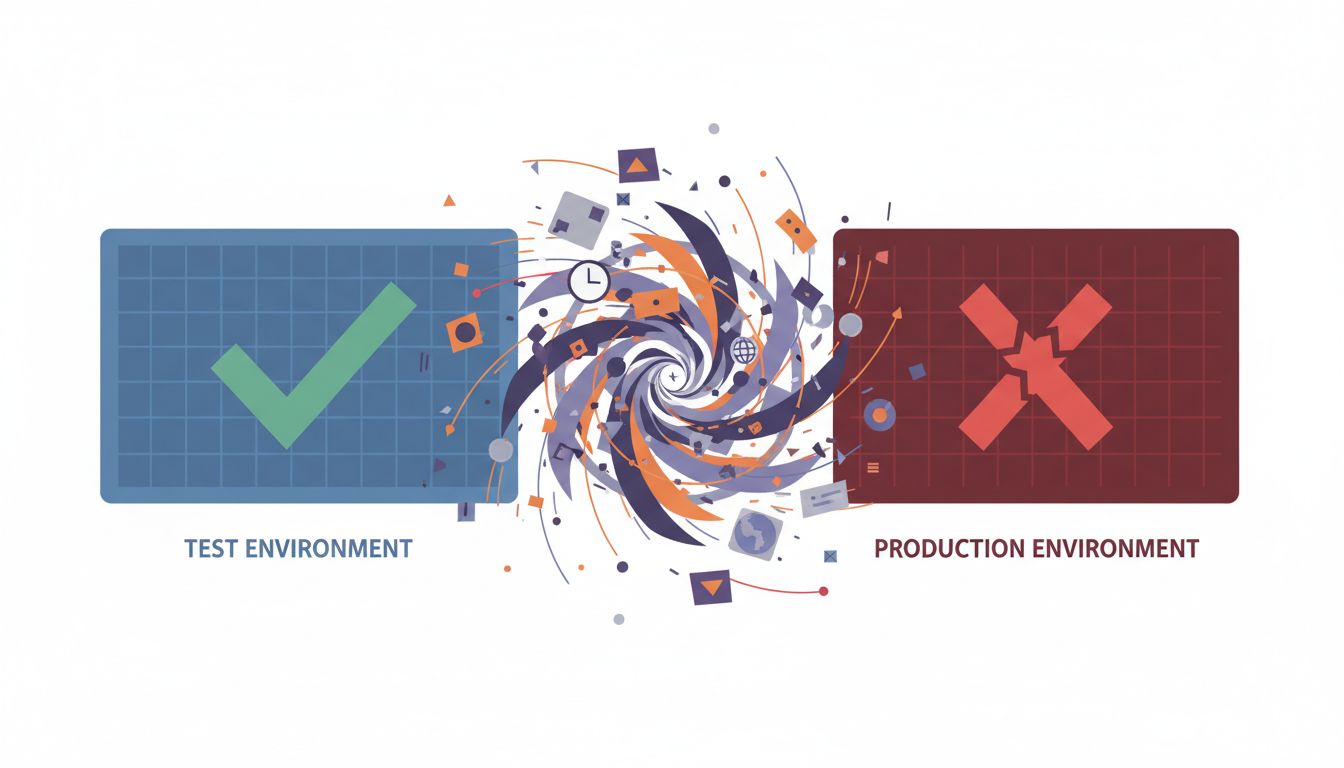
That bug that only appears in production isn't bad luck. It's a diagnostic. Here's what it's trying to tell you.
Most meetings exist to transfer information, not make decisions. That's a document's job, and documents do it better.
A software team's calendar audit revealed they had scheduled their best thinking hours out of existence. Here's what they found and what they changed.
Join thousands of readers who get our weekly breakdown of the most important stories in technology.
Free forever. Unsubscribe anytime.