
Technology
The HTTPS Lock Icon Doesn't Mean You're Safe
The padlock tells you your connection is encrypted. It says nothing about whether the site on the other end is trustworthy. These are very different things.

Maya Chen covers artificial intelligence and emerging technologies with a focus on making complex topics accessible. A former software engineer at a major tech company, she brings hands-on technical depth to her reporting on how AI is reshaping industries.
The padlock tells you your connection is encrypted. It says nothing about whether the site on the other end is trustworthy. These are very different things.
Compiler warnings aren't noise. They're a static analysis tool you're already running, for free, and most teams treat them like spam.

Bigger AI models get the headlines, but smaller ones often do the actual work. Here's why compression makes models faster, cheaper, and sometimes smarter.
A green checkmark on your CI pipeline doesn't mean your software works. It means your tests passed. Those are not the same thing.

The Sam Altman firing wasn't a corporate soap opera. It was a stress test of what happens when a nonprofit board tries to control a $90 billion company.

Discord stores billions of messages, but its fastest reads deliberately ignore most of them. The architecture behind that tradeoff changed how engineers think about data.
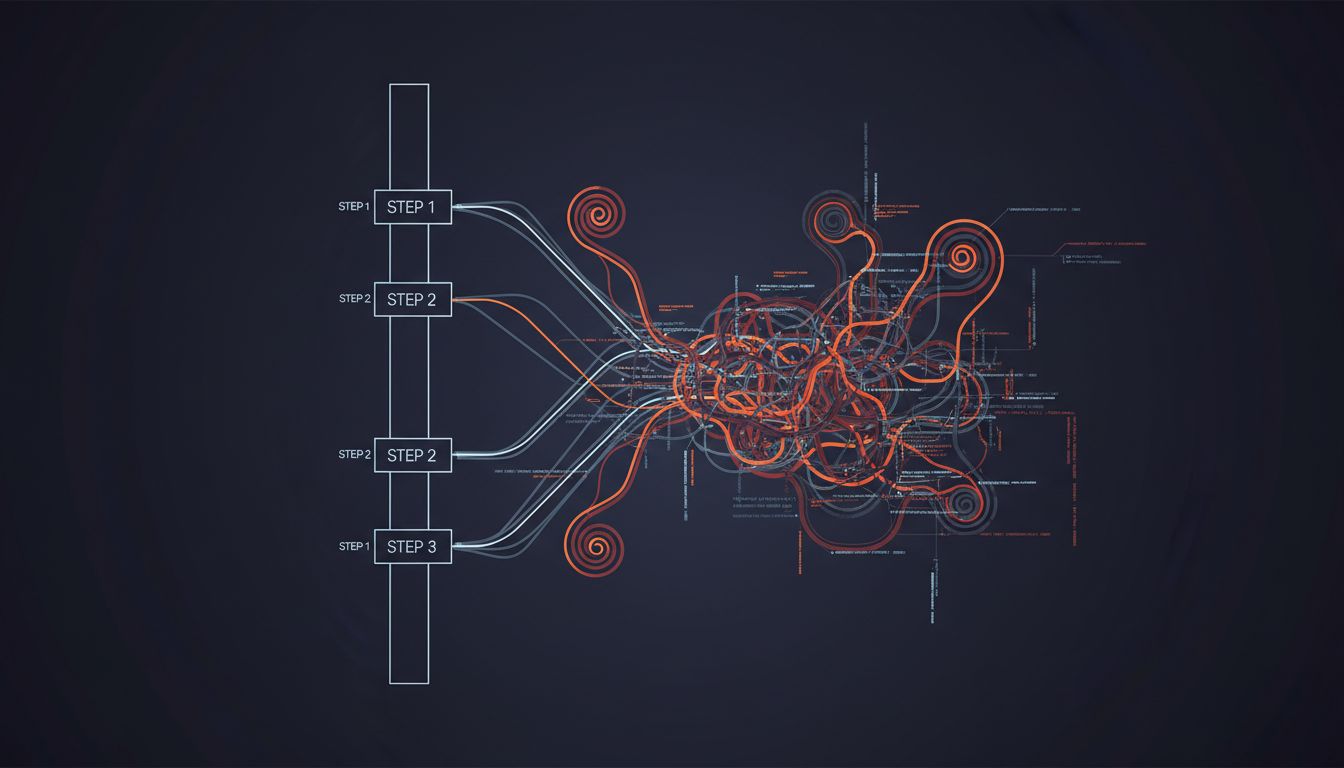
Async code reduces wait time and increases cognitive load at the same time. That tradeoff is structural, not accidental.

The concept of 'done' in software is a convenient fiction. Here's why that's not a problem to solve, but a reality to design around.
The skills behind effective prompt engineering aren't new. We've been doing this work for decades under different names.

Adding features feels like progress. Removing them is where the real engineering work happens, and most teams never do it.

Quantization and pruning shrink models efficiently, but they also change what the model is. The weirdness is worth understanding.

Deletion sounds simple. It is not. Here is why removing data from a system is one of the most underestimated challenges in the field.
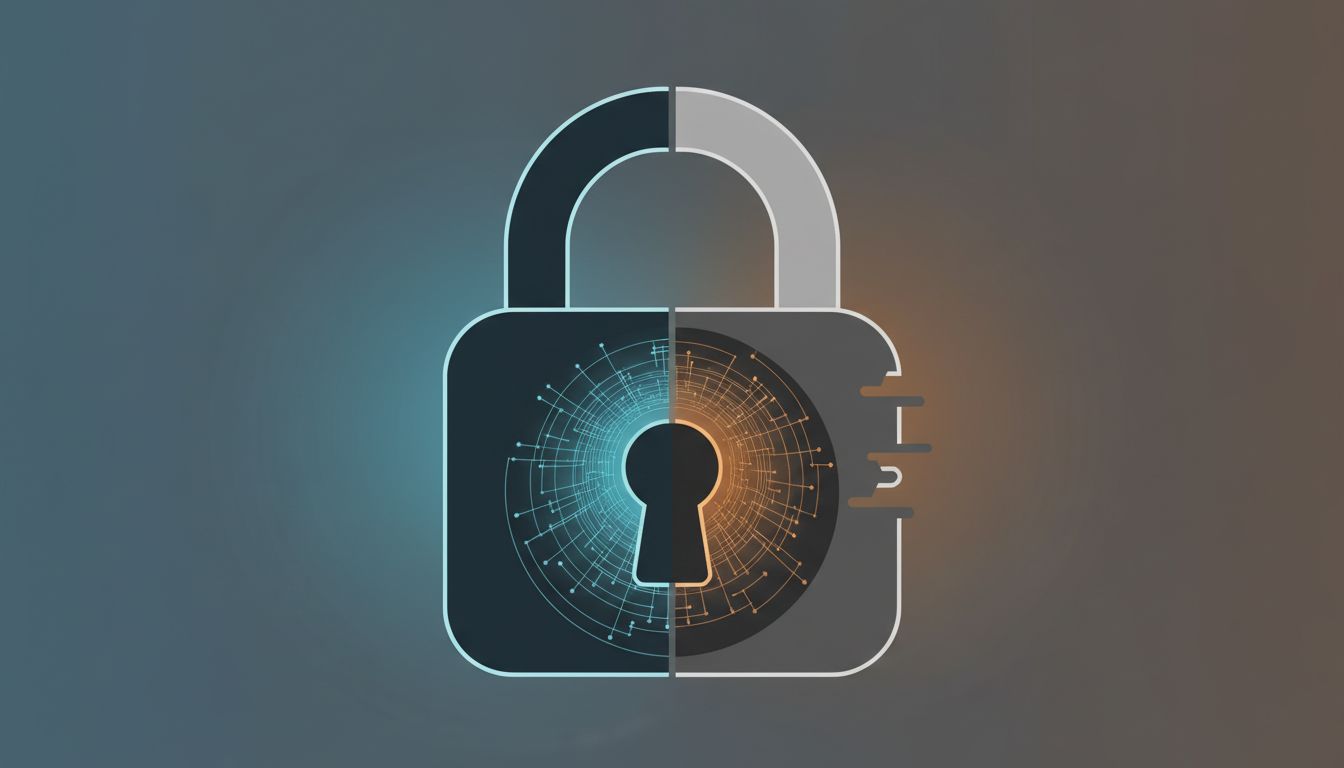
The padlock in your browser means your connection is encrypted. It says nothing about whether the site on the other end is trustworthy, legitimate, or safe.
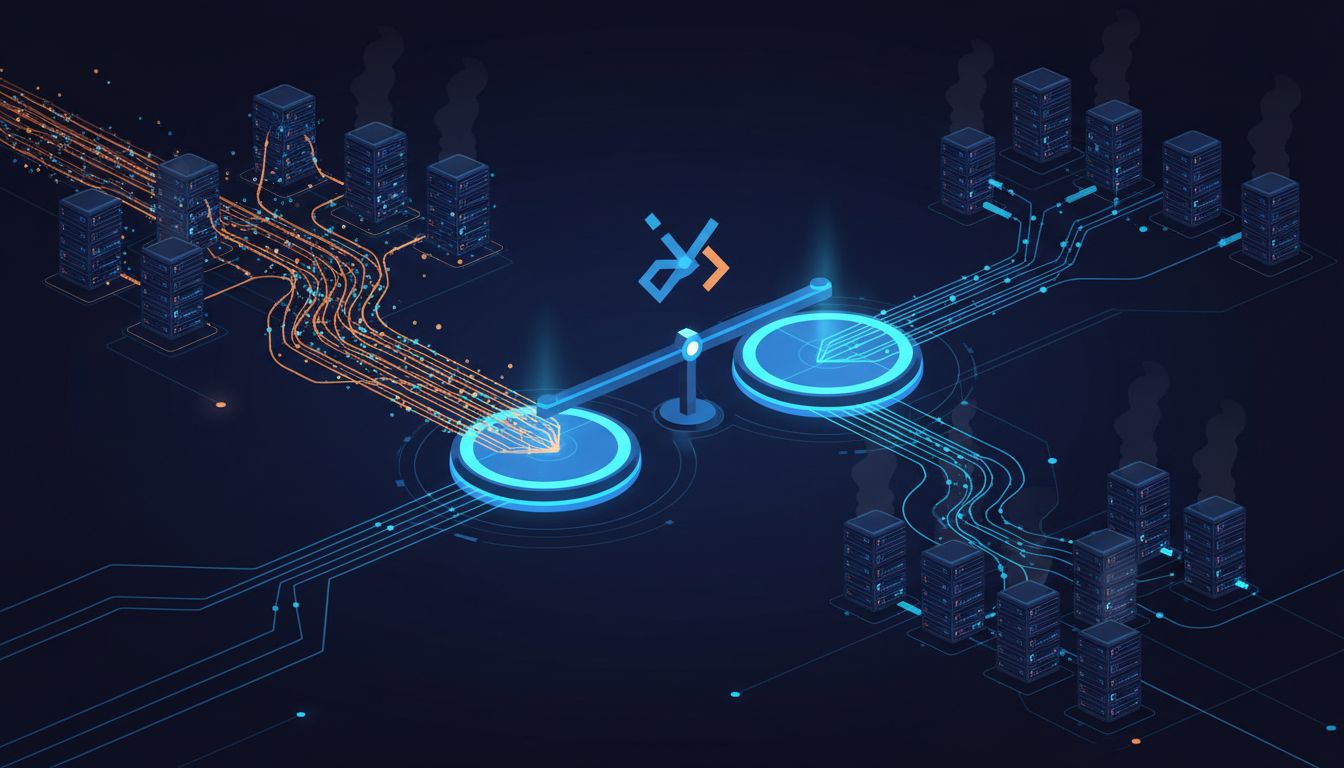
Load balancers ship with defaults tuned for a world that may not match yours. Those defaults are actively shaping your traffic right now.

One design decision, made in an afternoon, has cost the software industry billions of dollars and uncountable hours of debugging. Its inventor knows exactly why.
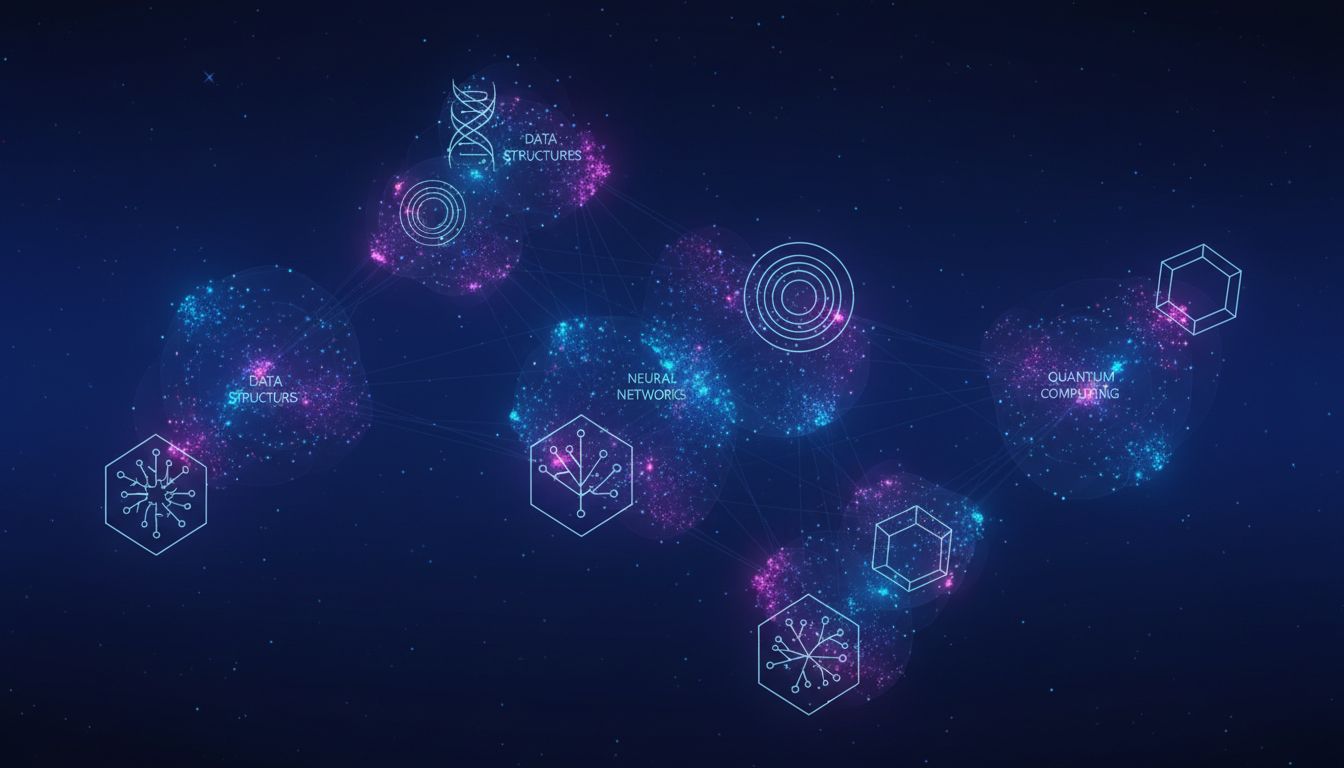
Everyone explains embeddings as 'turning words into numbers.' That's not wrong, but it misses what makes the idea powerful and why it matters.

Routers handle simultaneous packet arrivals constantly. What actually happens involves queues, priorities, and the occasional deliberate drop.

Vector databases don't store documents or images. They store numerical representations of meaning, and that distinction changes everything about how search actually works.
Join thousands of readers who get our weekly breakdown of the most important stories in technology.
Free forever. Unsubscribe anytime.