Congress is being asked to renew a surveillance law while a court ruling about how it works stays under wraps. Elsewhere, the rest of the day’s items arrive as headlines only, so we say what they claim and no more.
1. A deadline passed, and the ruling is still secret
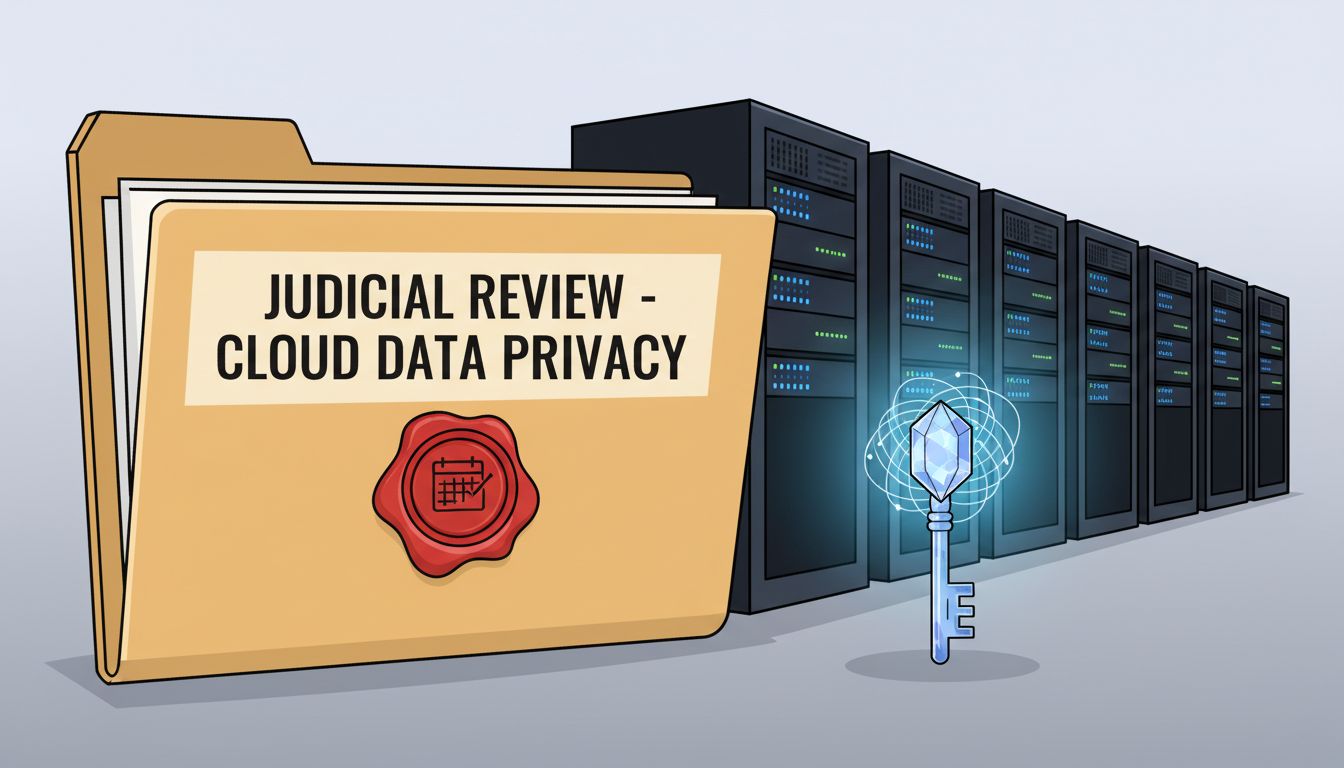
Senators Ron Wyden and Adam Schiff say the administration is illegally holding back a Foreign Intelligence Surveillance Court ruling while it presses Congress to renew Section 702. The administration’s own documentation says such rulings are reviewed for release within 180 days. That window closed September 13. Attorney General Todd Blanche answered “Yes” in July when asked in writing if he’d meet it. Director of National Intelligence Jay Clayton has made no such promise. The senators want an explanation and names by November 6.
What’s known is awkward. WIRED reports the court objected in March to search filters that let analysts pull Americans’ messages without the required approvals and records, then approved another year anyway. The New York Times, per WIRED, reported that the court treated those filters as searches. The Justice Department is reportedly appealing parts of that.
Compare that with the March agency fact sheets, which cited a 98.9 percent compliance rate and never mentioned the court’s findings. The Justice Department inspector general’s October 2025 review put the figure at 98.6 percent. That gap is small. The silence is the story: lawmakers are being asked to vote on a program whose most relevant judicial assessment sits in a secure room. A renewal tucked into December’s defense bill would make that sharper.
2. Tesco is reportedly moving stores and edge sites off VMware
According to The Register’s headline, Tesco is replacing VMware with the open-source Proxmox in its stores and at the edge. The supplied text is only the headline, so we can’t say how far along the migration is, how many sites it covers, or what drove it.
Still, the location matters. Stores and edge sites are many small deployments where an expensive, heavyweight platform is hardest to justify. If that’s the reasoning, it’s an interpretation, not something the source states. A big retailer choosing Proxmox there suggests open source can win at the unglamorous edges before it takes the data center.
3. China threatened AI export bans, then let DeepSeek keep selling
The Register’s headline says China first threatened AI export bans, then allowed DeepSeek to keep selling. The excerpt we have contains nothing beyond that, so the reasons, the scope of the threat and any conditions are unknown.
What the headline does show is that a threat was made and not enforced against this company. That is a reason for caution when planning around announced AI export restrictions: they may be bargaining positions rather than settled rules. Whether this is a real reversal or a quiet compromise is something the full report would need to answer.
4. UK Biobank is coming back after a data-sale attempt
The Register reports that UK Biobank will be back online soon, months after someone tried to sell data on 500,000 people on Alibaba. That is all the supplied text gives us. It doesn’t say what was actually exposed, what security changes were made, or who approved the restart.
The headline alone makes one point: a research database holding sensitive health records ended up listed on a commercial marketplace. For anyone handling health data, the lesson is to expect the sale listing as the failure mode, not just the breach.
5. DNS standards work on quantum threats is picking up speed
The Register’s headline says efforts to protect DNS from quantum decryption attacks are speeding up. We have no article text, so we can’t name the standards, the bodies involved or the timeline.
The headline fits a familiar worry: data collected today could be decrypted later. The practical question for builders is which of their systems need confidentiality for years, not whether quantum computers arrive on schedule.