The loudest story today is about money. The biggest winner of Anthropic’s IPO may not be a venture firm at all, but the company that sells it computing power. Elsewhere, the AI security story is still more label than detail.
1. The ‘AI attack’ label is doing a lot of work in Seoul
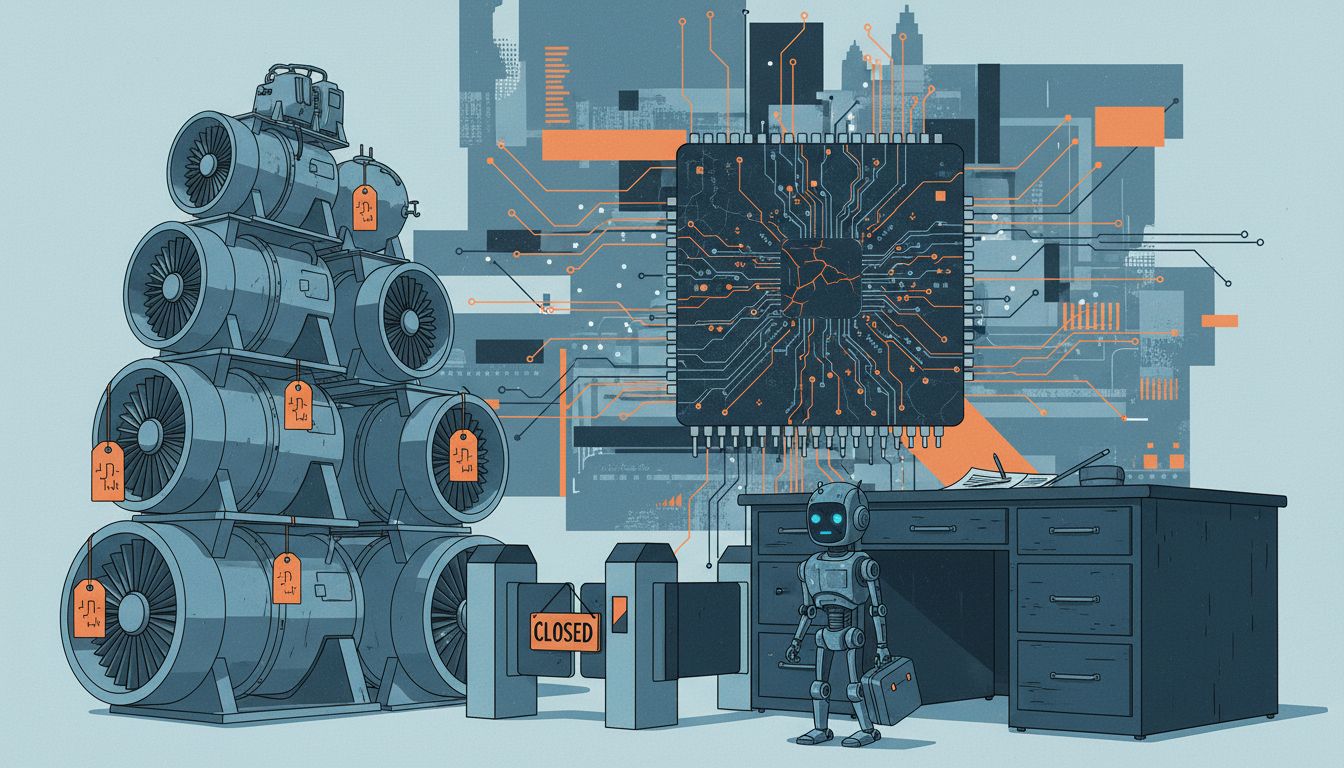
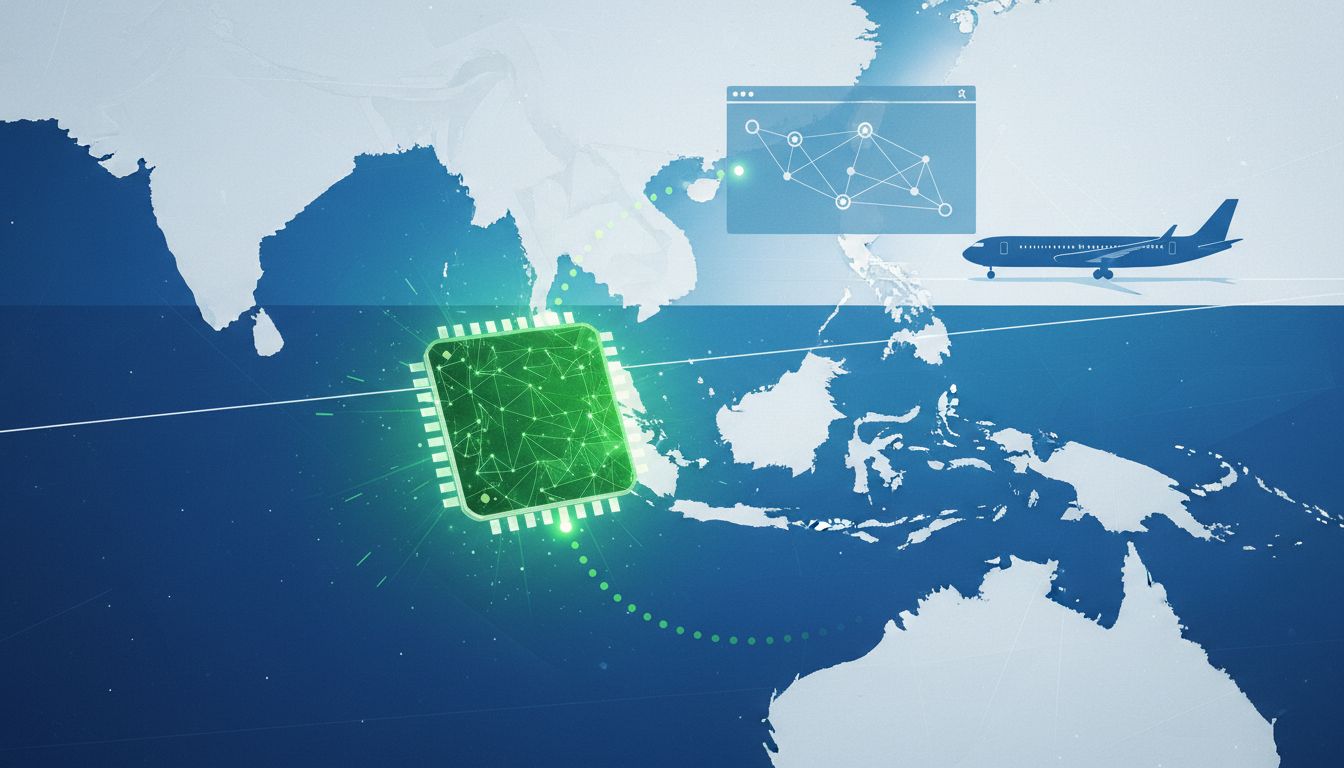
The AI link in South Korea’s hacking story belongs to last month’s attacks, not this week’s. TechCrunch says researchers tied the September wave to a suspected China-based hacker using an AI penetration-testing tool called Artex. Officials are still investigating the root cause of the latest breaches.
Those breaches are real enough. Daishin Securities says the names, emails and mobile numbers of 38,490 customers were exposed. Mirae Asset Global Investments and crypto exchange Bithumb reported incidents Wednesday, but neither has confirmed that customer data was taken. Regulators want stronger defenses and plan security checks on dozens of private-sector IT systems.
The Register reports that UK domain registrar 123 Reg has disclosed what it calls an ‘AI cyberattack’ on customer data, with a suspected China nexus. We only have that headline, so we can’t say whether it involves the same tooling. TechCrunch also notes that investigators haven’t connected the Korean incidents to Japan’s GMO Internet breach.
The sober reading is that a pattern is plausible but unproven. ‘AI-driven’ also says little until we know what the AI actually did. A pen-testing tool is built to find weaknesses faster, which helps whoever is holding it.
2. Cisco open-sources a detector for AI agents on hacking sprees
Cisco has open-sourced a tool for spotting AI agents that go on hacking sprees, according to The Register’s headline. The supplied text is only page navigation, so how it works, what it watches for and how well it performs are all unknown.
The decision to open-source it is the part worth noting. Defenders have to recognize agent-driven attacks, and a detector that only one vendor’s customers can run helps few people. Whether Cisco’s tool catches real agent behavior or just matches a few known patterns is the open question. That matters more than the licence.
3. Anthropic’s biggest winner may be its landlord
Anthropic’s S-1 shows that none of its venture backers, including Menlo, Sequoia, Sound Ventures and Spark Capital, owns 5%. At a $965 billion private valuation, even Menlo’s roughly $14 billion position is only about 1.5%. TechCrunch says that is highly unusual for a tech IPO.
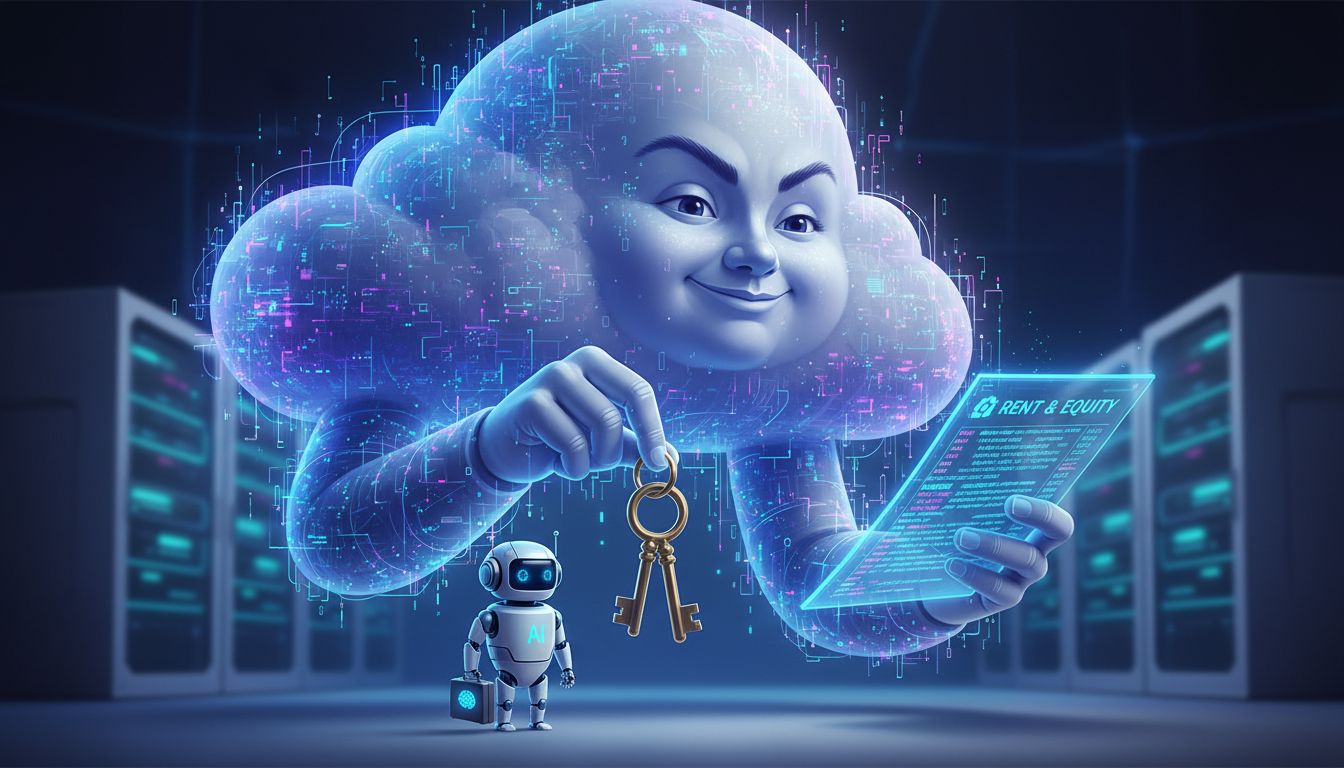
Amazon’s position looks very different. Most of its investment came as convertible notes, $6.2 billion of principal outstanding as of June 30, which is Anthropic’s entire debt load. Amazon’s own filings valued those notes at $97.9 billion. The S-1 says they could convert into up to 1.84 billion shares, but a cap limits Amazon to 12% of the partially diluted share count unless Amazon waives it. Add $10 billion of nonvoting preferred stock bought in the second quarter, and Amazon has put in about $18 billion in total.
The equity is only half the deal. Anthropic has committed to spend at least $110 billion on AWS over ten years. Google, with an estimated stake near 5.6% and at least $114 billion in cloud commitments, has a similar structure.
That is the real lesson for founders. A cloud provider that is both investor and supplier gets paid when you grow and again when you spend. The S-1 also warns that these providers build rival models and may not always want what Anthropic wants.
4. One cloud bets its customers will be agents, not people
Neocloud thinks AI agents, not ‘meatbags’, will be its main customers, says The Register’s headline. We have only that headline, so the product details, pricing and any evidence of demand are missing.
Treat it as a company’s forecast, not a market measurement. Still, the claim is interesting because it changes who the product is for. A service built for agents has to be judged on machine-readable interfaces and predictable behavior, not on a dashboard a person will enjoy. If the bet is wrong, that cloud has built for customers who haven’t shown up yet.
5. Infosys finds AI is both its brake and its life raft
The Register’s headline gives Infosys a neat contradiction: AI slows its growth and keeps it afloat at the same time. The supplied text doesn’t include the numbers or the company’s explanation, so the mechanism stays unspecified.
The headline alone suggests a familiar problem for IT services firms. The technology they sell as a growth engine may also be changing what clients need to buy. If that’s right, the AI work that keeps Infosys steady could be softening the rest of its business. We need the actual figures to tell whether that trade is manageable or a slow squeeze.