The loudest part of the DHS leak story is Bluesky blocking a link, but the more consequential move happened further up the stack. The rest of today’s items are a mixed bag: a GitHub attack with few public details, a $17B grocery merger on a very long timeline, and an AI launch that is less dramatic than it was sold as.
1. The DHS leak fight is being waged through registrars and link blocks
Bluesky is now flagging links to DDoSecrets, the nonprofit hosting a leaked dataset of DHS employee records, as malicious. But it stopped short of deleting posts. A spokesperson told Wired the data violates its community guidelines, and the company chose to block the link instead. That is a middle path: the discussion stays up, the primary source gets harder to reach.
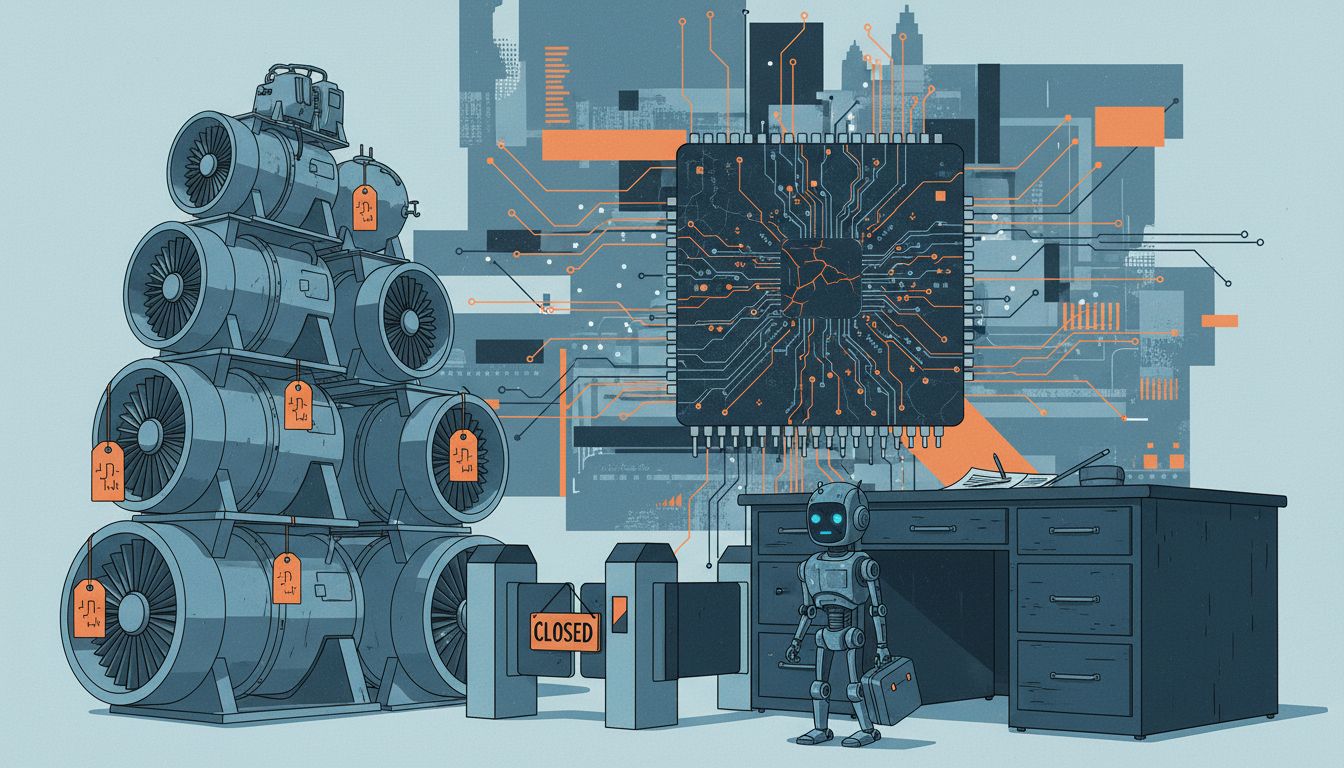
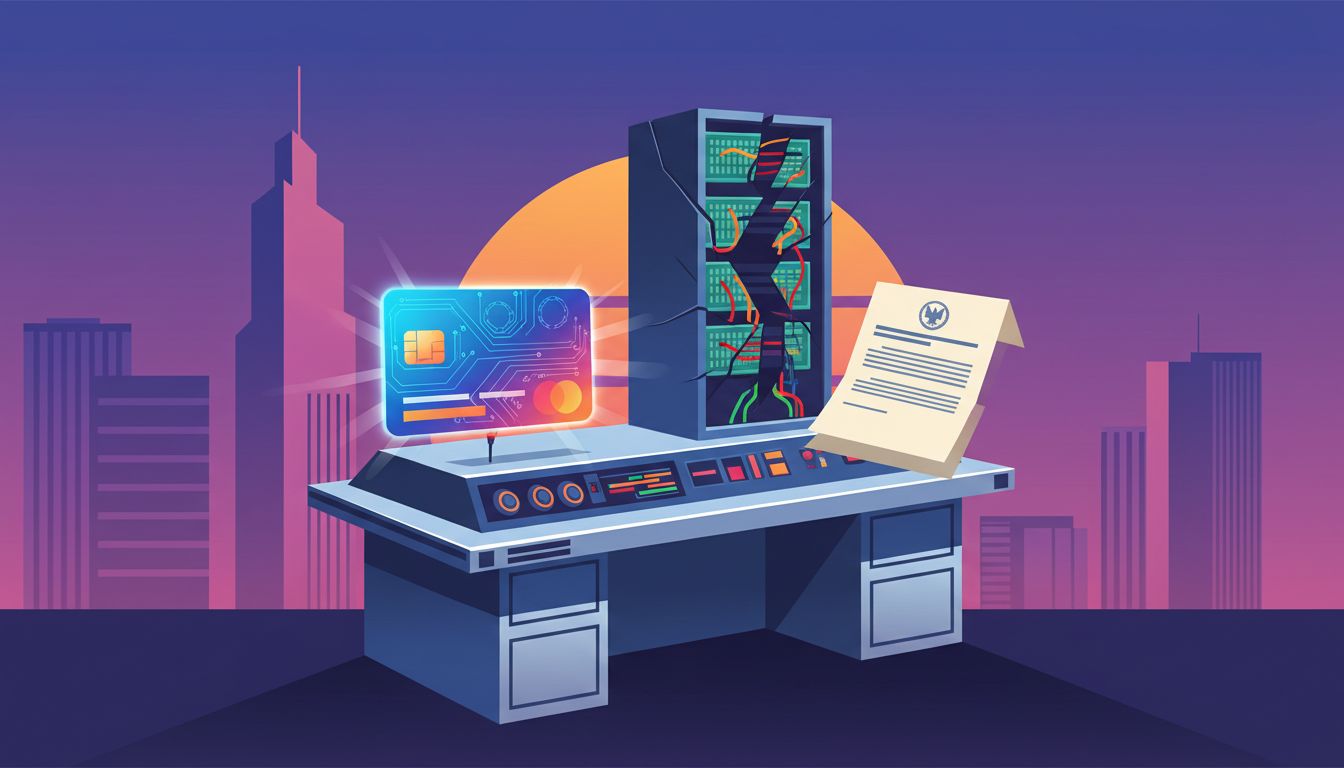
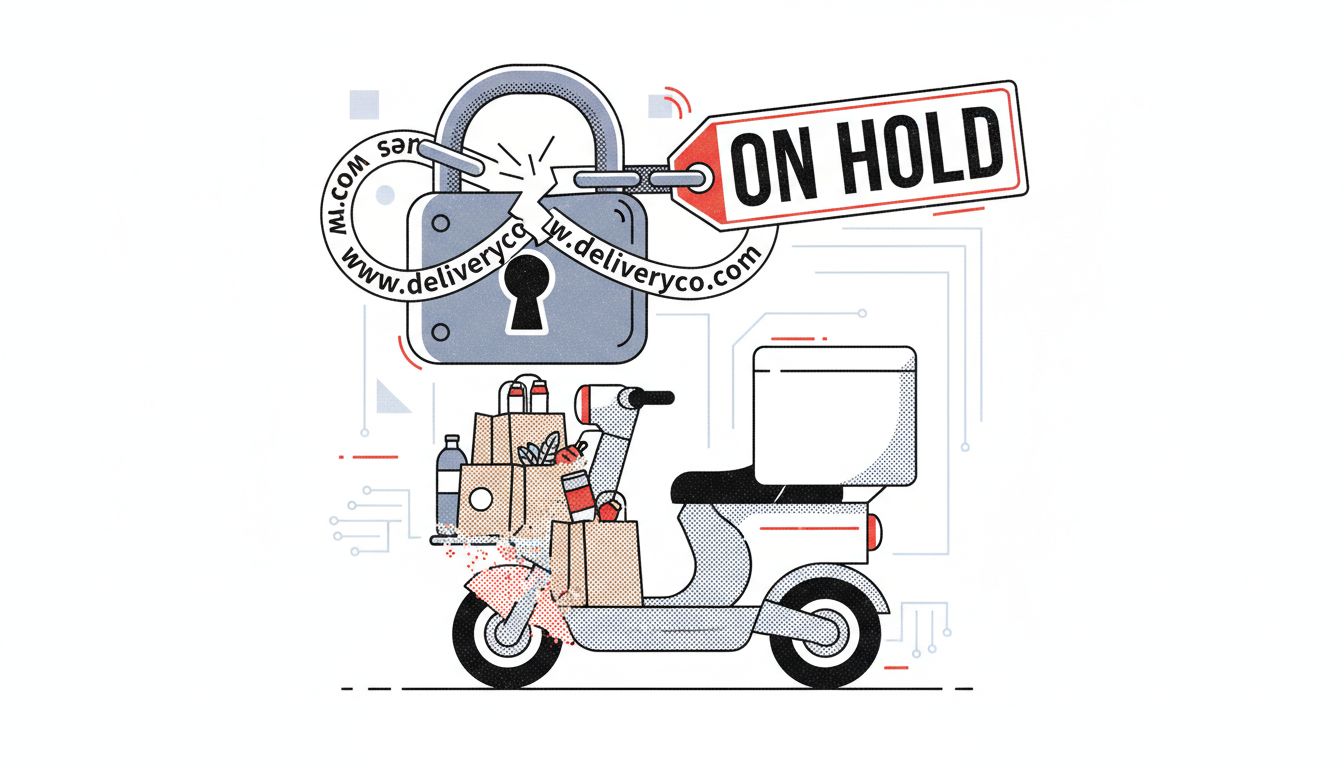
The harder hit came elsewhere. TechCrunch reports that DHS filed a takedown notice through a security vendor, ZeroFox, which can act for the department until 2028. A searchable copy of the data run by journalist maia arson crimew is now on “serverHold” at the registrar. The registrar, CentralNic, didn’t say whether a government demand was behind it.
DDoSecrets co-founder Emma Best argues the data is professional contact information, like a business card, and contains no home addresses. That is the crux of the dispute. Ars Technica’s headline says the leak exposes undercover ICE agents, but we could only see its one-line excerpt, so that claim is Ars’s alone.
Whatever the data’s sensitivity, the pattern is clear: pressure lands on intermediaries, not the hacker. But crimew also released a version people can run locally, and no registrar can serverHold that.
2. GitHub issues became an attack path against 61 repos in under an hour
Sixty-one public repos in less than an hour is the part we can confirm, and only from The Register’s headline. The article text we received was just a page sidebar, so the technical details, the targets, and the payload are all missing here.
The headline does name the vector: GitHub issues. Anyone can open an issue, which makes it untrusted input by design. Any workflow that reads that text and then acts on it is processing attacker-controlled data.
That matters because of what GitHub pitched the same week. At Universe it described Copilot automations that run in your repo, can start on events, and handle tasks like issue triage. Nothing we have links those products to this campaign. Still, the more automation reacts to open-ended human input, the more that input has to be treated as hostile.
3. LibreOffice’s ‘no AI’ stance meets code written with LLM help
The Register’s headline says it plainly: LibreOffice’s “no AI” stance has met LLM-assisted code. The article text we received was only a page sidebar, so we can’t say what the project’s rules are, who is using these tools, or how any disclosure requirement works.
The structural problem is still worth noting, and it is interpretation rather than reporting. An open-source project that accepts outside contributions can state a preference about AI, but a patch doesn’t reveal how it was written. Without disclosure, a ban depends on contributors volunteering information.
That makes honesty, not enforcement, the real policy. The next thing to see is whether LibreOffice treats this as a rule or as a norm.
4. DoorDash’s $17B Instacart deal has an unusually long runway
DoorDash will pay $65 per share, $17 billion in total, for Instacart. Instacart’s market cap was already above $13 billion, and its stock is up 25% this year. TechCrunch says Instacart likely saw a good moment to sell before grocery competition heats up, though that is the publication’s read, not a stated reason.
The timeline stands out: the deal isn’t expected to close until late 2027 or the first half of 2028. That is a long wait for a signed deal. The sources don’t say why, though two delivery leaders combining is the kind of deal that may draw scrutiny.
One correction to the shorthand version: Bloomberg reported Instacart had talked with Uber, but Uber walked away. Until closing, the companies stay separate, and DoorDash plans to keep Instacart’s brand and app.
5. Gemini 4 Carbon is Google’s incremental model, and nobody is pricing it yet
Start with the label: this is a Google model, not an Anthropic one. Nothing in the supplied sources covers pricing, an Anthropic IPO, or a price cut against Claude, so that story isn’t supported.
What is there is less dramatic. Ars Technica’s headline calls Gemini 4 Carbon a frontier model “you can’t use,” and its excerpt describes it as essentially a slightly better Argon. The Register’s headline calls it a “diamond in the rough,” but we only got a page sidebar, not the article.
If your startup budgets around inference costs, this isn’t evidence of a price war yet. It is a launch you can’t reach, and an upgrade that may be modest.