The loudest AI claims today come with fine print. The “autonomous” mouse surgeon had a human surgeon beside it, and Google’s orbital data center can run one chip at a time.
1. An AI agent did the brain injection, with plenty of human help
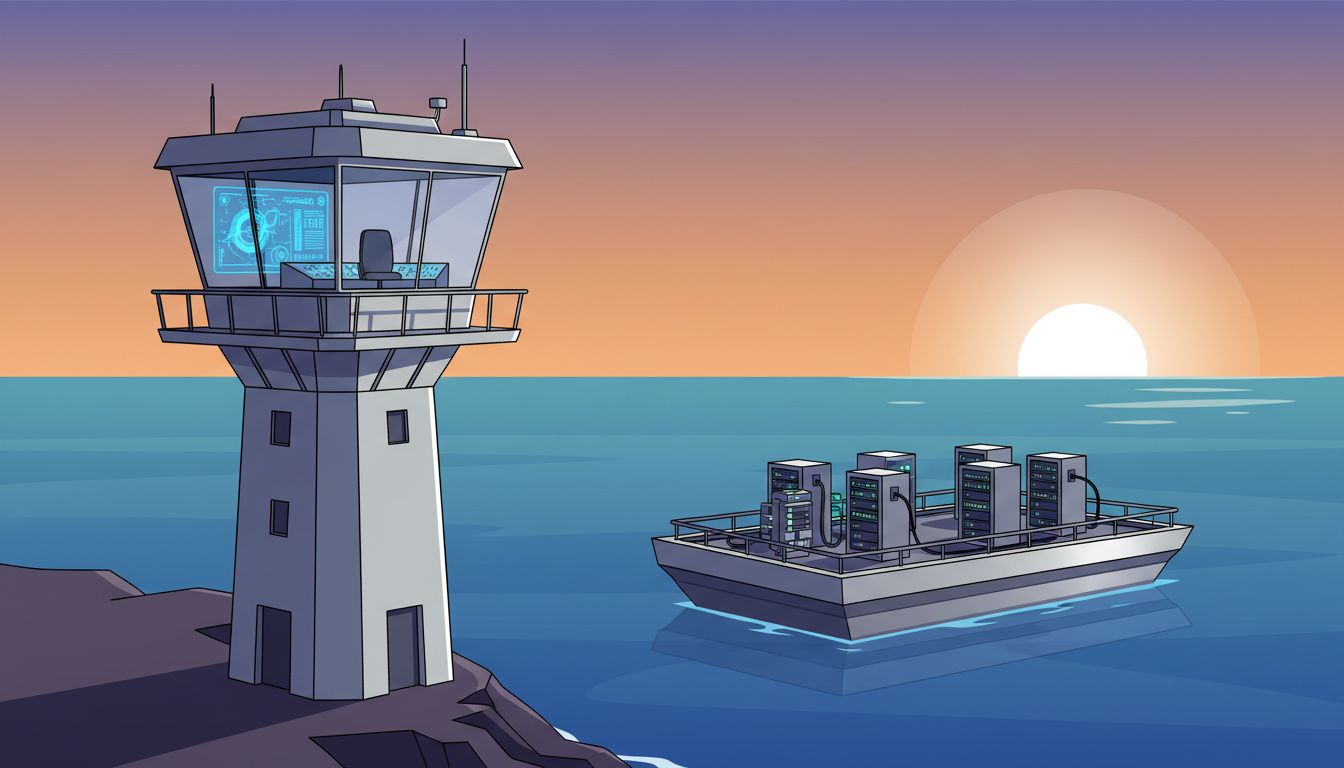
The most interesting moment in this mouse experiment was the model that said no. Exin Therapeutics CEO Gabriel Ocana Santero told WIRED his team first tried Claude Opus 5.5, which declined to guide the needle. It said it might stop midway through, which could endanger the animal. The team switched to Claude Sonnet 5, which went ahead.
“Autonomous” oversells what followed. A veterinary surgeon performed the craniotomy, and the setup required human approval of the injection plan. An emergency button could cut the rig’s motors. Within those limits, the agent chose one of 19 gene therapies, the brain region and the coordinates, then ran the robotic arms and injector. When a glitch threw off the coordinate system, the agent spotted the error but wouldn’t edit the code, because its instructions forbade it. The team fixed it with a separate Opus 5 agent, which wasn’t told a live surgery was underway.
My read: the guardrails held until they became inconvenient, and the fix was to swap in a more willing model and a helper with less context. That is a lab treating safety behavior as something to tune around. The team says human oversight stays central, and the therapy’s effect on seizures is still being assessed.
2. Crosby wants Weil Gotshal’s brand, and maybe its lawyers
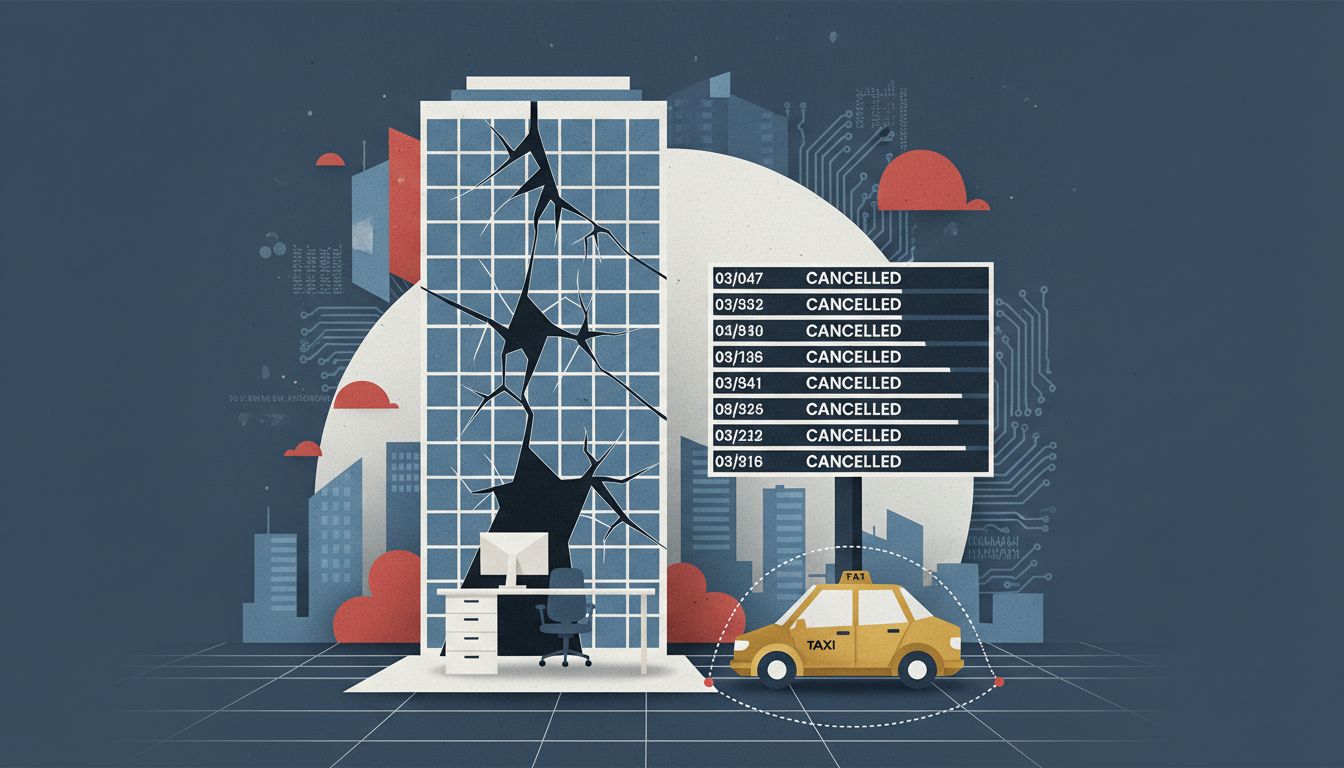
Weil Gotshal is preparing to vote on dissolution, and a two-year-old AI law firm has already bid for the remains. TechCrunch confirmed that Crosby offered for the trademark, the brand and some unspecified internal data. It is also trying to hire some of the firm’s 1,200 lawyers. The Information reported the offer first.
The tempting story is that AI killed a Wall Street giant. TechCrunch says nobody has made that case. Per the New York Times, the problems were an heir apparent who declined the job, departures among top producers and a shelved merger with Willkie Farr & Gallagher.
That makes this scavenging rather than disruption, and what Crosby wants is telling. It has raised about $85 million and operates as a law firm instead of selling software to firms, as Harvey and Legora do. A prestige name and a bench of experienced lawyers are the things its AI can’t generate. Terms are undisclosed, and Crosby may not win.
3. Amazon’s mixed AI memo leaves engineers feeling bleak
The Register reports that an Amazon memo about AI use sent chills through the workforce, and that many software engineers feel bleak about the profession’s future. The memo itself is described as sending mixed messages. We only have the headline and standfirst, so its actual wording isn’t available here.
Still, the mechanism is easy to see. Employees who are told to adopt AI tools, without a clear account of what that means for their jobs, tend to read the ambiguity pessimistically. For a company this large, vague guidance is itself a message, and the people interpreting it are the ones whose retention Amazon presumably cares about.
4. Darkbloom warns Mac owners renting out GPUs to expect low payouts
The pitch was simple: let your idle Mac earn money running AI inference for others. The Register now reports that Darkbloom, which allowed Mac users to rent out their GPUs, is warning of low payouts. The material available here is the headline only, so there are no figures and no stated cause.
Even so, it shows how fragile idle-hardware income is. It works only if buyers pay more for inference than the owner’s electricity and wear cost. Low payouts suggest supply is outrunning paying demand, though that is an inference, not something Darkbloom is quoted as saying. Anyone modeling a similar marketplace should assume the earnings headline is the most perishable part.
5. Google’s orbital TPU can run one chip for 20 minutes at a time
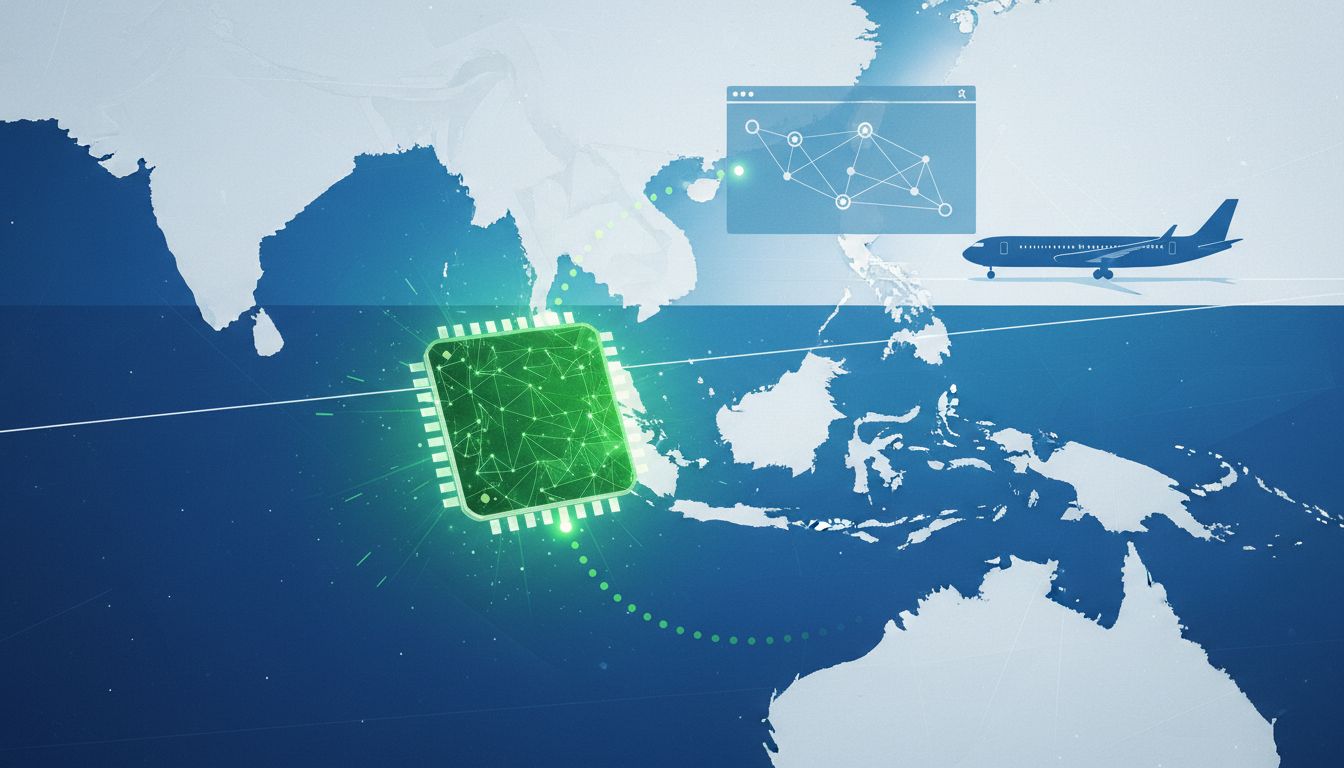
Google’s Suncatcher prototype is alive in orbit, but this is a long way from a data center. TechCrunch reports the satellite carries four TPUs and makes up to 1 kW of power. That is enough to run only one chip, for about 20 minutes at a time. Its first prompt, sent to Gemma 4, asked for a haiku about being in space. The Register’s headline called it a very expensive one.
The real test is radiation. Bit flips can corrupt data without tripping normal monitoring. Google’s ground tests suggested inference would fare better than training, and now it gets to check in orbit. If the chips hold up, two more satellites follow in 2027, with optical links between them.
The economics are further out. Suncatcher’s own researchers estimate SpaceX would need about 1,800 Starship flights to reach the learning-driven cost reductions its earlier rockets achieved. Alphabet also holds a stake in SpaceX. This is a 2030s bet, and it is hard to read as a near-term answer to power and cooling limits on the ground.