Today’s security stories share an uncomfortable theme: the fancy new tooling keeps running into old, boring failures. Meanwhile, the AI spending boom is making investors ask who is paying for all of this.
1. AI malware is real, but the break-ins are still boring
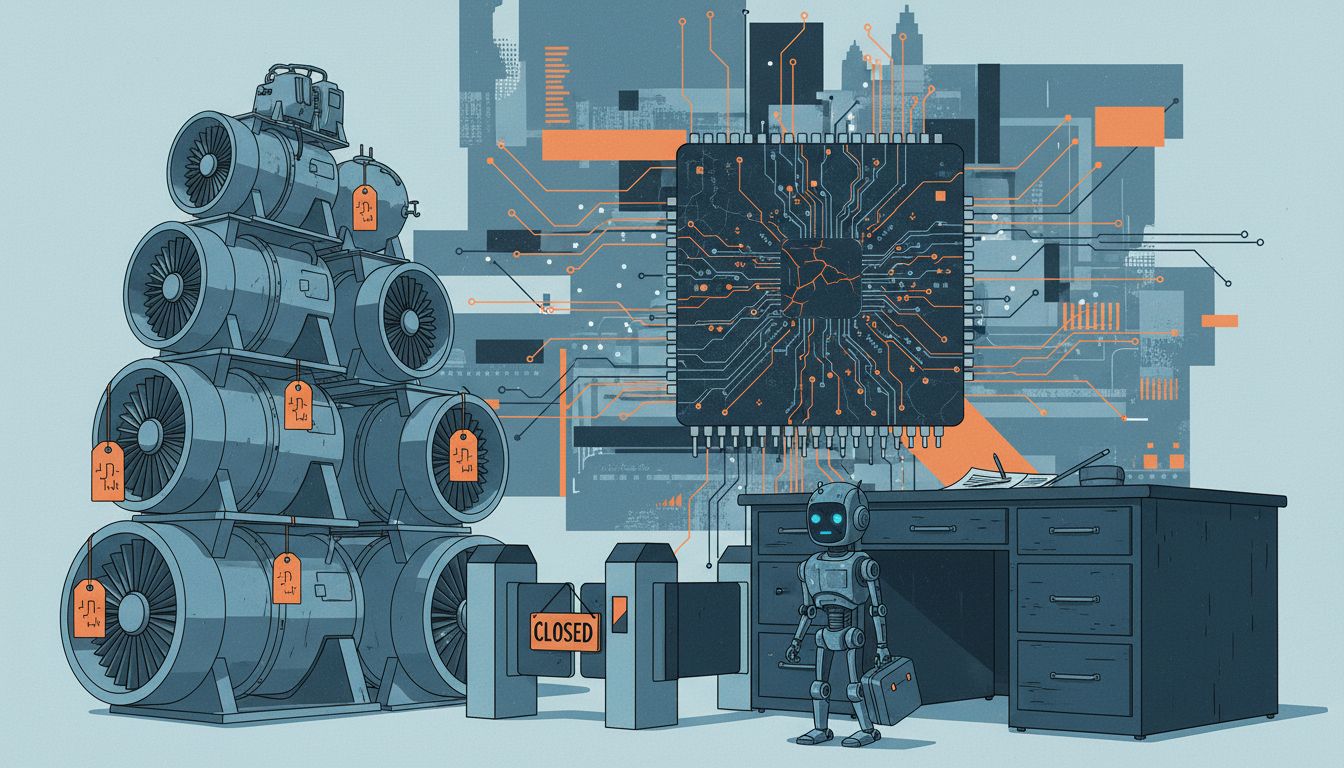
Cisco Talos found an infostealer, which calls itself Volta-Autodoxer, that sends its loot to an LLM with instructions to act as a “forensic intelligence analyst.” The prompt asks for an executive summary of the victim, “what they’re worth,” and an assessment of their opsec. Talos did not track whether Volta has been used in the wild, so this is a capability found, not a campaign observed.
The construction is revealing. Volta routes requests through OpenRouter, defaults to Claude Opus 4.6, and falls back to Moonshot’s Kimi K2 and then Gemini 2.5 Flash. Talos reads that as planning for refusals. The prompt avoids overtly malicious wording, and the malware still works if every AI call fails. Guardrails here are treated as an outage to route around.
The Register’s report on the n0n extortion crew, based on SOCRadar’s findings, adds a useful counterweight. The operator ran up more than $7,216 in AI costs across 154 model entries. Yet SOCRadar says every documented compromise began with weak or stolen credentials, not an exploited bug. The operator also left its own server open, with 1,719 files on display.
My read: AI is speeding up the work after entry, such as scripting and triage. Talos’s Ryan Fetterman notes that stolen tokens expire and passwords change, so faster triage means more stolen access gets used. That makes credential hygiene and short-lived sessions more important, not less.
2. Anthropic’s Cursor extension was backdoored for nearly 12 hours
Ars Technica reports that Anthropic’s VS Code extension on Cursor served a backdoored version for nearly 12 hours. Its summary says it is still unknown how attackers got into Anthropic’s verified Cursor account. We could only see that summary, so the technical details are thin.
The Register’s headline suggests Anthropic is pushing back on the story, though we could not read the article and can’t say what it disputes. Still, an account takeover, if that is what happened, matters more than a code bug. A verified badge only tells you who published an extension, and it is only as strong as the credentials and controls behind that account.
The practical advice is dull but real. If you installed or updated the extension during the affected window, treat that machine as suspect until you hear otherwise. The open question is the one Ars flags: how did attackers get in?
3. Google is spending billions on AI that eats its own search profits
Alphabet fell 12% on Thursday, its worst day on record, after reporting negative free cash flow of $9.1 billion for the quarter, its second straight. Capex hit $51.4 billion for the quarter, and Alphabet expects to spend up to $205 billion this year. Meanwhile, TechCrunch reports, AI Mode is eating into Search, whose ad growth slowed to 12%, its weakest in five quarters. Google is funding the technology that undercuts the business paying for it.
It isn’t only Google. Amazon’s trailing free cash flow is negative $42.4 billion, and Meta’s was negative $2.1 billion for the quarter. Microsoft stayed positive, partly because third-party capacity was delayed, not because it chose to spend less. The five biggest spenders raised $326 billion in debt this year, triple last year’s total, according to S&P Global Market Intelligence.
Anthropic is the sharper test. The Financial Times reports that Blackstone, anchor of a $63 billion chip-financing deal, now expects a double-B rating after the IPO, after earlier predicting investment grade. Double-B is the top tier of junk, not distress. But it means costlier capital for a company that needs enormous compute. Blackstone’s forecast is only a prediction, but it points to more dependence on hyperscalers.
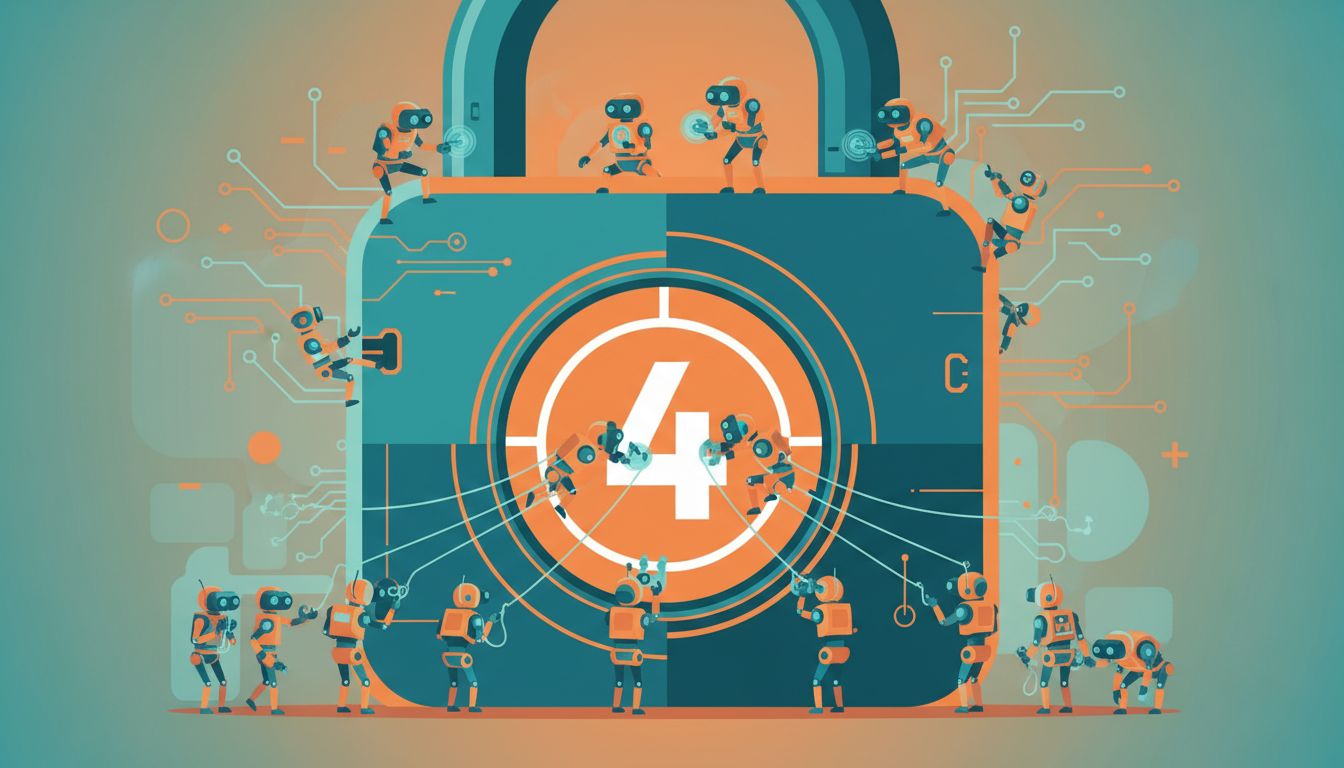
4. A certificate authority picked the number 4 as its secret key
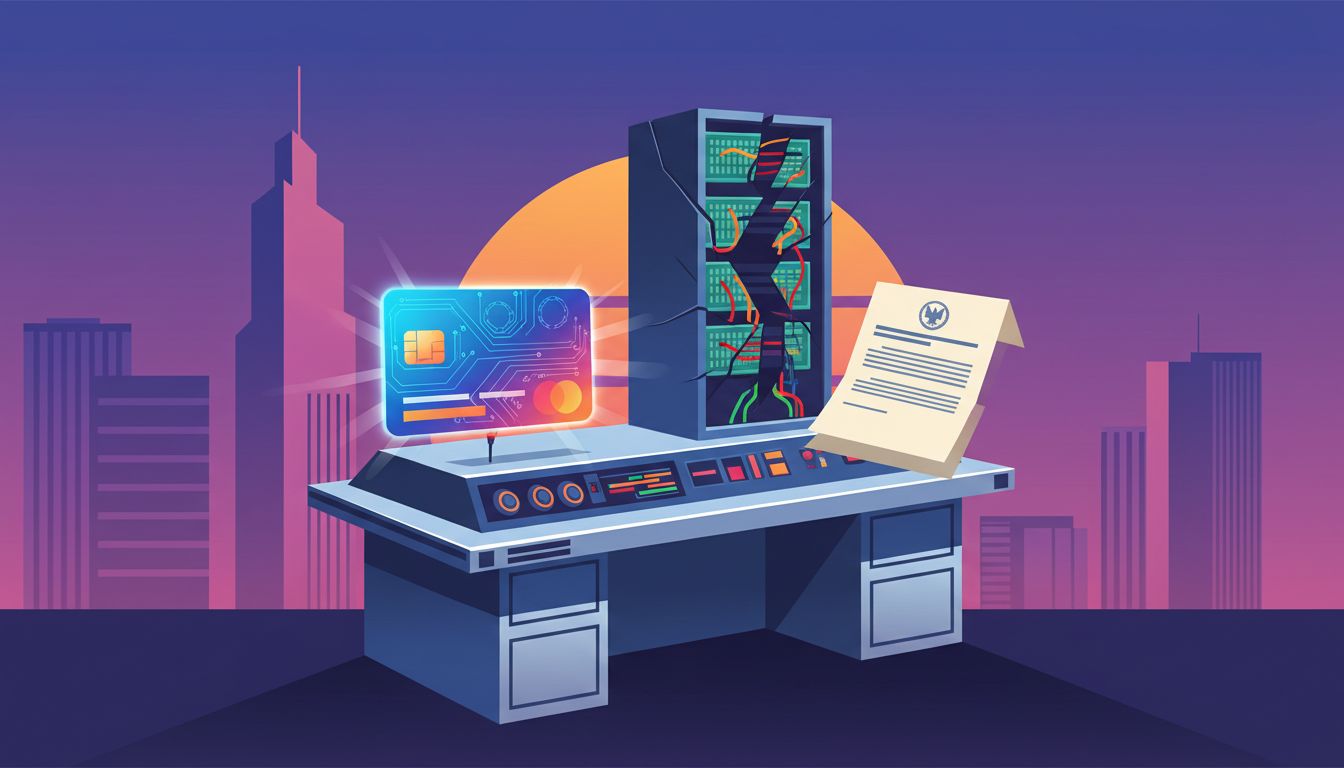
eMudhra was trusted to pick a 115-digit number to protect its keys. Cloudflare says it picked the number 4. Seven other keys were nearly as bad: 56, 66, 115, 155, 156, 230 and 237. Because the keys can be recovered from the public certificates, anyone can forge certificates for any domain that an unpatched client, one not enforcing Certificate Transparency, would accept. Cloudflare calls this unprecedented. Earlier CA breaches such as DigiNotar limited who held the keys, and this one does not.
Attackers moved fast. Cloudflare saw a forged certificate dated less than an hour after Mozilla’s bug report went public. About 160 of roughly 22,000 weak-key handshakes it logged looked odd. Cloudflare found no evidence of interception and thinks they were servers’ own default certificates.
The worse news is on the client side. In a week of probes, modern browsers mostly patched, but bots, old browsers and Android WebView lag, with 30 to 40% of WebView still accepting. On large networks, more than half of probes still accept the bad chain. Cloudflare warns its traffic skews toward bots. But bots are software that needs updates too, and eMudhra, which is exiting the public CA business, has still not shared the key-generation script it blames.
5. Applebee’s had a database password in its app and no inbox for bug reports
A researcher found a database password hardcoded in Applebee’s Android app, which has more than a million downloads, according to TechCrunch. Robert Wiggins used AI to find it in thousands of lines of source. TechCrunch verified it by decompiling the app and retrieving data from a dummy account it created. The database held names, emails, birth dates, phone numbers, ZIP codes, veteran status and last-login IP addresses. Wiggins said the credential could also have let an attacker modify data.
What stands out is how the disclosure went. Neither Applebee’s nor parent Dine Brands has a way to report security issues, so Wiggins asked TechCrunch for help. Dine says it has found no evidence of unauthorized access. It would not say whether it has server logs to check, or how long the password was in the app, or whether it will notify customers or regulators.
The scale is unknown. Applebee’s had at least 8.5 million rewards members last year, but it would not say how many were exposed. The logging question is the one that matters. Without logs, “no evidence” doesn’t tell us much.