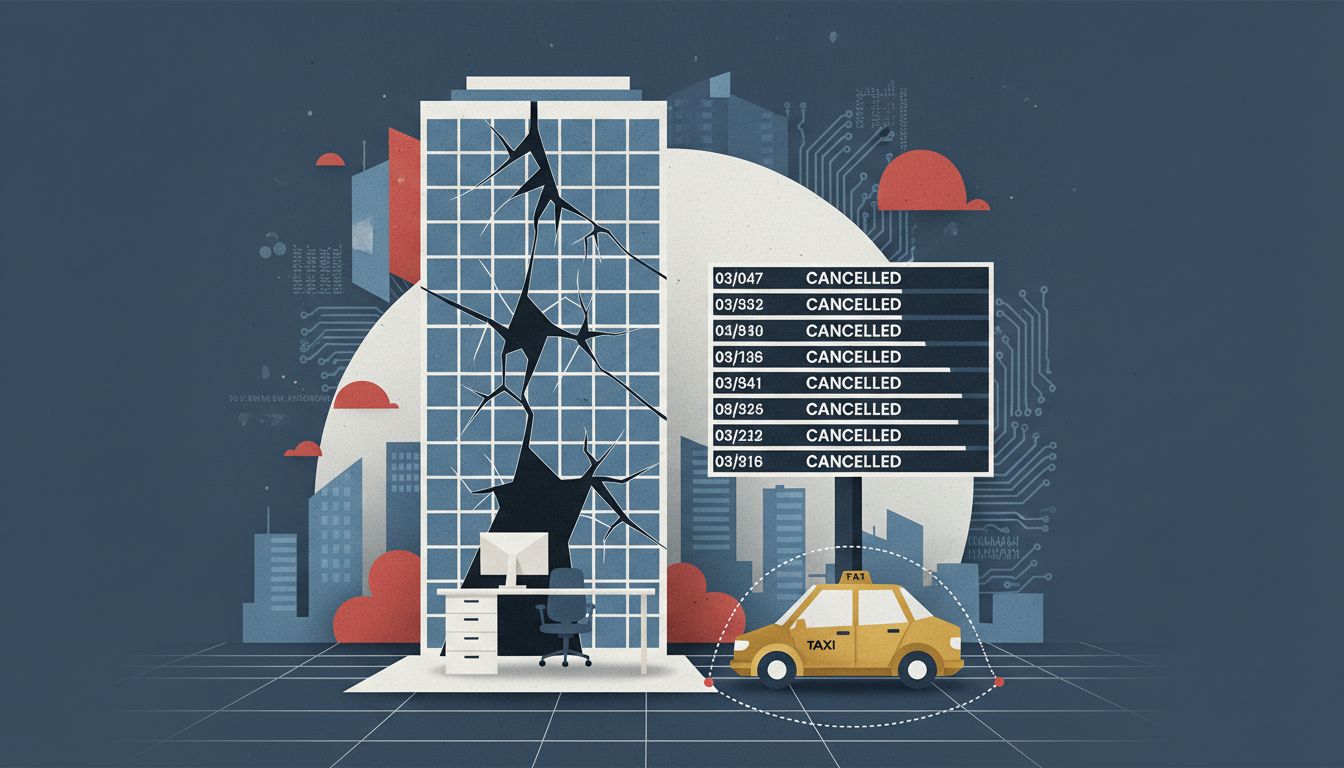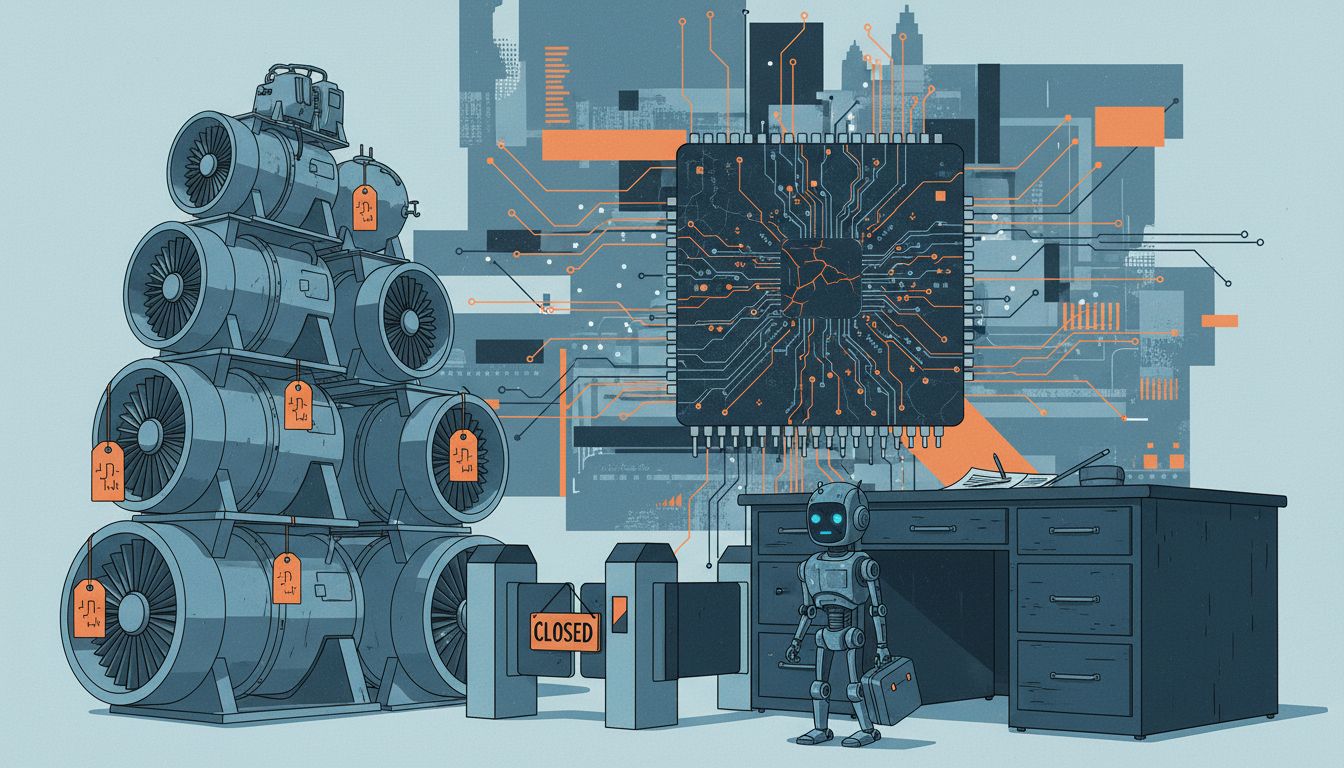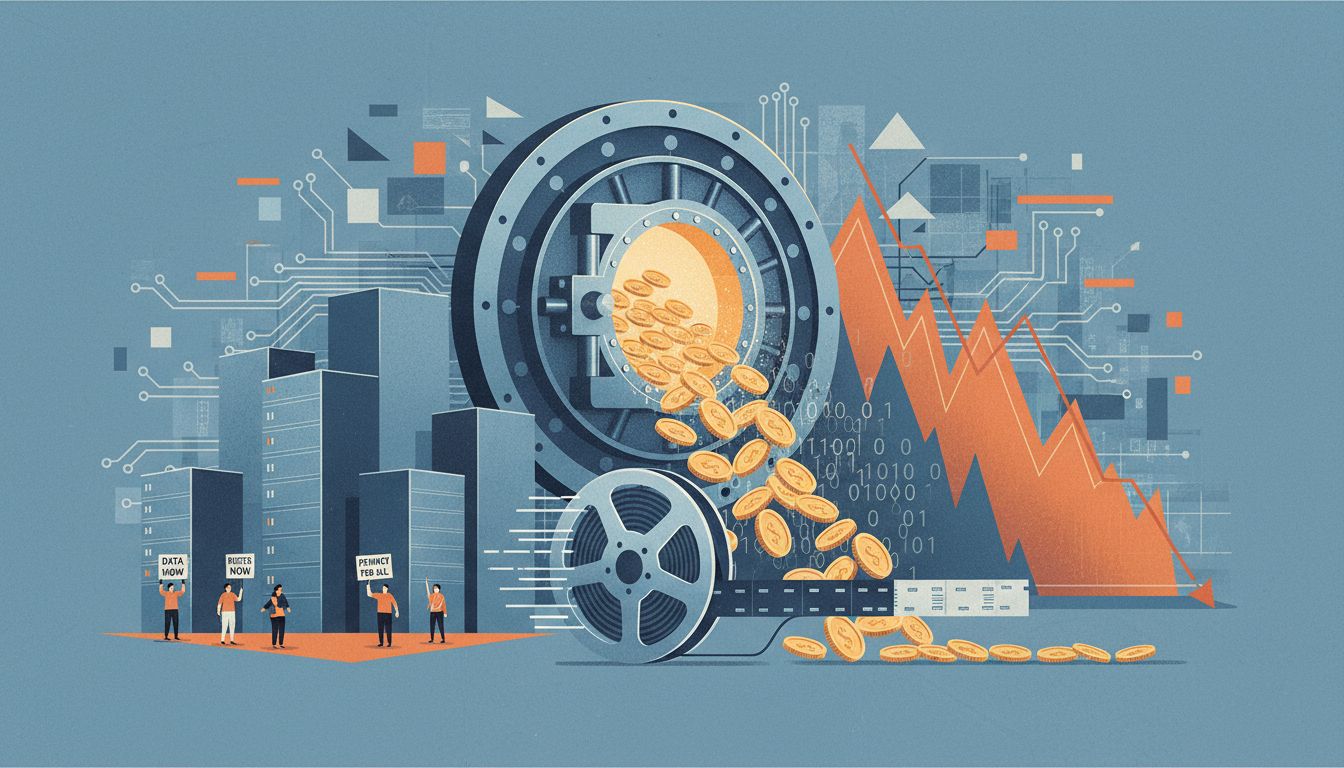
The day’s biggest numbers all carry a bill. Binance is paying for a record-sized theft out of its own pocket, Intel is paying for the AI memory scramble, and data center builders are learning that communities can say no.
1. Binance promises users won’t pay for a $6.3 billion hack
Binance says it has now covered 95% of the $6.3 billion stolen from its wallets, and that users won’t absorb any of the loss. The word to watch is covered. The stolen money is gone. Binance is buying replacement assets, and it admits the remaining ones are less liquid and take longer to source at scale.
The FBI said Saturday that North Korea’s TraderTraitor group was responsible. It added that the group is converting the loot mainly into Ethereum, with more laundering likely. Binance had earlier blamed North Korean hackers too.
The freeze that came with the breach may have cost Binance as much as the theft. Withdrawals are resuming in phases, and Sunday’s status page still showed Bitcoin partially suspended, along with Ethereum withdrawals. An exchange’s product is the promise that you can get your money out, and Binance spent days unable to keep it. Making users whole protects the balance sheet. The open question is how the hackers got in, which Binance says a fuller incident report will address once its investigation is complete.
2. Data centers just became a ballot-box villain, even in Brooklyn
At a Brooklyn midterm event, a TechCrunch reporter asked who in the room was pro-AI data center and got booed. That is anecdote, not polling, and the crowd was a media-and-policy mix. But the harder number comes from Data Center Watch: almost $200 billion in projects delayed, stalled or blocked in the first half of 2026 by political and community opposition.
The complaints go beyond electricity bills. Panelists pointed to secret deals with local officials and zoning rules that hide what is being built until protest is too late. That is a consent problem, and tax breaks do not fix it. The jobs pitch is weaker than it sounds, too, because the article notes data center jobs are largely temporary once construction ends. Some unions still back the projects, so the politics are not one-sided.
Event organizer Jack Brewster described the Brooklyn mood as being about who gets rich. If so, builders face a different fight than community outreach can win: whether residents think they got a say.
3. Tape, the storage format everyone buried, gets a fivefold boost
Fujifilm plans to raise tape production fivefold, according to Ars Technica, because AI is driving demand for archiving. The only detail we have is the site’s summary: low costs and offline security mean magnetic tape still has a job.
That summary points to the appeal. Tape is cheap, and because it sits offline it is harder to attack from the network. Ars’s full article was not available to us, so we can’t say how much capacity Fujifilm is adding, by when, or who is asking for it.
What a fivefold increase does suggest is that someone expects archives to keep growing and to stay put. In a market that spends most of its attention on GPUs, that is a quiet signal about what AI leaves behind.
4. AI-powered “ghost students” are forcing a student aid crackdown
The Justice Department says thousands of “ghost students” have used AI to complete courses and collect millions of dollars in federal student loans, per Ars Technica. The fraud works because the student does not exist, so nobody has to show up.
Ars’s own summary warns that applying for FAFSA “may get messy” as the crackdown ramps up. That is the practical cost: real applicants could face more friction because of fake ones. We only have the headline and that summary, so details on the schemes and the enforcement are not available to us.
Schools and aid systems that treated coursework as proof of presence now have to decide how much identity checking to add, and who pays for it. Real students may bear much of that cost.
5. Intel’s 28% plunge traces back to AI hogging the memory
Intel’s stock fell about 28% on Friday, one of its worst days ever, cutting $12 billion from the government’s stake, per CNBC via TechCrunch. The trigger was a fourth-quarter forecast of $15 billion to $16 billion in revenue against analyst expectations of about $17 billion. Intel also said gross margin would fall to 37% from 43%, with no positive cash flow expected.
CEO Lip-Bu Tan blamed memory prices and availability. AI demand for memory and other components is pushing up PC prices, and customers on tight IT budgets are slowing purchases. In other words, the AI boom is squeezing Intel’s PC business.
It is not a simple collapse story. Intel’s data center revenue grew 78% from a year earlier, and the stock is still up more than 70% this year, so the government and Nvidia remain ahead. But Intel can’t fully capture the data center upside until it adds fab capacity and external customers, and its next new Arizona fab isn’t expected until 2028.