Today’s briefing has plenty of confident claims and not much slack. SpaceX is rationing an AI product it also calls a growth miracle, and a buyer for Boost Mobile may need permission from the carriers it wants to beat.
1. Grok Bot is a growth hit that Musk says costs too much
SpaceX’s AI business is reportedly profitable, and Grok Bot is still too expensive to serve. Over Halloween weekend, some users found their weekly limits jumping, in some cases from about 50% to 100%, without heavy use. Elon Musk confirmed it was deliberate. “The cost of serving Grok Bot was unsustainably high relative to revenue,” he wrote on X.
The context makes it stranger. TechCrunch reports that SpaceX’s filing last month put AI at 52% of company income, and its renamed Super Intelligence division made $431 million despite $1.2 billion in one-time Cursor acquisition costs. Musk has also called Grok Bot the fastest-growing product he has ever seen.
Those facts fit together if the profit comes from other parts of the division and the agent is the expensive part. The sources don’t break that out, so that is an inference. What’s clear is that growth can make an agentic product’s economics worse. Heavy users cost more, and flat subscriptions cap revenue. Musk hasn’t said what the new limits will be, which leaves paying subscribers guessing.
2. Stolen LLM access is now a six-figure-a-day problem
The Register’s headline claims token thieves are costing companies more than $100,000 a day in illicit LLM charges. The text we have is only that headline and a sidebar of unrelated stories, so the details are missing. We don’t know how many victims there are, how the access is stolen, or whether the figure is per company or combined.
Even so, the shape of the problem is easy to see. An LLM key that gets leaked or abused can turn directly into a bill. If that is the pattern, spend alerts and hard quotas belong in the security checklist, not just in finance reports. Read the full piece before citing the number.
3. SUSE blames AI for cutting one in ten jobs
SUSE plans to cut one in ten employees, and The Register’s headline puts AI at the center of the decision. That is all the supplied text tells us. It doesn’t say which teams are affected, how AI is involved, or whether the company’s own explanation matches the reporter’s framing.
It’s tempting to read this as proof that AI is replacing engineers. The evidence doesn’t go that far. “Because of AI” could mean automation, a shift in spending, or a restructuring that now carries an AI label. The useful question for infrastructure workers is which functions SUSE is shrinking and which it’s protecting. We can’t answer that from this source.
4. 42AI’s $62.5M seed is mostly insider money
42AI’s pitch is that it can predict how a person will behave, even in new situations. The less glamorous detail is the funding. Its $62.5 million seed came from the founders and Infinity Group over three years, and wasn’t entirely from outside investors. Infinity was founded by CEO Amit Gal-Or’s father, who is also 42AI’s chairman and a co-founder.
The company says it works with 10 large brokerages and earns more than “seven figures” in revenue. The 98% accuracy figure measures whether trading flows land inside a predicted range, not whether individual trades were called correctly. A more conventional figure is an F1 score of 0.8 to 0.85 for trading direction and volume. Those are the company’s claims, and TechCrunch reports no independent verification.
The privacy answer is also thin. 42AI says it doesn’t need personally identifiable information, but it still builds individual behavioral profiles from linked customer activity. When TechCrunch asked what stops brokerages from using those predictions against the people being profiled, the founders cited regulation, monitoring and an ethics committee. They didn’t say what would actually stop a customer.
5. SpaceX wants Boost Mobile, but AT&T and T-Mobile may hold a veto
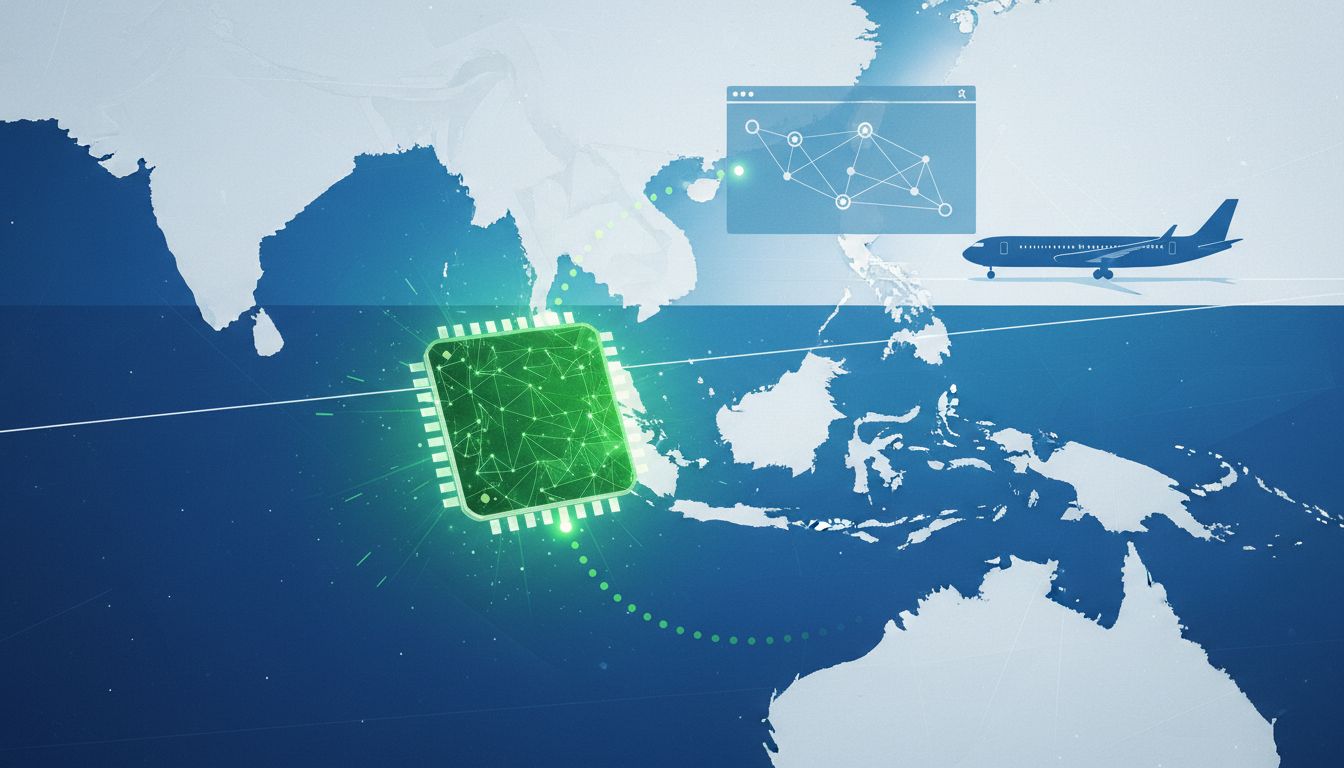
SpaceX would like to compete with the big carriers, and the deal it is reportedly chasing may depend on two of them. The Washington Post reports that SpaceX wants to buy Boost Mobile from EchoStar, as relayed by TechCrunch. Boost is a virtual operator with about 7.5 million customers across Boost and GenMobile. It leases network capacity from AT&T and T-Mobile, and the Post’s sources say such leases are usually nontransferable.
That matters because Musk reportedly asked AT&T, T-Mobile and Verizon for network capacity and all three said no. SpaceX already bought $17 billion of EchoStar spectrum last year, and Musk called it the last piece SpaceX needed. Buying Boost suggests that wasn’t true. Terrestrial coverage still appears to matter, especially indoors.
The open question is whether the carriers can block the lease transfer, and whether they would. These are reported discussions, not a signed deal.