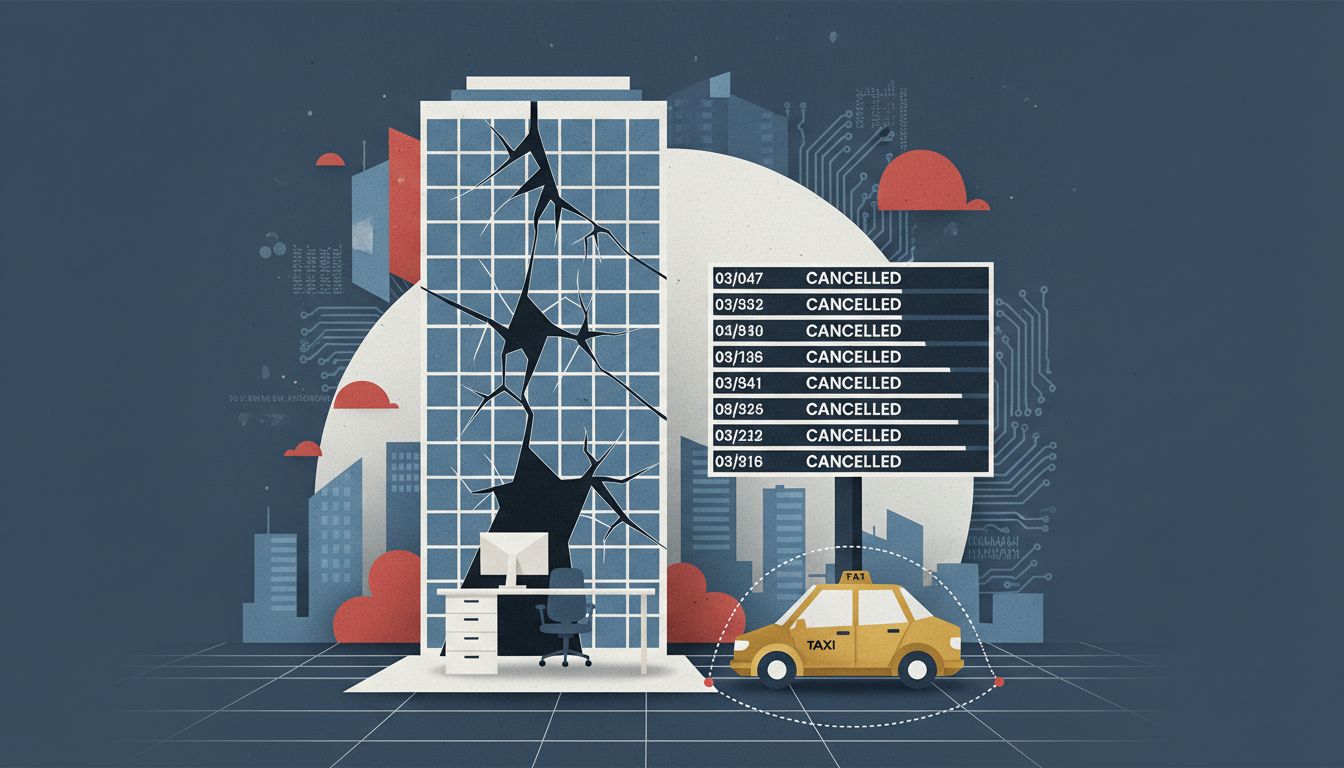
Today’s stories share a theme of expensive assumptions meeting reality: a security model that trusted laptops, an economic forecast nobody checked, and a power grid that can’t keep up with AI ambitions. The most expensive failure started with a coding assignment.
1. Binance lost a record $6.3B to a coding test
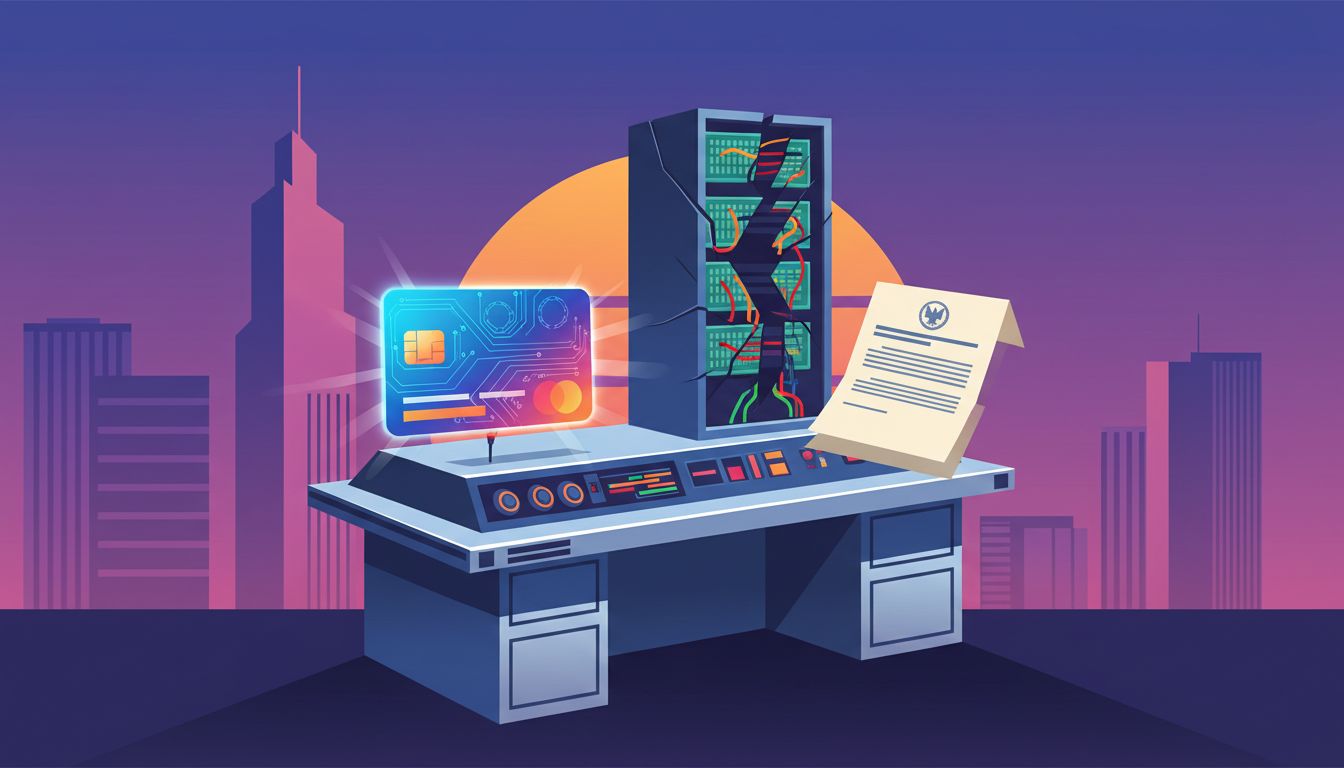
The most expensive crypto theft on record did not need a zero-day. According to Binance’s statement, as reported by TechCrunch, North Korean hackers posed as recruiters, interviewed a wallet engineer twice, then sent a “coding assignment” that carried malware. Binance says its security tools didn’t catch it.
That one laptop was only the start. The attackers reached an internal tool that could take over two other engineers’ machines. One of those engineers had earlier downloaded a tampered app found through a search engine, and the stolen credentials from that machine led to a third engineer whose access reached systems controlling billions.
The tactic was no secret. Researchers and the U.S. government have warned about fake recruiters for years, and Binance says it faced at least 57 suspected North Korean attacks. So the interesting question isn’t why one engineer clicked. It’s why a work laptop at the world’s largest exchange could run untrusted code and then hand over this much reach. TechCrunch makes the same point: the responsibility ultimately sits with the company’s systems. Binance declined to answer questions about its controls, so that part is still open.
2. The UK’s £400B AI promise was a Google-commissioned number
For almost two years, UK government departments cited AI adding £400 billion to the economy. Last week the AI minister said that figure came from a 2023 report commissioned by Google and produced by the consultancy Public First, now PF Global. The government’s own range is £55 billion to £140 billion by 2030, with a central estimate of £120 billion, which the minister called “hugely uncertain.“
WIRED reports that ministers had the lower estimate since at least November 2025, yet Skills England kept publishing the old figure months later. The minister’s answer never withdrew the £400 billion claim or called it wrong.
PF Global says the gap mostly reflects slower adoption than it assumed in 2023, and that its own central estimate is now much closer to the government’s. It also says its work for Google was independent. That may be true, but the Ada Lovelace Institute’s point holds either way: a precise-looking number carries its funder’s incentives, and policy should test it before building on it. The practical lesson for anyone selling AI to government is that the £400 billion pitch is now a liability.
3. Canva’s 1,271 layoffs show AI can squeeze you twice
Canva is usually pictured as a company AI might replace. TechCrunch’s account suggests it is also being squeezed by what AI costs to run. The company is cutting 22% of staff, 1,271 people, after CEO Melanie Perkins said growth slowed for the first time in a decade.
The details point in two directions. Canva has been shipping its own models to cut costs and reduce reliance on third parties, yet it still lowered its revenue growth forecast to 20% from 30% because of ballooning AI costs. Early investors trimmed its valuation to about $35 billion earlier this year. It also faces ChatGPT and Gemini, whose image generation makes quick posters and presentations easy.
So the squeeze runs on both sides: AI features raise the cost base while general chatbots erode the simple use cases. The reorganization fits that. Product, growth and platform teams are merging to cut “communication friction,” and staff will take on broader roles. The open question is whether a leaner Canva can make AI features profitable, or whether free chatbots keep setting the price.
4. AI data centers are burning rebuilt jet engines to skip the grid line
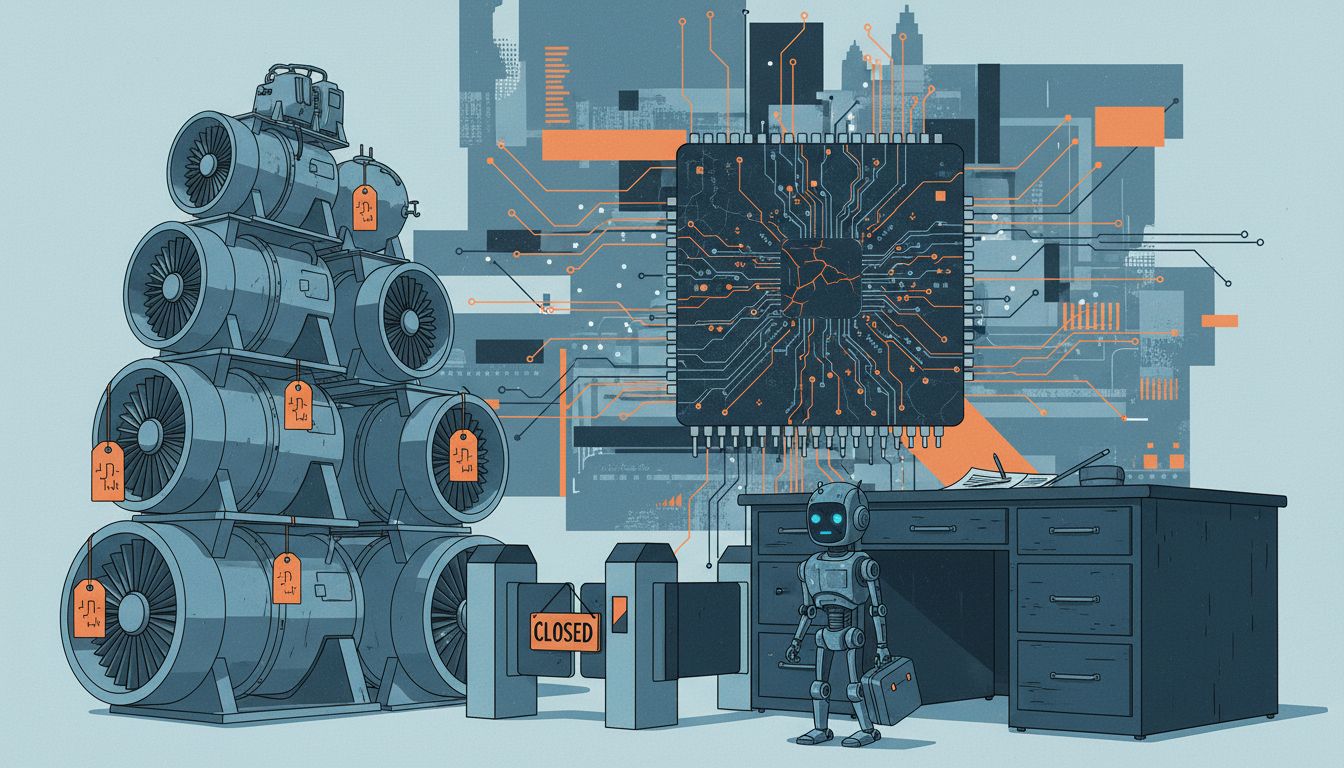
Waiting seven years for a grid connection is a bad business plan, so some AI builders have found an alternative: retired jet engines rebuilt to burn natural gas. TechCrunch, citing the New York Times, reports that such units can have a data center running in about 24 months. The IEA puts a 100-megawatt connection in Northern Virginia at about seven years.
This is already happening. xAI installed eight units in Mississippi for its Colossus 2 data center. Crusoe ordered 13 for the Abilene campus built for OpenAI’s Stargate. The cost of waiting is also showing up: Microsoft pulled out as anchor customer for Nscale’s Loughton data center after the utility said power wouldn’t arrive until the early to mid-2030s.
The catch is that these engines are less efficient and pollute more than purpose-built gas turbines, and it takes more of them to make the same power. Experts quoted say those concerns could weigh more in a year or two. That makes this a bet that speed now outweighs efficiency and permitting trouble later.
5. Anthropic wants proof the model you paid for answered
Right now, if an API says a response came from a given model, you take its word for it. Anthropic’s FlashProve research is aimed at that gap. According to TechCrunch, it would let users verify cryptographically that an output came from a specific model, even against impostors that include the lab running it.
That last part matters. The researchers say it could catch a company secretly swapping in a cheaper model to cut costs, or a pricier one to inflate benchmark results. It could also check third-party claims such as “this code was scanned by a frontier security model.“
The design relies on labs publishing a fingerprint of each model, which doesn’t reveal the weights, so closed-model makers keep their crown jewels. Verification is meant to be light enough to run on a local device.
Calibrate expectations, though. Anthropic calls this intermediate progress, has published a specification and working code under an open source license, and has no plans to deploy it at any lab. The hard part is getting labs to publish fingerprints voluntarily.