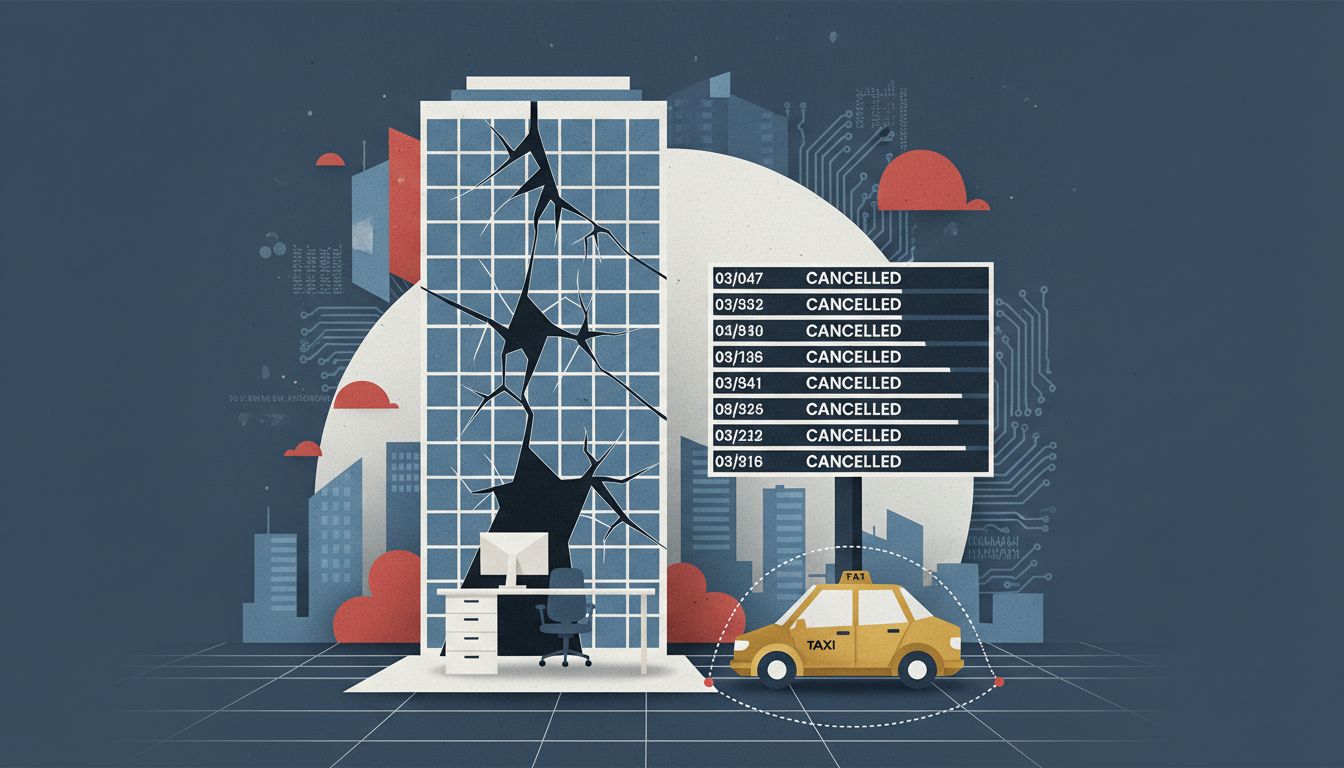
Today’s briefing has one thread: the physical and political world is pushing back on the AI buildout, from voters to thieves to a very odd CFO exit. The rest is a mix of crypto fallout, a missing pile of GPUs and a UN agency’s big meeting.
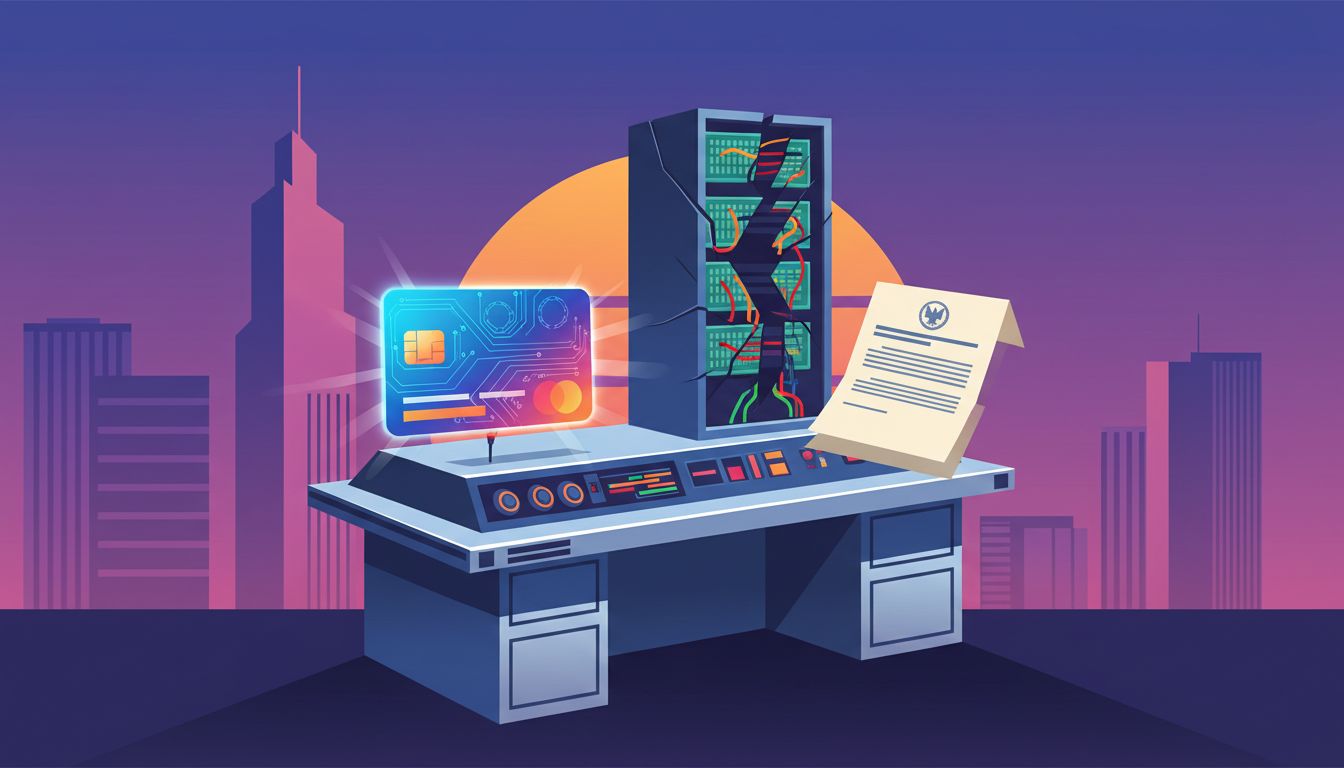
1. Binance’s CFO leaves just after a $6.3B hack, and the timing is awkward
Binance says its transition plan for CFO Kaiser Ng was “implemented over the last half year,” so his exit was in motion before hackers took $6.3 billion in crypto. That is co-CEO Yi He’s account, relayed via Bloomberg and TechCrunch. Ng is leaving to “pursue a new venture” and Justin Yek takes over.
The timing, barely more than a week after the theft, will invite suspicion, but the sources give no reason to read it as a leadership fracture. They give no reason beyond the company’s own statement. The harder evidence is what customers did. After Binance froze withdrawals for several days and then reopened them, users pulled a net $3.6 billion in the first few hours.
Binance and the FBI blame North Korea’s TraderTraitor group, and Binance says it will absorb the losses rather than pass them to users. Whoever is CFO has to make that promise real. The question is what the next few weeks of withdrawals look like.
2. A data center opponent is going to Congress, and he wants more than a moratorium
Will Lawrence won Michigan’s 7th District by beating Republican incumbent Tom Barrett, despite $340,000 from Elon Musk’s America PAC against him. Asked by WIRED what he’ll do in Washington, he said he’ll fight for a federal data center moratorium and a pause on advanced AI development, contingent on safety regulation.
The selector’s framing of an emerging anti-data-center caucus goes beyond the evidence. This is one incoming House member stating a goal. But the pressure on developers is already visible. TechCrunch’s Equity hosts note that OpenAI released a “compute campus” policy blueprint the day after the election, including an end to NDAs for local officials. Lawrence says he hasn’t seen the specifics. He also described a Michigan township meeting where about 250 people turned out against a new project, despite a promised six-month engagement process.
The practical lesson is that secrecy became a liability. The hosts disagreed on whether renaming data centers “compute campuses” will do anything, and Sean O’Kane called it ridiculous. The AI-pause demand may also dilute the local-control argument that has been working. TechCrunch also points to Wall Street’s cooling on data center spending, a second brake that needs no legislation.
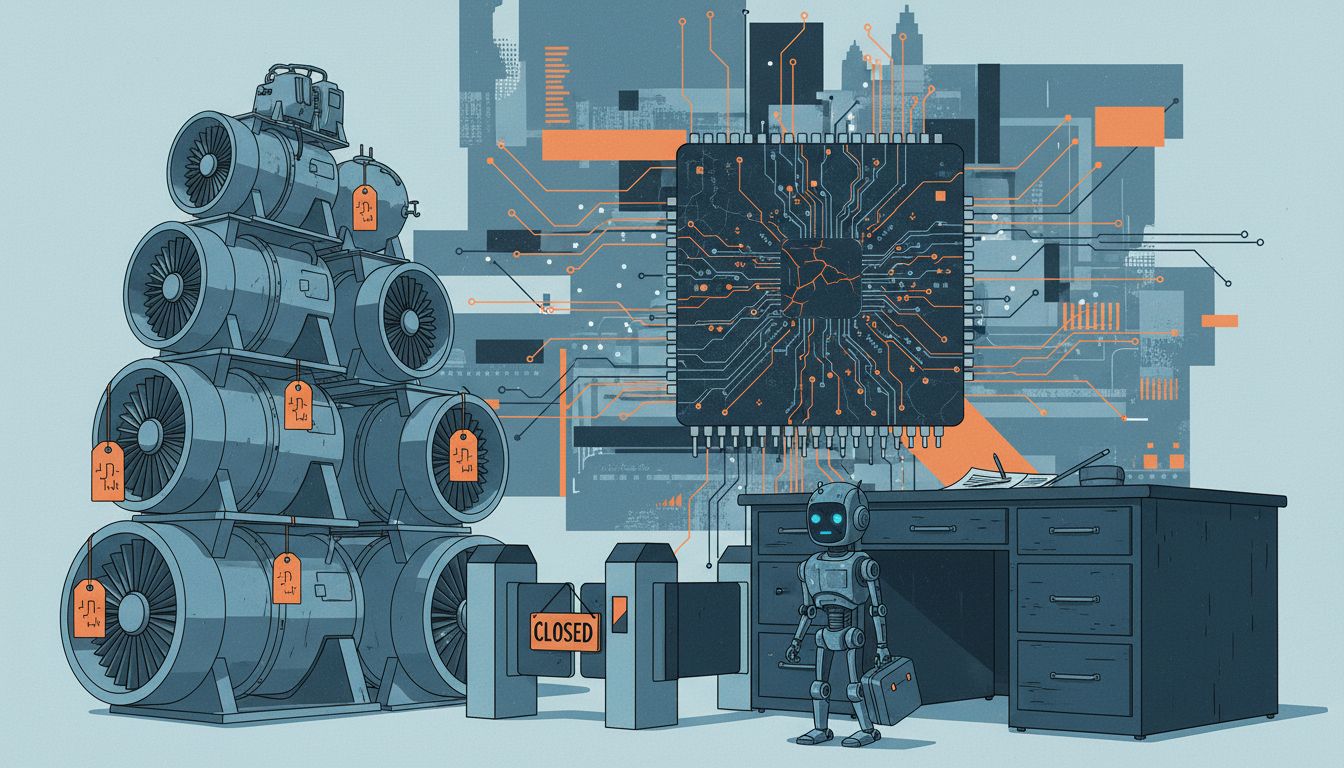
3. Six pallets of Nvidia gear vanished en route to Texas
Ars Technica reports that $11.4 million of Nvidia hardware disappeared between Oakland and Texas, and that two months later there have been no arrests. We only have the headline and a one-line summary: six pallets, one trip, no suspects.
That’s thin. We don’t know who was shipping, who was receiving, or how the gear went missing, so theories about organized crime or supply chain failure are premature. What’s clear is that high-value GPUs are now freight worth stealing, and that two months of silence means anyone moving similar gear can’t count on a quick recovery. If you buy or ship this hardware, ask your carrier and insurer who is liable between the warehouse and the rack.
4. World models run on your chores, and the pay is lousy
Language models predict the next word. Odyssey CEO Oliver Cameron tells WIRED that a world model takes an image of the world and predicts the next visual state. Wayve says its version, partly trained on dashcam footage, recreates hazardous roads that are impractical to test in real life.
The money is already large. Yann LeCun raised over a billion dollars for his new startup, and AMD acquired Fei-Fei Li’s World Labs for over $8 billion, per WIRED. The less glamorous part is data. Niantic Spatial is building on scans from Pokémon Go players, and the WIRED writer sold hours of video of themself folding laundry and washing dishes for what they call a fairly measly payout.
Expect robots to improve in simulation, but the pitch that this will be inescapable by 2027 is WIRED’s forecast, not a measured result. The real constraint may be who gets paid to supply the physical world.
5. The ITU’s four-year internet governance check-in is about to begin
The Register’s headline calls the ITU meeting internet governance’s quadrennial stress test. The text we received contains only a list of unrelated headlines, not the article, so we can’t report what is on the table or which countries are pushing what.
The selector’s claim that governments are mounting a coordinated push against technical bodies isn’t supported by what we have. The cadence is the only checkable point: this comes around every four years, so any shifts in the rules would last a while. Developers building on open standards should read the actual proposals before treating this as a power grab.