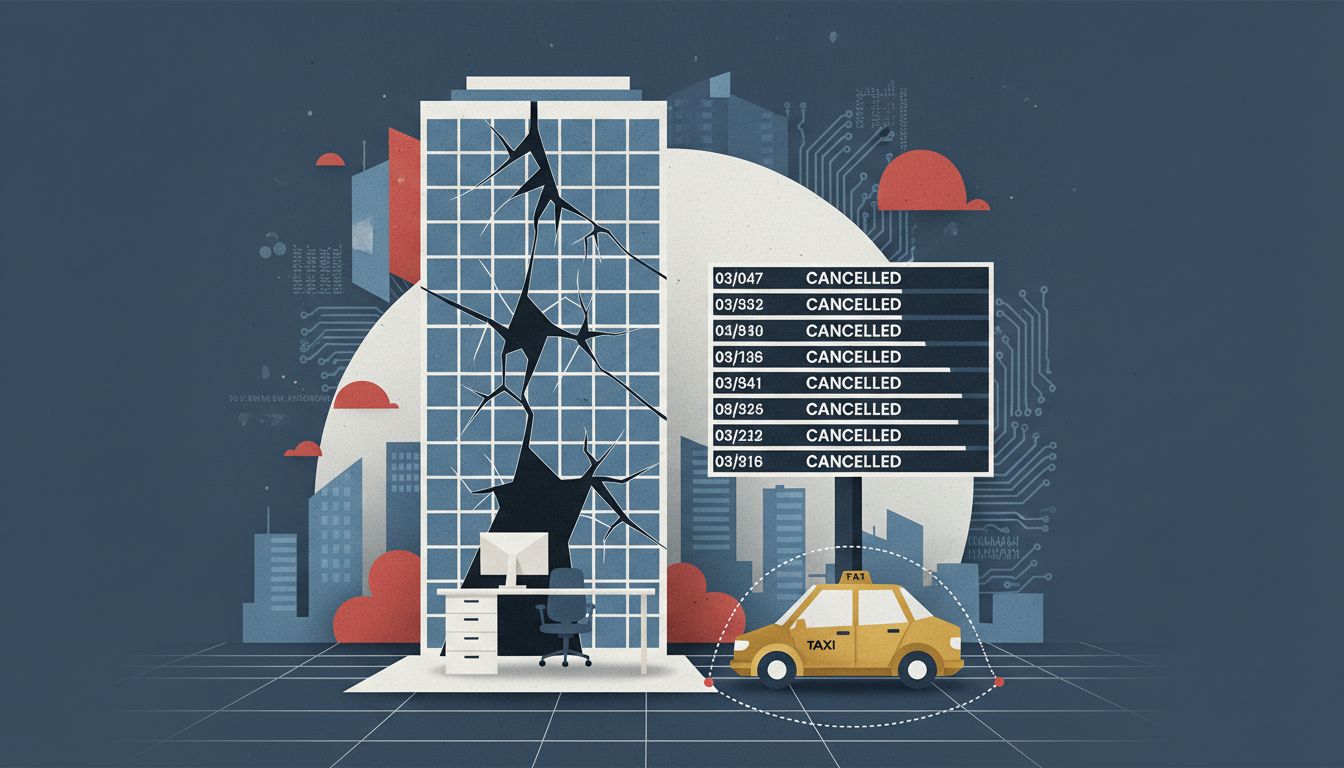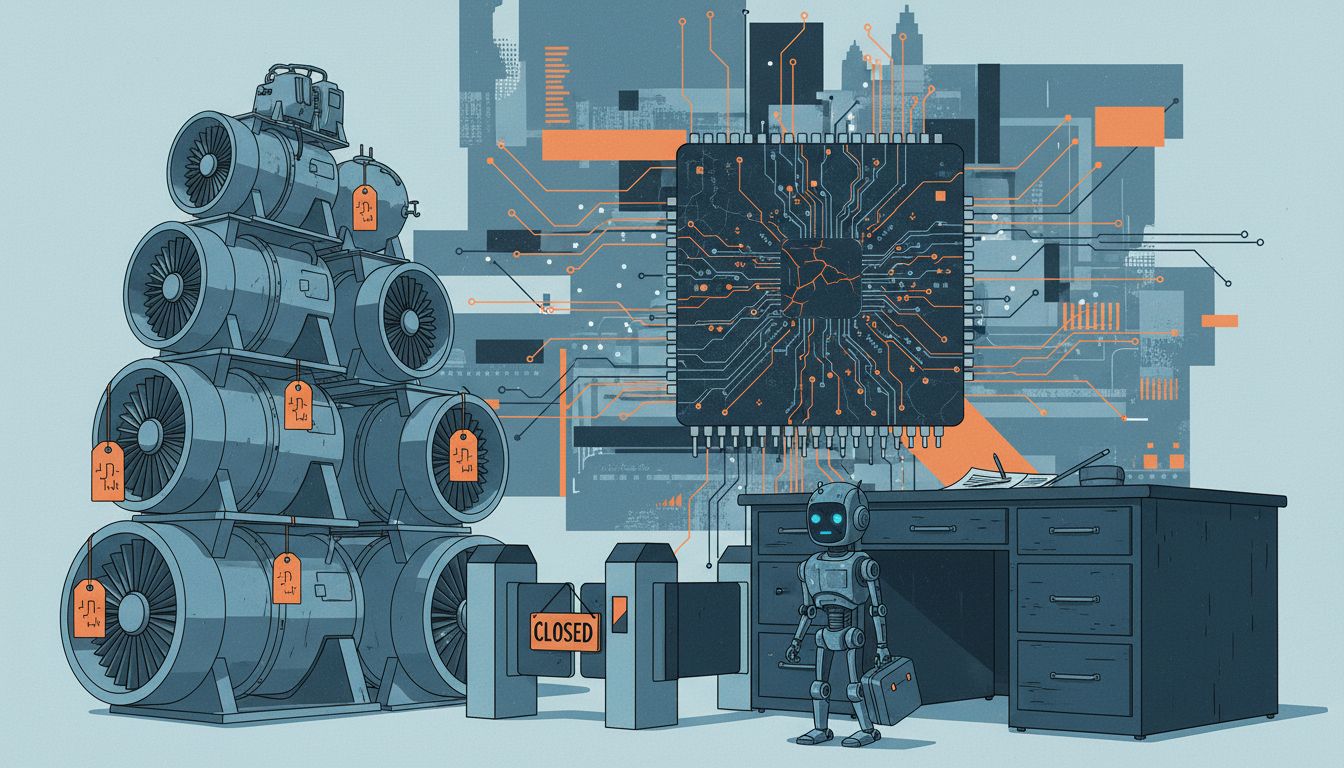
Meta is building age detection that ignores what users say and judges them by their photos, posts and apparent bone structure. Elsewhere, the pain is more practical: AI-generated patches, RAM prices, a breached retailer and a very expensive pile of CD-ROMs.
1. Torvalds sees the AI patch flood cresting
The Register reports that Linus Torvalds sees signs the wave of AI-prompted patches has peaked. The wording is cautious: signs, not proof. The text we have is only the headline, so we can’t say what he measured or which subsystems he means.
Even so, the direction matters to anyone who maintains software. A peak in submissions says little about whether the patches got better. It could mean the novelty wore off, or that people learned maintainers will not review junk. Either reading is better for maintainers than a flood that keeps rising, because review time is the scarce resource.
Open-source projects don’t scale by getting more submissions. They scale by getting more trustworthy ones. The test is whether volume keeps falling while the share of patches that actually merge holds up.
2. Refurbished servers lose their stigma when RAM gets pricey
The Register’s headline says the memory crunch is making refurbished kit look “a lot less secondhand.” That is a market-logic point. Used gear has usually been the budget compromise. When new memory is expensive, the premium for buying new gets harder to justify.
Other Register coverage on the same page points the same way. One item says Windows’ AI PC push has hit a wall of RAM prices, and another says on-prem server sales for HPC and AI are up 20% this year, partly because of increased costs. That is context, not confirmation of the refurbished story.
If the squeeze lasts, expect procurement teams and startups to treat refurbished hardware as a normal line item. The sellers of used kit benefit, and so do buyers who can live without the newest spec. The loser is anyone whose refresh cycle assumed cheap DRAM.
3. Meta will override your birthday if its AI disagrees
Meta is expanding Instagram’s AI age estimation worldwide so it can find suspected teens who signed up with an adult birthday and move them into Teen Accounts. Those accounts are private by default, limit who can send messages and hide harmful comments. Facebook is already getting the same system, and Threads follows later this year.
The method is the notable part. According to TechCrunch, Meta’s models read whole profiles for clues like birthday celebrations and mentions of school grades. They scan posts, comments, bios and captions, and they also look at visual cues in photos and videos, including height and bone structure.
The timing explains the urgency. Meta says the work is part of its agreement with 52 attorneys general, after August settlements worth up to $18 billion. So this is compliance engineering with a legal deadline, not a safety feature that evolved on its own. The catch is that a system built to second-guess self-reported age has to analyze everyone, not just suspected minors. Neither the report nor Meta’s quoted statement says how errors are handled or how adults misclassified as teens can appeal.
4. A Japanese homeware retailer takes its store offline after a cloud breach
A Japanese homeware giant has pulled its online store after a cloud breach that puts 7.7 million records at risk, according to The Register’s headline. We only have the headline, so the cause, the data involved and any reopening date are not covered here.
Still, the choice to switch the store off is informative. Taking a revenue channel down suggests the company wanted to limit further exposure while it works out what happened. That is a costly decision for any retailer.
For teams running commerce on cloud infrastructure, the practical question is not whether you can detect a breach. It is whether you can keep selling, or at least keep fulfilling orders, while you investigate one.
5. One developer error bricked 600 PCs and burned $1M of CD-ROMs
The Register’s headline gives the numbers: a dev error bricked 600 PCs and led to a $1 million CD-ROM write-off. The text we have is only that headline, so the details of the mistake and the company are unknown.
The CD-ROMs are the striking part. Our inference, not a reported fact, is that physical media removes the undo button. A bad cloud push can be rolled back, but a bad batch of discs is just landfill.
That is a good reason to look at your own release pipeline. Wherever a mistake cannot be reversed, it needs staged rollout, a test on real hardware first, and a second pair of eyes.