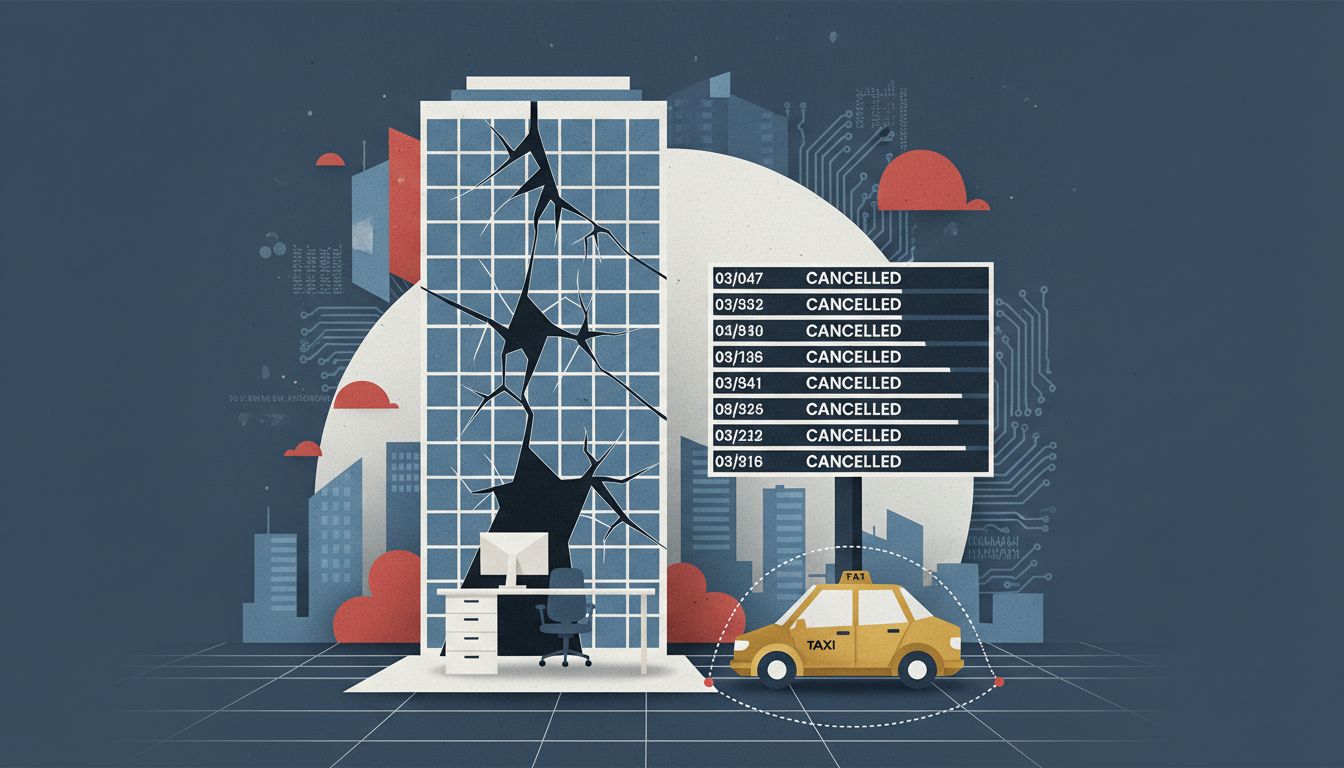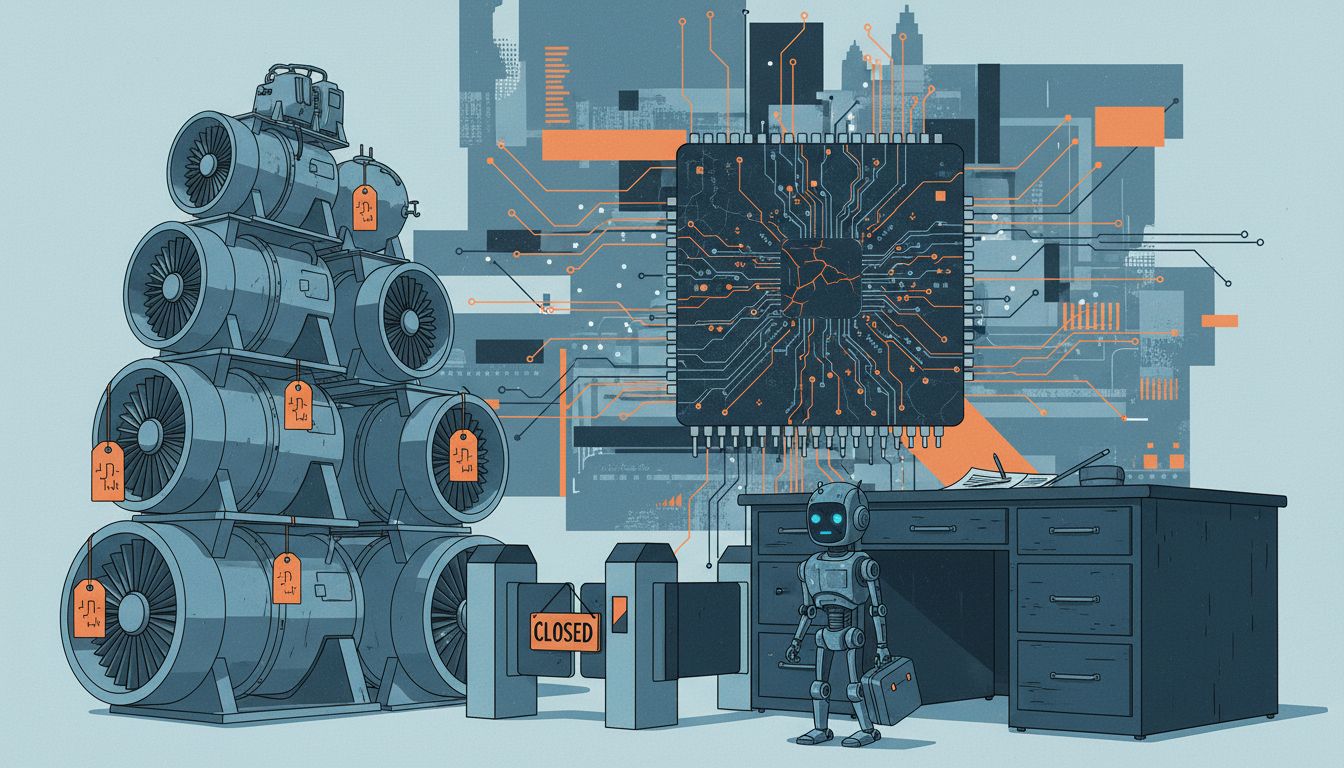
The most important company in AI has a CEO problem it can’t easily route around, and a robotaxi fix apparently didn’t fix much. Both stories turn on the gap between what a company says is handled and what the evidence shows.
1. Waymo’s school-bus fix came first. Most of the incidents came after.
Waymo said it finished a software update for all affected vehicles on November 17, 2025, after reports of its robotaxis passing stopped school buses with flashing red lights. In a November 6 filing, NHTSA said a majority of the reported incidents happened after that update. The agency has opened a recall query to assess whether the remedy was adequate. TechCrunch says Reuters reported the filing first.
The original trigger was an Atlanta incident in which a Waymo crossed in front of a bus that was unloading children, then turned around its front. Austin school district officials later reported at least five more incidents, according to a letter filed with NHTSA. TechCrunch had asked Waymo and the district for comment and had no response yet.
The lesson for anyone shipping over-the-air fixes is that a recall is judged on field behavior, not on whether the patch rolled out. A company can truthfully say the update reached every vehicle while the problem persists. NHTSA is now checking the outcome, and a second remedy would have to survive the same scrutiny. The open question is whether the agency finds the fix inadequate or the incidents have another cause.
2. Nvidia’s CEO scandal is really a question about AI’s financing web
Jensen Huang has admitted in a staff email that he was unfaithful to his wife. The woman, Alice Huang, is a former Megaspeed executive whom, per the New York Times, US intelligence officials consider a Chinese government spy. She has no known relation to him. No one has been charged, and the Chinese embassy called the allegations smears. Nvidia’s board has opened an independent investigation. It says it has no reason to believe national security or company secrets were compromised.
WIRED adds a detail: Huang’s team has used crisis-communications firm Heller since at least October 2025, right after the Times first reported on his Megaspeed ties. Whether that work touched the affair is unclear, so it shouldn’t be read as proof he knew anything early.
Yale’s Jeffrey Sonnenfeld puts his survival at about 50-50. The reason it matters beyond one man is structural. Nvidia has invested in OpenAI, Anthropic, xAI, CoreWeave and Nebius, and Huang has said it could backstop up to a quarter of a planned $500 billion financing push. He has about 60 direct reports and no super-voting stock, so there is no obvious successor and no shield. Earnings land November 17, and House chairmen want a briefing the next day.
TechCrunch · WIRED · TechCrunch
3. Azure Linux just took 470-plus security fixes in a single go
The Register reports that Azure Linux received more than 470 security fixes in one patching session, along with a certificate cleanup. Its summary line is that this means more work for Microsoft’s patching teams. We only have that headline and summary here, so the breakdown of severity and exploitation is missing.
A raw count of fixes tells you about the size of the job, not the size of the danger. Plenty of CVEs never get exploited, and the count does not say whether any of these were. It also doesn’t say whether this was a backlog clearing or an unusually busy period.
The practical consequence is for anyone running Azure Linux. A patch this large is a testing and rollout task, not a routine update, and it deserves a place on the schedule before something breaks.
4. A German university portal breach exposed every user’s password
The Register reports that a breach of a portal at what it calls Germany’s top university exposed the password of every registered user. The excerpt we have is just the headline, so how the attackers got in and whether the passwords were hashed remain unknown.
Even so, the headline is a reminder of how bad a breach gets when it touches credentials rather than a single account. If the passwords were usable, anyone who reused one elsewhere has a problem well beyond the campus system.
Anyone running a login system should ask what a complete dump of their user table would hand an attacker, and whether it would be enough to log in anywhere else.
5. Outlook.com is bouncing legitimate email in a botched authentication push
The Register says Outlook.com is bouncing legitimate email as Microsoft’s authentication crackdown goes sideways. That headline is all we have, so the specific checks and the extent of the failures are unclear.
The practical risk is silent failure. When a major mailbox provider rejects mail, the sender often hears about it only through support tickets, if at all. Password resets and receipts are mail that users blame on the app, not on Outlook.
Anyone sending transactional mail to Outlook addresses should check bounce logs for recent rejections and review their authentication setup. If Microsoft is tightening rules, senders with sloppy setups lose first, even when the mail is wanted.