Nvidia lost the CEO who built it, at a moment when its balance sheet is holding up much of the AI buildout. The rest of the day’s news is about trust: who gets to hold your data, and whose AI is allowed to act for you.
1. Nvidia’s founder exits, and the AI financing web loses its architect
Nvidia’s board accepted Jensen Huang’s resignation on Wednesday, and the company disclosed it Thursday. It happened days after he admitted to an affair. U.S. officials reportedly believe the woman at the center of it, Megaspeed executive Alice Huang, is a Chinese spy. Per TechCrunch, Huang’s letter linked his infidelity to “national security concerns” without naming her. Huang owned only about 3.5% of Nvidia and had no supervoting shares, so the board could remove him at will. Nvidia stock fell nearly 12% in early trading.
The bigger issue for builders is that Nvidia is also a financier. TechCrunch tallies $99 billion in investments, $25 billion in further commitments, $36 billion in cloud-service commitments, $30 billion into OpenAI, $10 billion into Anthropic, and up to $105 billion in credit guarantees for an OpenAI data center campus. Huang ran this with about 60 direct reports and no heir apparent. CoreWeave fell about 9% and Nebius about 16%, which suggests the market is asking whether the financing keeps flowing.
CFO Colette Kress is interim CEO and keeps her CFO job. She is known to analysts from earnings calls, which helps. Whether she signals continuity on those commitments when Nvidia reports Tuesday is the first real test.
TechCrunch · TechCrunch · TechCrunch
2. Fireworks AI’s second breach in two months reached Notion’s AI chats
Fireworks AI says an attacker got into its cloud provider, then into a development system, and from there to customer data. The company, whose customers reportedly include Harvey and Cursor, says billing information and some datasets were taken. Notion says about 1% of its customers were affected. The stolen data included chat transcripts from its Notion AI “Insights” feature, containing any input to or output from the model. Notion cut its connection to Fireworks on November 3 and deleted the data it had stored there. This follows an October incident, per TechCrunch.
Fireworks says the attackers are financially motivated and want to resell access to large language models. That makes your inference vendor’s cloud provider part of your threat model. Notion’s own security didn’t fail here, but its customers’ prompts still ended up exposed. Notion also said much of the data couldn’t be tied to a specific customer, which is some comfort, though it won’t help the customers whose transcripts are in there.
3. United wants you to check in yourself, not send a chatbot
The evidence here is thin: the supplied Register page contains the headline, “United Airlines wants you to check in, not your chatbot,” and no article text. The details of any policy are unconfirmed.
Still, the headline points somewhere different from the usual framing. It suggests United is limiting passengers’ own AI agents from handling check-in, not rejecting its own automation. If so, the argument is about whose agent gets access to the airline’s systems, which is a different fight from whether agents are ready. Anyone building consumer agents should watch whether big companies start treating them as a kind of automated traffic to be managed.
4. Exchange 2016 and 2019 join the ‘permanently vulnerable’ club
The Register’s headline says Microsoft Exchange Server 2016 and 2019 have entered their “permanently vulnerable” era. The supplied page has no article text, so we can’t confirm dates, scope, or Microsoft’s guidance.
The phrase still tells you the risk: when patches stop, every future flaw stays open. Exchange sits at the heart of corporate email, and teams still running these versions face a choice between migrating and accepting that exposure. The fuller Register story is worth reading for the specifics before you set a deadline.
5. Google’s $395 Gemini glasses lean on privacy, but not on-device processing
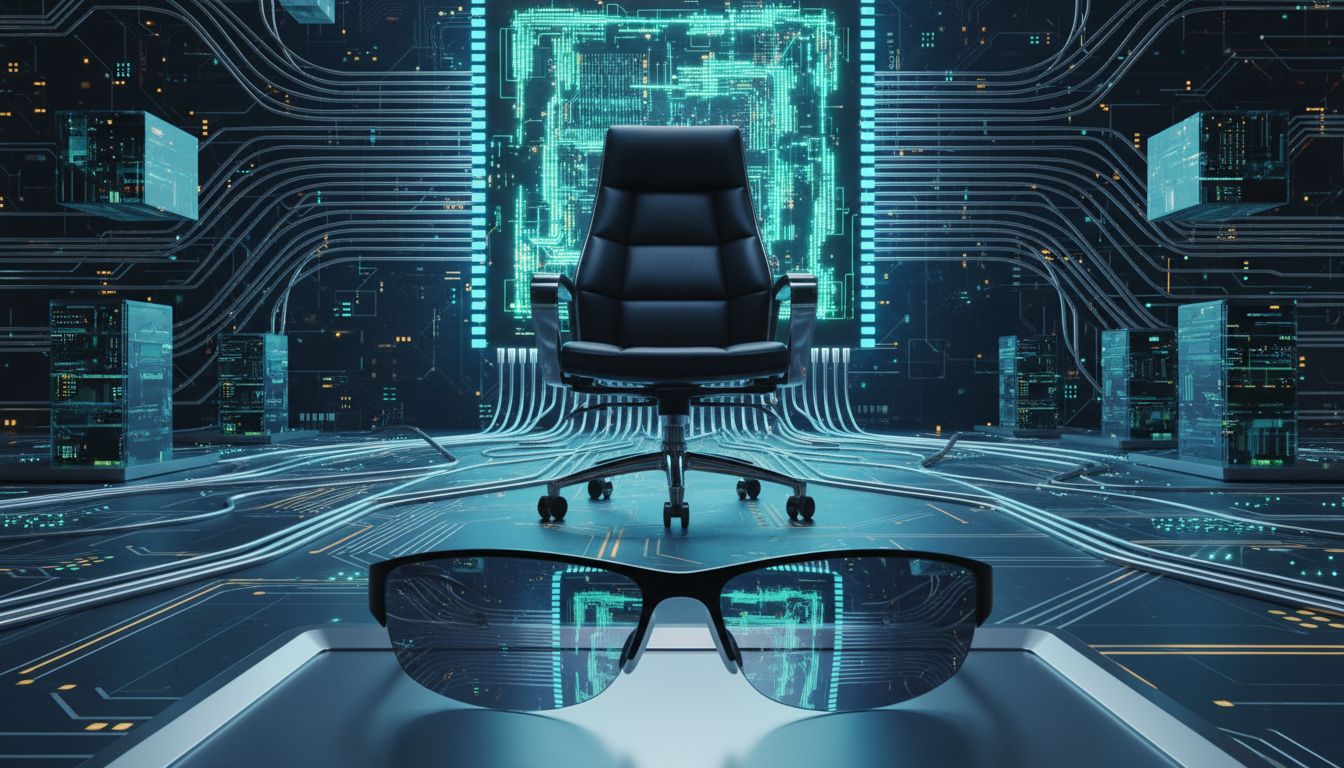
Google, Samsung, Warby Parker and Gentle Monster are launching Gemini smart glasses. Preorders are open and sales start December 10. Warby Parker frames start at $395 and Gentle Monster at $449, on identical hardware. WIRED says they weigh about 41 grams and have a 12-megapixel camera with an indicator light.
The privacy pitch is real, but it isn’t mainly “everything stays on the device.” Google says visuals you show Gemini aren’t saved to your history or used for training or ads, and that faces in the background are redacted before processing. Data may still go to your phone or the cloud, encrypted in transit, with Private AI Compute promised later. The camera is also supposed to refuse to record if the LED is covered, though Google concedes tamper detection is “not perfect.“
Critics aren’t convinced. Fight for the Future says there’s “no actual aspect of consent,” and an Oxford researcher says the measures focus on the wearer more than on bystanders. Google’s product lead calls these “decisions,” not hard technical problems. That is a fair challenge to Meta, but Google’s terms of service and Play Store rules are policies it must enforce, and a bystander has to take its word that they work.
Ars Technica · WIRED · WIRED