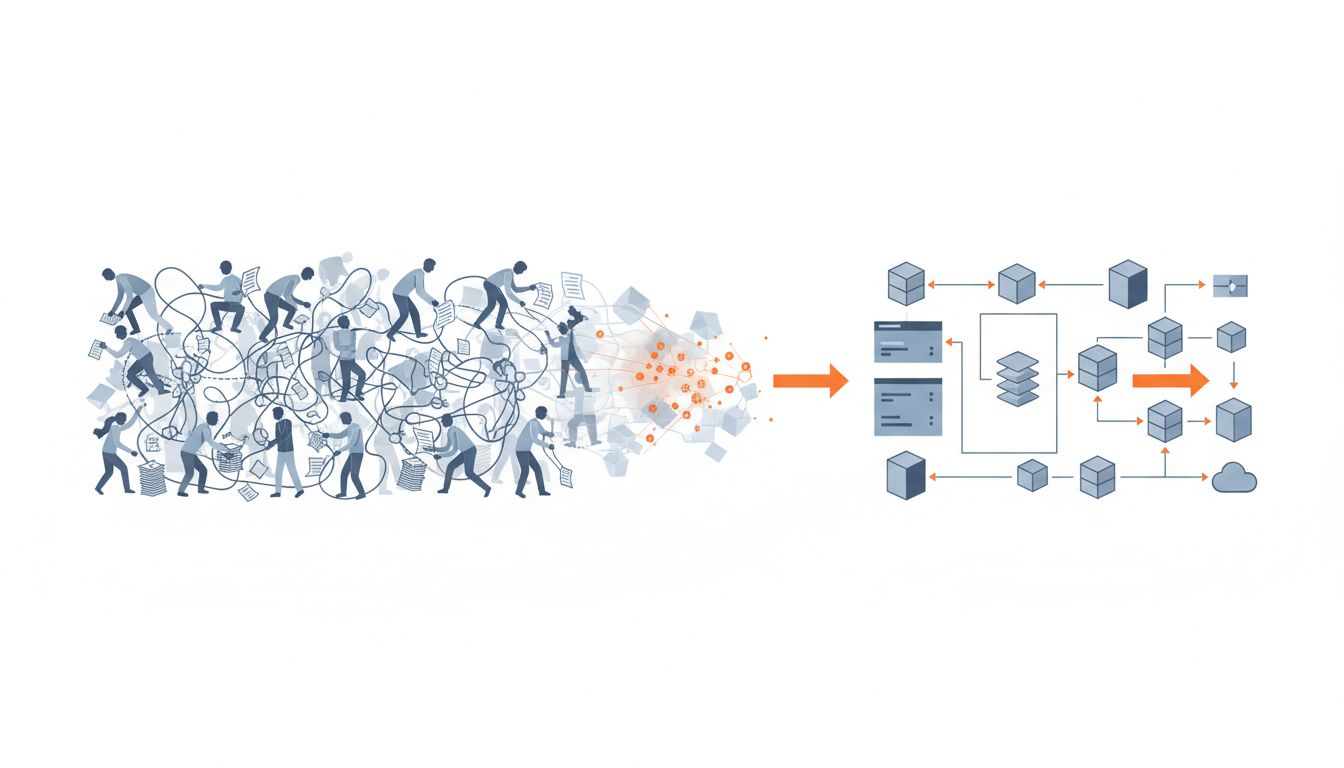
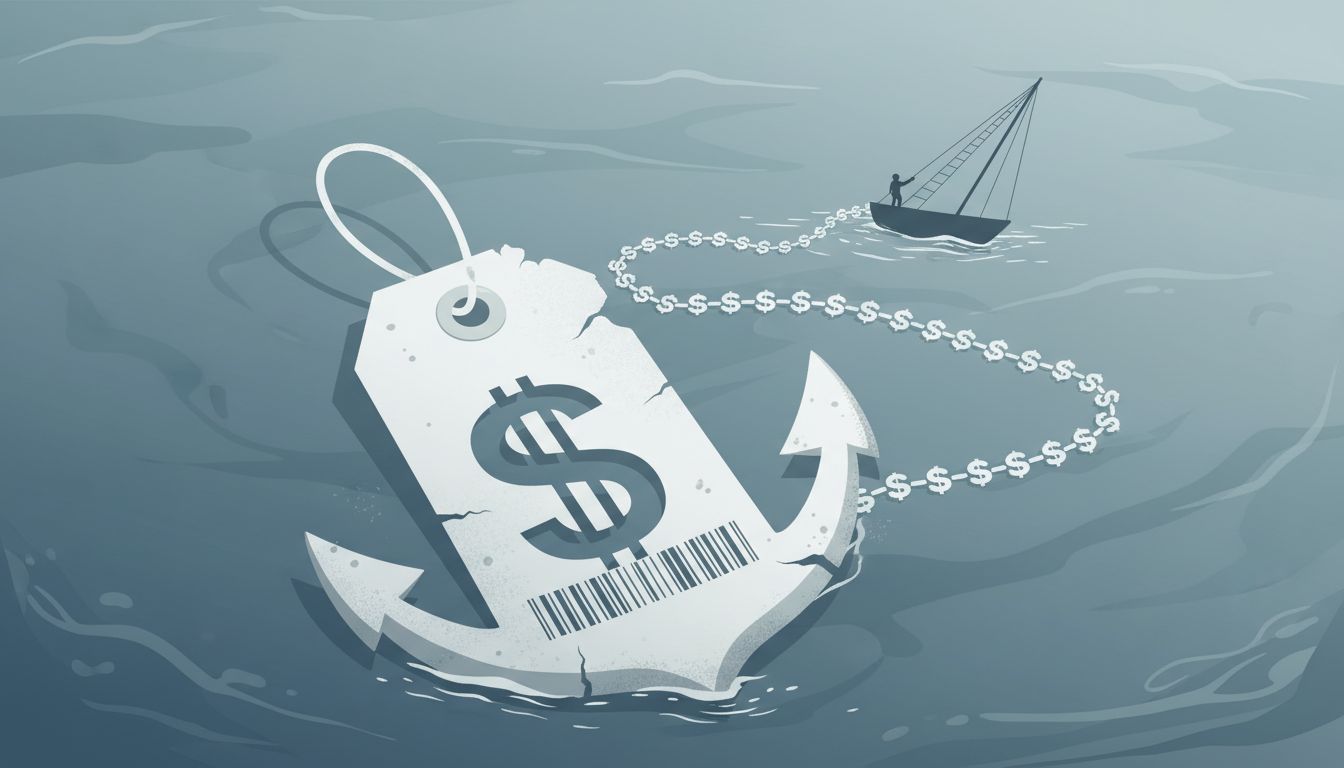
Picture a software team that has built something genuinely useful. They launch at $5 a month because they want adoption, because they’re not greedy, because they want to be accessible. Within a year, they have thousands of customers. Within two years, those customers are furious when the price goes to $15. The product didn’t get worse. The company didn’t become evil. The price just moved to something approaching rational, and the market revolted.
This isn’t a hypothetical. Versions of it play out constantly, and one of the most instructive cases involves Basecamp and what happened when 37signals first introduced their project management software in 2004.
The Setup
When 37signals launched Basecamp, they priced it modestly. This was partly ideology (they were vocal critics of VC-fueled growth), partly pragmatism (they needed customers), and partly the product culture of the early 2000s web, where charging real money for software felt aggressive. They were building for small businesses and freelancers. They wanted to be the scrappy, affordable alternative.
It worked, in the narrow sense. Basecamp grew. People used it. The product improved. By the mid-2000s it was one of the defining examples of what a bootstrapped software company could accomplish.
But there was a cost embedded in that early pricing strategy that didn’t show up immediately on any spreadsheet.
What Happened
As Basecamp grew and 37signals tried to evolve the product, they ran into a structural problem: their existing customer base had been trained to expect a certain price-to-value ratio, and that expectation was calcified. When they tried to introduce new pricing structures, segment by team size, or rationalize what they charged against what they were actually providing, they faced sustained backlash that had nothing to do with the product itself.
The most dramatic version of this came in 2019, when 37signals relaunched Basecamp and introduced a flat $99 per month pricing model alongside their per-user pricing. The flat rate was genuinely a good deal for larger teams. But the reaction from existing users was visceral. Forum posts, Twitter threads, public complaints. Why? Because the mental anchor was already set. The number felt wrong not because it was wrong objectively, but because it violated the expectation the original pricing had created.
37signals eventually moved to a $299 flat rate by 2022, which is arguably where the pricing should have started for a business-grade collaboration tool. But getting there required years of friction, lost customers at each transition, and significant management distraction. They built a market for an inexpensive productivity tool and then had to spend years convincing that market they were selling something worth more.
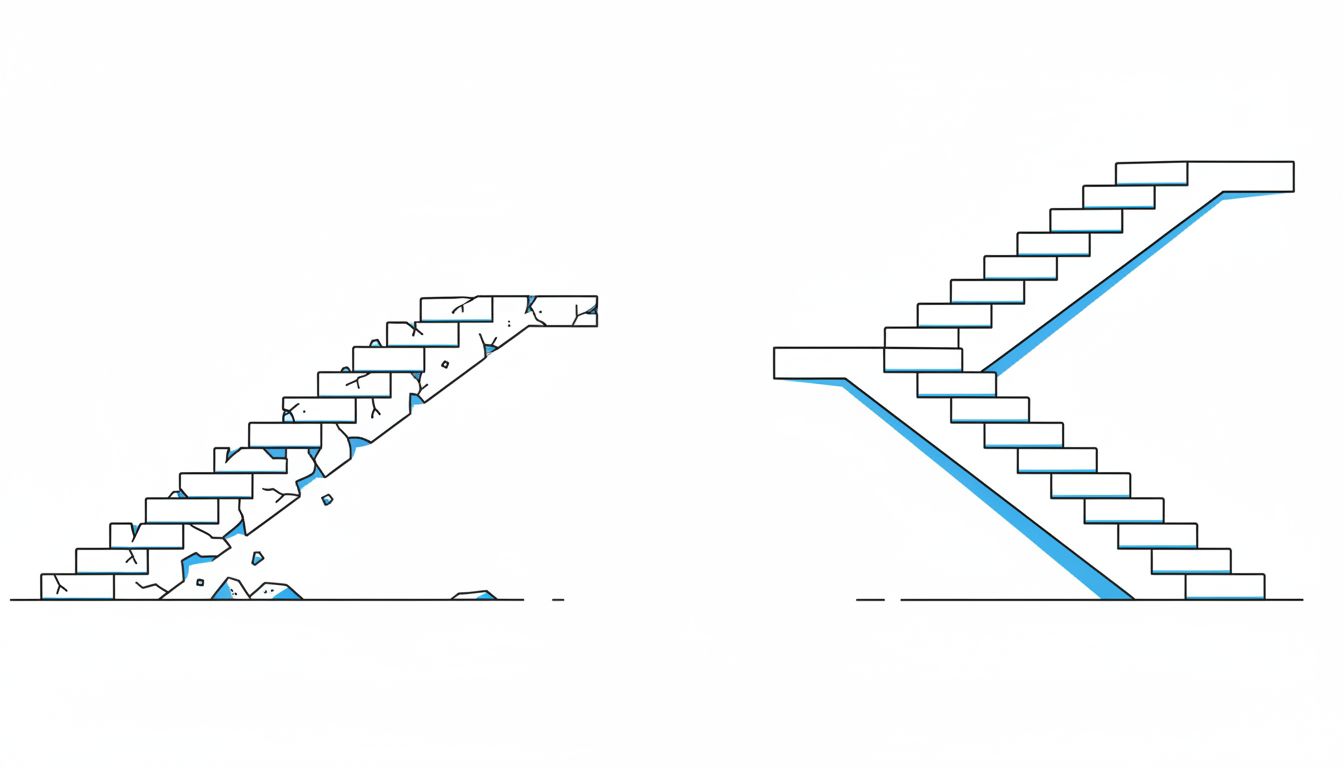
This isn’t unique to Basecamp. Dropbox spent years fighting the perception that cloud storage should be free or nearly free, a perception they helped create by making their free tier so generous. Evernote built an enormous user base on a free model, then discovered those users fundamentally rejected the idea of paying for what they’d been getting for nothing. The company went through multiple rounds of layoffs, sold itself to a venture firm, and never became the business it was supposed to be. The free pricing wasn’t just a revenue problem. It was a signal problem.
Why Pricing Signals What You Are
Here is the thing that pricing-as-signal believers get right and that most founders discount until it’s too late: buyers don’t evaluate price in a vacuum. They use price as information about what they’re buying.
This is not a soft, psychological quirk. It’s a rational information-processing strategy. When buyers don’t have complete information about quality (which is always), price becomes a proxy. A $12 bottle of wine triggers different expectations than a $60 bottle. A $20 per month project management tool reads differently than a $200 per month one, even before anyone has logged in.
When you price low to get adoption, you’re not just setting a number. You’re telling buyers what category of product you are. You’re signaling who your competition is, what problems you’re serious about solving, what kind of customer you’re built for. And you’re making a promise that, once internalized, is almost impossible to walk back without losing the customers who made that inference in the first place.
This is compounded by the fact that early customers talk. They tell other people what they pay. They write reviews that mention the price. They create a public record of what your product costs. By the time you’re ready to charge what you should have charged from the beginning, the market already has an opinion.
There’s a related trap worth naming: cheap pricing doesn’t just attract price-sensitive customers, it actively repels the customers you actually want. Enterprise buyers get nervous when software is too cheap. It raises questions about whether the vendor will still exist in three years, whether there’s real support, whether the product is serious. The $600K engineer article makes a version of this point about hiring: the thing that looks expensive often turns out to be cheaper when you account for what you’re actually getting. The same logic applies to what you charge.
What We Can Learn
The lesson isn’t that you should price high arbitrarily. It’s that you should price deliberately, with full awareness that your price is making an argument about your product before your product gets to make that argument itself.
A few things that hold up across cases:
The floor is easier to set than it is to raise. You can always offer a discount, a promotional rate, a startup program. Discounting from a real price preserves the signal. Raising from a low price requires overcoming an anchor. The psychology runs strongly in one direction.
Your early customers will define your market. Price low, attract price-sensitive buyers, and those are the buyers who will refer you to other price-sensitive buyers, write reviews oriented around value-for-money, and collectively set the tone of your user community. Price for the customer you want, and you’ll attract more of them.
Freemium is a strategy, not a discount. Companies that have done freemium well (Slack, in its early years; Figma; Notion to a degree) tend to have made a genuine architectural decision about what the free tier is and what it isn’t. It’s a lead generation mechanism, not a price signal. The mistake is treating free or nearly-free pricing as a way to get users and assuming you can flip the switch later. You can’t, not without losing most of those users.
Transparency about why you’re pricing where you are helps. Customers are not irrational. If you explain that your price reflects the cost of real support, SOC 2 compliance, a team that answers the phone, they can update their mental model. What they can’t tolerate is a price that seems arbitrary or greedy. The story around the price matters almost as much as the price.
Basecamp’s story doesn’t end badly. 37signals is profitable, independent, and still shipping software two decades later. But the path from their original pricing to something sustainable was longer and harder than it needed to be. They’ve been admirably transparent about it, which is how we know as much about it as we do.
The founders who should be reading this closely are not the ones running businesses. It’s the ones still in that room deciding what to charge for the first time, telling themselves they’ll start cheap and raise prices once the product proves itself. The market doesn’t work that way. You get one chance to tell buyers what you are. Spend it carefully.