
The Glance That Never Ended
You’re deep in a problem. Code is compiling, a document is half-drafted, or you’re three paragraphs into figuring out what you actually think about something. Then a notification appears. You glance at it. You dismiss it. You return to your work.
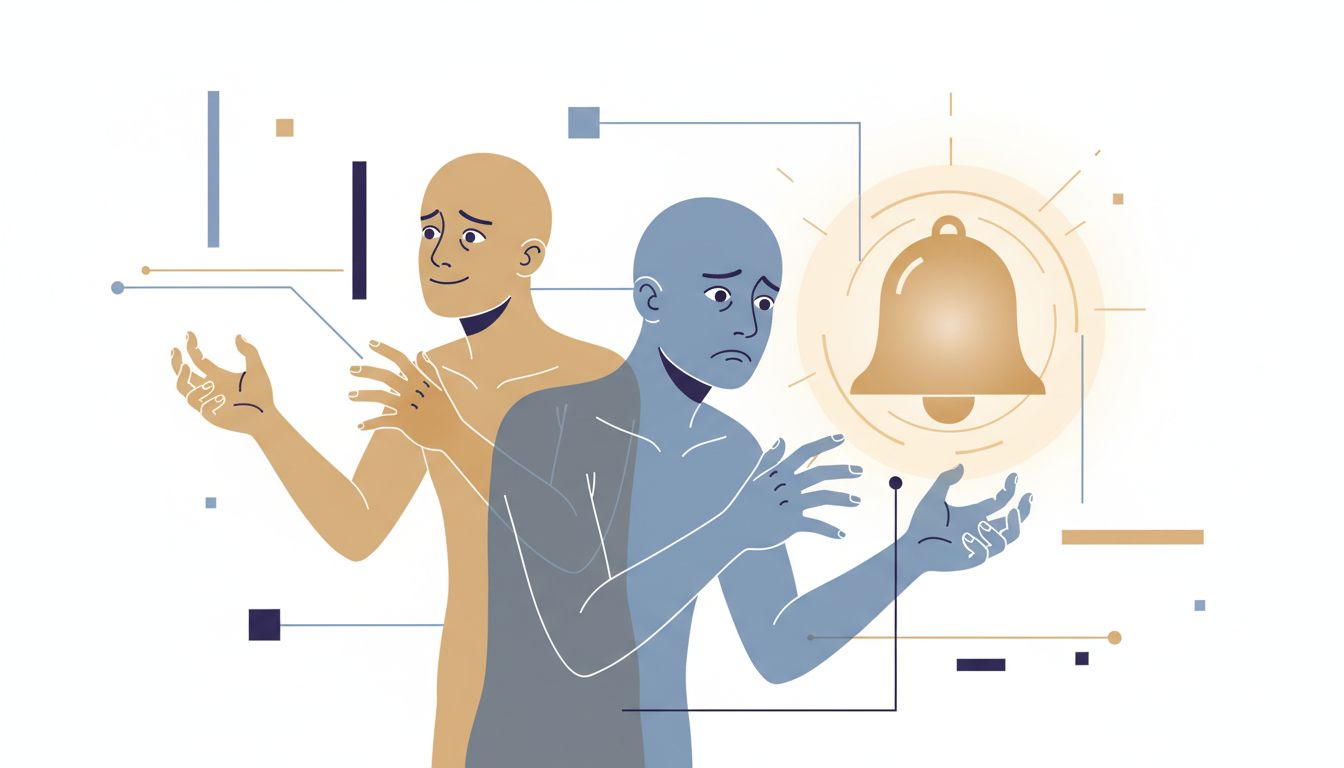
Except you didn’t fully return. Some fragment of your attention split off to process what you saw. Was that email urgent? Should you have replied? The notification is gone from your screen, but it’s running a background thread in your head, and that thread is quietly taxing everything else.
This isn’t a metaphor. It’s a fairly well-documented cognitive phenomenon, and understanding it precisely is the first step toward doing something about it.
What Interruptions Actually Do to Cognitive Load
The research on interruption recovery is genuinely striking. Gloria Mark at the University of California, Irvine has studied workplace interruptions for years, and her work found that after an interruption, people typically take around 23 minutes to return to a task with full focus. That number gets cited constantly, often skeptically, but the underlying mechanism is real even if the exact figure varies by person and context.
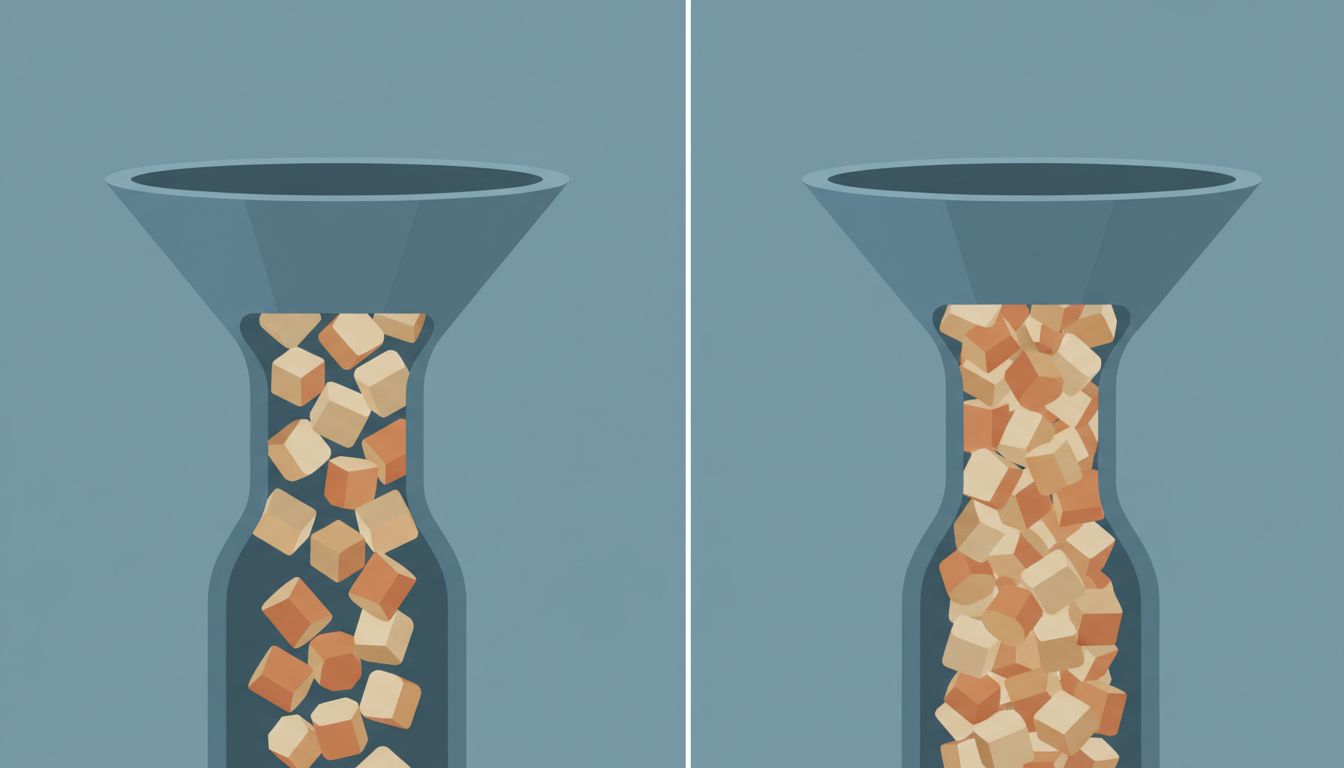
Here’s what’s happening: your brain stores the current state of a problem in working memory. Working memory is limited (most estimates put the usable capacity at around four chunks of information at once), and it’s volatile. When an interruption arrives, your brain has to do something with the incoming information: evaluate its urgency, decide whether to act, file it for later. That evaluation process competes directly with whatever was already loaded.
The dismissal doesn’t clear the queue. It just delays processing. The notification you swiped away becomes what researchers call an “unfinished task” in memory, and unfinished tasks have a documented tendency to intrude on conscious thought. The psychologist Bluma Zeigarnik noticed this in the 1920s: people remember interrupted or incomplete tasks better than completed ones. The Zeigarnik effect is your brain essentially refusing to let go of something unresolved.
So that email you glimpsed but didn’t read? Your brain filed it as unresolved. It will surface again, probably at the worst moment.
Why “Just Ignore It” Doesn’t Work
The popular advice is to develop discipline: see a notification, ignore it, keep working. This sounds reasonable and is mostly wrong.
Ignoring a notification is still processing it. You’ve already seen it. The damage to your attentional state happens at the moment of the glance, not the moment of engagement. Research by Kushlev and Dunn at the University of British Columbia found that just having your phone on the desk (face down, silent) was enough to reduce available cognitive capacity on tasks, because part of your brain is anticipating potential interruptions. The presence of the device, not even its use, was enough.
If the notification appeared and you saw it, discipline doesn’t undo the interrupt. What discipline can do is help you set up conditions where interruptions don’t reach you in the first place. That’s a fundamentally different intervention.
The people who seem best at deep work aren’t better at ignoring interruptions. They’re better at preventing them. There’s an important operational difference there.
The Compound Effect Across a Workday
Consider what happens over a full working day. If you receive 40 notifications (a conservative estimate for someone with a phone, email, Slack, and any project management tool), and each one creates even a modest attentional disruption, the compound effect is severe. You’re not losing 23 minutes per interruption linearly. You’re operating the entire day at a reduced baseline, because your attentional system never fully recovers before the next interrupt arrives.
This is why people end a full eight-hour workday feeling exhausted but also strangely unproductive. They worked, but most of that work happened in fractured three-to-seven minute windows between interruptions. You can produce okay work in those windows. You cannot do your best thinking in them.
The tasks that require real depth, synthesizing information, catching a subtle bug, writing something that actually says what you mean, those tasks require sustained access to working memory. That sustained access is exactly what constant interruption forecloses.
If you’ve ever had the experience of getting more done in two hours on a Saturday morning than in a full Tuesday at the office, this is why. It wasn’t magic. It was absence of interruption.
The Fix Is Structural, Not Motivational
You cannot willpower your way out of this. Treating the problem as a discipline failure leads you toward solutions that don’t work: trying harder to focus, feeling guilty when you check your phone, attempting to meditate away the distraction. These target the symptom.
The structural approach treats your attentional environment as something you design, not something you endure.
Start with defaults. Every device you own has notifications enabled by default because the companies making apps have strong incentives to interrupt you. Your interests run in the opposite direction. Go through your phone settings and disable notifications for everything that isn’t genuinely time-sensitive. Most things aren’t. Text messages from family, yes. A LinkedIn update that someone viewed your profile, no. This single audit, done once and maintained, probably recovers more focused time than any productivity app you’ll ever buy. (And as The App Is Not Your Productivity Problem covers in detail, the app is usually not where the fix lives.)
Then protect blocks of time, not individual minutes. The goal isn’t to never be interrupted; it’s to create windows where you genuinely cannot be interrupted, and windows where interruption is acceptable. Two hours of truly uninterrupted focus is worth more than six hours of fragmented attention. Schedule both modes deliberately. Batch your communication into defined windows rather than leaving channels open all day.
For the notifications that do get through, the key is resolving rather than dismissing. If you see a notification, either handle it immediately and close the loop, or explicitly defer it: write it down somewhere you’ll actually check, snooze it to a time when you’ll be in communication mode. Dismissal without resolution is the pattern that creates the background thread. Resolution, even deferred resolution with a concrete plan, closes the loop.
The Hardest Part: Other People’s Urgency
Here’s the part no one wants to say plainly: most of the interruptions you receive are not actually urgent. They feel urgent because the person sending them is experiencing urgency, and that urgency is contagious when delivered instantly.
Slack and similar tools collapsed the gap between “someone wants to reach you” and “you are being reached.” That collapse happened without any collective agreement that all communication should be synchronous and immediate. It just happened because the tools made it possible, and then the social norms followed the technology.
You will likely need to have explicit conversations with the people who work with you about response time expectations. This is uncomfortable and worth doing anyway. Most communication that arrives as an instant message could have been an email sent at 9am and read at 2pm with no meaningful consequence. Getting people to agree on that requires saying it out loud.
What This Means for How You Design Your Day
The research and the practical implications point in the same direction. Deep work requires protected time. Protected time requires structural choices, not individual acts of willpower.
Here’s what you can implement today:
Do the notification audit. Spend twenty minutes going through your phone and computer notification settings. Disable everything that doesn’t require a real-time response. You will not miss anything important, and you will gain the structural condition that focus requires.
Designate communication windows. Pick two or three specific times in the day when you’ll check and respond to messages. Outside those windows, close the channels. If your organization’s culture makes this feel radical, start smaller: one ninety-minute window in the morning where you’re unreachable, and adjust from there.
Resolve, don’t dismiss. When a notification does reach you, make a binary decision: handle it now or schedule it concretely. “I’ll deal with that later” without a specific plan is exactly the unresolved task that will fragment your focus for the next hour.
Track what actually interrupted you. For one week, keep a simple log of what pulled your attention. Pattern recognition is genuinely useful here. You’ll likely find three or four sources responsible for most of the interruption, and you can address those specifically.
The attention you have available for difficult work is the primary resource your best output depends on. The notification settings on your phone are, right now, a larger determinant of that output than your schedule, your tools, or your intentions. That’s worth taking seriously.