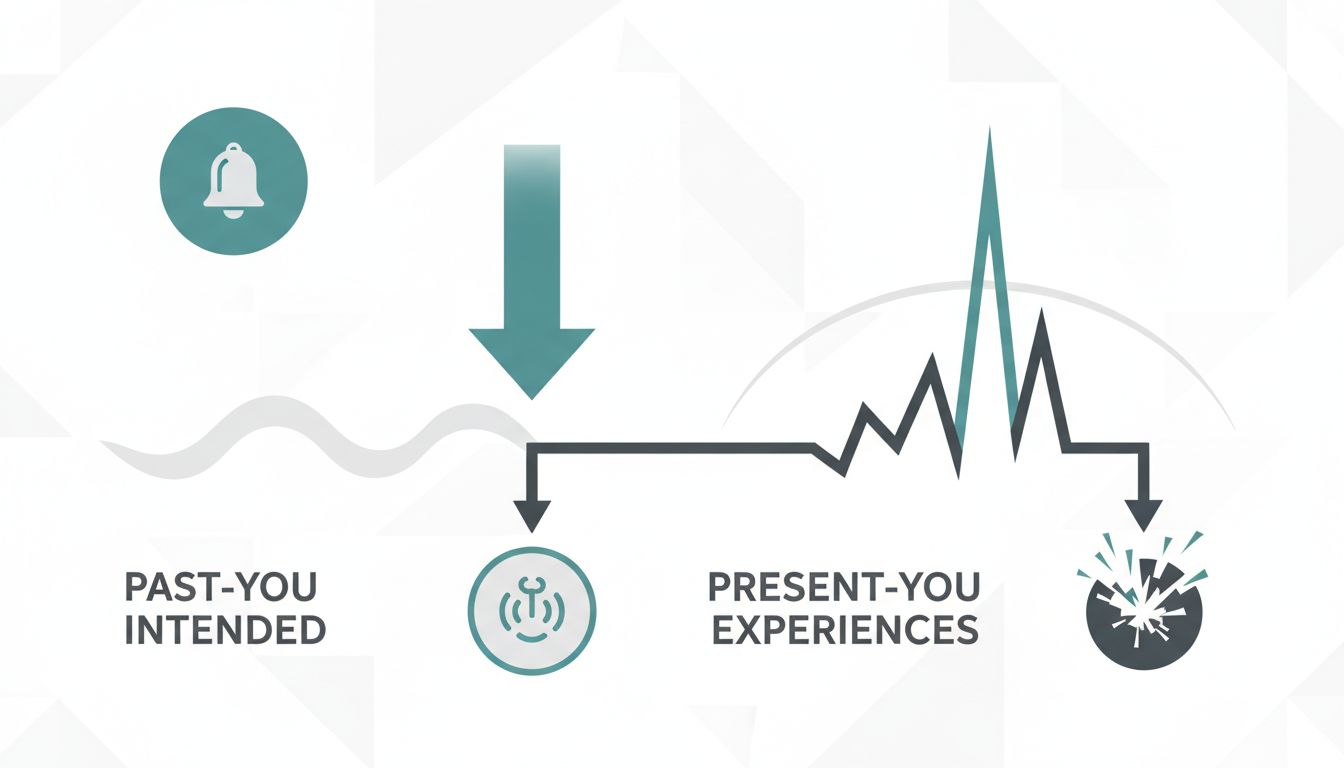
Every notification on your phone was, at some point, a deliberate act. You didn’t accidentally subscribe to Slack pings from the #general channel, or enable GitHub issue notifications for every repository your company owns. You made choices. Reasonable ones, probably. The problem is that those choices compound silently, and the version of you that made them is gone.
1. You Were Solving a Specific Problem That No Longer Exists
Notification systems are designed to solve a point-in-time problem. You turned on email alerts for a deployment pipeline because you were on-call and needed to know immediately when something broke. You enabled comment notifications on a Google Doc because you were in an active review cycle with three other people. The pipeline now deploys cleanly every time. The review cycle ended eight months ago.
The notification persisted because nothing in the system had any reason to turn it off. Software doesn’t model your context over time. It just remembers what you asked for and keeps delivering it. Your inbox is a graveyard of solved problems sending you daily updates.
2. The Cost Isn’t the Interruption, It’s the Residue
There’s a real research thread around what’s sometimes called “attention residue,” the idea that switching away from a task, even briefly, leaves a cognitive tail that impairs your next stretch of focus. The notification you dismissed in three seconds didn’t cost you three seconds. It cost you something closer to twenty minutes of degraded concentration afterward.
This is worth taking seriously if you do deep work of any kind, writing, architecture review, debugging, designing systems. You are wasting your best hours on easy work is a familiar failure mode, and notifications accelerate it by making shallow tasks feel urgent and visible. The hardest work rarely pings you. It just waits while you respond to the thing that did.
3. Notification Settings Are Not Built for You
This is the structural problem that makes individual willpower insufficient. The default settings in most apps are tuned to maximize re-engagement, not to match your actual workflow. Granular controls exist (and are worth using), but they’re buried, inconsistent across platforms, and reset when apps update. Your notification settings are built to serve the app, not your attention.
When you do find the settings page, you’ll typically encounter all-or-nothing choices or options so fine-grained they require twenty decisions to configure one app. Neither extreme makes it easy to land on “notify me only when something actually requires my action.” The friction is not accidental.
4. Urgency and Importance Got Mixed Up Somewhere Along the Way
A Slack message in a channel you monitor carries an implicit claim: this is happening now and you should know. But real urgency is rare. Most notifications represent information that could have been batched, or that didn’t require your attention at all. The medium trains you to treat all of it as urgent because that’s the only semantic the medium supports.
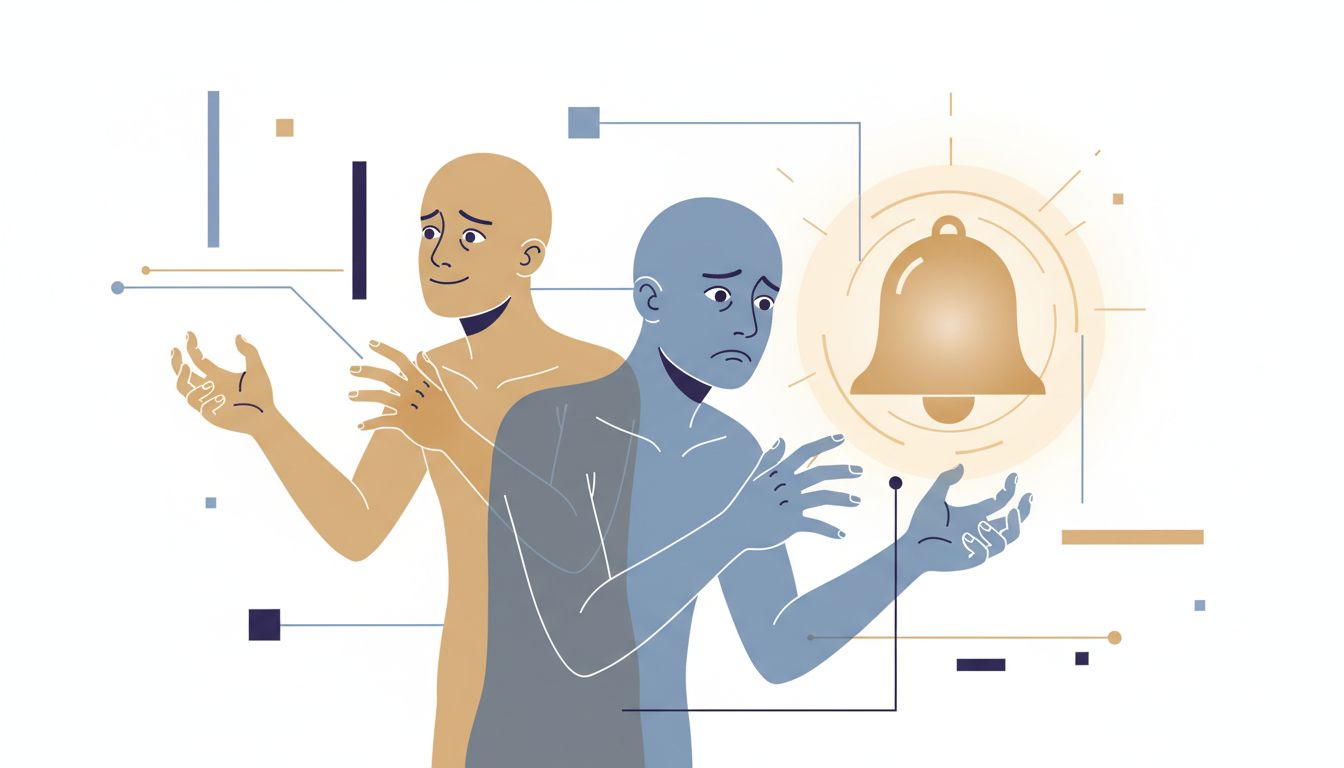
This is where the “answered prayer” framing breaks down hardest. Past-you turned on the notification because the information felt important at the time. Present-you receives it as urgent because that’s how the delivery mechanism works. Importance got laundered into urgency somewhere in the pipeline, and now you’re context-switching to read a CI/CD status update at the exact moment you were three paragraphs deep into a design doc.
5. The Fix Is Auditing, Not Discipline
The standard advice is to silence your phone, use Do Not Disturb, develop better habits around checking. That advice treats the symptom. The actual problem is that you have a large set of active subscriptions you never consciously renewed, and they’re draining your attention like open connections draining a server’s file descriptors. The fix is closing connections that shouldn’t be open, not throttling the ones that are.
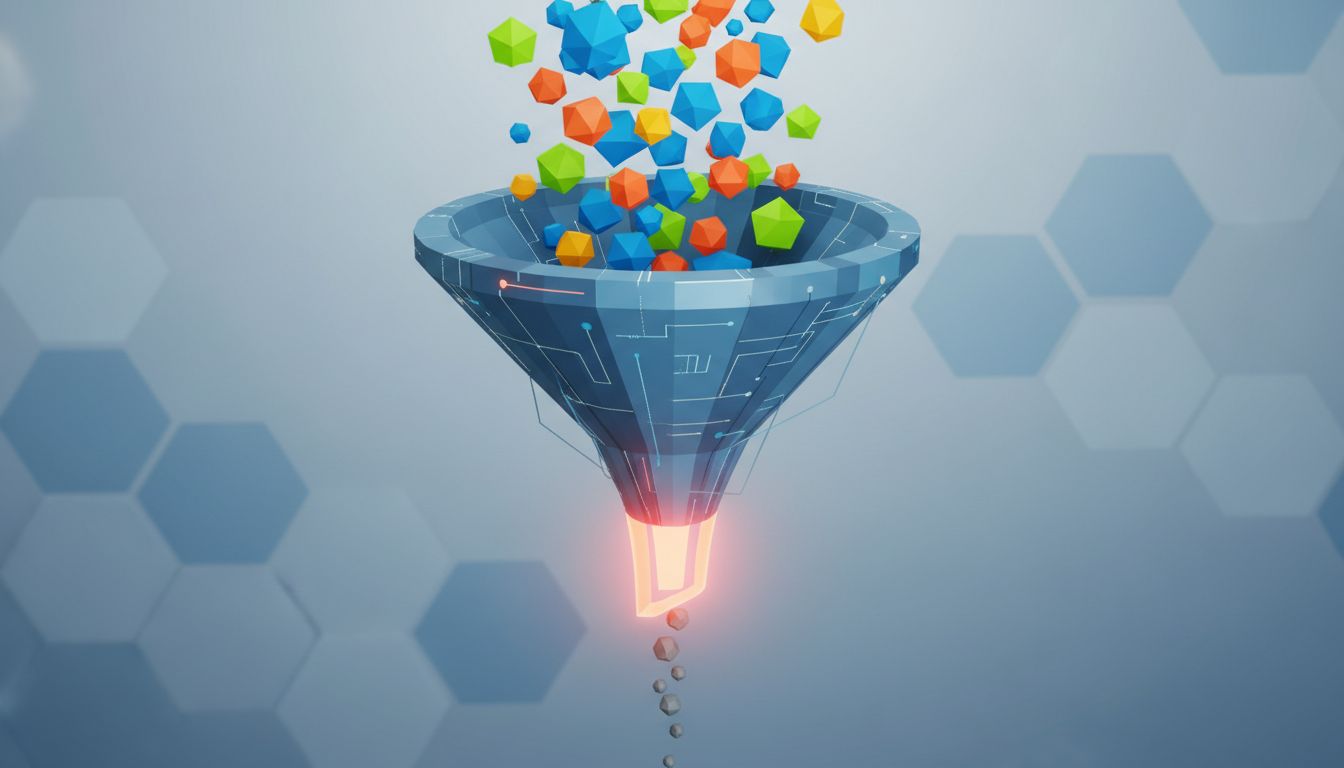
A practical audit looks something like this: pick one notification channel (start with email, or Slack, or GitHub, whichever generates the most noise) and for every category of notification, ask one question: “Would I create this subscription today, knowing what I know now?” Most of them, you wouldn’t. Archive the setting, unsubscribe, or switch to a digest. Do this once a quarter.
6. Some Notifications Are Worth Keeping, Which Is Why the Rest Are So Expensive
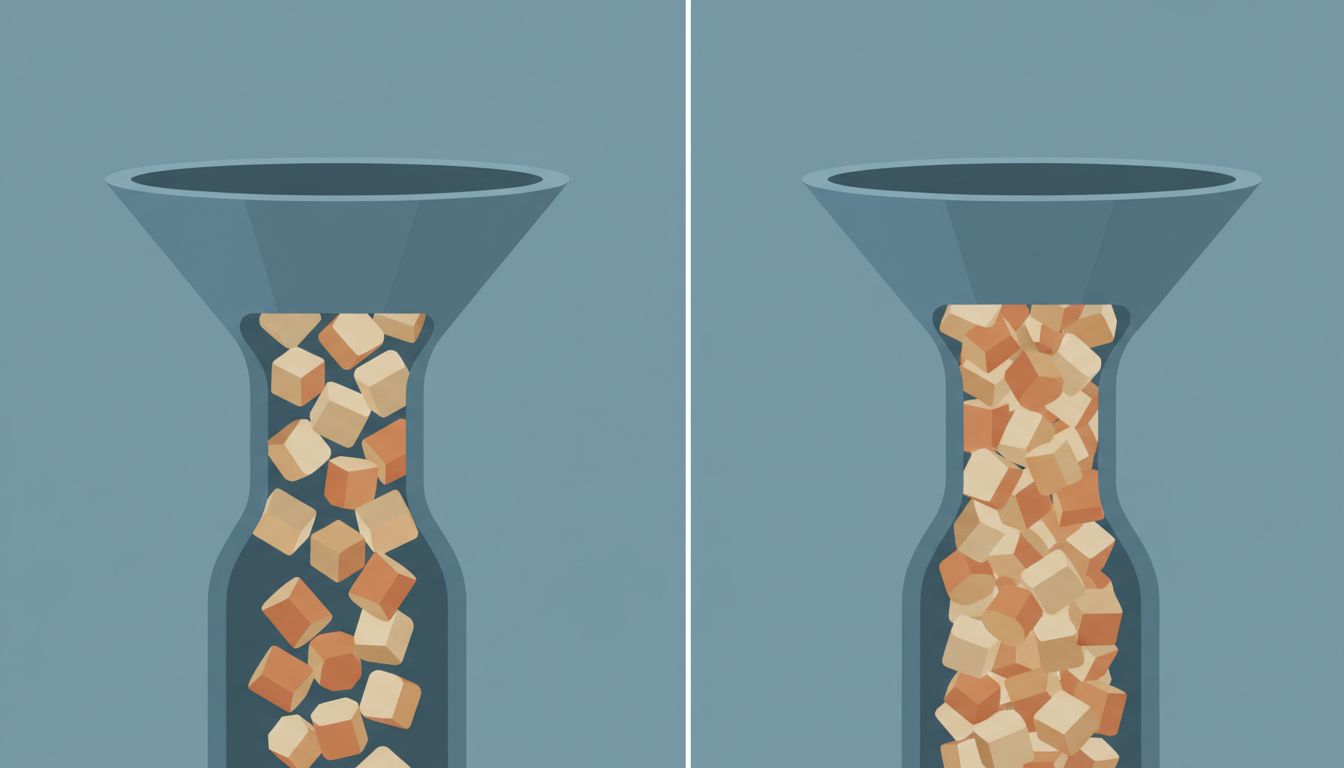
Not all notifications are parasitic. A production alert at 2am that catches a database outage before customers notice is a notification doing exactly what it should. A message from a teammate blocked on something you own is legitimate urgency. The point isn’t zero notifications. The point is that the signal-to-noise ratio in most people’s notification feeds is catastrophic, and that makes even the good ones harder to trust.
When everything pings you, you start treating pings as ambient background noise, which means the ones that actually matter get the same filtered-out response as the ones that don’t. You’ve built a system that cries wolf at scale, and your brain adapted by ignoring wolves. Protecting the high-value notifications requires aggressively culling the low-value ones, not just muting your phone during meetings.
7. Past-You Didn’t Know What Present-You Would Need to Focus On
This is the honest version of the problem. Notification hygiene isn’t about being more disciplined or more intentional in some vague motivational sense. It’s about acknowledging that the person who configured your alert settings had incomplete information about your future context, and that the system you built then is running on your behalf now without any mechanism for revision.
Treat your notification subscriptions like technical debt. The ones from years ago aren’t wrong because you were careless. They’re wrong because circumstances changed and the system didn’t update to reflect that. Schedule the audit. Close the connections. Let past-you’s well-intentioned requests expire gracefully.